 The best design at the most affordable price
  info@qmwheel.com
  +86 18938656121


 English
  en
en  it
it  es
es  tr
tr  sv
sv  pt
pt  cs
cs  nl
nl  ru
ru  fr
fr  de
de  pl
pl  ar
ar 

Meeting the Changing Needs of Urban Electric Mobility
Urban transportation is no longer limited to conventional bicycles and private cars. As cities become more crowded and daily journeys become increasingly diverse, riders are looking for electric bicycles that can provide practical transportation without sacrificing comfort or flexibility. An urban electric bicycle can serve commuting, shopping, short-distance travel, leisure riding, and everyday mobility, but the right configuration depends heavily on how and where the bicycle will be used.
For overseas distributors, retailers, wholesalers, and e-bike brands, selecting an appropriate supplier is equally important. A competitive product needs more than an electric motor and battery. Frame construction, tire selection, braking performance, suspension, riding position, battery accessibility, component integration, and overall usability all influence the customer's experience. This makes supplier capability a critical consideration when developing a long-term electric commuter bike product line.
QMWHEEL focuses on electric bicycle development and manufacturing for international markets, providing product configurations designed around different urban transportation requirements. Its product development approach combines engineering, manufacturing, testing, customization, and supply support, allowing business customers to develop custom urban electric bicycles for specific markets rather than relying entirely on standard configurations.
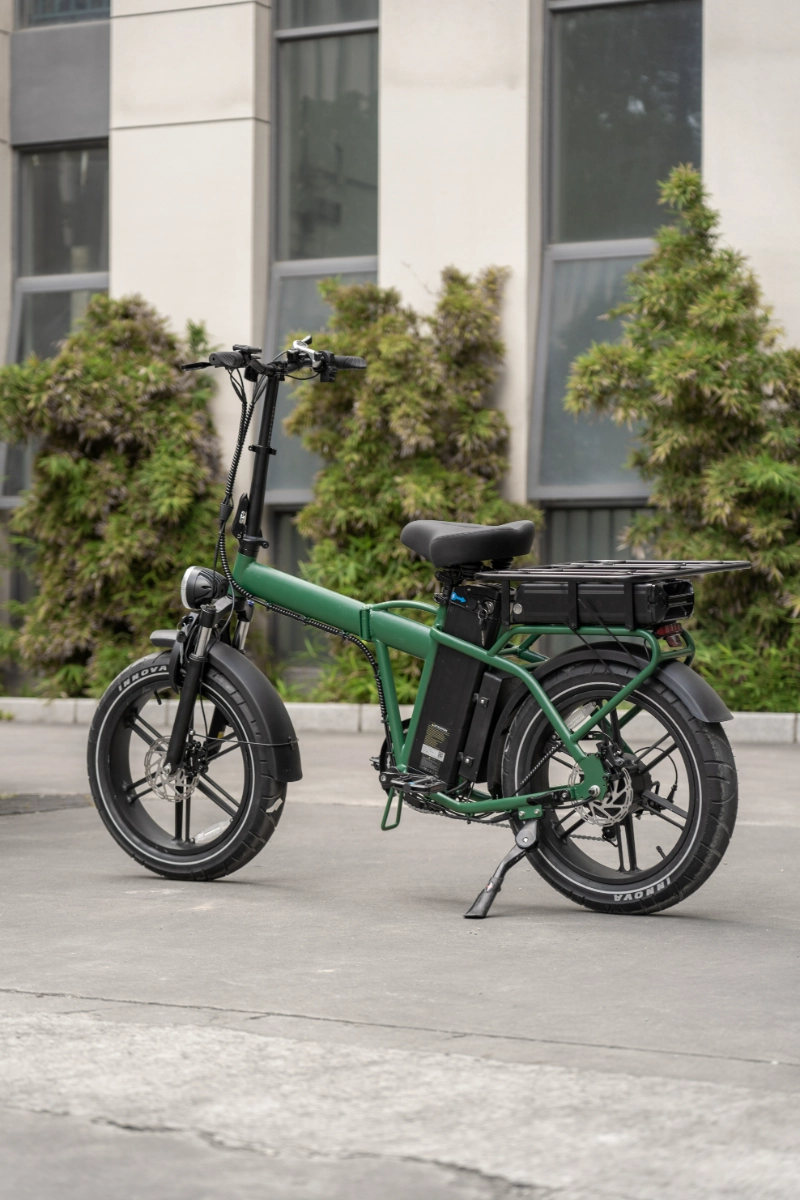
Why Fat Tires Matter for Everyday Commuting
Urban roads can vary considerably within a single journey. Smooth asphalt may quickly give way to rough pavement, gravel, uneven shoulders, road joints, or other imperfect surfaces. For this reason, many riders are becoming more interested in fat tire electric commuter bikes that provide a broader tire footprint and a more stable riding feel across different road conditions.
Fat tires can contribute to riding stability while also improving the overall comfort of an electric bicycle. Combined with appropriate suspension and a carefully designed frame, they can help absorb some of the vibration generated by uneven surfaces. This makes a fat tire urban e-bike suitable for riders who want one bicycle to handle commuting, errands, leisure routes, and occasional light outdoor riding.
However, tire width alone should not determine product selection. A professional urban e-bike should be considered as a complete combination of frame geometry, tire construction, wheel size, braking components, suspension, motor assistance, battery configuration, and rider ergonomics. When these elements are properly matched, an electric fat tire commuter bike can offer a practical balance between stability, comfort, maneuverability, and everyday usability.
Comfort Is Becoming a Key E-Bike Purchasing Factor
Electric bicycle buyers are increasingly paying attention to the complete riding experience rather than focusing only on motor power or battery capacity. A bicycle that is technically powerful but uncomfortable to ride may have limited appeal for customers who use it every day. For an urban electric bicycle, the riding position, frame balance, suspension, tires, saddle, handlebars, and control layout can all influence whether riders feel comfortable during longer journeys.
This is particularly important for commuter-oriented products because repeated daily use exposes weaknesses that may not be obvious during occasional recreational riding. A practical electric commuter bicycle for adults should provide predictable handling, accessible controls, effective braking, and a comfortable riding posture. These factors can also influence customer satisfaction, repeat purchases, product reviews, and retailer reputation.
QMWHEEL develops different electric bicycle configurations around practical riding requirements, allowing overseas buyers to select products according to their target customer groups. For B2B buyers, this creates greater flexibility when building a product portfolio that addresses different commuting preferences rather than depending on one universal configuration.
Customization Creates More Opportunities for E-Bike Brands
The requirements of an e-bike retailer in Europe may differ from those of a distributor in North America or a private-label brand targeting another international market. Customers can have different preferences regarding appearance, equipment, battery configuration, riding position, accessories, packaging, and product positioning. Consequently, custom electric bicycle manufacturing has become an important consideration for companies seeking to establish a differentiated market presence.
OEM and ODM cooperation allows brands to develop products around their own commercial strategy. Customization may involve appearance, colors, branding, packaging, selected components, configuration, and other product details. Instead of competing only through price, a brand can create an OEM electric bicycle with a more distinctive market identity and a configuration that matches its target customers.
For distributors and wholesalers, customization can also help separate different product ranges. Entry-level commuting products, comfort-oriented urban bicycles, fat tire models, and utility-focused e-bikes can be positioned for different customer requirements. This creates opportunities for more precise product segmentation and reduces the need to sell every market through the same standard specification.
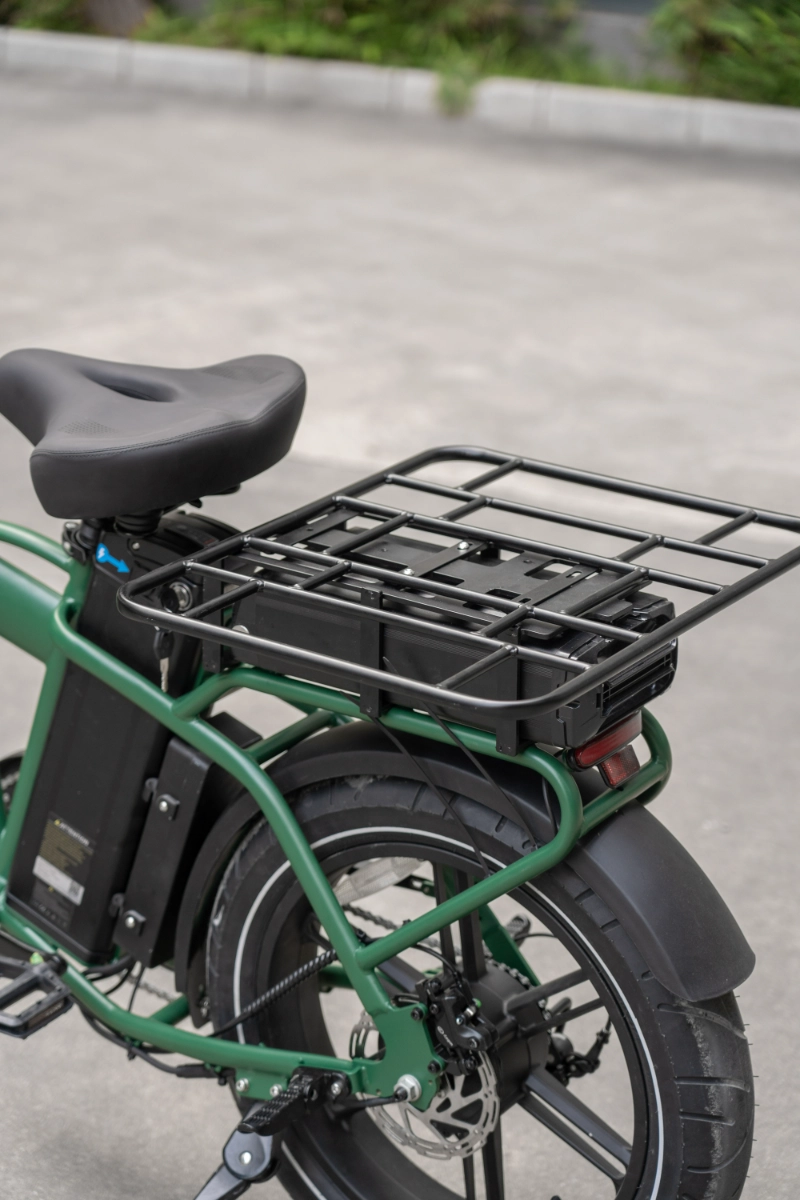
What B2B Buyers Should Consider Before Choosing a Supplier
Selecting an urban electric bicycle supplier requires a broader evaluation than comparing the purchase price of individual units. A supplier's engineering capabilities, manufacturing capacity, quality control, customization process, certification support, communication efficiency, production consistency, and after-sales support can all affect the total commercial value of a project.
| B2B Purchasing Factor | Why It Matters |
|---|---|
| Product engineering | Supports stable and market-specific configurations |
| OEM and ODM capability | Allows brands to create differentiated products |
| Manufacturing capacity | Helps maintain consistent supply during larger orders |
| Quality control | Reduces variation between production batches |
| Component flexibility | Supports different market and customer requirements |
| Packaging and branding | Helps establish a consistent private-label identity |
| Certification support | Assists with market entry and compliance preparation |
| Spare parts support | Helps distributors manage long-term customer service |
An experienced electric bicycle manufacturer should also be able to communicate clearly about product development and production requirements. For international buyers, unclear technical communication can create delays during sampling, customization, approval, and mass production. A structured supplier with dedicated engineering and manufacturing resources can make these stages easier to coordinate.
OEM and ODM Support for International Markets
OEM cooperation is particularly relevant to companies that already have a brand identity but require a capable manufacturer to produce their electric bicycle range. Private-label customers may need their logo, packaging, colors, product documentation, and selected configurations integrated into the finished product. The objective is to create a product that fits naturally into an existing brand portfolio.
ODM cooperation takes the process further by allowing buyers to participate in product development and configuration decisions. This can be useful when a company has identified a market opportunity but does not have its own complete engineering and manufacturing infrastructure. A capable custom e-bike manufacturer can provide technical resources while the buyer concentrates on branding, distribution, marketing, and customer development.
QMWHEEL provides OEM and ODM cooperation for international partners, supporting customization and product development alongside manufacturing. This integrated approach can help buyers move from initial product requirements toward samples, production, branding, packaging, and international supply in a more coordinated manner.
Building a More Versatile Urban E-Bike Product Line
One of the advantages of urban electric bicycle category is its broad application range. The same basic concept can address commuting, shopping, recreational riding, neighborhood transportation, short-distance travel, and other everyday mobility requirements. However, successful product positioning depends on matching the configuration with the intended application.
For example, some customers may prioritize compact storage and convenient transportation, while others may place greater value on fat tires, suspension, carrying capability, or passenger-oriented configurations. This is why overseas buyers should consider electric commuter bike specifications according to actual customer behavior instead of selecting products based solely on individual technical numbers.
A well-planned product portfolio can therefore combine different configurations under one brand while maintaining a consistent design language and quality standard. For an international e-bike business, this can make it easier to target different customer segments without completely rebuilding the supply chain for every product category.
Battery and Power Configuration for Daily Urban Use
Battery selection is another important consideration when developing an urban electric bike. Customers expect sufficient riding range for their regular journeys, but battery requirements can vary according to rider weight, road conditions, riding habits, assistance level, terrain, temperature, and other factors. Therefore, advertised range should not be treated as the only indicator of practical performance.
A removable battery can provide additional convenience for users who need to charge the battery away from the bicycle. It can also simplify storage and daily charging in apartments, offices, retail environments, and other locations where moving the complete bicycle may be inconvenient. For urban commuting, this practical feature can be more valuable than simply pursuing a larger battery.
Motor configuration should also be considered together with the intended application. Different power levels can influence acceleration, climbing capability, energy consumption, and riding characteristics. A professional electric bicycle supplier should be able to help buyers select configurations that align with the intended market instead of treating maximum motor output as the primary selling point.
Braking, Suspension and Riding Stability
Safety-related components are an important part of an urban e-bike's overall value. Hydraulic disc brakes can provide responsive braking performance and consistent control, while suspension can help reduce the impact of uneven surfaces. These components become particularly relevant when an electric bicycle is heavier than a conventional bicycle or uses wider tires and higher-speed electric assistance.
The interaction between tires, suspension, frame geometry, and braking components should therefore be considered as a complete design. A well-balanced fat tire electric bicycle for commuting should provide predictable control rather than simply emphasizing individual components as isolated selling points.
For B2B buyers, this integrated approach also makes product communication more credible. Instead of relying on a long list of specifications, brands can explain how the configuration supports actual riding needs, including urban commuting, uneven roads, longer daily journeys, and flexible recreational use.
Manufacturing Consistency Matters for Global Buyers
Product development is only one part of a successful e-bike supply chain. Once a product has entered commercial production, consistency between batches becomes equally important. Differences in components, assembly quality, finishing, packaging, or configuration can create additional costs for distributors and retailers.
A capable urban electric bicycle manufacturer should therefore maintain structured production and quality-control processes. Consistent manufacturing helps businesses maintain the same customer experience across different orders and reduces unnecessary problems during inspection, distribution, and after-sales service.
QMWHEEL combines product development and manufacturing resources to support international electric bicycle customers. Its business model is designed around OEM, ODM, private-label, and global supply requirements, giving distributors and brands a single manufacturing partner for product development and ongoing production.
A Practical Approach to Selecting a Long-Term Supplier
For companies searching for an urban electric bicycle supplier, the most useful approach is to evaluate the complete cooperation process rather than judging a supplier from a single quotation. Buyers should consider product quality, customization options, engineering communication, manufacturing resources, order flexibility, certification support, packaging, spare parts, delivery arrangements, and long-term technical assistance.
The right supplier should also understand that different markets require different product strategies. A successful B2B partnership is not simply about producing bicycles at a competitive price. It involves developing products that fit the target market, maintaining stable quality, supporting brand differentiation, and providing a supply structure that can grow as sales increase.
QMWHEEL combines electric bicycle manufacturing, product development, OEM and ODM customization, and international supply support for companies looking to develop their own e-bike business. Its focus on custom urban electric bicycles and fat tire commuter e-bikes provides overseas brands and distributors with options for building product lines around specific customer needs.
Supporting the Future of Urban Commuting
The growth of electric mobility is creating new opportunities for brands, distributors, retailers, and mobility businesses worldwide. Urban riders increasingly expect transportation products to provide convenience, comfort, stability, and flexibility rather than simply replacing a conventional bicycle with an electric motor.
For businesses entering or expanding within this market, an experienced manufacturing partner can provide important support throughout product development and commercialization. From custom electric commuter bikes and fat tire configurations to OEM branding and ongoing production, the supplier's capabilities can directly influence the efficiency of a brand's product strategy.
QMWHEEL provides electric bicycle manufacturing and OEM/ODM services for international customers seeking flexible product development and reliable supply. By combining engineering resources, manufacturing capabilities, customization options, and global market experience, QMWHEEL supports businesses looking to develop practical urban electric bicycle products for today's diverse commuting and mobility requirements.
FAQ
What is an urban electric bicycle?
An urban electric bicycle is designed primarily for everyday transportation in cities and surrounding areas. Typical applications include commuting, shopping, short-distance travel, leisure riding, and general personal mobility.
Are fat tire electric bicycles suitable for city commuting?
Yes. Fat tire electric bicycles can be suitable for urban commuting because their wider tires can provide stability and comfort across different road surfaces. The final riding experience also depends on the frame, suspension, braking components, and overall configuration.
What is the difference between OEM and ODM e-bike manufacturing?
OEM manufacturing generally allows a brand to customize an existing product according to its requirements, including branding, colors, packaging, and selected configurations. ODM cooperation can involve deeper participation in product design and development.
Can an urban e-bike be customized for different markets?
Yes. Depending on the supplier and project requirements, customization can cover appearance, branding, packaging, components, battery configuration, product functions, and other specifications. This allows distributors and brands to create products aligned with their target markets.
What should distributors consider when sourcing electric commuter bikes?
Distributors should evaluate product quality, customization capability, manufacturing consistency, certification requirements, component availability, spare parts support, packaging, production capacity, and communication efficiency. Unit price is only one part of the total sourcing decision.
Why work with an experienced urban electric bicycle manufacturer?
An experienced manufacturer can provide more than finished bicycles. Engineering support, product customization, quality control, OEM/ODM development, production management, and international supply capabilities can help brands establish a more stable long-term product strategy.


-
 Blogs
Blogs
Fat Tire Electric Bicycles With Wide Tires for Better Grip on Loose Surfaces
Fat tire electric bicycles offer improved traction, comfort, and stability on gravel, sand, dirt, and uneven roads, making mixed-terrain riding more versatile.
Read More -
 Blogs
Blogs
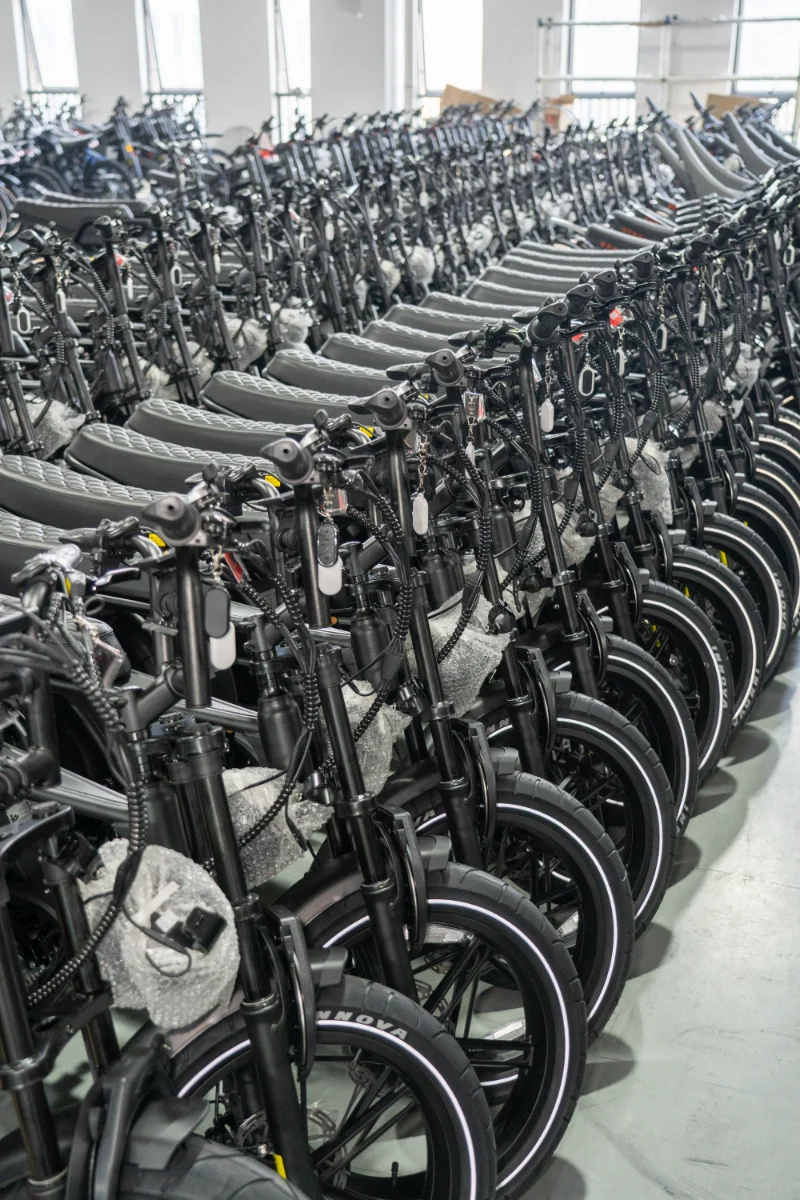
Why Fat Tires Matter in a Custom Electric Mountain Bike Design
Fat tire performance gives a custom electric mountain bike stronger traction, stability, and comfort for mixed terrain while supporting flexible OEM and ODM development.
Read More -
 Blogs
Blogs
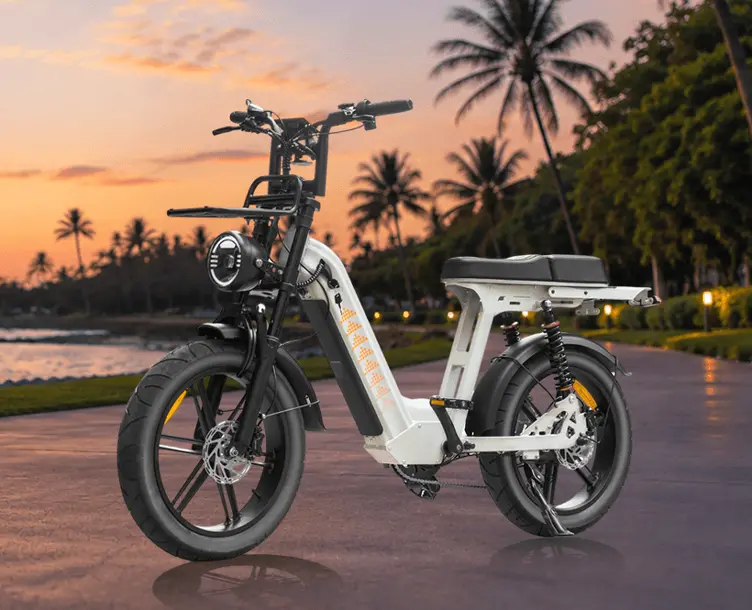
City Commuter Ebike with Long Range Battery for Everyday Travel
QMWHEEL’s city commuter ebike combines long-range battery capacity, fat tires and rear suspension for comfortable daily travel, errands and weekend riding.
Read More -
 Blogs
Blogs
Shenzhen Qingmai Bicycle Co., Ltd. and Smartride Supplies B.V. Host Biweekly Tea Gathering
Read More -
 Blogs
Blogs
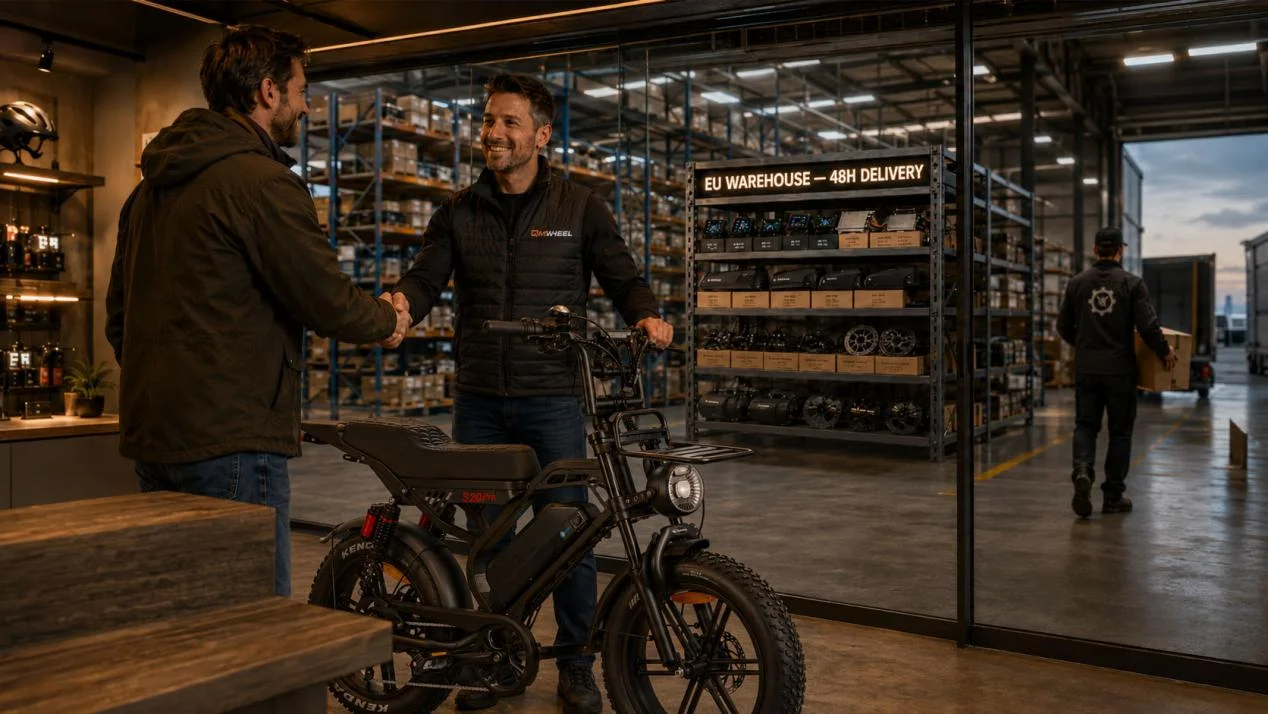
Service Isn't a Promise, It's a Shelf in Our European Warehouse
Read More -
 Blogs
Blogs
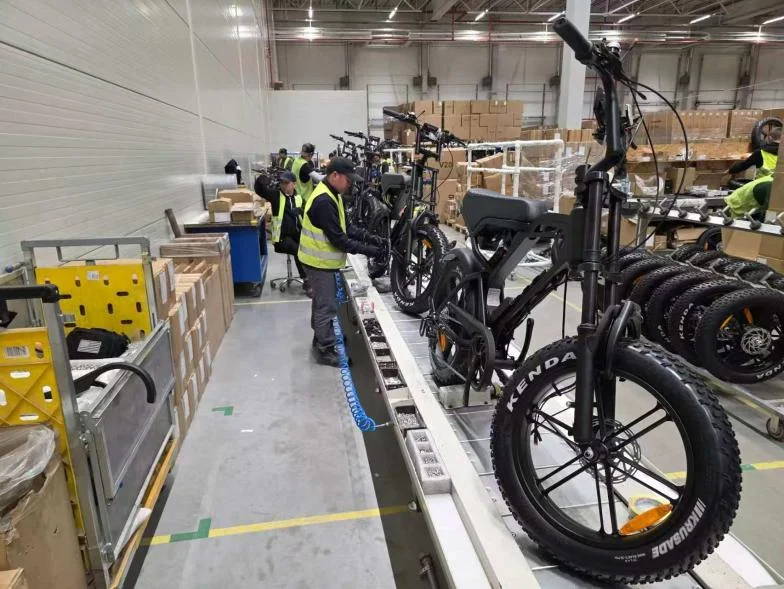
Europe Is More Than a Market, It's Our Second Home Ground
Read More