 The best design at the most affordable price
 info@qmwheel.com
 +86 18938656121


 English
 en
 it
 es
 tr
 sv
 pt
 cs
 nl
 ru
 fr
 de
 pl
 ar


Understanding the Needs of International Electric Motorcycle Brands
Entering the electric motorcycle market requires more than selecting a vehicle with an attractive appearance. Overseas brands must consider local riding habits, customer expectations, product positioning, component compatibility, and regulatory requirements before developing a competitive product. A motorcycle designed for urban transportation may require a different balance of handling, comfort, and battery performance than one intended for longer-distance riding or recreational use.
For international businesses, high performance electric motorcycle OEM services provide an opportunity to develop products around specific market requirements. Rather than relying entirely on standard configurations, brands can work with manufacturers to adjust product appearance, selected components, branding, and packaging. This flexibility helps distributors and private label businesses establish a recognizable product identity while responding to different customer segments.
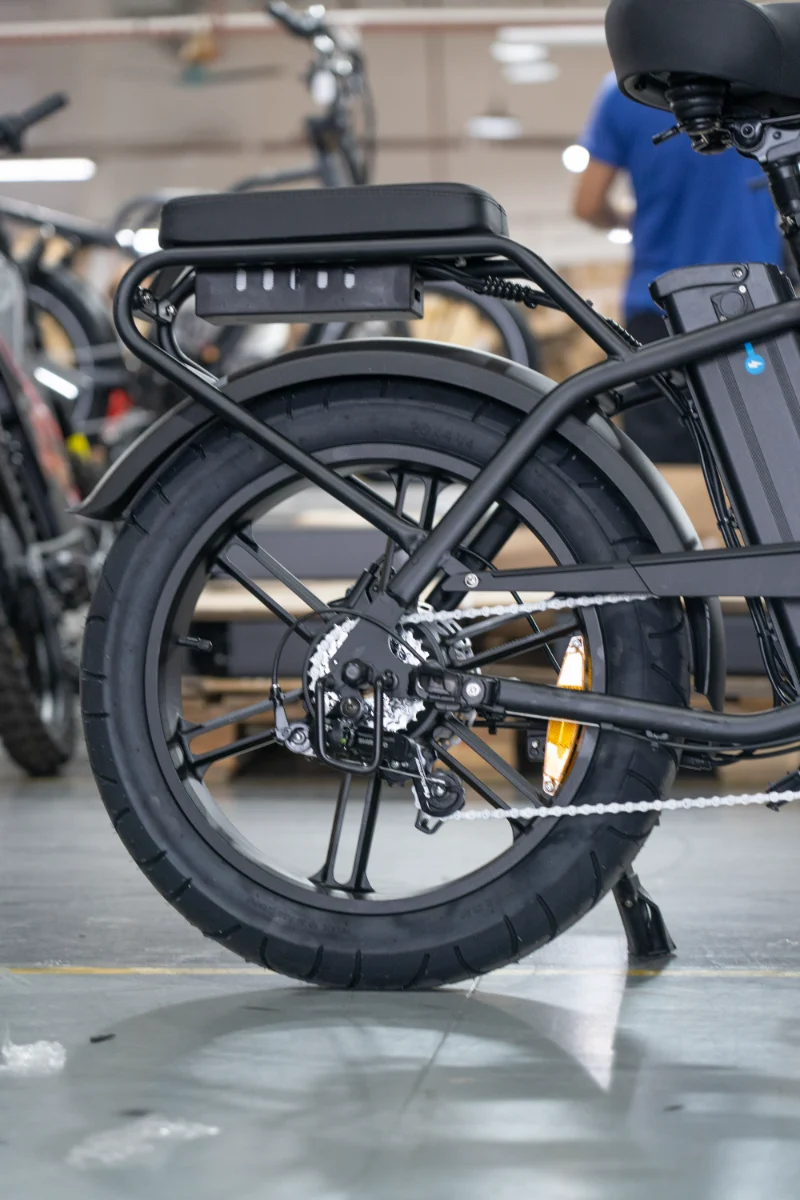
Customization Options That Shape Product Differentiation
A high performance electric motorcycle needs a coordinated design approach. Its frame structure, exterior styling, electrical components, braking configuration, and riding ergonomics all contribute to the overall product experience. OEM customization allows buyers to identify which features are essential for their target market and determine how those requirements should be reflected in the final design.
Customization Area | Buyer Considerations | Potential Options |
|---|---|---|
Exterior design | Brand identity and market positioning | Colors, finishes, appearance details |
Battery configuration | Riding requirements and charging preferences | Capacity, placement, locking design |
Motor components | Performance expectations | Compatible motor configurations |
Braking components | Control and safety requirements | Suitable braking options |
Lighting | Visibility and market regulations | Headlights, taillights, signal lights |
Branding | Retail recognition | Logos, labels, customized packaging |
These choices should be evaluated as connected design decisions rather than independent upgrades. For example, changing a component may affect installation space, product weight, wiring arrangements, or maintenance requirements. A well-planned electric motorcycle OEM project therefore begins with technical communication between the buyer and manufacturer, ensuring that customization remains practical for production and future servicing.
Battery and Motor Considerations for Different Markets
Battery and motor performance are central considerations when buyers evaluate a high performance electric motorcycle. However, the right configuration depends on how the vehicle will be used. Urban riders may value smooth acceleration and predictable power delivery, while customers with more demanding riding requirements may prioritize sustained performance and battery efficiency. Local charging access, expected travel distances, climate, and maintenance conditions should also influence component selection.
International brands should pay attention to battery compatibility, electrical integration, thermal management, and component availability. These factors can affect product consistency, service requirements, and long-term ownership costs. When developing a custom electric motorcycle for overseas markets, buyers should confirm that the selected components work together and meet the applicable requirements in the destination country.
OEM and ODM Cooperation for Private Label Brands
OEM and ODM partnerships offer different approaches to electric motorcycle development. OEM cooperation generally involves customizing an existing product platform to match the buyer's requirements, such as exterior appearance, selected components, branding, and packaging. ODM cooperation may involve more extensive design input, allowing brands to pursue a distinct product concept with support from the manufacturer's development team.
For businesses entering competitive markets, the choice depends on development resources, budget, launch objectives, and desired product differentiation. Private label electric motorcycle manufacturing can help distributors establish their own brand identity without managing every stage of production independently. A suitable manufacturing partner should be able to clarify which customization options are available, how design changes affect production, and what approvals are required before mass manufacturing.
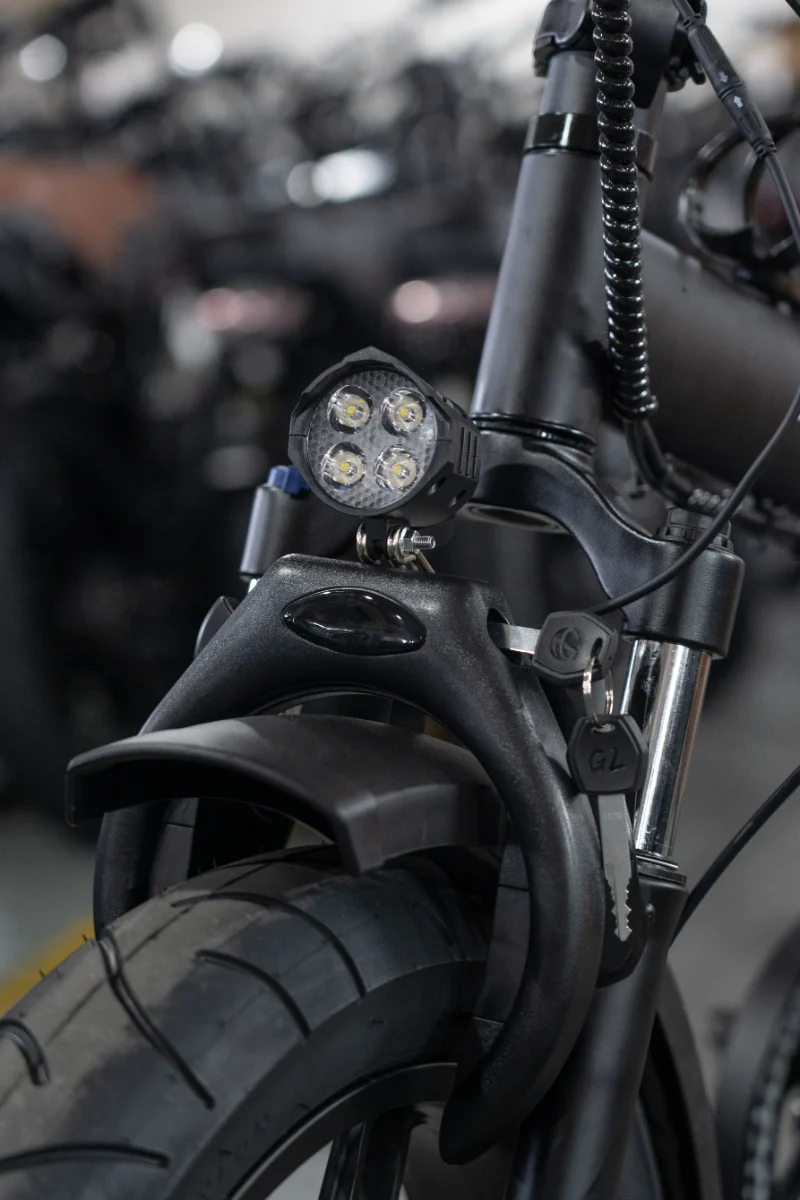
From Product Requirements to Mass Production
A structured development process helps reduce communication errors and unnecessary production adjustments. Buyers should first provide information about their target customers, intended applications, market positioning, and essential product requirements. The manufacturer can then assess technical feasibility and coordinate the design proposal before moving into sample development.
Sample evaluation is an important stage because it allows buyers to examine appearance, assembly quality, component integration, and general usability. Any requested changes should be documented and reviewed before production approval. For electric motorcycles, particular attention should be given to electrical connections, braking performance, structural integrity, and other safety-related elements.
Development Stage | Main Objective |
|---|---|
Requirement discussion | Define market needs and customization scope |
Design confirmation | Review appearance and technical feasibility |
Sample development | Evaluate the proposed product |
Testing and approval | Check quality and applicable requirements |
Mass production | Maintain approved specifications and quality |
Delivery coordination | Prepare packaging and export arrangements |
A clear approval process helps both parties maintain consistent expectations. It also gives overseas buyers greater visibility into development progress, production preparation, and delivery planning.
Quality Control and Compliance for Global Distribution
Quality management is particularly important when sourcing high performance electric motorcycles for international distribution. Buyers should examine how manufacturers manage incoming components, assembly procedures, functional inspections, and finished-product testing. Consistent inspection standards help identify manufacturing defects before products reach distributors or end customers.
Compliance requirements must also be considered early in product development. Electric motorcycle regulations differ across countries and may cover vehicle classification, electrical safety, lighting, braking, battery transportation, and road-use approval. Buyers should confirm the applicable standards for their intended markets rather than assuming that one certification automatically covers every destination. A qualified OEM partner can help coordinate technical documentation and certification preparation, while final compliance responsibility should be clearly established between the involved parties.
Choosing an Electric Motorcycle OEM Manufacturer
Selecting an electric motorcycle OEM manufacturer requires evaluating more than the initial quotation. Overseas buyers should review manufacturing capabilities, customization experience, engineering communication, sample procedures, quality inspection, production planning, and after-sales support. The ability to maintain component consistency and provide replacement parts can also influence the long-term viability of a distribution partnership.
Other commercial details deserve attention before placing a bulk order. These include minimum order quantities, payment arrangements, production lead times, packaging requirements, warranty terms, spare parts availability, and export documentation. Buyers should also establish how design changes will be handled after sample approval, especially when modifications may affect cost or delivery schedules.
QMWHEEL provides OEM/ODM customization support for electric bicycles, including appearance design, component selection, branding, packaging, sampling, and production coordination. Businesses considering a high performance electric motorcycle project should first confirm the manufacturer's relevant motorcycle product range, technical capabilities, and applicable certifications to ensure that the proposed cooperation matches their requirements.
Building Long-Term Value Through OEM Partnerships
A successful OEM partnership should support more than the launch of a single product. As brands gain market feedback, they may need to refine product appearance, adjust component choices, introduce new configurations, or improve packaging for different distribution channels. A manufacturer with organized communication and flexible customization support can make these changes easier to coordinate.
For global brands, the value of high performance electric motorcycle OEM manufacturing lies in connecting product development with practical market needs. Clear requirements, compatible components, consistent quality control, and realistic compliance planning provide a stronger foundation for international growth. By evaluating these factors before production, businesses can make more informed sourcing decisions and develop products that better match their target customers.
Frequently Asked Questions
What can be customized through electric motorcycle OEM services?
Depending on the manufacturer's capabilities, customization may cover exterior appearance, colors, selected components, battery configuration, lighting, branding, and packaging. Buyers should confirm technical feasibility before finalizing specifications.
What is the difference between electric motorcycle OEM and ODM?
OEM usually involves customizing an existing product according to buyer requirements. ODM may include broader design and development support, giving brands more opportunities to create differentiated products.
What should overseas buyers check before placing a bulk order?
Buyers should evaluate sample quality, component compatibility, manufacturing consistency, production capacity, certifications, warranty terms, spare parts support, and delivery arrangements.
Can QMWHEEL support private label electric motorcycle projects?
QMWHEEL offers OEM/ODM services for electric bicycles, including product customization, branding, packaging, and production coordination. Buyers should confirm the availability of specific electric motorcycle products and related manufacturing capabilities directly before starting a project.


-
 Blogs
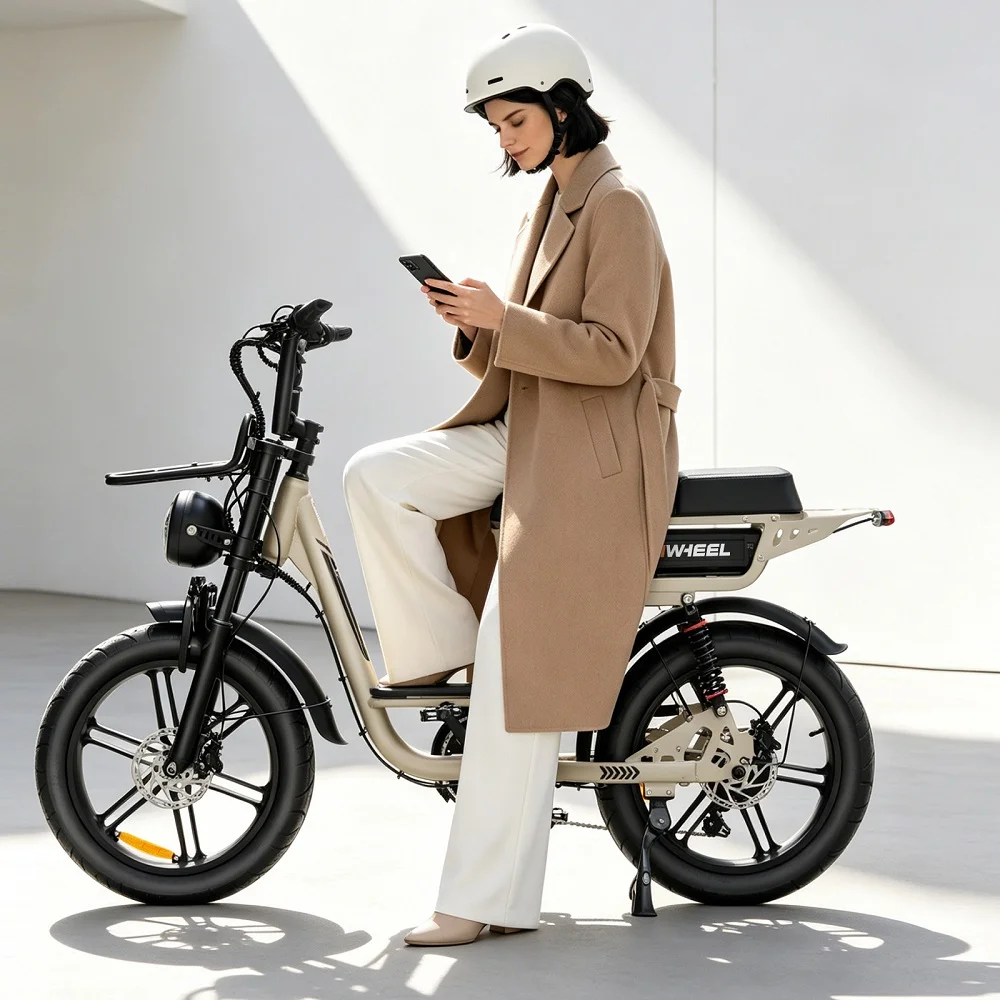
Why Step Through Commuter E-Bikes for Women Are Becoming a Key Product Category for Global Bicycle Dealers
The global electric bicycle market is experiencing a significant shift as more consumers look for practical, comfortable, and reliable transportation solutions for daily commuting.
Read More -
 Blogs
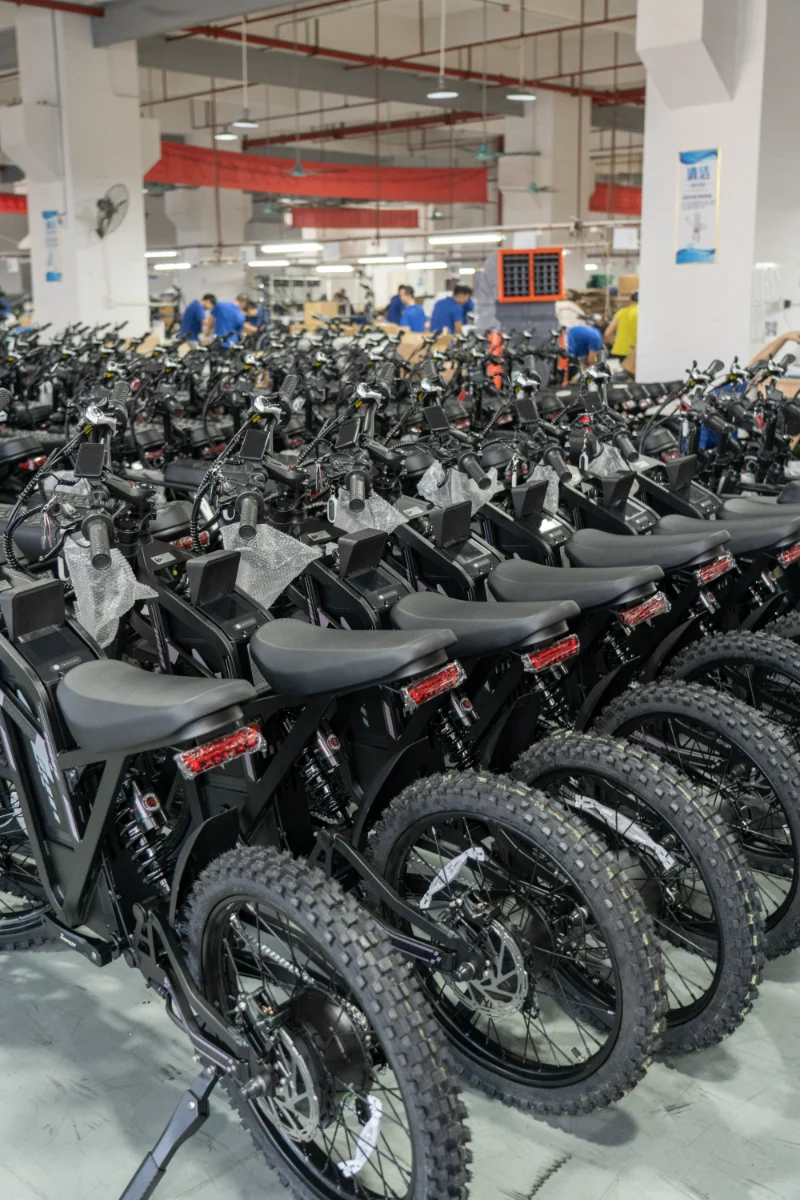
Dual Battery Fat Tire Electric Bike for Gravel Roads and Outdoor Adventures
A dual battery fat tire electric bike delivers extended riding range, improved traction on gravel roads, and added comfort for outdoor adventures and daily travel.
Read More -
 Blogs
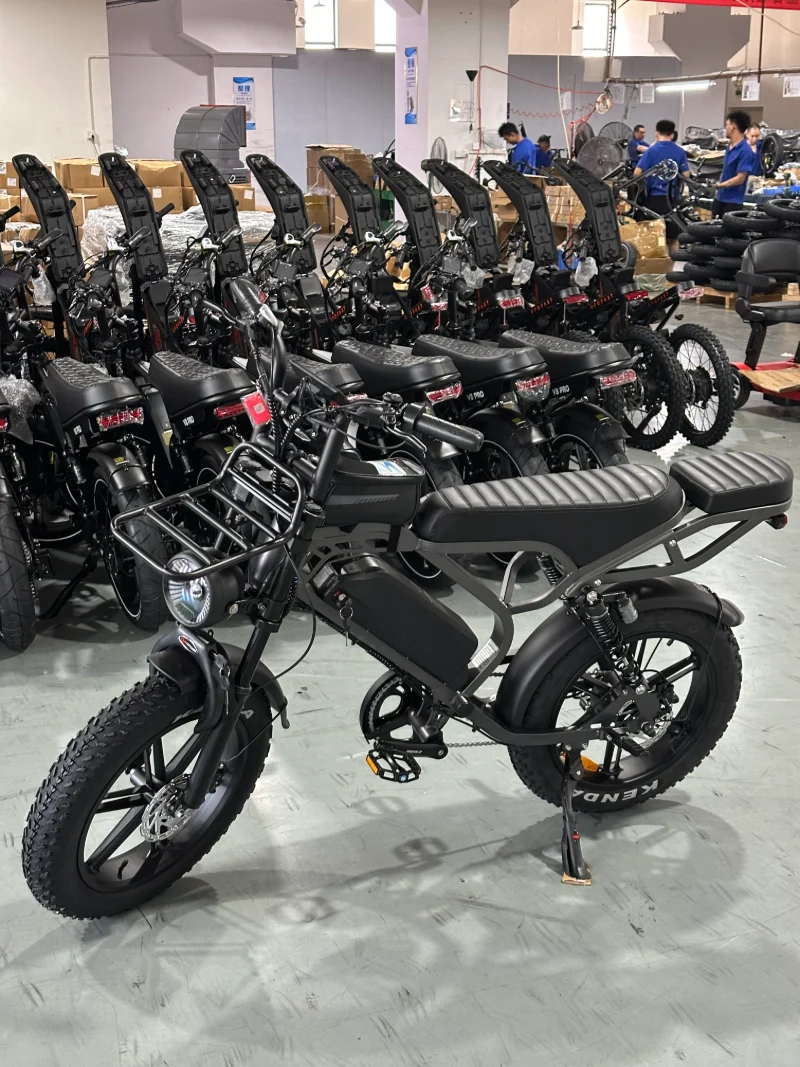
All Terrain Fat Tire Electric Bike for Better Traction on Loose Terrain
All terrain fat tire electric bike designs improve traction, stability, and comfort on gravel, sand, dirt, and uneven roads for versatile outdoor mobility and commuting.
Read More -
 Blogs
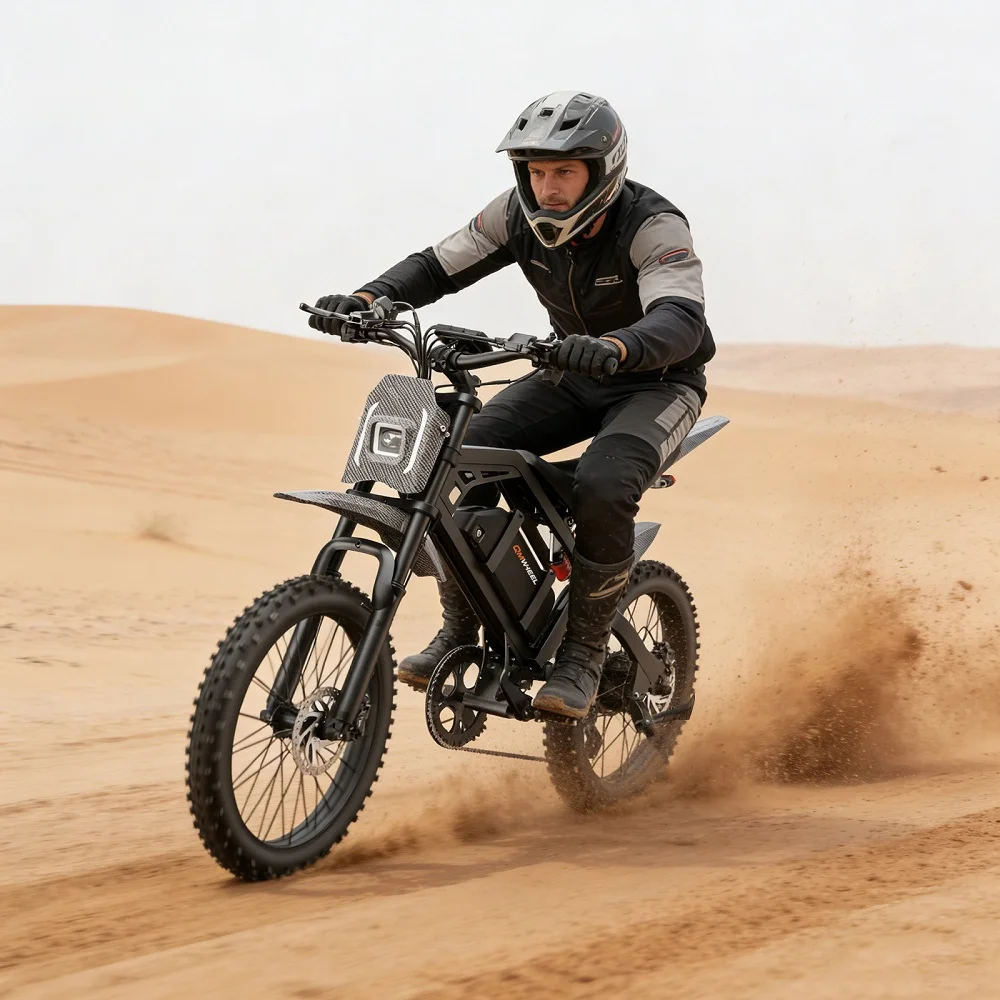
Custom Electric Fat Bike Solutions for Growing Global E Bike Brands
Built for global brands, a custom electric fat bike offers flexible design, battery and accessory options, rapid prototyping and OEM support for growth.
Read More -
 Blogs
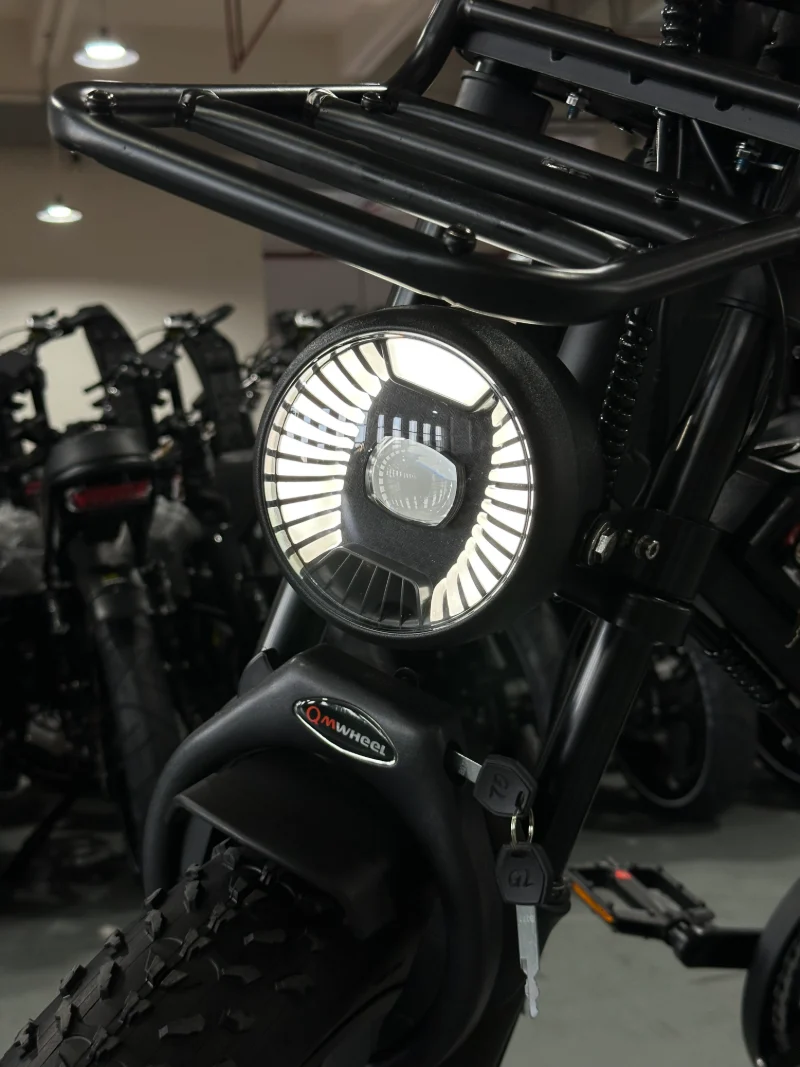
Long Range Fat Tire Ebike for OEM and ODM Outdoor Mobility Brands
QMWHEEL provides a long range fat tire ebike with flexible battery, motor and comfort options, supporting OEM and ODM brands in diverse outdoor mobility markets.
Read More -
 Blogs
Biweekly Tea Party with Smartride Supplies B.V.: Where Laughter Sparks Ideas and Ease Builds Rapport
Read More