 The best design at the most affordable price
 info@qmwheel.com
 +86 18938656121


 English
 en
 it
 es
 tr
 sv
 pt
 cs
 nl
 ru
 fr
 de
 pl
 ar


Why Removable Batteries Matter in Electric Motorcycle Design
An electric motorcycle with removable battery offers a practical advantage for riders who need greater flexibility when charging and maintaining their vehicles. Unlike conventional electric motorcycles that require the entire vehicle to be positioned near a charging outlet, a removable battery allows users to take the battery indoors or to another suitable charging location. This feature can be particularly useful for apartment residents, commuters working in buildings without dedicated charging facilities, and riders who have limited access to private parking.
Battery accessibility also influences how people integrate electric motorcycles into their daily routines. Charging convenience is not determined by battery capacity alone. The ability to remove, transport, store, and reinstall a battery can make a noticeable difference in everyday ownership. For international buyers, this practical feature is becoming an important consideration when comparing electric motorcycles for urban transportation and personal mobility.
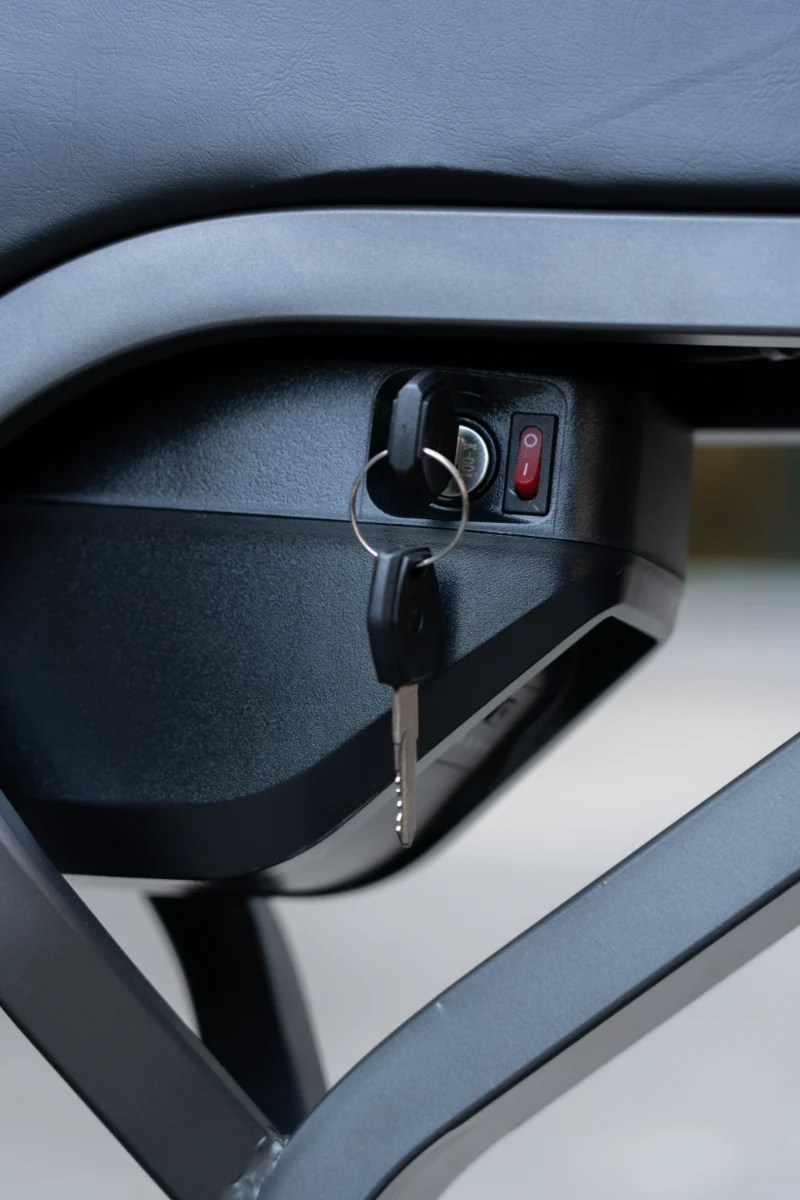
However, a removable battery needs to be more than easy to take out. Its mounting structure, electrical connections, locking mechanism, and protective housing must work together to ensure reliable operation. Convenient charging should never come at the expense of battery security, electrical protection, or riding stability.
How a Removable Battery Improves Daily Charging Flexibility
One of the main reasons riders consider a removable battery electric motorcycle is the freedom to charge the battery separately from the vehicle. This arrangement reduces dependence on fixed charging locations and makes ownership more manageable for people who cannot park close to a power outlet.
For daily commuters, the process can be relatively straightforward. After arriving at work or returning home, the rider can remove the battery and place it in an appropriate charging area. The motorcycle can remain parked while the battery is being charged, provided the vehicle is secured properly. This arrangement is especially useful in residential buildings where carrying an entire motorcycle indoors is impractical or prohibited.
Removable batteries can also offer greater flexibility when managing multiple charging locations. Riders who have suitable facilities at both home and work may choose the location that best fits their schedule. Nevertheless, battery handling should always follow the manufacturer's instructions, including guidance on charging temperature, storage conditions, and compatible chargers.
Battery Removal Design and Electrical Connection Reliability
The convenience of a removable battery depends heavily on its mechanical and electrical design. A battery that is difficult to access can make routine charging frustrating, while an unstable mounting arrangement may create unnecessary concerns during riding. Manufacturers need to consider the relationship between battery dimensions, installation direction, locking structure, and the available space within the motorcycle frame.
The battery compartment should allow users to remove and reinstall the battery without excessive force. At the same time, the locking mechanism needs to hold the battery securely during acceleration, braking, and travel over uneven roads. A well-designed mounting structure helps prevent unnecessary movement and protects the connection points from repeated mechanical stress.
Electrical contacts deserve equal attention. Repeated removal and installation place demands on the connection interface, so appropriate contact materials, alignment, and protective measures are important. Secure electrical connections help maintain consistent power delivery and reduce the possibility of poor contact caused by improper installation or component wear.
| Design Element | What Buyers Should Evaluate |
|---|---|
| Battery access | Ease of removal and installation |
| Locking mechanism | Security against accidental movement |
| Electrical contacts | Connection stability and durability |
| Battery housing | Protection against external impact |
| Charger compatibility | Correct voltage and charging requirements |
| Carrying design | Practicality during transportation |
Battery Capacity and Riding Range for Urban Transportation
Battery capacity is an important purchasing consideration, but it should always be evaluated in relation to actual riding requirements. A larger battery may provide more stored energy, yet the achievable distance depends on several factors, including vehicle weight, rider weight, motor output, speed, road conditions, and riding habits.
For people using an electric motorcycle for commuting, daily mileage is often a more useful starting point than an advertised maximum range. Riders should estimate their regular travel distance, consider possible detours, and leave sufficient energy for unexpected journeys. Frequent acceleration in congested traffic and repeated climbing can increase electricity consumption, making realistic range expectations particularly important.
A long-range electric motorcycle with removable battery combines charging flexibility with the ability to support longer daily travel, provided the battery capacity and motor configuration are appropriately matched. Buyers should also check whether replacement batteries are available and whether the manufacturer provides clear information about battery specifications and expected service requirements.
Battery Safety, Protection, and Storage Considerations
Removable battery convenience introduces additional handling requirements. Unlike permanently installed battery arrangements, removable designs require users to interact with the battery regularly. Proper protection and clear operating instructions are therefore essential parts of product quality.
Battery housing should help protect internal components from vibration, dust, and accidental external contact. Electrical insulation and appropriate protective measures are also necessary to reduce the risks associated with moisture and improper handling. Riders should avoid removing or installing a battery while the motorcycle is powered on unless the manufacturer specifically provides a safe procedure for doing so.
Charging conditions are equally important. Batteries should be charged with compatible equipment in accordance with the manufacturer's recommendations. Excessive heat, unsuitable chargers, physical damage, and improper storage can affect battery performance and safety. Users should also inspect the battery and its connectors periodically rather than waiting until charging or riding problems appear.
For distributors, battery documentation should be part of the purchasing evaluation. Information about charging requirements, transportation restrictions, storage conditions, warranty coverage, and replacement procedures helps ensure that products can be introduced and supported responsibly in different markets.
Motor Performance and Riding Comfort Work Together
An electric motorcycle is not defined by its battery alone. Motor performance, vehicle weight, tire configuration, suspension, and braking components all contribute to the overall riding experience. A suitable motor should provide acceleration appropriate for the intended application without creating excessive energy demands that undermine practical riding range.
Different riders have different expectations. Some prioritize smooth acceleration for short urban journeys, while others require stronger performance for longer routes or varied road conditions. Buyers should compare motor configurations according to local regulations and the vehicle's intended classification rather than assuming that higher output always delivers better value.
Riding comfort also influences the usefulness of an electric motorcycle. Suspension helps manage road impacts, while an appropriate seat design and riding position can reduce discomfort during repeated journeys. Tire selection affects road contact and handling, and braking components need to provide suitable control for the vehicle's weight and performance capabilities.
A balanced design considers these elements together. Battery convenience, motor efficiency, handling, and rider comfort should form a coordinated product design rather than a collection of unrelated specifications.
Removable Battery Electric Motorcycles for Different Applications
The demand for removable battery electric motorcycles comes from a variety of transportation needs. Urban commuters may prioritize easy charging and manageable vehicle dimensions, while recreational riders may pay more attention to suspension, tire configuration, and riding position. These different requirements influence how manufacturers develop product configurations for international markets.
For personal commuting, convenient battery removal can simplify charging when parking facilities are limited. For residential use, a removable design can reduce the need to move the entire vehicle to a dedicated charging point. In markets where electric motorcycles are used for frequent short-distance transportation, easy battery access can also become a useful product differentiation feature.
Retailers and distributors should identify which customer groups are most relevant to their markets before selecting products. Factors such as local road conditions, charging habits, climate, vehicle regulations, and consumer purchasing preferences can influence the most suitable configuration. A product designed for one market may require different battery capacity, motor output, or component options before it can meet the expectations of another.
What International Buyers Should Check Before Purchasing
For overseas buyers, selecting an electric motorcycle with a removable battery involves more than comparing exterior appearance and advertised range. Product quality, battery compatibility, technical documentation, and long-term parts availability all influence the overall purchasing decision.
The first step is to confirm the battery specifications and charging requirements. Buyers should understand whether the battery can be removed independently, how it is secured, and which charger is compatible with the vehicle. It is also important to clarify whether replacement batteries can be purchased separately and whether the manufacturer can provide relevant technical information.
The next consideration is product suitability for the target market. Motor output, maximum speed, lighting, braking equipment, and other vehicle features may be subject to local regulations. Importers should verify the applicable requirements before placing orders to avoid compliance problems after delivery.
| Purchasing Consideration | Questions to Ask Suppliers |
|---|---|
| Battery configuration | Is the battery removable and replaceable? |
| Charging | Which charger and charging conditions are required? |
| Battery protection | What protective features are included? |
| Motor performance | Is the configuration suitable for the target market? |
| Product compliance | What technical and regulatory documents are available? |
| Spare parts | Can batteries and electrical components be supplied separately? |
| Customization | Are branding and component options available? |
QMWHEEL Electric Motorcycle Solutions for Global Markets
QMWHEEL focuses on electric bicycles and electric motorcycles for international customers, with product designs that address practical transportation requirements. Its electric motorcycle offerings combine distinctive styling with functional components, including removable battery configurations, suspension, and hydraulic braking options depending on the selected product.
For buyers exploring an electric motorcycle with removable battery, battery accessibility is an important part of evaluating overall product usability. The ability to remove a battery for separate charging can offer greater flexibility for customers who do not have convenient vehicle charging facilities. Meanwhile, appropriate battery mounting and electrical connections remain essential considerations for reliable everyday operation.
QMWHEEL also supports OEM and ODM customization for overseas distributors and business partners. Customization discussions can cover product appearance, branding, packaging, battery configurations, and selected component options. This provides retailers with opportunities to develop product offerings that better reflect their target customers and regional market requirements.
Before confirming a purchasing arrangement, buyers should discuss the intended application, battery specifications, charging requirements, product documentation, and after-sales support. A clear understanding of these details helps establish realistic product expectations and supports more effective cooperation between suppliers and international distributors.
FAQ About Electric Motorcycles with Removable Batteries
What is the main advantage of an electric motorcycle with a removable battery?
The primary advantage is charging flexibility. Riders can remove the battery and charge it in a suitable location without moving the entire motorcycle. This can be particularly useful for apartment residents and people without convenient access to dedicated vehicle charging facilities.
Can a removable electric motorcycle battery be charged indoors?
In many cases, yes, provided the battery is designed for removal and the charging location meets the manufacturer's safety recommendations. Users should always use a compatible charger, avoid unsuitable temperatures, and follow the specified charging and storage instructions.
Does a removable battery affect electric motorcycle range?
The removable design itself does not determine riding range. Range is influenced mainly by battery capacity, motor efficiency, vehicle weight, riding speed, terrain, and operating conditions. Buyers should compare these factors when evaluating different electric motorcycles.
How should buyers evaluate removable battery quality?
Important considerations include battery housing protection, mounting stability, locking mechanisms, electrical contact quality, charger compatibility, and replacement availability. Technical documentation and warranty conditions should also be reviewed before purchasing.
Are removable batteries suitable for daily commuting?
Yes. They can be particularly convenient for riders who need to charge their batteries away from parking areas. However, battery weight, removal procedures, charging access, and secure storage should all be considered when choosing a vehicle for everyday use.
What should distributors consider when sourcing electric motorcycles?
Distributors should evaluate battery specifications, motor configurations, product compliance, customization options, spare parts availability, and after-sales support. Understanding the charging habits and regulations of the target market is also important when selecting suitable products.
Conclusion
A removable battery is more than a convenient feature; it influences how an electric motorcycle fits into everyday transportation. Easy battery access, secure mounting, reliable electrical connections, appropriate charging arrangements, and practical riding performance all contribute to a better ownership experience.
For international buyers, the right product should balance battery convenience with motor performance, safety, durability, and market suitability. With its electric motorcycle offerings and OEM/ODM customization capabilities, QMWHEEL provides options for distributors and retailers seeking practical electric mobility products for different customer requirements.


-
 Blogs
High Performance Electric Motorcycle OEM Options for Global Brands
QMWHEEL supports high performance electric motorcycle development with tailored design, component selection, branding, and OEM/ODM solutions for global brands.
Read More -
 Blogs
Durable Electric Bike for Adults Seeking Comfort on Long Daily Rides
Durable electric bike designs combine wide tires, suspension, strong braking, and practical battery options for comfortable, stable commuting across varied roads and longer daily rides.
Read More -
 Blogs
Electric Bicycle Manufacturer Options for Brand-Specific E-Bike Builds
QMWHEEL is an electric bicycle manufacturer offering OEM and ODM customization, flexible component selection, rapid sampling, private labeling, and global support.
Read More -
 Blogs
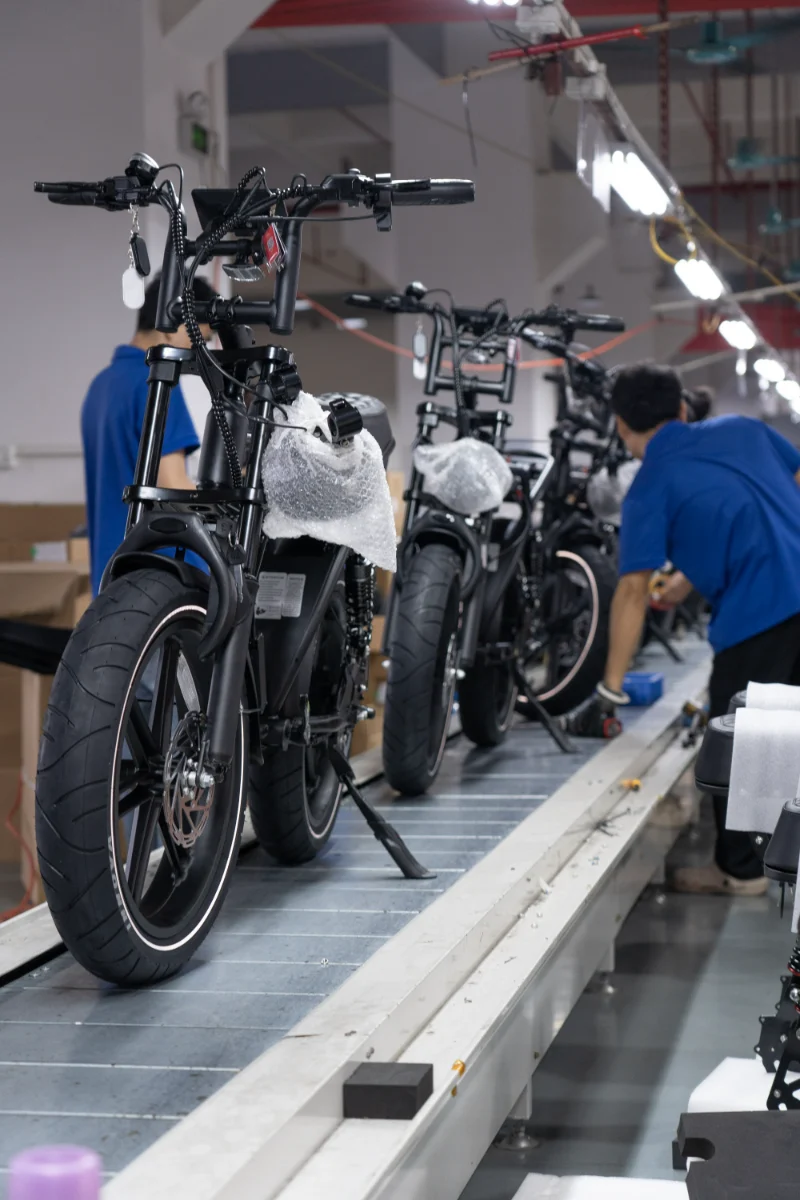
Off Road Fat Tire Bike OEM Design for Different Market Demands
QMWHEEL develops off road fat tire bike solutions with market-specific customization, OEM support, flexible components, testing, branding, and global delivery.
Read More -
 Blogs
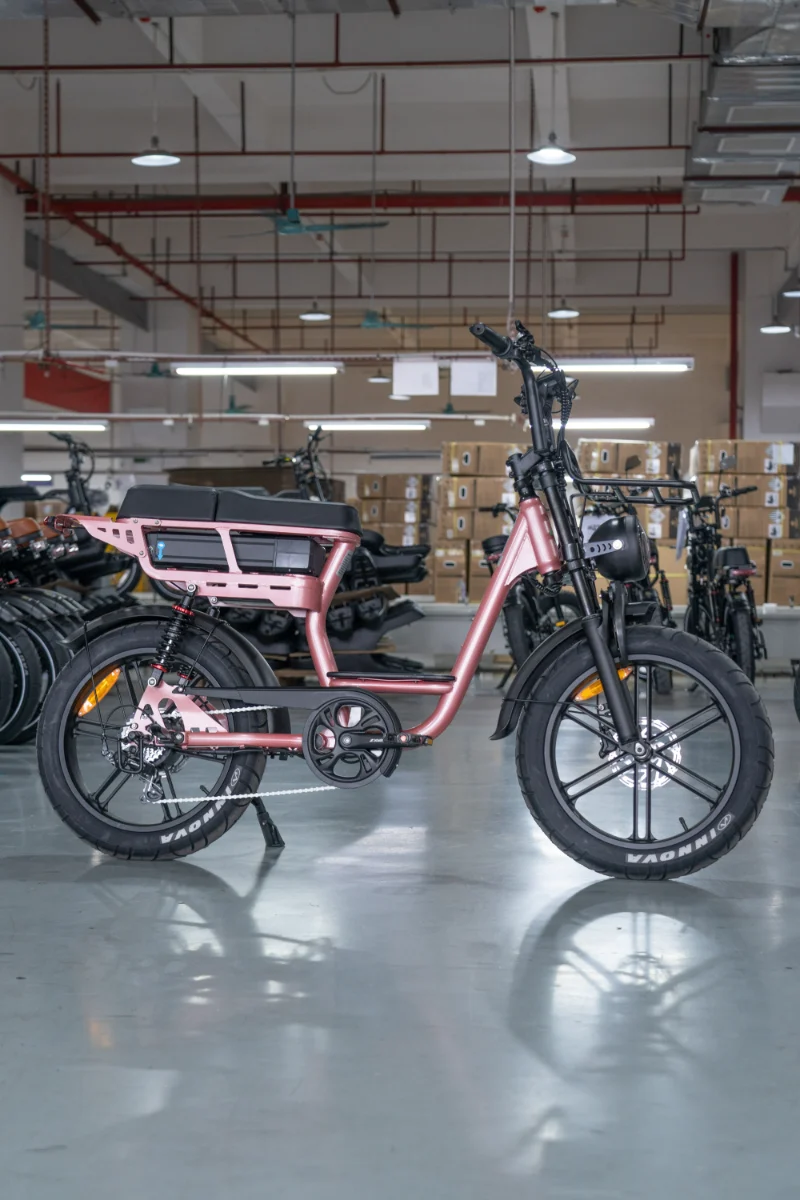
Why a Fat Tire Electric Bike for Women Handles Rough City Roads
QMWHEEL’s fat tire electric bike for women combines wide tires, rear suspension, hydraulic brakes, and flexible seating for confident urban commuting.
Read More -
 Blogs
OEM Electric Motorcycle Solutions for High-Demand Urban Travel
QMWHEEL offers OEM electric motorcycle solutions with flexible customization, practical performance, and global support for brands targeting urban mobility.
Read More