 The best design at the most affordable price
  info@qmwheel.com
  +86 18938656121


 English
  en
en  it
it  es
es  tr
tr  sv
sv  pt
pt  cs
cs  nl
nl  ru
ru  fr
fr  de
de  pl
pl  ar
ar 

Why Loose Terrain Changes the Riding Experience
Loose terrain can quickly expose the limitations of a conventional electric bicycle. Gravel, sand, dirt paths, wet road edges, and uneven trails do not provide the same predictable contact as smooth pavement. When the surface shifts beneath the wheels, riders need more than motor power to maintain a controlled and comfortable ride. Tire contact, weight distribution, suspension response, braking control, and frame balance all influence how confidently an electric bicycle handles changing ground conditions.
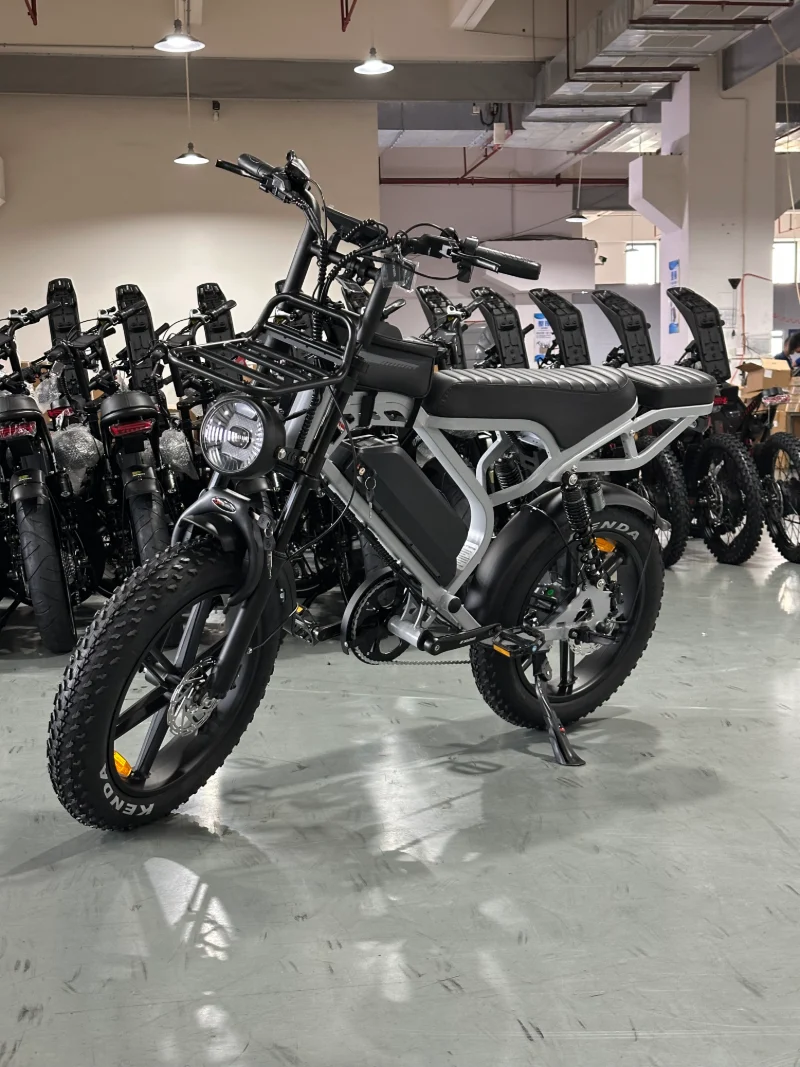
An all terrain fat tire electric bike is designed around this challenge. Its wider tires create a broader contact area with the ground, helping distribute rider and bicycle weight more effectively. This can improve stability when passing over loose stones, soft surfaces, or irregular terrain. QMWHEEL combines wide-tire construction with suspension, responsive braking, electric assistance, and practical battery configurations to support riding across a wider range of surfaces.
How Fat Tires Improve Grip on Loose Surfaces
The most important advantage of fat tires is their ability to maintain a larger and more consistent contact patch. On gravel, individual stones can move underneath the tire, while sand can allow a narrow tire to sink more easily. A wider tire helps spread the load over a greater area, reducing the tendency for the wheel to lose contact suddenly as the surface changes.
For this reason, a fat tire electric bike for loose terrain is not simply a bicycle with oversized wheels. Tire width works together with appropriate pressure, tread design, frame geometry, suspension, and rider weight. The objective is to create predictable handling rather than relying on a single component to solve every traction problem.
Riding conditions also determine how the tire should perform. Compact dirt may require responsive steering, while loose gravel benefits from stability and controlled weight transfer. Sandy surfaces place greater emphasis on flotation and contact area. A properly configured fat-tire design provides greater tolerance when riders move between these conditions during the same journey.
The Role of Suspension in Uneven Riding
Traction is closely connected to how effectively the wheel follows the ground. When a bicycle travels across potholes, gravel, roots, or broken pavement, excessive bouncing can reduce consistent tire contact. Suspension helps absorb impacts and allows the wheels to respond more naturally to changes in surface height.
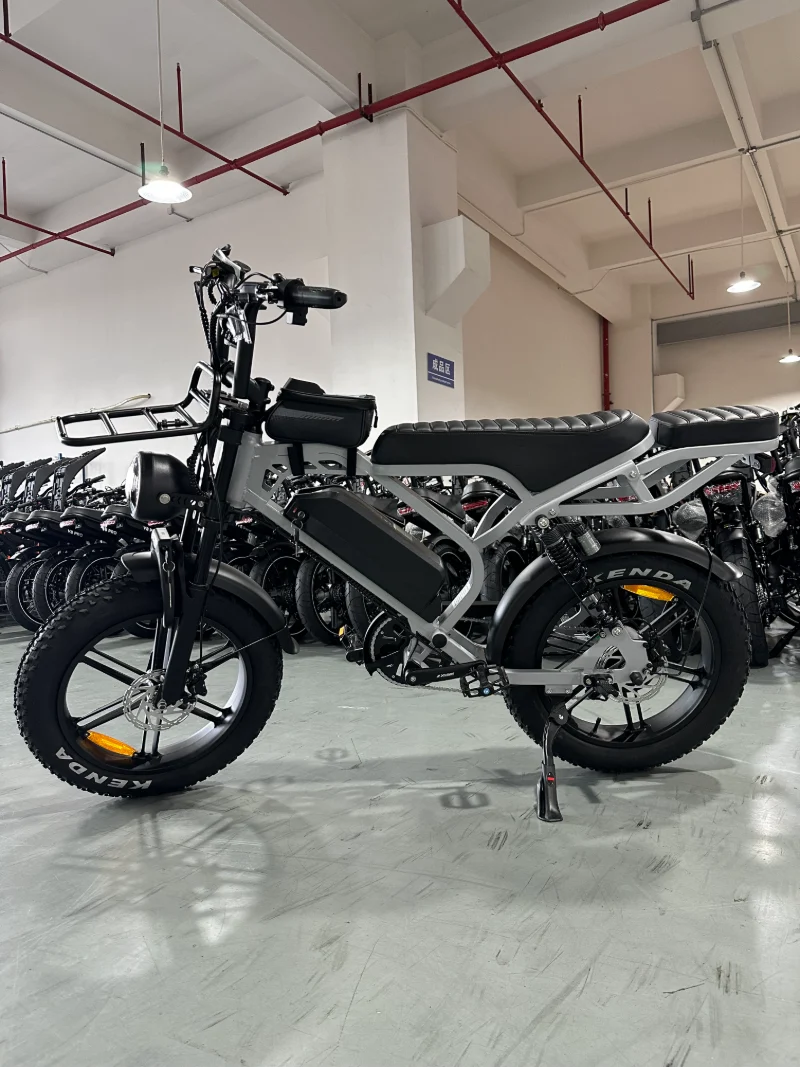
QMWHEEL's fat tire electric bicycles include models with rear or full suspension configurations, supporting smoother handling across uneven roads and outdoor paths. The benefit is not limited to comfort. Better impact absorption can help maintain more consistent wheel contact, which contributes to steering stability and rider control.
A balanced suspension setup is particularly valuable for riders who use one bicycle for both urban commuting and recreational riding. Instead of treating paved roads and outdoor trails as completely separate applications, an all-terrain design can provide a broader operating range without making every ride dependent on perfectly maintained surfaces.
Why Braking Control Matters Beyond Tire Width
Strong traction does not eliminate the need for controlled braking. Loose gravel and dirt can reduce available grip, meaning abrupt braking inputs may cause unwanted wheel movement. Hydraulic disc brakes can provide responsive control when speed needs to be reduced on changing surfaces.
For an off-road electric bike, braking performance should therefore be considered together with tire construction and suspension. A wider tire may improve contact, but the rider still needs predictable deceleration when approaching a downhill section, loose corner, or unexpected obstacle. QMWHEEL's fat-tire range incorporates hydraulic braking on several configurations, supporting controlled riding across varied environments.
This integrated approach is important for distributors and brands selecting electric bicycles for different markets. Buyers increasingly look beyond motor output and battery capacity. They also evaluate whether the complete bicycle can deliver stable handling when road conditions are less predictable.
Matching Fat Tire E-Bikes to Different Riding Conditions
Different surfaces create different traction challenges, so an all-terrain bicycle should provide versatility rather than focus on a single environment.
| Riding Surface | Primary Challenge | Fat Tire Advantage |
|---|---|---|
| Gravel roads | Moving stones and vibration | Wider contact and greater stability |
| Sandy paths | Soft and sinking ground | Better load distribution |
| Dirt trails | Changing grip conditions | More forgiving handling |
| Rough pavement | Impacts and surface changes | Added tire cushioning |
| Wet road edges | Reduced available grip | Broader ground contact |
This makes a fat tire e-bike for outdoor riding suitable for customers who regularly move between urban streets, recreational paths, gravel routes, and other imperfect surfaces. It is not intended to make every terrain effortless. Instead, the design provides a wider margin of control when the riding environment becomes less predictable.
Electric Assistance Makes Mixed-Terrain Riding More Practical
Terrain affects not only traction but also the physical effort required from the rider. Loose surfaces can increase rolling resistance, while inclines and uneven paths demand additional assistance. Electric drive can help compensate for these conditions by providing controlled power when the rider needs additional support.
QMWHEEL offers multiple motor configurations across its fat-tire range, allowing different products to address different riding requirements. Higher-output options can be useful where stronger acceleration or hill assistance is required, while lower-power configurations may better suit markets focused on everyday transportation and regulated urban use.
The important consideration is balance. Motor output should work with the tire, braking, frame, battery, and intended riding environment. A well-matched all terrain electric bike should feel controllable rather than simply powerful, especially when the ground beneath the tires is loose.
Battery Capacity and Longer Outdoor Routes
Longer rides introduce another practical concern: energy availability. Riders who combine commuting with outdoor recreation may travel farther from charging points than typical city cyclists. A battery configuration that supports the intended route can reduce interruptions and make the bicycle more useful for full-day activities.
QMWHEEL provides different battery capacities across its fat-tire products, including configurations designed for longer riding distances. Some products also offer dual-battery arrangements for extended range. This gives distributors greater flexibility when selecting bicycles for markets where long-range fat tire electric bikes are in demand.
Range should always be evaluated according to riding conditions rather than treated as a fixed number. Rider weight, terrain, speed, temperature, tire pressure, and use of electric assistance can all affect actual energy consumption. A realistic product selection process therefore considers the complete use scenario.
What Buyers Should Consider Before Choosing a Fat Tire E-Bike
For overseas distributors and brands, selecting a suitable electric bicycle requires more than comparing headline specifications. The intended customer, terrain, regulations, transport requirements, and positioning of the product all influence the right configuration.
Key factors include:
Tire width and construction for loose or uneven surfaces
Suspension configuration for vibration and impact management
Brake type for controlled stopping
Motor output according to terrain and market requirements
Battery capacity according to expected riding distance
Frame and load capacity for rider and cargo requirements
Weather protection for electrical components used in variable conditions
Customization capability for regional branding and product positioning
QMWHEEL supports OEM and ODM development for distributors, brands, and fleet partners, allowing product configurations to be adapted to different market requirements. Its product range covers multiple fat-tire configurations rather than relying on one universal specification.
Why Wider-Tire E-Bikes Fit More Flexible Mobility Needs
The appeal of a fat tire electric bicycle comes from versatility. Many riders do not travel exclusively on smooth bike lanes or dedicated trails. Their routes may include paved streets, gravel shoulders, compact dirt, uneven paths, and occasional sandy sections. A bicycle that can handle these transitions with greater stability can serve more use cases without requiring separate equipment.
For international brands, this versatility also creates more opportunities for market positioning. A single platform can potentially support commuting, recreation, outdoor travel, and leisure-oriented applications, depending on its configuration and local regulations. QMWHEEL's fat-tire range is positioned for urban commuting as well as weekend rides and outdoor activities, reflecting this broader use pattern.
Ultimately, better loose-surface performance comes from the interaction of several design elements. A wider tire provides the foundation, while suspension, braking, motor assistance, battery capacity, and frame design determine how effectively that foundation translates into a controlled riding experience.
FAQ
Are fat tire electric bikes good for gravel roads?
Yes. Their wider tires provide a larger contact area and can offer greater stability on loose gravel compared with narrower tires. However, actual performance also depends on tire pressure, tread, suspension, rider weight, and riding technique.
Can an all terrain fat tire electric bike ride on sand?
Fat tires are better suited to soft surfaces because their broader footprint can distribute weight over a larger area. Tire pressure and rider technique remain important, particularly on deeper or very loose sand.
Are fat tire e-bikes suitable for daily commuting?
Yes. Many fat-tire electric bicycles are designed to combine urban commuting with outdoor riding. QMWHEEL's range includes configurations intended for everyday transportation, weekend riding, and mixed-terrain use.
Does suspension improve traction?
Suspension can help the wheels follow uneven ground more consistently by reducing the impact of bumps and surface changes. This can contribute to stability and control, particularly when riding over rough terrain.
What makes QMWHEEL suitable for overseas e-bike brands?
QMWHEEL provides OEM and ODM development support, overseas warehouse support, and electric bicycle solutions for distributors, brands, and fleet partners. Its product portfolio includes multiple fat-tire configurations for different market requirements.


-
 Blogs
Blogs
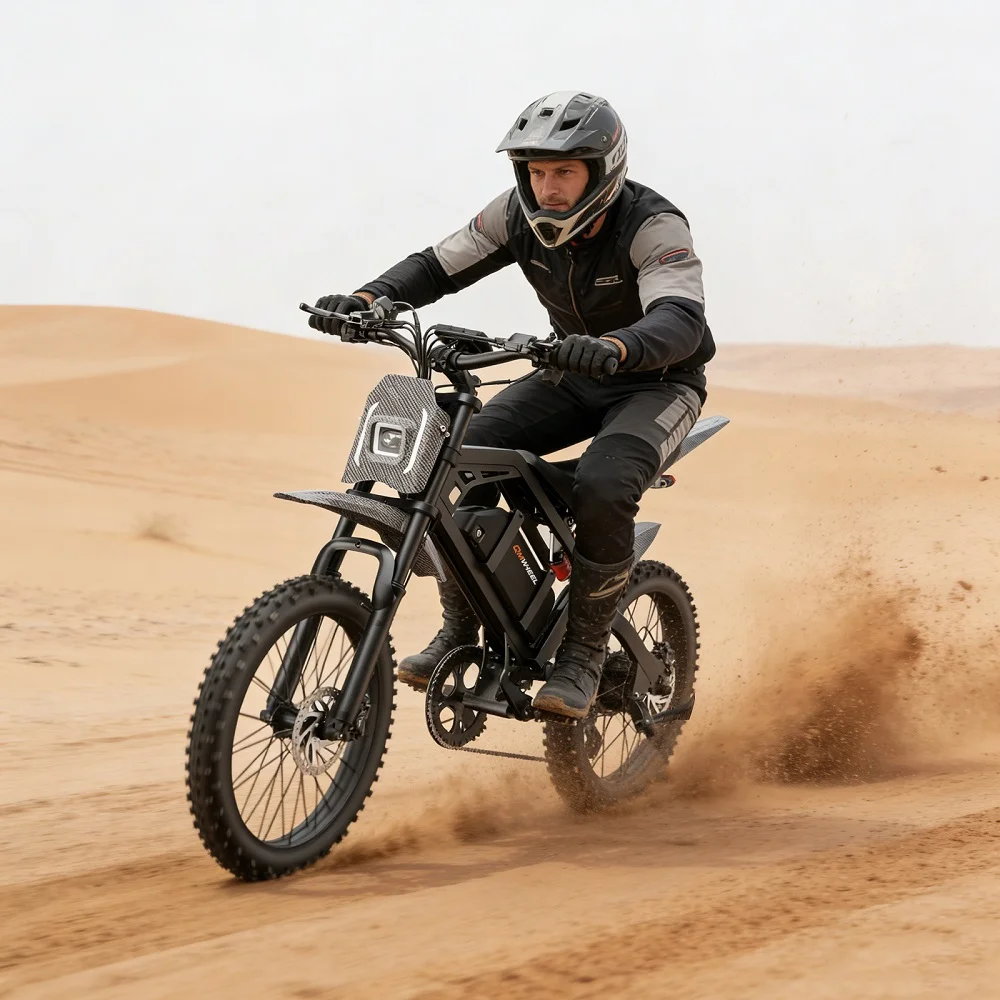
Custom Electric Fat Bike Solutions for Growing Global E Bike Brands
Built for global brands, a custom electric fat bike offers flexible design, battery and accessory options, rapid prototyping and OEM support for growth.
Read More -
 Blogs
Blogs
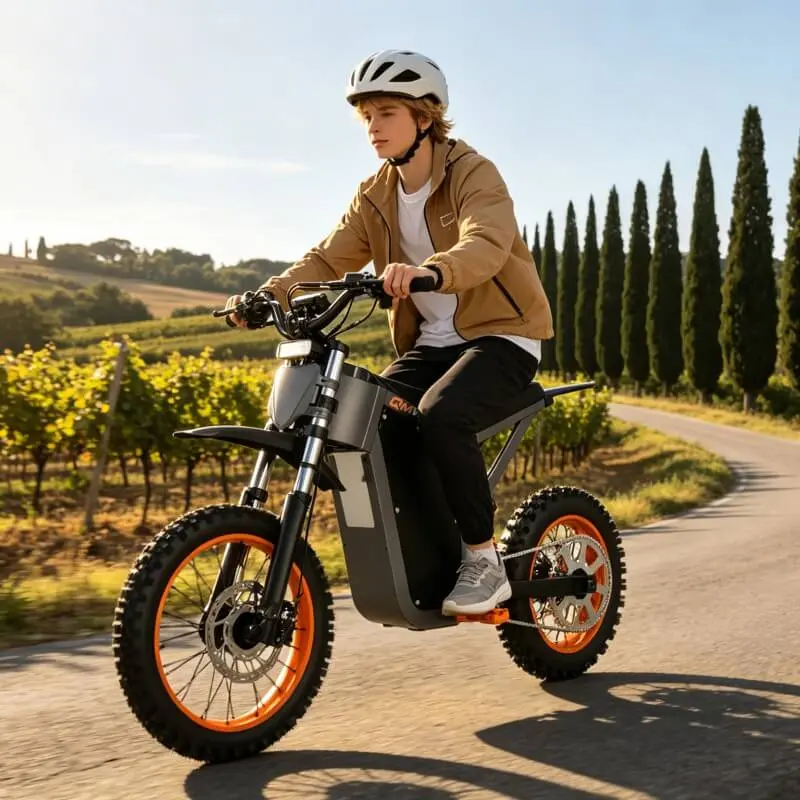
Custom Electric Motorcycle Built Around Rider Needs and Market Trends
Discover QMWHEEL custom electric motorcycle solutions with flexible designs, personalized features, and reliable manufacturing support for global mobility brands.
Read More -
 Blogs
Blogs
Durable Electric Bike for Adults Seeking Comfort on Long Daily Rides
Durable electric bike designs combine wide tires, suspension, strong braking, and practical battery options for comfortable, stable commuting across varied roads and longer daily rides.
Read More -
 Blogs
Blogs
Full Suspension All Terrain E-Bike: A Practical Guide for B2B Buyers Evaluating Off-Road Electric Bicycle Solutions
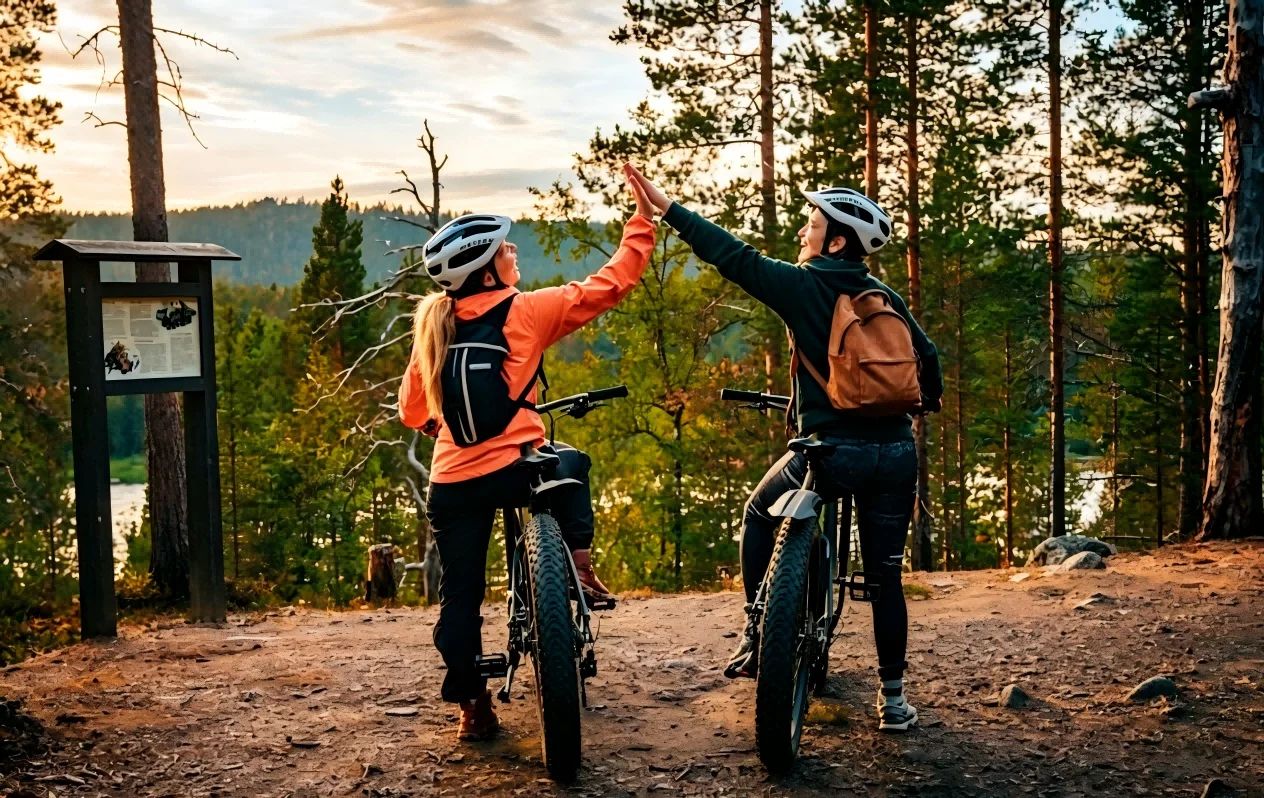
The electric bicycle market has moved beyond simple urban commuting. In recent years, riders have shown increasing interest in bicycles that can handle different environments, including mountain trails, gravel roads, forest paths, countryside routes, and uneven city roads.
Read More -
 Blogs
Blogs
QMWHEEL Team Building | Gather Strength, Move Fast, Reach New Peaks
QMWHEEL’s beach team building activity strengthens teamwork, trust and team cohesion, inspiring employees to work together, move forward and achieve new goals.
Read More -
 Blogs
Blogs
Culture Empowers, Performance Soars!
Record Growth Across All Sectors, New Goals Set for 2026 !
Read More