 The best design at the most affordable price
  info@qmwheel.com
  +86 18938656121


 English
  en
en  it
it  es
es  tr
tr  sv
sv  pt
pt  cs
cs  nl
nl  ru
ru  fr
fr  de
de  pl
pl  ar
ar 

Introduction: Why Long Range All Terrain Fat Bikes Are Becoming a Key Opportunity for E-Bike Dealers
The global electric bicycle market has continued to expand as consumers look for transportation solutions that combine daily commuting, outdoor exploration, and practical mobility. Within this growing market, fat tire electric bicycles have developed into a popular category because of their ability to handle different road conditions, provide better stability, and deliver a more comfortable riding experience compared with conventional e-bikes.
For dealers, distributors, and mobility businesses, selecting the right product category is not only about offering a visually attractive bicycle. It requires understanding customer expectations, maintenance requirements, supply chain reliability, and long-term commercial potential. This is why the long range all terrain fat bike segment has gained increasing attention among professional e-bike partners.
A long range all terrain fat bike is designed for riders who need extended riding capability combined with strong adaptability across different environments. Whether it is used for urban commuting, countryside roads, gravel trails, beach riding, mountain paths, or recreational adventures, this type of e-bike provides a balance between endurance and versatility.
For B2B buyers, this category creates opportunities because it serves multiple customer groups. Outdoor enthusiasts want reliable performance for exploration, commuters need dependable transportation for longer distances, and rental operators require durable products that can withstand frequent use. A well-designed fat tire e-bike can therefore support different sales channels and market segments.
However, the success of a fat tire e-bike business depends on more than product appearance or specifications. Dealers need a reliable partner that can provide consistent quality, stable supply, technical support, and complete after-sales solutions. In international markets, product reliability directly affects customer reviews, brand reputation, and repeat sales.
QMWHEEL Vehicle focuses on providing professional B-end solutions in the fat tire e-bike industry through strict quality management, continuous product development, overseas market experience, and localized support capabilities. With a local assembly plant in Poland, comprehensive spare parts supply, and a dealer-oriented service system, QMWHEEL Vehicle helps global partners build competitive e-bike businesses with more efficient supply chain support.
This article explains the key factors that dealers should consider when choosing a long range all terrain fat bike, including battery performance, structural durability, quality control, supplier capability, and after-sales support.
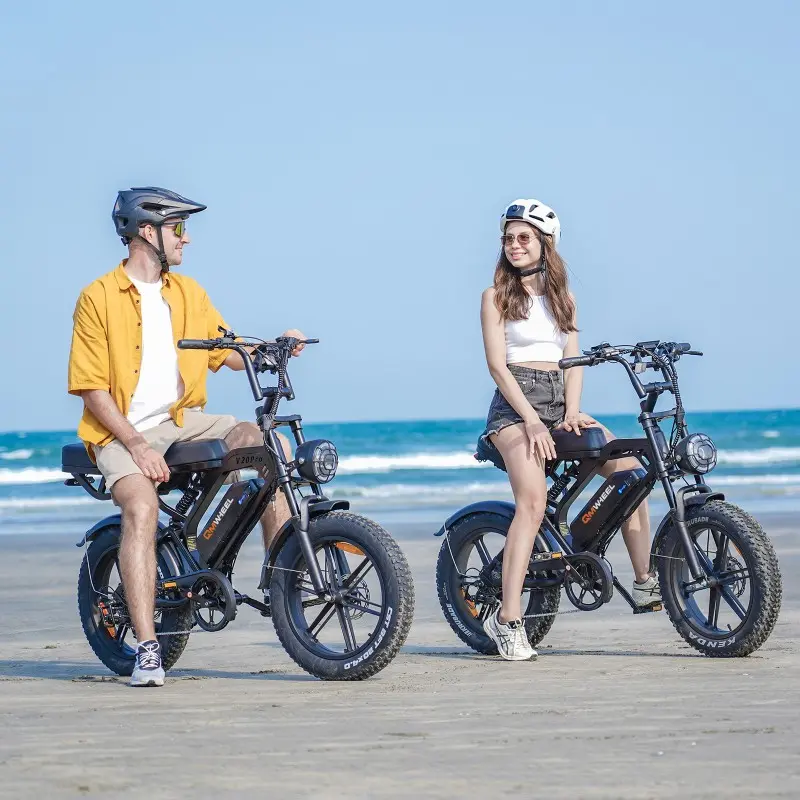
Understanding the Long Range All Terrain Fat Bike Category
Before selecting products for a market, dealers need to clearly understand what makes a fat tire electric bicycle different from traditional e-bikes.
A standard electric bicycle is usually designed for urban transportation, focusing on lightweight structure and efficient riding on paved roads. In contrast, a fat tire e-bike uses wider tires, stronger frames, and more adaptable components to provide improved stability on challenging surfaces.
The main characteristics of a long range all terrain fat bike include:
High-capacity battery systems for extended riding distance
Wide tires for improved traction and stability
Powerful motor systems suitable for different terrains
Strong frames designed for heavier loads and outdoor conditions
Comfortable riding geometry for longer journeys
These features allow riders to travel beyond traditional cycling environments. Instead of being limited to smooth city roads, riders can explore forests, trails, farmland roads, snow-covered areas, sandy environments, and uneven terrain.
For dealers, this versatility creates broader market opportunities. A single product platform can appeal to adventure riders, outdoor tourism operators, recreational users, and practical commuters.
Difference Between Regular E-Bikes and Fat Tire Electric Bicycles
One of the biggest differences between conventional electric bicycles and fat tire models is the tire design.
Fat tires typically provide:
Better Stability
The larger contact area between the tire and the ground improves balance, especially when riding on loose surfaces such as sand, gravel, mud, and snow.
Improved Comfort
Wide tires absorb more vibration from uneven roads. This reduces dependence on suspension systems and improves comfort during long-distance riding.
Stronger Terrain Adaptability
Traditional city e-bikes perform best on asphalt and bike lanes. Fat tire electric bicycles can operate in more demanding environments, making them suitable for users with diverse riding needs.
Higher Perceived Product Value
From a commercial perspective, fat tire e-bikes often attract customers because of their powerful appearance and outdoor capability. The larger frame design and rugged styling create a stronger premium product impression.
For international dealers, these characteristics can help differentiate products in competitive markets.
Why Range Performance Is Critical for Modern E-Bike Customers
Battery range has become one of the most important purchasing considerations in the electric bicycle industry.
Many consumers do not simply want an electric bicycle for short-distance transportation. They expect a product that can support weekend trips, longer commuting routes, and outdoor adventures without frequent charging.
This is where the “long range” capability becomes a key selling point.
A long range all terrain fat bike must combine several technical factors:
Battery Capacity
Battery capacity directly influences riding distance. Larger capacity batteries allow riders to travel farther before recharging.
However, battery size alone does not determine real-world performance. Dealers should also evaluate:
Battery cell quality
Battery management system (BMS)
Charging safety
Temperature resistance
Long-term cycle performance
A reliable battery system helps reduce warranty issues and improves customer confidence.
Motor Efficiency
A powerful motor is important for all-terrain riding, but efficiency is equally important.
For example, when climbing hills or riding on rough terrain, the motor needs sufficient torque to maintain smooth operation. At the same time, efficient power management helps extend battery range.
Professional e-bike suppliers should focus on matching the motor, controller, and battery system rather than simply increasing power ratings.
Riding Conditions and Real-World Range
The actual riding range depends on many factors:
Rider weight
Terrain type
Riding speed
Weather conditions
Tire pressure
Assistance level
Therefore, professional suppliers should provide realistic performance information instead of only promoting laboratory test results.
For B2B partners, transparent technical communication helps reduce customer complaints and improves market trust.
Key Product Factors Dealers Should Evaluate Before Selecting a Supplier
Choosing a supplier for fat tire electric bicycles requires a comprehensive evaluation process. A competitive product must combine performance, durability, service support, and supply chain reliability.
1. Frame Design and Structural Reliability
The frame is the foundation of every electric bicycle. For fat tire models, the frame must handle additional weight from larger tires, stronger motors, and high-capacity batteries.
Important evaluation factors include:
Frame material quality
Welding consistency
Structural design
Load capacity
Corrosion resistance
Poor frame quality can lead to safety concerns and higher after-sales costs. For dealers, reliable structural design is essential for maintaining customer satisfaction.
A professional supplier should have strict inspection procedures from raw material selection to final assembly to ensure consistent product quality.
2. Component Quality and Compatibility
A fat tire e-bike contains multiple systems working together:
Motor
Battery
Controller
Display
Brake system
Suspension components
Transmission system
Lighting system
The performance of the entire bicycle depends on the compatibility of these components.
For international markets, component availability is also important. Dealers need access to replacement parts to handle maintenance requirements efficiently.
A complete spare parts supply system can significantly reduce repair time and improve customer experience.
How Quality Control Determines the Long-Term Value of a Fat Tire E-Bike Supplier
For B2B buyers, product quality is one of the most important factors when selecting an electric bicycle partner. A supplier may offer attractive specifications, but if product consistency is unstable, dealers can face increased warranty claims, customer complaints, and unnecessary operational costs.
This is especially important in the long range all terrain fat bike category because these products are often used in demanding environments. Unlike standard commuter bicycles, fat tire e-bikes are expected to handle heavier loads, longer distances, and more challenging riding conditions.
A professional supplier needs to establish a complete quality control system covering the entire production process, from component selection to final vehicle inspection.
Incoming Material and Component Inspection
The quality of a fat tire electric bicycle begins with the quality of its individual components.
Before assembly, professional suppliers should evaluate key materials and parts, including:
Battery systems
Motor units
Electronic controllers
Frame materials
Brake components
Tire quality
Electrical connections
Component inspection helps identify potential issues before they enter the assembly process.
For example, battery performance directly affects the riding range and safety of a long range all terrain fat bike. A reliable quality management system should verify battery consistency, charging performance, and protection functions.
Similarly, frame and mechanical components require inspection to ensure they can withstand repeated use in different environments.
A complete incoming inspection process helps suppliers maintain stable product performance and reduces quality risks for dealers.
Assembly Accuracy and Production Consistency
Electric bicycles contain many mechanical and electronic systems that must work together precisely. Even high-quality components can experience performance problems if assembly standards are inconsistent.
Professional assembly processes should include inspection of:
Motor installation
Brake adjustment
Gear system alignment
Electrical wiring
Battery installation
Display and controller connection
Overall vehicle balance
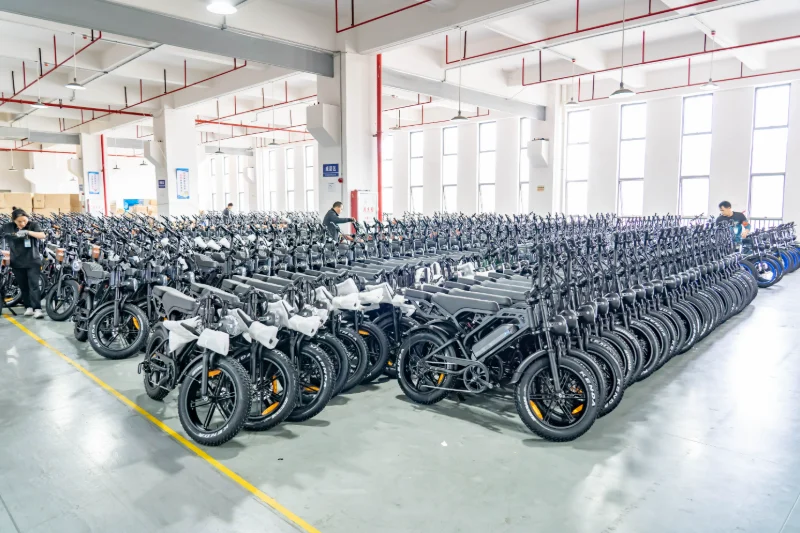
For global distributors, production consistency is particularly important because they may receive hundreds or thousands of units over time. Every shipment should maintain the same quality standard.
QMWHEEL Vehicle focuses on strict quality management throughout the assembly process to ensure every fat tire electric bicycle meets expected performance requirements before reaching overseas markets.
This approach helps partners reduce after-sales problems and build stronger relationships with end customers.
Final Vehicle Testing Before Delivery
A complete quality system should not stop after assembly. Finished electric bicycles require practical testing before shipment.
Typical final inspections include:
Electrical System Testing
Checking whether the motor, controller, battery, display, and lighting systems operate correctly.
Brake Performance Testing
Ensuring braking systems provide reliable control under different riding conditions.
Riding Function Testing
Verifying acceleration, assistance modes, and overall riding stability.
Safety Inspection
Checking important details such as fasteners, cables, protective covers, and mechanical connections.
For a long range all terrain fat bike, these tests are especially important because customers often expect the bicycle to perform in outdoor conditions beyond normal city riding.
A strict testing process protects the dealer's reputation and improves customer confidence.
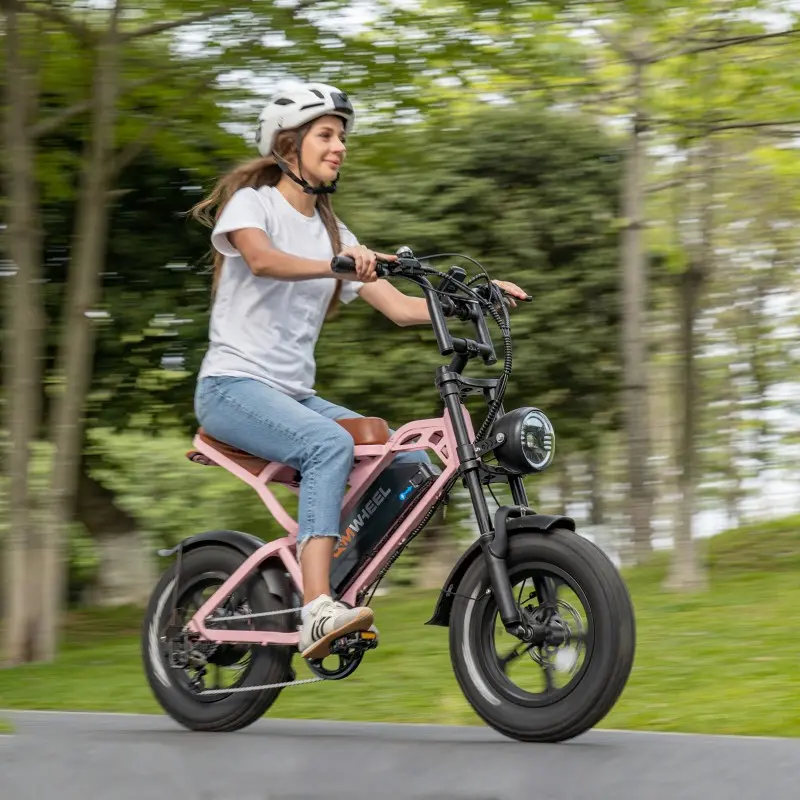
Why Spare Parts Supply Is Essential for International E-Bike Dealers
Many B2B companies focus mainly on product sales, but successful e-bike businesses require long-term service capability.
For dealers, after-sales support is not an additional service. It is a critical part of maintaining profitability.
Electric bicycles contain consumable and replaceable components, including:
Brake pads
Tires
Chargers
Battery accessories
Controllers
Displays
Suspension parts
Mechanical components
Without a stable spare parts supply chain, even small repairs can become time-consuming and expensive.
Reducing After-Sales Costs
When customers experience problems, fast maintenance solutions directly affect satisfaction.
A supplier that provides complete original spare parts support allows dealers to:
Reduce repair waiting times
Maintain customer loyalty
Improve service efficiency
Avoid unnecessary inventory pressure
For distributors operating in competitive markets, after-sales capability can become a major advantage.
Supporting Long-Term Dealer Growth
A successful supplier relationship should continue after the initial product purchase.
Dealers need support in areas such as:
Technical consultation
Spare parts replacement
Product updates
Maintenance guidance
Market feedback communication
A supplier that understands dealer challenges can provide better business support.
QMWHEEL Vehicle works closely with global partners by providing product support and spare parts solutions designed for long-term cooperation.
The Advantage of Local Assembly in Europe for Global Market Expansion
Supply chain efficiency has become increasingly important for international e-bike businesses.
For European markets, local assembly capability can provide several advantages, including:
Faster regional supply response
More efficient logistics management
Better market adaptation
Improved after-sales coordination
QMWHEEL Vehicle leverages its local assembly plant in Poland to strengthen its European market service capability.
Shorter Supply Chain Response
Traditional international supply chains may involve longer transportation cycles and complex logistics processes.
A regional assembly approach can help partners improve:
Inventory planning
Delivery flexibility
Product availability
For dealers, this means better control over stock management and reduced uncertainty.
Better Understanding of Local Market Requirements
Different markets have different expectations regarding electric bicycles.
European customers may pay attention to:
Riding comfort
Safety standards
Environmental considerations
Product durability
Design preferences
A company with overseas market experience can better understand these requirements and provide products that fit local customer needs.
Building a Competitive Product Portfolio with Long Range All Terrain Fat Bikes
For dealers, choosing the right product is only the first step. The next challenge is building an effective sales strategy.
A long range all terrain fat bike can serve multiple customer groups, making it a valuable product category for different business models.
Outdoor Recreation Market
Outdoor riding continues to grow in many regions. Customers who enjoy camping, hiking areas, and adventure activities often look for electric bicycles that can handle different environments.
Fat tire e-bikes provide:
Greater stability
Longer riding capability
Better comfort
More exploration possibilities
This creates opportunities for outdoor equipment retailers and recreational businesses.
Urban and Suburban Transportation
Although fat tire e-bikes are often associated with outdoor activities, they are also suitable for daily transportation.
Many commuters choose fat tire electric bicycles because they offer:
Comfortable riding
Strong visibility
Flexible route options
Practical carrying capability
For suburban areas where distances are longer and roads are less predictable, a long-range model can provide an effective alternative transportation solution.
Rental and Tourism Applications
Tourism operators and rental companies increasingly explore electric bicycles as part of outdoor experiences.
A durable fat tire e-bike can support:
Resort rentals
Guided tours
Adventure parks
Recreational activities
However, rental applications require strong durability and easy maintenance. This makes supplier quality control and spare parts availability particularly important.
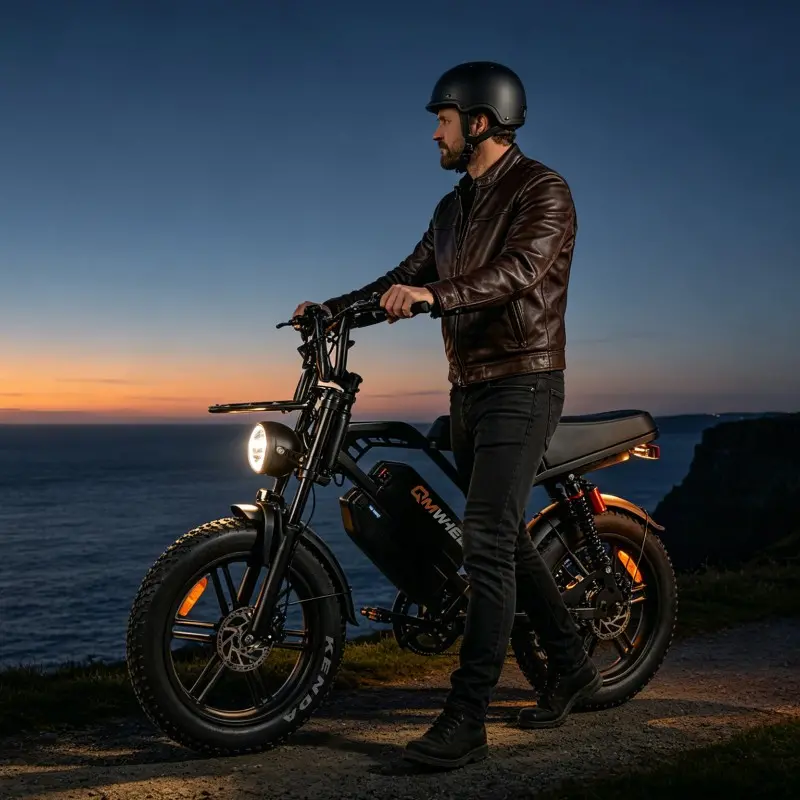
Selecting the Right Long Range All Terrain Fat Bike Partner
When evaluating suppliers, dealers should consider more than product specifications.
A reliable partner should provide:
Stable Product Quality
Consistent quality reduces operational risks and protects the dealer's market reputation.
Strong Technical Capability
Continuous product improvement and engineering capability help suppliers respond to changing customer demands.
Complete Support System
Spare parts, technical assistance, and communication efficiency are essential for long-term cooperation.
International Market Experience
Suppliers familiar with overseas markets can better understand compliance requirements, logistics challenges, and customer expectations.
Future Development Trends of Long Range All Terrain Fat Bikes
The electric bicycle market continues to evolve as consumer expectations become more advanced. Buyers are no longer only looking for basic electric assistance. They expect better riding range, improved reliability, smarter functions, and stronger adaptability.
For manufacturers, suppliers, and dealers, understanding future trends is important for building competitive product strategies.
The long range all terrain fat bike category is positioned well because it combines several market demands: outdoor mobility, personal transportation, adventure riding, and sustainable travel.
1. Higher Battery Efficiency and Longer Riding Capability
Battery technology remains one of the most important development directions in the e-bike industry.
As customers travel longer distances and explore more challenging environments, the demand for higher-capacity and more efficient battery systems continues to increase.
Future improvements will focus on:
Higher energy density
Improved battery management systems
Longer service life
Faster charging capability
Better temperature adaptability
For a long range all terrain fat bike, battery performance directly influences the overall riding experience. A well-designed power system allows riders to travel farther while maintaining stable performance.
For dealers, products with reliable range performance can reduce customer concerns and create stronger sales opportunities.
2. Intelligent Control Systems and User Experience Improvements
Modern electric bicycles are becoming increasingly connected and intelligent.
Customers are paying more attention to features that improve convenience and safety, such as:
Digital displays
Intelligent riding modes
Battery monitoring systems
Mobile connectivity
Advanced controller systems
Smart technologies help riders better understand their riding status and improve overall usability.
For B2B partners, intelligent functions also create additional product value and help differentiate products in competitive markets.
However, technology should serve practical needs. A reliable electric bicycle still depends on fundamental factors such as mechanical durability, electrical stability, and riding comfort.
3. More Durable Designs for Multi-Environment Riding
One of the main advantages of fat tire electric bicycles is their ability to adapt to different riding environments.
Future products will continue improving in areas such as:
Frame strength
Suspension systems
Weather resistance
Component durability
Ergonomic design
A successful long range all terrain fat bike should not only provide impressive specifications but also maintain stable performance after long-term use.
For dealers, durability is directly connected to customer satisfaction and repeat purchases.
A bicycle that performs reliably across different terrains creates stronger market confidence compared with products designed only for short-term appeal.
4. Growing Demand for Sustainable Personal Mobility
Environmental awareness and changing transportation habits are influencing consumer decisions worldwide.
Electric bicycles provide an alternative transportation method with advantages such as:
Lower operating costs
Reduced dependence on fuel
Flexible mobility
Easy daily use
Fat tire electric bicycles expand this opportunity by combining practical transportation with recreational value.
Many customers are looking for products that can support both everyday commuting and weekend activities. This multifunctional demand supports continued growth of the fat tire e-bike category.
For dealers, offering versatile products can help reach broader customer groups.
QMWHEEL Vehicle: Supporting Global Partners in the Fat Tire E-Bike Market
In the competitive e-bike industry, successful cooperation requires more than supplying products. Dealers need a partner that understands market challenges and provides comprehensive support throughout the business process.
QMWHEEL Vehicle focuses on serving B-end partners in the fat tire e-bike industry through product development, quality management, overseas market experience, and service support.
Professional Product Development Capability
A competitive electric bicycle requires continuous improvement.
QMWHEEL Vehicle focuses on developing fat tire electric bicycles that balance:
Riding performance
Structural reliability
User comfort
Practical functionality
Market requirements
Through continuous R&D investment and product optimization, the company works to provide solutions suitable for different international markets.
Strict Quality Management from Components to Complete Vehicles
For global dealers, product consistency is a foundation for business growth.
QMWHEEL Vehicle implements quality control throughout the product process, including:
Component selection
Core system inspection
Assembly management
Finished vehicle testing
This approach helps ensure that products delivered to partners maintain stable performance and reliability.
For customers purchasing a long range all terrain fat bike, quality is not only about specifications on paper. Real value comes from dependable operation after months or years of use.
Complete Spare Parts Support for Better Dealer Operations
After-sales service is a major consideration for international e-bike businesses.
QMWHEEL Vehicle provides comprehensive spare parts support to help partners manage maintenance requirements more efficiently.
A complete support system helps dealers:
Reduce service response time
Improve customer satisfaction
Maintain product reputation
Build long-term customer relationships
For distributors, reliable spare parts availability creates confidence when expanding sales volume.
Poland Local Assembly Capability for European Market Support
The European e-bike market has specific requirements regarding logistics efficiency, service response, and product availability.
QMWHEEL Vehicle utilizes its local assembly capability in Poland to strengthen cooperation with European partners.
This provides advantages including:
Improved regional supply flexibility
More efficient logistics coordination
Better understanding of European market needs
Stronger local service support
For dealers, supply chain efficiency is an important factor when planning inventory and expanding market coverage.
How Dealers Can Benefit from the Growing Fat Tire E-Bike Market
The increasing popularity of fat tire electric bicycles creates opportunities, but success requires the right business strategy.
Dealers can strengthen their market position by focusing on several areas.
Selecting Products Based on Target Customers
Different customer groups have different expectations.
Outdoor riders may focus on:
Range
Terrain capability
Comfort
Durability
Urban commuters may prioritize:
Reliability
Convenience
Design
Daily usability
Understanding customer needs helps dealers choose suitable product configurations.
Building Customer Trust Through Product Knowledge
Electric bicycles involve technical systems that customers may not fully understand.
Professional dealers can create advantages by providing:
Product demonstrations
Technical explanations
Maintenance guidance
Riding recommendations
A knowledgeable sales approach improves customer confidence and supports higher conversion rates.
Working with a Supplier That Provides Long-Term Support
The relationship between a dealer and supplier should be based on continuous cooperation.
A strong supplier partnership helps businesses respond to:
Market changes
Customer feedback
Product upgrades
Service requirements
Choosing a supplier with quality control, spare parts support, and international experience can reduce business risks.
Conclusion: Choosing a Reliable Partner for the Long Range All Terrain Fat Bike Market
The global demand for versatile electric bicycles continues to grow as customers seek products that combine transportation, recreation, and outdoor exploration.
The long range all terrain fat bike category provides strong market potential because it meets the needs of multiple user groups, from adventure riders to daily commuters.
However, success in this market depends on more than selling attractive products. Dealers need reliable supply partners that can provide consistent quality, technical capability, efficient logistics, and comprehensive after-sales support.
QMWHEEL Vehicle focuses on helping global partners develop competitive fat tire e-bike businesses through strict quality control, professional R&D, Poland-based local assembly capability, and complete spare parts support.
For dealers and distributors looking to expand in the electric bicycle market, selecting the right partner is a key step toward sustainable growth. A dependable product foundation combined with strong business support can help partners build customer trust and capture long-term opportunities in the global e-bike industry.


-
 Blogs
Blogs
Custom Electric Bike Manufacturer Selection Guide for Overseas Buyers
Choose an electric bike manufacturer with flexible OEM and ODM capabilities, rapid prototyping, quality control and private label support for global markets.
Read More -
 Blogs
Blogs
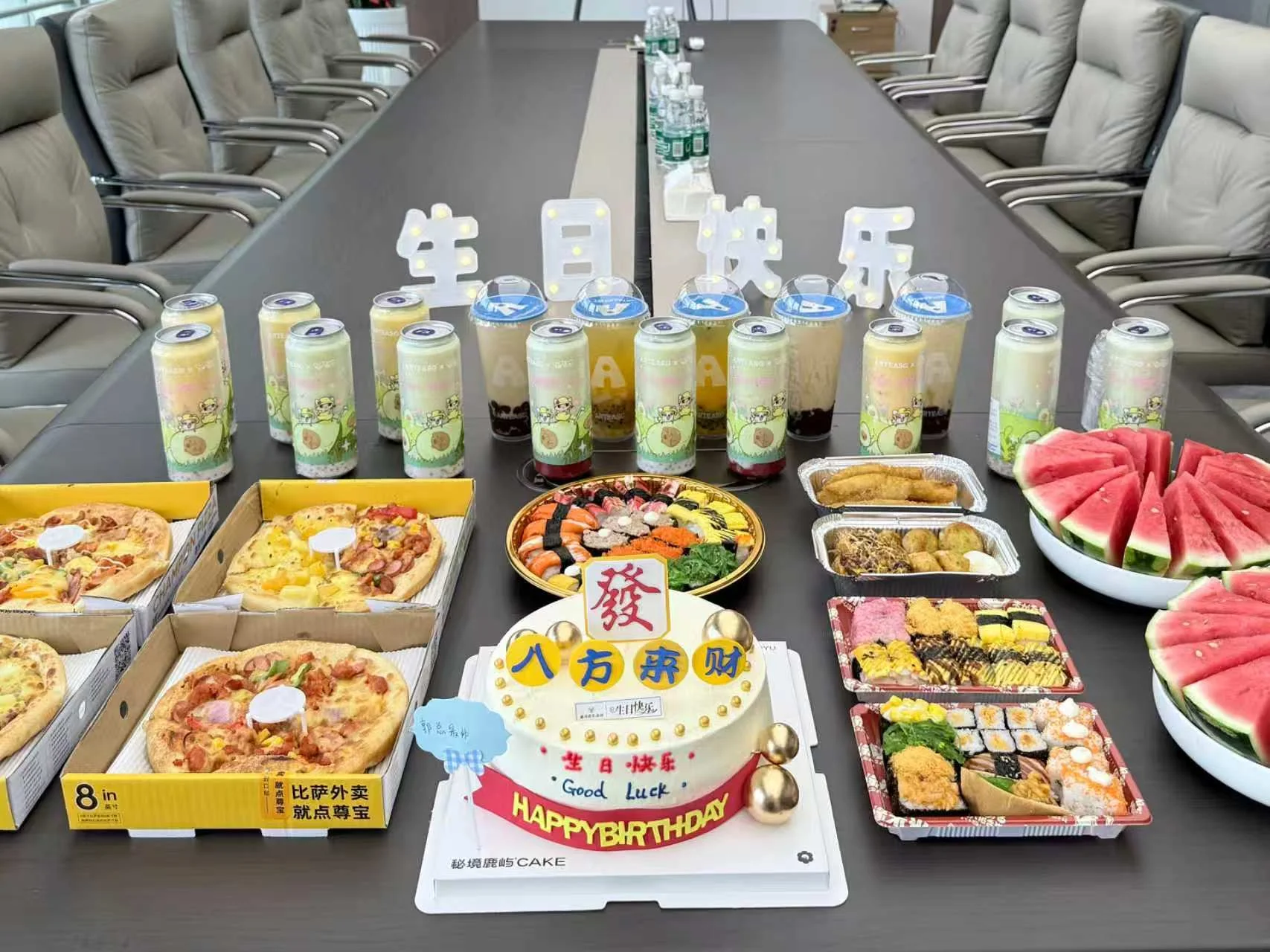
Shenzhen Qingmai Bicycle Co., Ltd. and Smartride Supplies B.V. Host Biweekly Tea Gathering
Read More -
 Blogs
Blogs
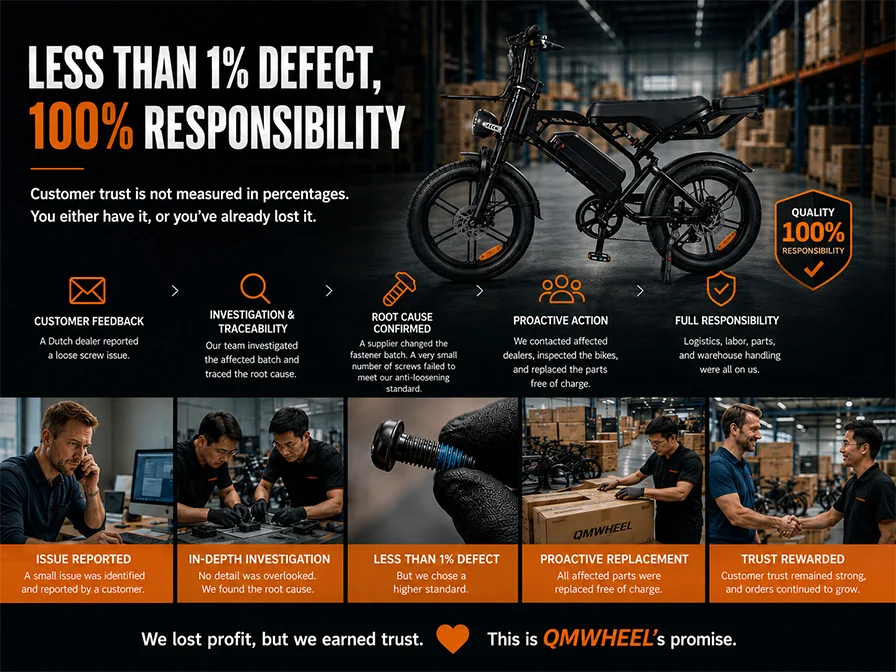
Less Than 1% Defect, 100% Responsibility
Read More -
 Blogs
Blogs
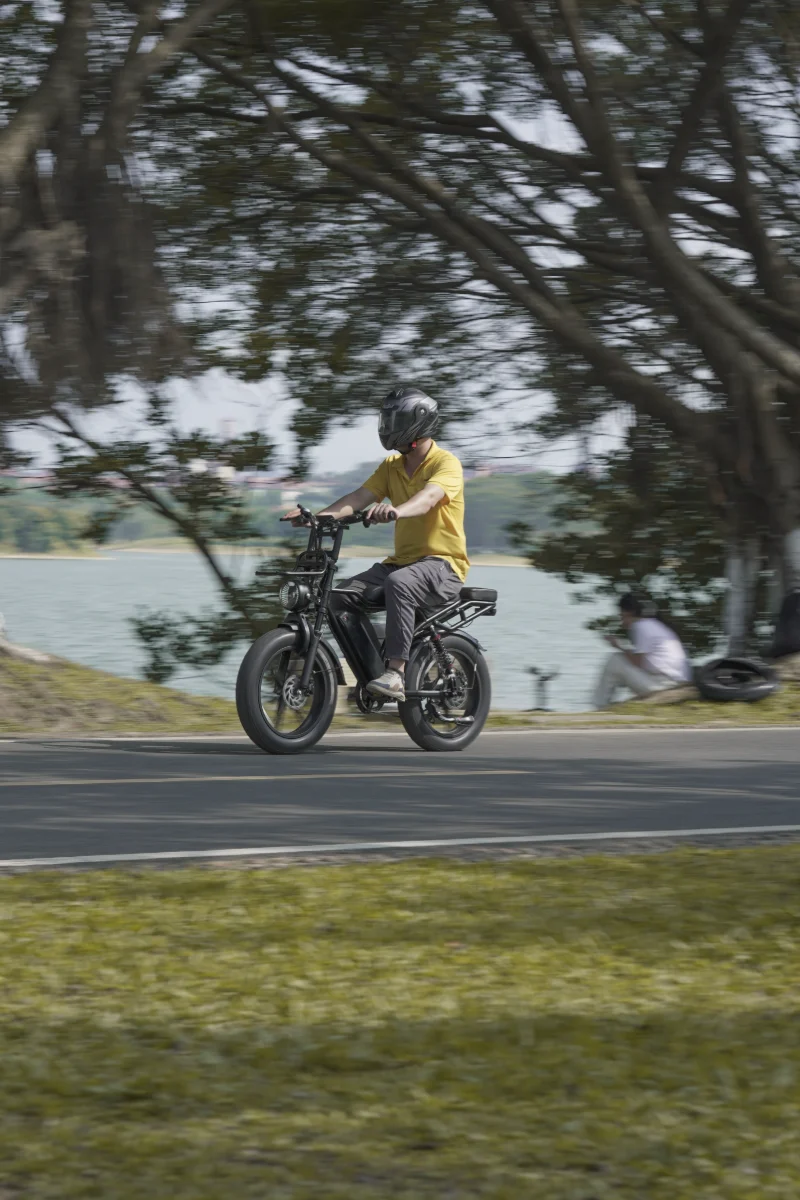
Fat Tire Electric Bicycles With Wide Tires for Better Grip on Loose Surfaces
Fat tire electric bicycles offer improved traction, comfort, and stability on gravel, sand, dirt, and uneven roads, making mixed-terrain riding more versatile.
Read More -
 Blogs
Blogs
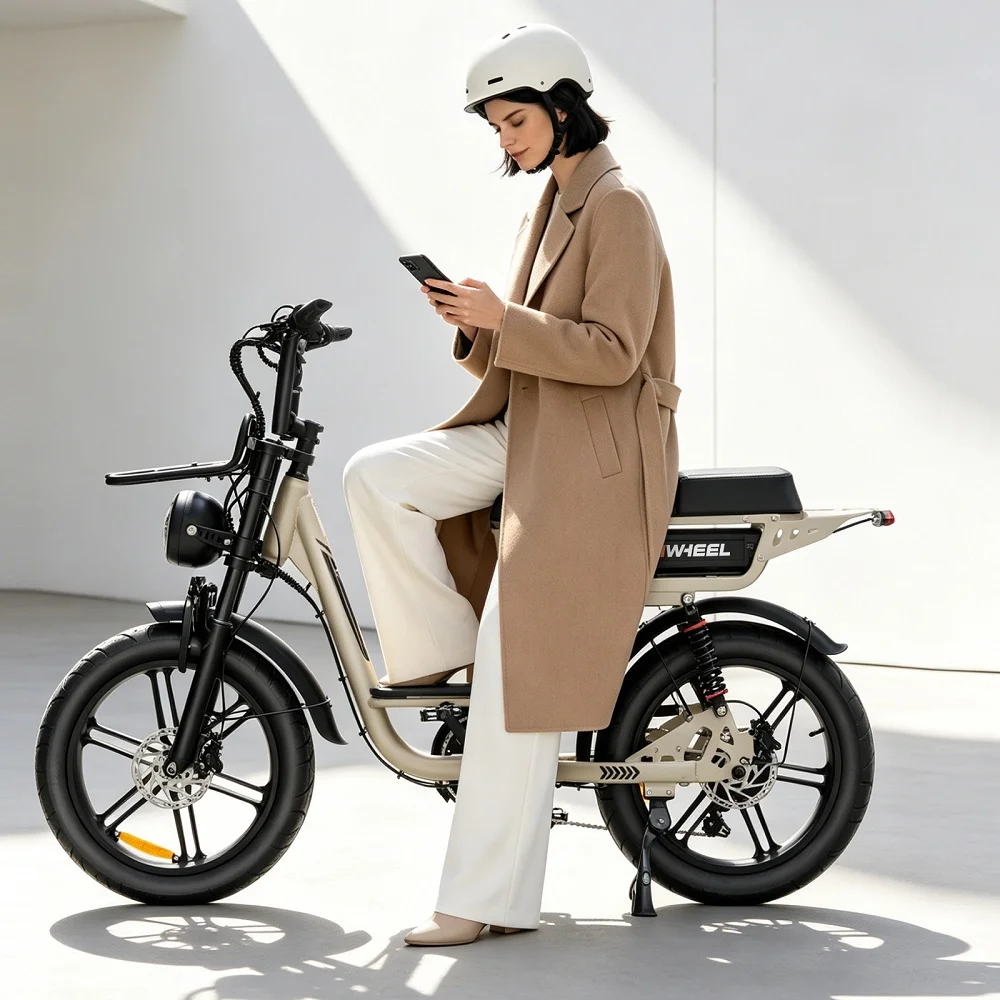
OEM Electric Motorcycle Solutions for High-Demand Urban Travel
QMWHEEL offers OEM electric motorcycle solutions with flexible customization, practical performance, and global support for brands targeting urban mobility.
Read More -
 Blogs
Blogs
Why Step Through Commuter E-Bikes for Women Are Becoming a Key Product Category for Global Bicycle Dealers
The global electric bicycle market is experiencing a significant shift as more consumers look for practical, comfortable, and reliable transportation solutions for daily commuting.
Read More