 The best design at the most affordable price
  info@qmwheel.com
  +86 18938656121


 English
  en
en  it
it  es
es  tr
tr  sv
sv  pt
pt  cs
cs  nl
nl  ru
ru  fr
fr  de
de  pl
pl  ar
ar 

Why Outdoor Travel Demands a Different Electric Bicycle
Outdoor travel places very different demands on an electric bicycle than ordinary urban commuting. Riders may move across gravel roads, forest paths, loose soil, steep sections, and uneven trails where traction, stability, and riding comfort become critical. An all terrain electric bicycle needs to combine capable power delivery with durable construction and practical control, allowing riders to travel confidently when road conditions change throughout the journey.
For overseas brands and distributors, selecting the right manufacturing partner is equally important. A recreational e-bike must not only perform well outdoors but also match local customer preferences, regulations, branding requirements, and target price levels. QMWHEEL provides OEM and ODM development support for businesses looking to build customized electric bicycles for outdoor travel, recreational riding, rental operations, and other demanding applications.
What Makes an All Terrain Electric Bicycle Suitable for Outdoor Travel
Outdoor riding is rarely limited to one type of surface. A bicycle designed for pavement may struggle when it encounters mud, gravel, sand, or steep terrain. An all terrain design therefore needs to consider the relationship between tire traction, ground clearance, braking control, frame strength, suspension performance, and motor assistance rather than focusing on one specification alone.
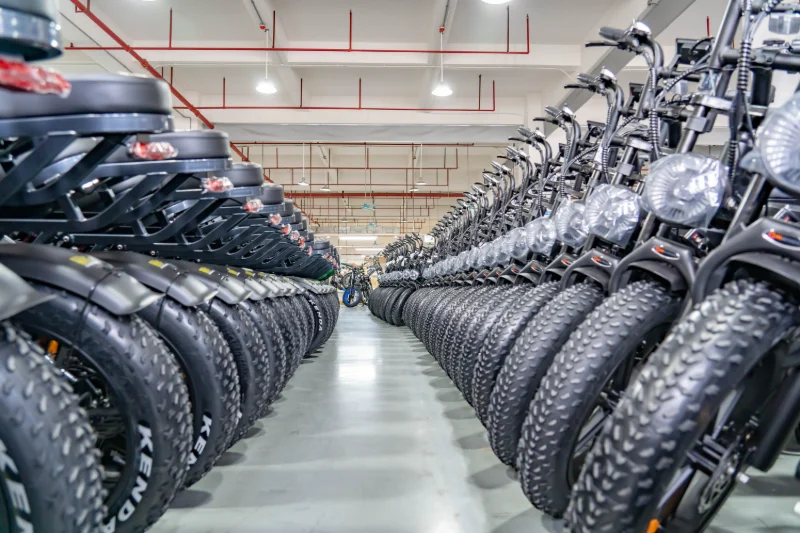
Fat tires are particularly valuable when riders frequently encounter loose or irregular surfaces. Their larger contact area can improve traction and help absorb minor impacts from gravel and uneven ground. When combined with an appropriate frame structure and suspension arrangement, a fat tire electric bicycle for off road riding can provide a more controlled and comfortable experience across changing outdoor conditions.
Battery configuration is another important consideration for long-distance travel. Outdoor riders may spend several hours away from charging points, making usable riding range an important purchasing factor. For OEM projects, battery capacity and placement can be customized according to the intended application, while the overall design should maintain a sensible balance between range, weight, handling, and charging convenience.
Key Design Priorities for Rough Trail Riding
A capable outdoor e-bike should be designed around how it will actually be used. Frame durability is particularly important when the bicycle regularly experiences vibration, impacts, and uneven loading. Strong structural design helps maintain stability while carrying additional equipment such as luggage, camping supplies, or outdoor accessories.
Braking performance also deserves close attention. Riders traveling downhill or across loose surfaces need predictable braking response and sufficient control. Depending on market requirements and product positioning, an OEM configuration can incorporate different braking solutions to achieve the desired balance between stopping performance, maintenance requirements, and cost.
Comfort should not be treated as a secondary feature. Long outdoor journeys expose riders to continuous vibration, especially on gravel and rough trails. Suitable suspension, ergonomic contact points, tire selection, and riding geometry can reduce fatigue and make the bicycle more suitable for long distance off road electric bike riding.
| Outdoor requirement | Important design consideration |
|---|---|
| Gravel and rocky trails | Tire traction and frame durability |
| Long outdoor journeys | Battery capacity and riding comfort |
| Loose soil and sand | Wide tires and balanced handling |
| Steep terrain | Motor assistance and braking control |
| Carrying outdoor gear | Structural strength and load support |
| Rental applications | Durable components and easy maintenance |
Customization Matters for Overseas E Bike Brands
A single configuration rarely satisfies every international market. Customer expectations can differ significantly between regions depending on terrain, climate, regulations, riding habits, and purchasing power. This makes custom electric bicycle manufacturing particularly valuable for brands that want to establish a differentiated product rather than compete only through price.
OEM customization can cover the visual identity as well as functional configuration. Brands may request specific frame colors, finishes, logos, lighting arrangements, accessories, battery options, packaging, and other details. These adjustments allow an outdoor mobility product to maintain consistent brand recognition while being adapted to the needs of a particular market.
For distributors, customization can also help create a more focused product portfolio. Instead of offering an e-bike with generic positioning, a business can develop a configuration aimed at hunting trails, camping travel, outdoor recreation, mountain riding, rental services, or utility-oriented outdoor use. Clear application positioning can make product communication more effective and help buyers understand why the bicycle is different.
OEM Development From Concept to Production
A successful OEM project requires more than changing a logo on an existing bicycle. Product development should begin with a clear understanding of the target customer, intended terrain, expected riding conditions, required functions, and local compliance requirements. These factors provide the foundation for selecting the appropriate structure and configuration.
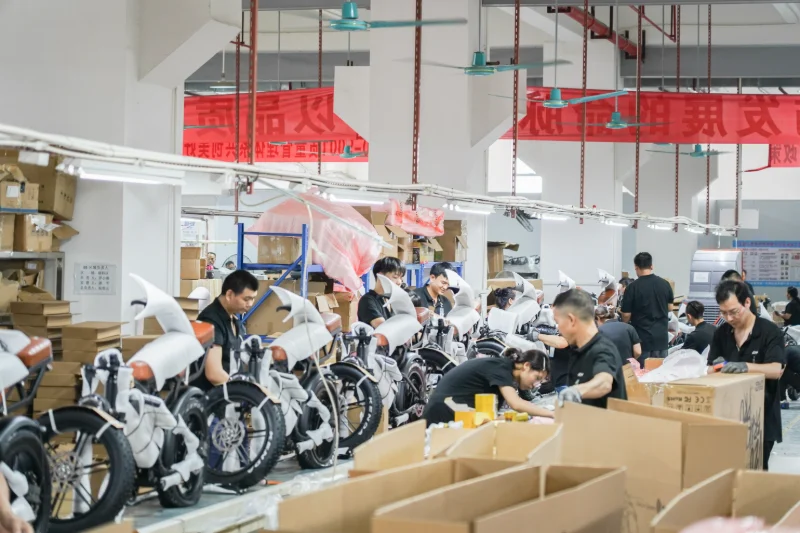
At QMWHEEL, the development process can cover requirements communication, design development, sample production, testing, confirmation, and bulk delivery. Design support can include appearance concepts, structural planning, material considerations, battery configuration, and functional customization. Three-dimensional design and sample development allow overseas buyers to evaluate the product before committing to larger production quantities.
Testing is another essential stage. Outdoor products must be evaluated for performance, safety, durability, and functional consistency before entering the market. Depending on the destination market and product configuration, certification and compliance support can also form part of the development process.
Building an Outdoor E Bike for Different Market Needs
The ideal configuration depends heavily on the intended application. A leisure-oriented product may prioritize comfort and appearance, while an outdoor rental bicycle may require greater durability and simplified maintenance. A bicycle intended for long-distance adventure travel may place greater emphasis on battery capacity, cargo solutions, lighting, and rider ergonomics.
For this reason, overseas buyers should define the application before selecting components. The following factors can help structure an OEM requirement:
Primary terrain: gravel, forest trails, sand, dirt roads, or mixed surfaces
Riding distance: short recreational trips or extended outdoor journeys
User profile: individual consumers, rental users, tourists, or professional riders
Cargo requirements: personal equipment, camping supplies, or additional accessories
Brand positioning: entry-level, recreational, premium, or specialized outdoor mobility
Target market: regional regulations, customer preferences, and certification requirements
This approach prevents unnecessary specifications from increasing cost while ensuring that the finished bicycle delivers meaningful value in its intended environment.
Why OEM Buyers Should Evaluate More Than Factory Price
For an overseas buyer, the lowest initial quotation does not necessarily represent the best purchasing decision. Sample quality, engineering support, customization capability, quality control, certification assistance, production capacity, packaging, and after-sales cooperation can all influence the actual cost of launching an e-bike product.
A manufacturer with integrated development and production capabilities can simplify communication between design and manufacturing teams. This is especially useful when a buyer needs changes to frame details, battery placement, accessories, branding, or packaging during development. A clear development process can also reduce the risk of repeated sampling and unexpected modifications before mass production.
QMWHEEL combines OEM/ODM development with large-scale manufacturing capabilities, allowing overseas businesses to develop customized electric bicycles while maintaining a consistent production process. Its service is intended for brands, distributors, wholesalers, retailers, rental businesses, and other companies seeking customized electric mobility products.
Creating a More Competitive Outdoor E Bike Portfolio
The outdoor electric bicycle market is becoming increasingly application-driven. Buyers are no longer looking only at motor assistance or battery capacity; they are also considering where the bicycle can be used, how comfortable it is over long distances, how much equipment it can carry, and whether its design fits a specific lifestyle.
For brands targeting outdoor travel, a well-designed all terrain electric bicycle can therefore become more than a general-purpose e-bike. It can be positioned as a practical mobility solution for trail exploration, camping trips, recreational tourism, gravel riding, and other outdoor activities. Combining appropriate technical configuration with strong branding gives overseas businesses greater flexibility when developing a differentiated product range.
FAQ
What is an all terrain electric bicycle?
An all terrain electric bicycle is designed to handle a wider range of surfaces than a conventional commuter e-bike. Depending on its configuration, it can be suitable for gravel, dirt roads, forest trails, loose surfaces, and other outdoor environments where additional traction and stability are required.
Can QMWHEEL customize electric bicycles for overseas brands?
Yes. QMWHEEL supports OEM and ODM electric bicycle development, including appearance, branding, battery configuration, functional accessories, packaging, and other product requirements based on the buyer's target market.
Can an outdoor e-bike be customized for different applications?
Yes. The configuration can be developed around applications such as outdoor recreation, trail riding, camping travel, tourism rental, and utility-oriented outdoor use. Defining the application first helps determine the most appropriate combination of components and functions.
What should overseas buyers consider before placing an OEM order?
Buyers should evaluate the manufacturer's development capability, sample process, quality control, certification support, production capacity, customization options, packaging capability, and communication efficiency in addition to the quoted unit price.
Does OEM development include sample testing?
A complete OEM process can include design development, sample production, testing, confirmation, and subsequent bulk manufacturing. This allows buyers to evaluate the proposed configuration before moving into larger production.


-
 Blogs
Blogs
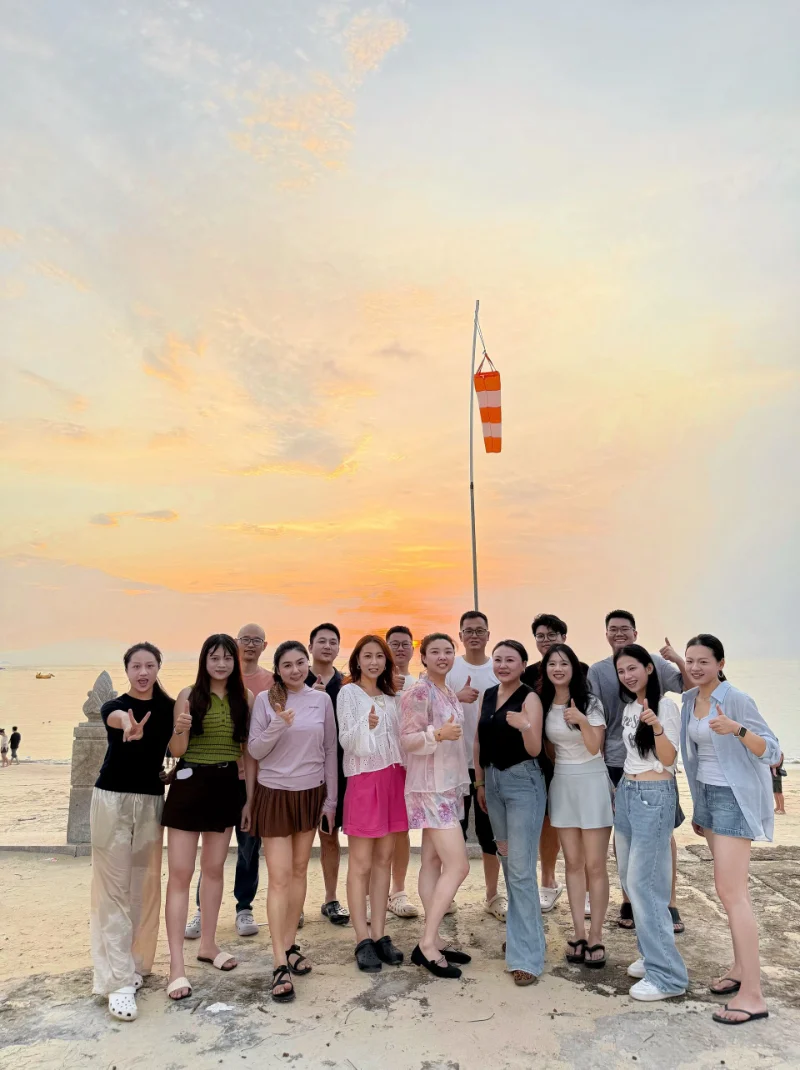
QMWHEEL Team Building | Gather Strength, Move Fast, Reach New Peaks
QMWHEEL’s beach team building activity strengthens teamwork, trust and team cohesion, inspiring employees to work together, move forward and achieve new goals.
Read More -
 Blogs
Blogs
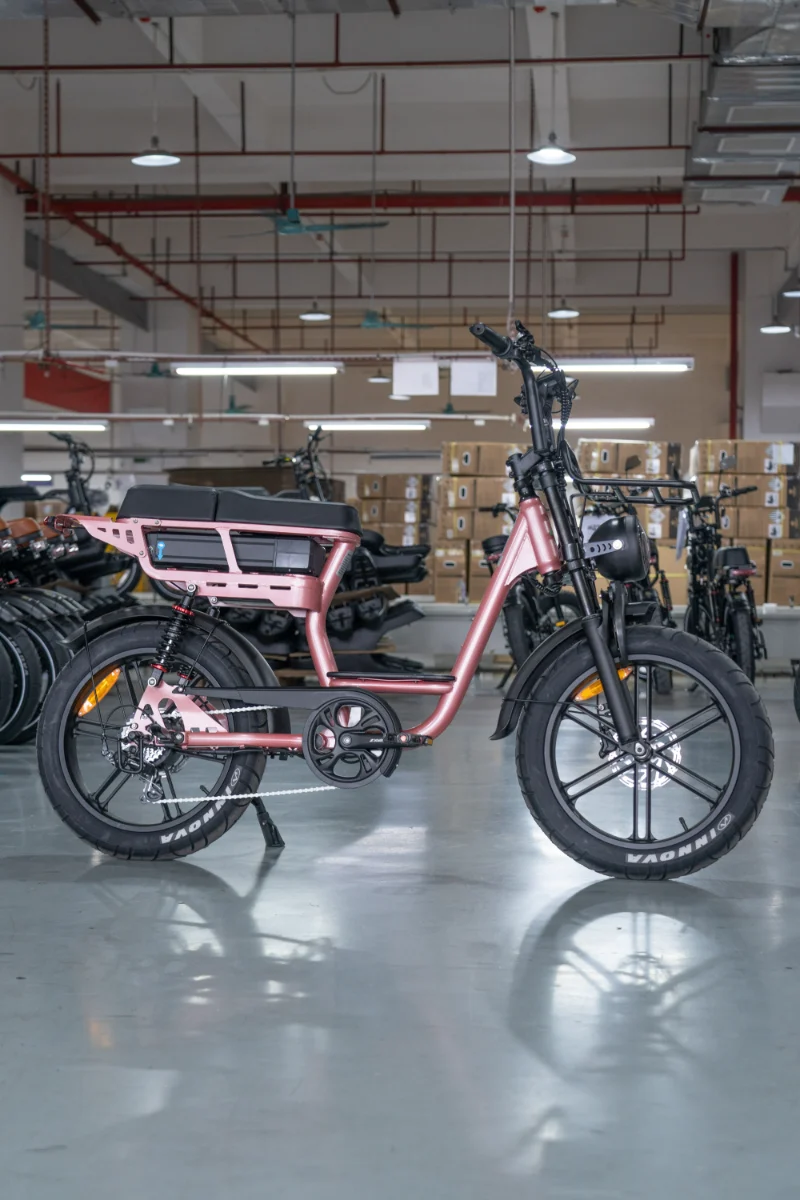
Why a Fat Tire Electric Bike for Women Handles Rough City Roads
QMWHEEL’s fat tire electric bike for women combines wide tires, rear suspension, hydraulic brakes, and flexible seating for confident urban commuting.
Read More -
 Blogs
Blogs
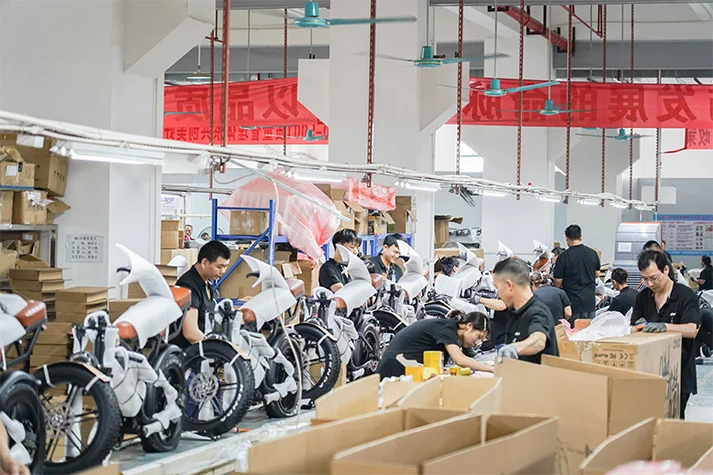
Building Competitive Advantage in the Commuter Fat Tire Electric Bike Market: A Practical Industry Perspective from QMWHEEL Vehicle
The global demand for electric mobility is no longer defined by experimentation—it is defined by operational efficiency, regulatory compliance, and total cost of ownership.
Read More -
 Blogs
Blogs
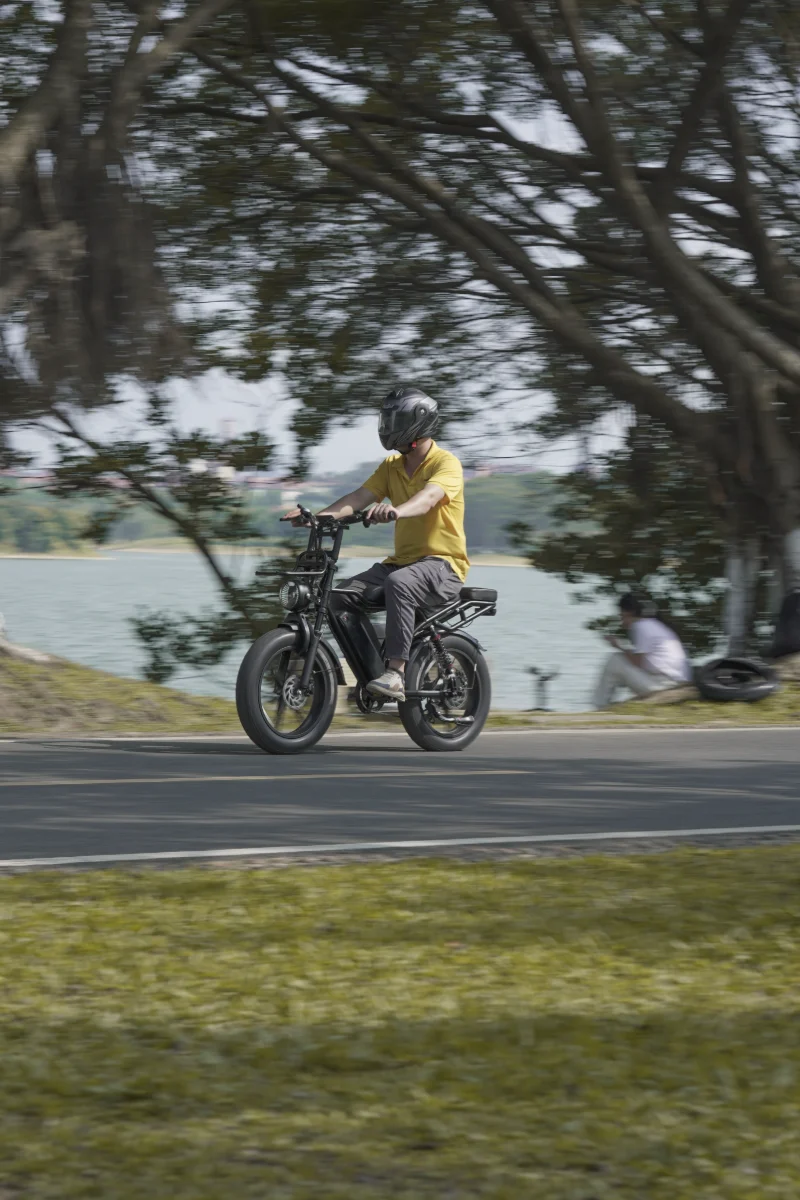
OEM Electric Motorcycle Solutions for High-Demand Urban Travel
QMWHEEL offers OEM electric motorcycle solutions with flexible customization, practical performance, and global support for brands targeting urban mobility.
Read More -
 Blogs
Blogs
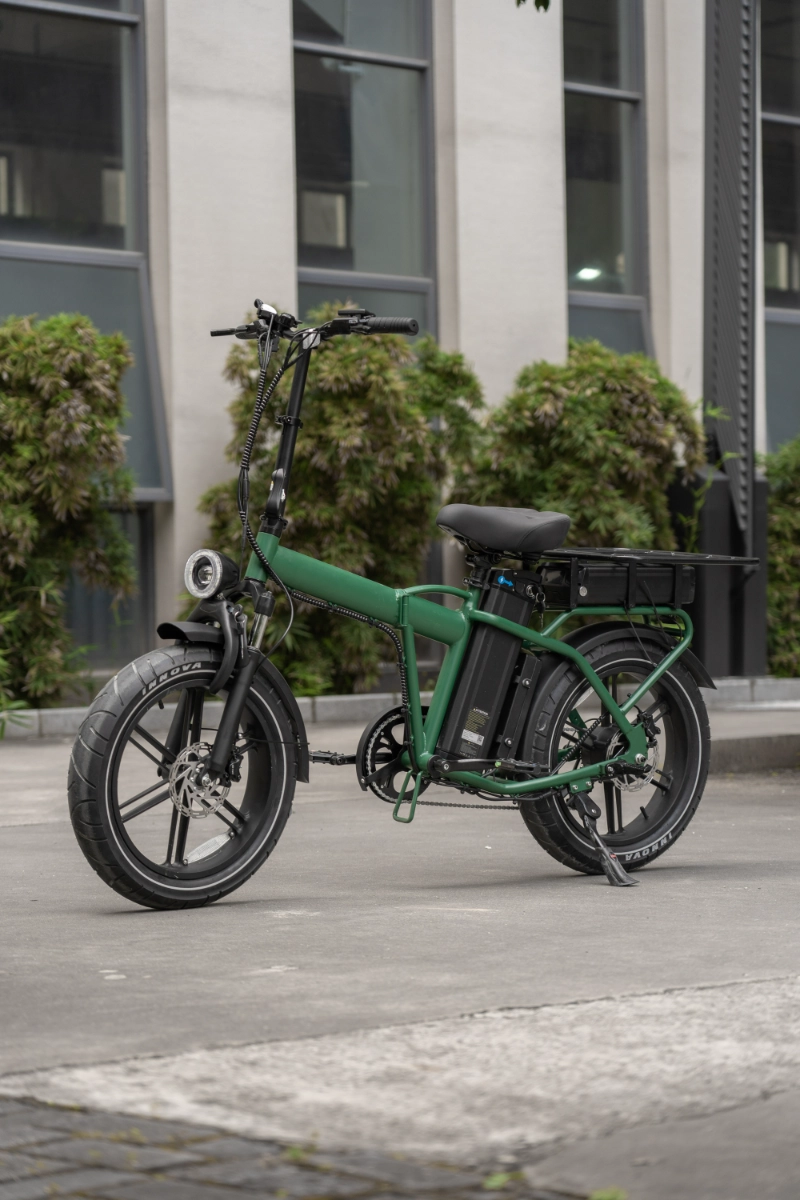
Urban Electric Bicycle Supplier for Custom Fat Tire Commuter E-Bikes
QMWHEEL provides custom urban electric bicycle solutions with fat tire designs, OEM and ODM support, and flexible configurations for global e-bike brands and distributors.
Read More -
 Blogs
Blogs
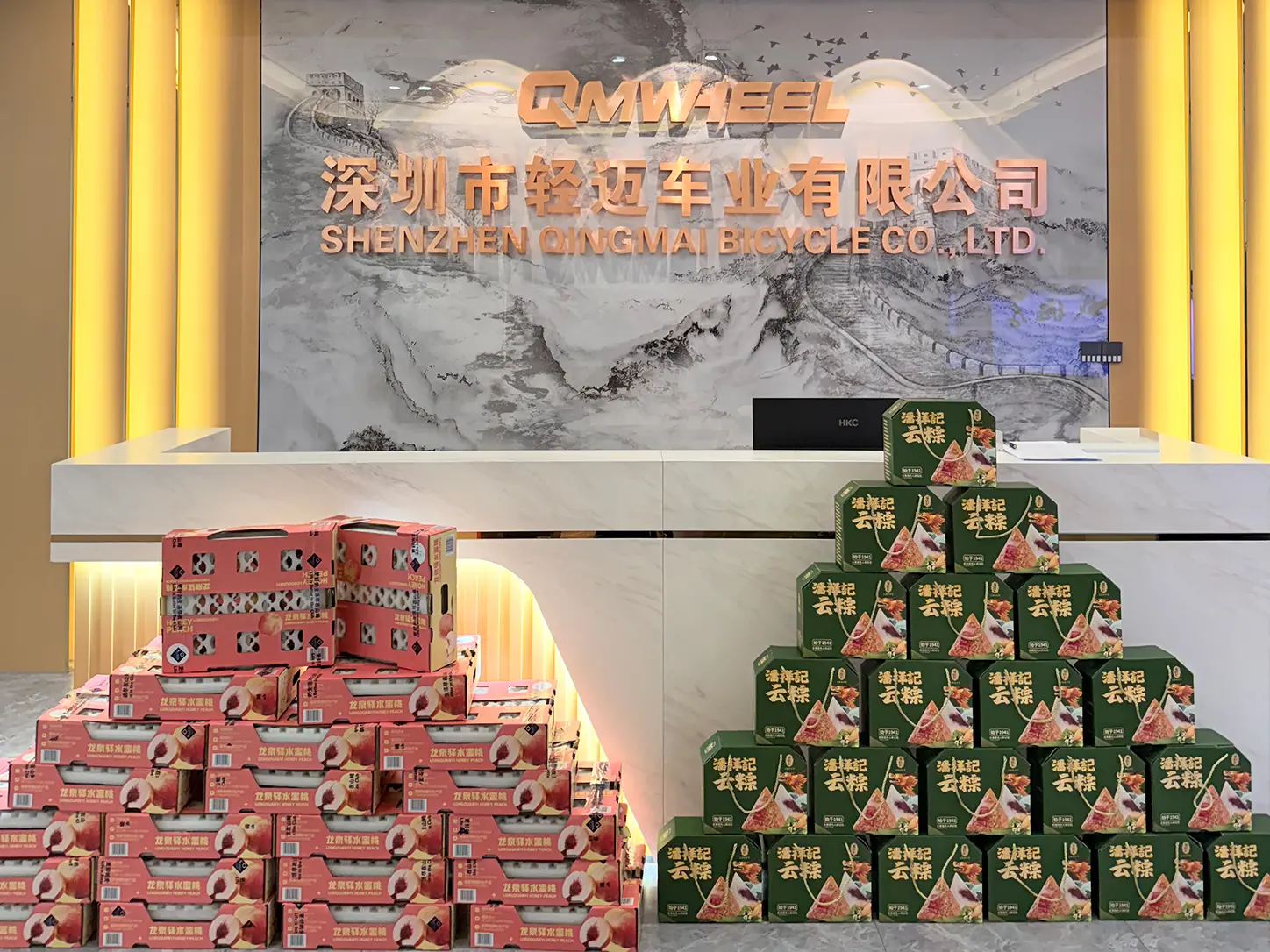
Shenzhen Qingmai Bicycle Co., Ltd. and Smartride Supplies B.V. Celebrate Dragon Boat Festival 2026
On June 17, 2026—with the Dragon Boat Festival approaching, Shenzhen Qingmai Bicycle Co., Ltd. and Smartride Supplies B.V. distributed gift boxes containing traditional zongzi (sticky rice dumplings) and fresh seasonal fruits to all employees to share the joy of the festival.
Read More