 The best design at the most affordable price
  info@qmwheel.com
  +86 18938656121


 English
  en
en  it
it  es
es  tr
tr  sv
sv  pt
pt  cs
cs  nl
nl  ru
ru  fr
fr  de
de  pl
pl  ar
ar 

Why Long Range Matters for Outdoor Mobility Brands
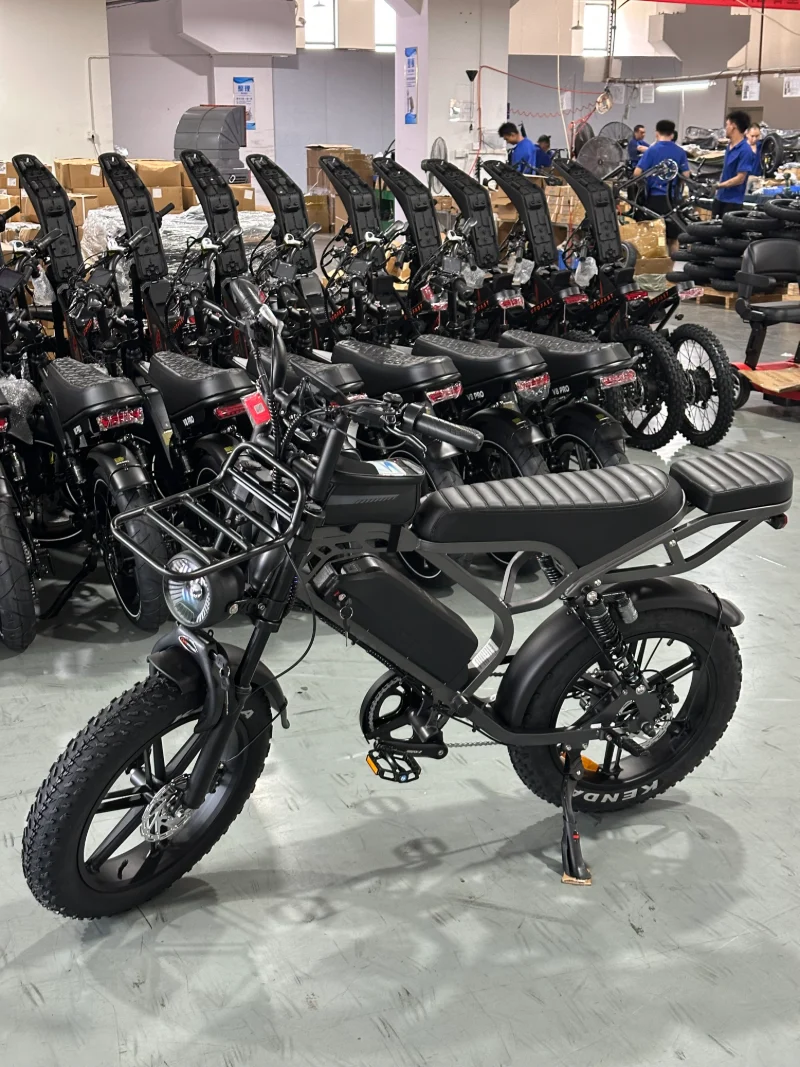
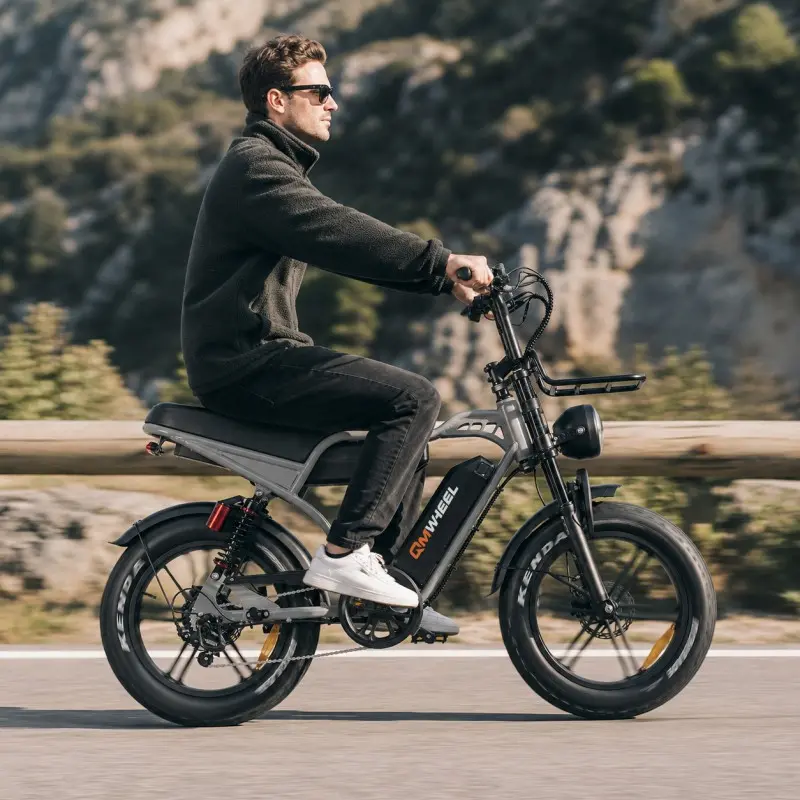
For outdoor mobility brands, range is no longer simply a specification listed on a product page. It directly affects how riders plan trips, how frequently a vehicle needs charging, and how a brand positions its electric bicycle for commuting, recreation, leisure travel, and light off-road use. A long range fat tire ebike combines extended riding capability with the traction and stability expected from a wide-tire platform, creating a versatile foundation for brands targeting different outdoor mobility needs.
QMWHEEL develops fat tire electric bicycles with configurations designed around practical riding requirements rather than a single fixed application. Depending on the configuration, the platform can support different battery capacities, motor outputs, suspension arrangements, braking options, and frame designs. This flexibility is particularly relevant to OEM and ODM customers that need to create products for specific markets while maintaining a recognizable brand identity.
What Defines a Long Range Fat Tire Ebike
A long-range electric bicycle is not created simply by installing a larger battery. Real-world range depends on the interaction between battery capacity, motor output, rider weight, terrain, tire characteristics, riding speed, temperature, and riding behavior. For this reason, outdoor mobility brands need to consider the complete vehicle architecture when developing a long-distance fat tire electric bike.
Fat tires contribute to the riding experience by providing a larger contact area with the ground. A 20-inch wide-tire configuration used across QMWHEEL's range can provide additional traction and stability on loose gravel, uneven paths, compacted dirt, and mixed urban surfaces. When paired with suspension and responsive braking, the wider tire platform can help create a more controlled ride across changing terrain.
For brands targeting extended-distance riding, removable battery designs are also valuable. They can simplify charging, storage, maintenance, and replacement while allowing product developers to offer different energy capacities within a related platform. QMWHEEL also provides dual-battery configurations for applications where extended endurance is a major purchasing consideration.
How Wide Tires Improve Outdoor Riding
The main advantage of a fat tire electric bicycle is not simply its appearance. Wide tires change the way the bicycle interacts with the riding surface. A broader footprint can provide useful traction on loose or irregular terrain, while the additional tire volume can contribute to a more forgiving ride over small bumps and surface imperfections.
This characteristic makes a long range fat tire ebike for outdoor mobility suitable for a wider variety of environments than a conventional narrow-tire commuter bicycle. Riders may move between paved roads, gravel paths, park trails, compacted surfaces, and recreational routes without requiring a completely different vehicle for every terrain type.
Suspension also plays an important role. QMWHEEL's fat tire range includes configurations with front and rear suspension, helping reduce the effect of uneven surfaces and improve rider comfort during longer journeys. Hydraulic disc brakes are also available across relevant configurations, supporting controlled deceleration when vehicle weight, speed, or terrain conditions increase.
Battery Configuration and Extended Riding Performance
For OEM and ODM brands, battery configuration should be considered from both technical and commercial perspectives. A higher-capacity battery may extend riding distance, but it can also affect vehicle weight, charging requirements, packaging, transportation, and final retail positioning. The objective is therefore to balance usable range with the overall riding experience.
QMWHEEL offers battery options including different 48V capacities, while selected configurations support dual batteries for longer endurance. This gives brands greater flexibility when developing an extended range fat tire electric bike for different market segments. A commuter-focused product may prioritize balanced weight and range, while an outdoor recreation product may place greater emphasis on endurance and carrying capability.
| Development Factor | Importance for Outdoor E-Bike Brands |
|---|---|
| Battery capacity | Determines available energy and potential riding range |
| Motor output | Influences acceleration and hill-climbing capability |
| Tire width | Supports traction and stability across mixed surfaces |
| Suspension | Improves comfort over uneven terrain |
| Hydraulic brakes | Provides controlled braking performance |
| Removable battery | Simplifies charging and replacement |
| Dual-battery option | Supports applications requiring greater endurance |
| Load capacity | Helps accommodate different rider and cargo requirements |
Choosing Motor Performance for Different Markets
Motor selection is another important part of long-range e-bike development. A higher output motor can provide stronger acceleration and improved assistance on hills, but motor power also influences energy consumption. For brands seeking a balance between performance and range, motor selection should therefore correspond with the intended riding environment rather than being treated as an isolated selling point.
QMWHEEL provides multiple motor output options across its fat tire electric bicycle range, allowing OEM and ODM customers to develop products around different performance requirements. Available configurations include 250W, 500W, 750W, and 1000W options on selected products.
This flexibility is particularly useful when developing products for different regions. Local regulations, rider expectations, terrain, and market positioning can vary significantly, so a configurable platform can reduce the need to develop an entirely new vehicle for every target market.

Comfort and Control for Longer Journeys
Long-distance riding exposes weaknesses that may not be obvious during short trips. A bicycle can feel comfortable for twenty minutes but become tiring after several hours if the frame geometry, suspension, seating position, tires, or control layout are poorly matched to the application.
For this reason, a long range fat tire ebike should be evaluated as a complete riding platform. Suspension helps manage surface impacts, wide tires support stability, and hydraulic braking provides consistent control. Practical features such as removable batteries, storage accessories, and protected wiring can further improve usability for outdoor riders.
QMWHEEL's product configurations include waterproof wiring protection, suspension, hydraulic disc brakes, storage options, and removable battery arrangements, giving brands multiple elements to combine when developing an outdoor-oriented product proposition.
OEM and ODM Flexibility for Mobility Brands
Developing a branded electric bicycle requires more than selecting an existing product and applying a logo. Outdoor mobility companies may need changes to appearance, battery configuration, motor output, accessories, packaging, or other product details to align the bicycle with their target customers.
QMWHEEL's OEM/ODM service covers product development, design optimization, supply chain integration, quality control, packaging customization, and small-batch trial orders. The company also states that its development process includes rapid prototyping and design and cost optimization support.
This approach allows a brand to treat the long range fat tire ebike as a development platform rather than a fixed catalog product. The result can be a product specification that better matches a brand's pricing strategy, riding environment, distribution model, and customer expectations.
Building a More Competitive Outdoor E-Bike Portfolio
Outdoor mobility brands often need more than one product configuration to address different customer requirements. Some riders prioritize long-distance commuting, while others are interested in weekend recreation, mixed-surface travel, or higher-capacity outdoor riding. A flexible fat tire platform makes it possible to create product variations without completely changing the underlying development concept.
Battery capacity, motor output, tire configuration, suspension, storage accessories, and appearance can all influence market positioning. Rather than adding features without a clear purpose, brands can select the combination that supports the intended use case. This creates a clearer relationship between product engineering, customer needs, and commercial positioning.
For distributors and fleet-oriented businesses, supply continuity is equally important. QMWHEEL states that it supports overseas warehouse distribution and global cooperation, while its product pages highlight support for distributors and fleet partners.
Why QMWHEEL Fits Long Range E-Bike Development
QMWHEEL combines a broad fat tire electric bicycle portfolio with OEM/ODM development capabilities, giving outdoor mobility brands access to both ready-developed platforms and customization options. The product range covers different battery configurations, motor outputs, suspension arrangements, tire formats, and practical riding features.
The company also reports international market support, overseas warehouse services, and export coverage across more than 120 destinations. Its OEM/ODM program includes R&D, supply chain integration, quality control, market certification support, flexible delivery, and customized packaging.
For brands entering or expanding in the outdoor electric mobility market, these capabilities can shorten the distance between product concept and commercial launch. Instead of treating range, traction, comfort, customization, and supply as separate concerns, an integrated development approach can bring them together within one product strategy.
FAQ
What is a long range fat tire ebike?
A long range fat tire ebike is an electric bicycle designed to provide extended riding capability while using wide tires for additional traction and stability. Its actual range depends on battery capacity, motor output, terrain, rider weight, speed, temperature, and riding conditions.
Are fat tire electric bikes suitable for outdoor riding?
Yes. Wide tires can provide useful traction and stability on gravel, uneven paths, compacted dirt, and mixed surfaces. Suspension and appropriate braking components can further improve comfort and control during outdoor riding.
Can QMWHEEL customize a long range fat tire electric bike?
Yes. QMWHEEL provides OEM and ODM development services covering areas such as product design, parameter adjustment, packaging, prototyping, supply chain integration, and quality control.
Can a fat tire ebike use dual batteries?
Selected QMWHEEL configurations support dual-battery arrangements. This approach can increase available battery capacity for applications where extended riding endurance is a primary requirement.
Who can work with QMWHEEL?
QMWHEEL's fat tire electric bicycle products are positioned for distributors, brands, and fleet partners, with OEM/ODM support for businesses seeking customized electric mobility products.
What should brands consider when developing an extended-range fat tire e-bike?
Brands should evaluate battery capacity, motor output, tire dimensions, suspension, braking, rider load, intended terrain, charging requirements, local regulations, packaging, and target retail positioning together. A balanced configuration generally creates a more practical product than focusing on range alone.


-
 Blogs
Blogs
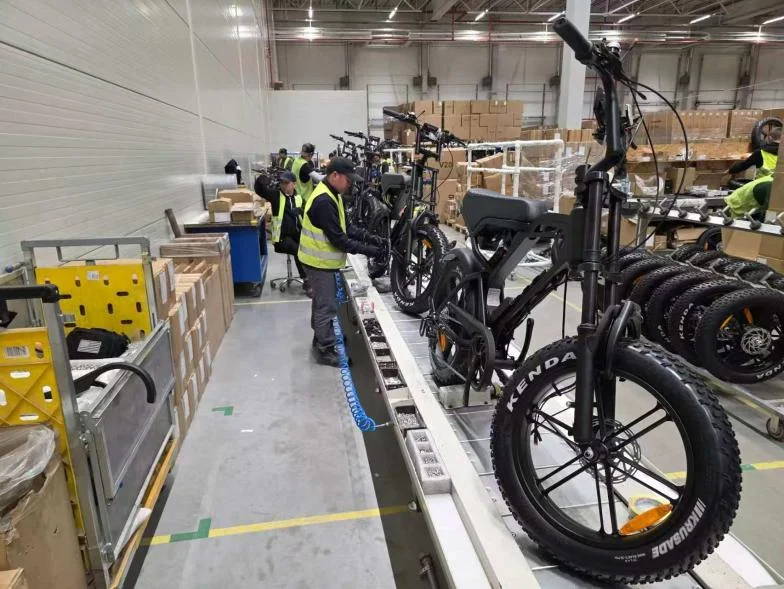
Europe Is More Than a Market, It's Our Second Home Ground
Read More -
 Blogs
Blogs
Shenzhen Qingmai Bicycle Co., Ltd. and Smartride Supplies B.V. Celebrate Dragon Boat Festival 2026
On June 17, 2026—with the Dragon Boat Festival approaching, Shenzhen Qingmai Bicycle Co., Ltd. and Smartride Supplies B.V. distributed gift boxes containing traditional zongzi (sticky rice dumplings) and fresh seasonal fruits to all employees to share the joy of the festival.
Read More -
 Blogs
Blogs
We Don't Need More Orders, WE Need the Right Ones
Read More -
 Blogs
Blogs
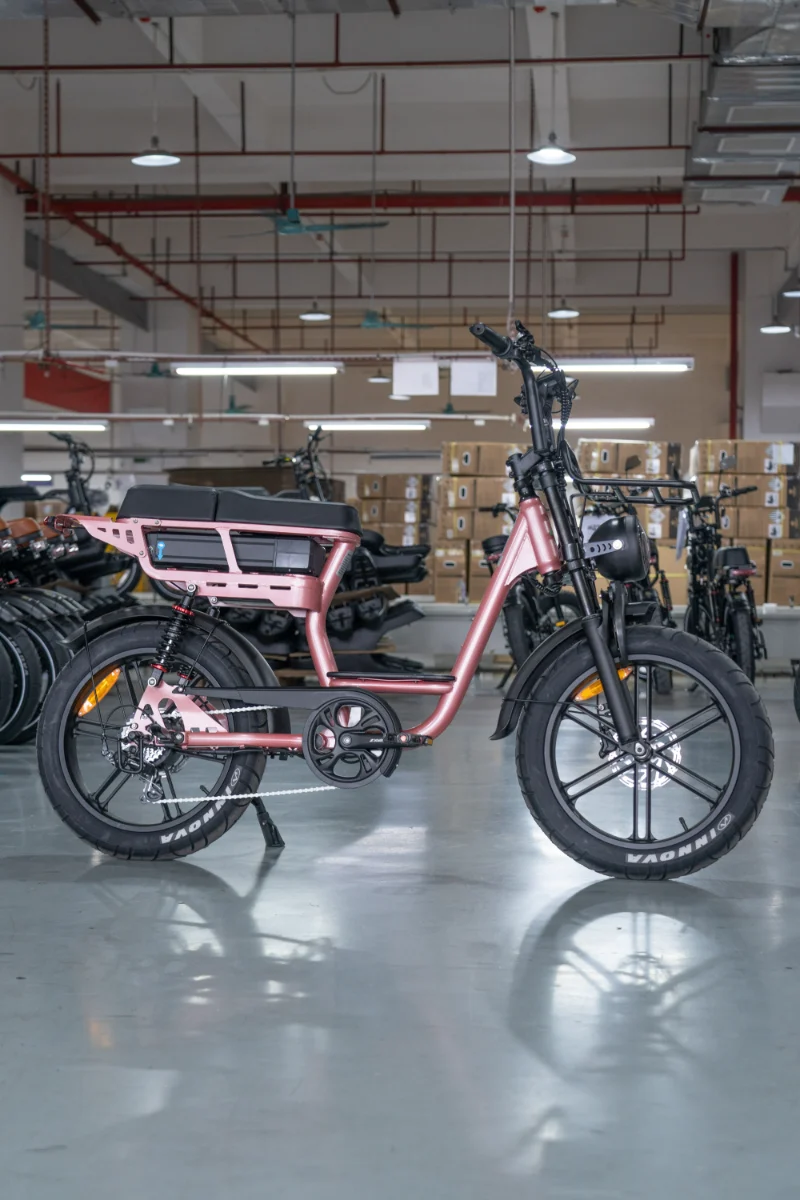
Why a Fat Tire Electric Bike for Women Handles Rough City Roads
QMWHEEL’s fat tire electric bike for women combines wide tires, rear suspension, hydraulic brakes, and flexible seating for confident urban commuting.
Read More -
 Blogs
Blogs
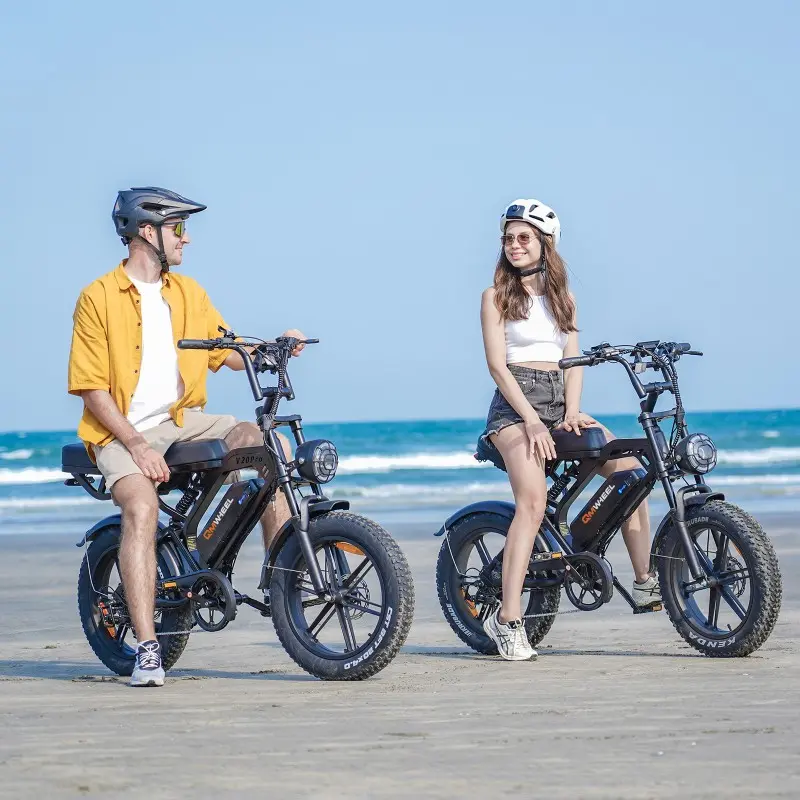
Long Range Fat Tire Electric Bike for Extended Outdoor Adventures
Discover QMWHEEL long range fat tire electric bike solutions with durable design, and extended riding capability for outdoor adventures and daily mobility.
Read More -
 Blogs
Blogs
Long Range All Terrain Fat Bike: A Practical Guide for Dealers and Global E-Bike Partners
The global electric bicycle market has continued to expand as consumers look for transportation solutions that combine daily commuting, outdoor exploration, and practical mobility.
Read More