 The best design at the most affordable price
  info@qmwheel.com
  +86 18938656121


 English
  en
en  it
it  es
es  tr
tr  sv
sv  pt
pt  cs
cs  nl
nl  ru
ru  fr
fr  de
de  pl
pl  ar
ar 

Why Dual Battery Fat Tire Electric Bikes Are Suited to Gravel Roads
Gravel roads and outdoor routes can create challenges that are less common during ordinary city commuting. Loose stones, uneven ground, changing gradients, and long distances all influence riding comfort, battery consumption, and handling. A dual battery fat tire electric bike combines increased energy storage with wide tires, giving riders more flexibility when traveling between paved streets, gravel paths, and suitable outdoor trails. This combination is particularly appealing to people who want one bicycle for everyday transportation and longer recreational journeys.
For buyers, the value of this configuration extends beyond simply carrying two batteries. Battery capacity affects how often charging is needed, while tire design, suspension, braking, and frame geometry influence the overall riding experience. QMWHEEL offers fat tire electric bicycles with different motor and battery configurations, allowing overseas distributors and brands to evaluate options for varied customer requirements.
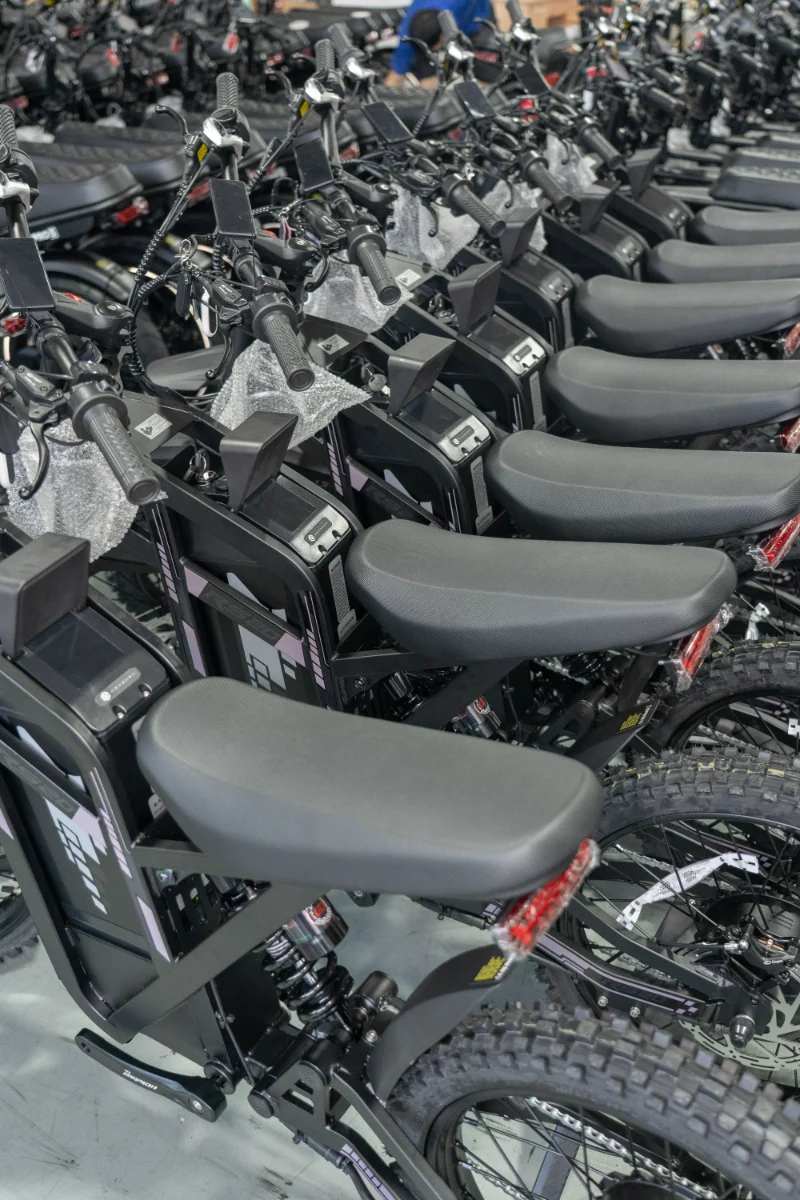
How Dual Battery Capacity Supports Longer Outdoor Rides
Battery capacity is a key factor when planning a long-distance electric bicycle trip. Riders traveling through rural areas or along gravel routes may have fewer opportunities to recharge, making energy storage an important purchasing consideration. A dual battery electric bike can provide more stored energy than a comparable single battery configuration, potentially extending the distance available between charging stops when other conditions are similar.
However, battery capacity should not be confused with a guaranteed riding range. Rider weight, speed, wind resistance, temperature, terrain, tire pressure, and assistance settings can all affect energy consumption. Gravel roads may require more power than smooth pavement because of increased rolling resistance and frequent changes in riding conditions. Evaluating a long range fat tire electric bike therefore requires considering both nominal battery capacity and the actual environment in which it will be used.
QMWHEEL offers selected configurations with two 48V batteries, including combinations with 13Ah, 15.6Ah, and other available capacity options depending on the product. Two 48V 15.6Ah batteries provide approximately 1,497.6Wh of nominal energy, offering a useful reference when comparing different battery arrangements. Buyers should confirm the available configuration, charging method, and battery specifications for their chosen product before placing an order.
Why Wide Tires Matter on Gravel and Uneven Ground
Gravel surfaces are unpredictable because the size, distribution, and looseness of stones can change within a short distance. Narrow tires may feel less forgiving when crossing loose material or irregular surfaces, while fat tire electric bikes use a wider tire profile to create a larger contact area under suitable conditions. This design can help improve traction and provide a more planted riding feel, especially when tire pressure is adjusted appropriately for rider weight and surface conditions.
Tire width alone, however, does not determine whether an electric bicycle performs well off pavement. Tread pattern affects how the tire interacts with loose ground, while tire pressure influences grip, comfort, and rolling resistance. Excessively high pressure may reduce comfort on rough surfaces, whereas pressure that is too low can increase the risk of tire damage or unstable handling. Riders should follow the tire manufacturer's guidance and account for the intended load and terrain.
For customers comparing an all terrain fat tire electric bike with a conventional commuter bicycle, the main consideration is the balance between pavement efficiency and mixed-surface capability. Wide tires can be beneficial for gravel roads, compact dirt, and selected outdoor routes, but they may also create additional rolling resistance on smooth roads. The best configuration depends on how frequently the bicycle will be used off pavement and how much distance the rider expects to cover on each trip.
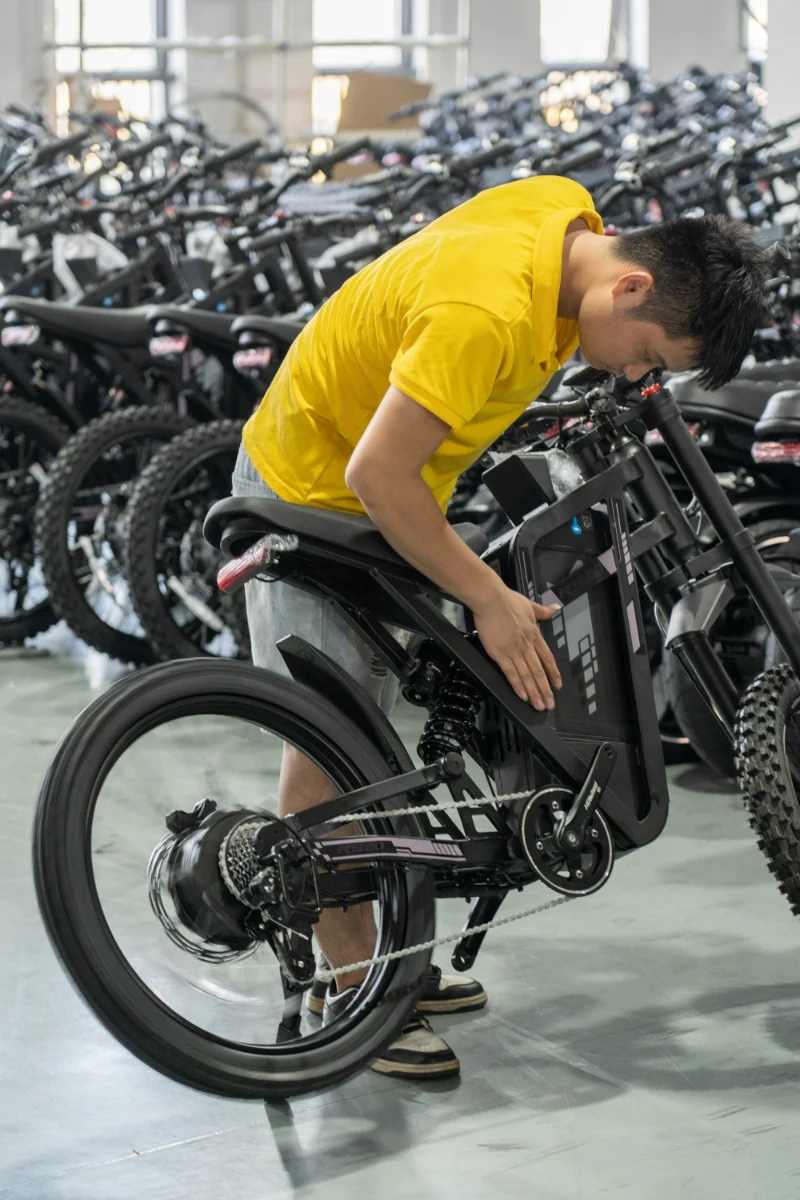
Suspension Design and Comfort on Longer Routes
Repeated impacts from stones, potholes, and uneven surfaces can make long rides tiring, particularly when the bicycle has limited impact absorption. Suspension can help reduce the force transmitted through the bicycle, improving comfort and helping the rider maintain a more controlled position on suitable rough roads. Depending on the configuration, rear suspension or dual suspension may be useful for riders who combine daily travel with regular outdoor recreation.
A suspension fat tire electric bike should still be selected according to the terrain it is intended to handle. Suspension travel, frame geometry, component durability, and maintenance requirements all affect its suitability. A bicycle designed for commuting and light gravel use should not automatically be treated as appropriate for aggressive downhill riding or highly technical trails. Buyers should match the suspension design to realistic riding conditions rather than choosing features solely for appearance.
Seat design, handlebar position, and frame fit also contribute to comfort. Even with wide tires and suspension, an unsuitable riding position can cause discomfort during extended journeys. When selecting an electric bicycle for longer outdoor adventures, riders should consider the complete riding setup, including frame size, seat adjustment, handlebar reach, and the weight distribution of any carried belongings.
Motor Power and Energy Management Across Different Routes
Motor output influences acceleration, climbing assistance, and the bicycle's ability to respond to changes in terrain. QMWHEEL offers selected fat tire electric bicycle configurations with different motor power options, including 500W, 750W, and 1000W versions where available. The appropriate option depends on route gradients, expected load, riding preferences, and the legal requirements of the destination market.
Higher rated motor power does not automatically produce a longer riding range. A powerful motor can consume more energy when used frequently at high output, while a moderate assistance setting may conserve battery capacity over an extended route. Riders should also distinguish rated power from peak power and verify how the manufacturer defines each figure. These details are important when comparing products from different suppliers.
On gravel roads, gradual acceleration and consistent speed can help reduce unnecessary energy consumption. Frequent hard acceleration, steep climbs, heavy loads, and high assistance settings may shorten the distance available from a full charge. A practical long-distance setup therefore combines sufficient battery capacity with sensible riding habits, suitable tire pressure, and a motor configuration that meets the intended use.
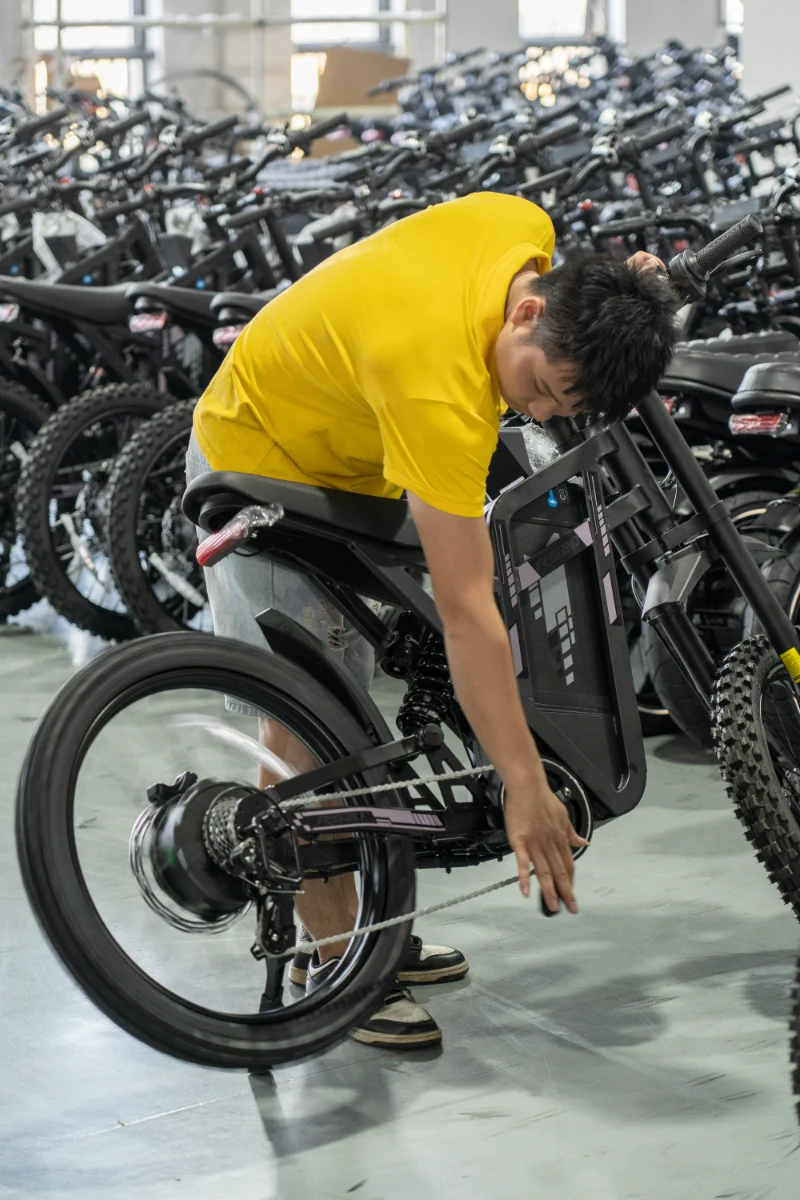
Braking Performance and Control on Loose Surfaces
Braking requires particular attention when riding on gravel because loose stones can reduce the available grip between the tires and the ground. Sudden braking or abrupt steering may cause a tire to lose traction, especially when traveling downhill or turning across loose material. Riders should maintain a suitable speed, leave enough stopping distance, and apply braking smoothly as surface conditions change.
Selected QMWHEEL electric bicycle configurations feature hydraulic disc brakes, which provide responsive braking and relatively low hand effort when properly maintained. Nevertheless, braking performance depends on the complete setup, including tire condition, brake adjustment, rider technique, and total load. Regular inspections of brake pads, rotors, and hydraulic components help maintain consistent performance over time.
A dual battery configuration can increase the bicycle's total weight, particularly when both batteries are installed. This additional weight makes it important to consider braking capacity, frame specifications, and permitted load limits together. Buyers should check the manufacturer's stated maximum load and avoid assuming that extra battery capacity automatically means the bicycle can carry more cargo or passengers.
Comparing Key Features Before Purchasing
Choosing the right electric bicycle involves balancing distance, comfort, handling, and maintenance. A product with a large battery may suit longer trips, while a configuration with suitable suspension and tires may be more appropriate for riders who frequently encounter uneven ground. Evaluating these features together helps prevent buyers from focusing on one specification while overlooking factors that affect everyday usability.
| Feature | Importance for Gravel and Outdoor Riding |
|---|---|
| Dual battery capacity | Provides more stored energy for longer rides between charges |
| Motor power options | Help match climbing needs and riding preferences |
| Tire width and tread | Influence traction, rolling resistance, and surface compatibility |
| Suspension configuration | Helps manage impacts on uneven roads and suitable trails |
| Hydraulic disc brakes | Support responsive braking when correctly maintained |
| Maximum permitted load | Determines the allowable combined weight of rider and belongings |
| Battery charging method | Affects charging convenience and trip preparation |
| Replacement parts | Influence maintenance planning and long-term ownership |
When comparing specifications, buyers should ask suppliers to clarify whether battery capacity refers to each battery or the combined configuration. They should also confirm whether the advertised range was measured under controlled conditions, on flat pavement, or across a route more representative of actual use. Clear information makes it easier to compare products fairly and set realistic expectations for end customers.
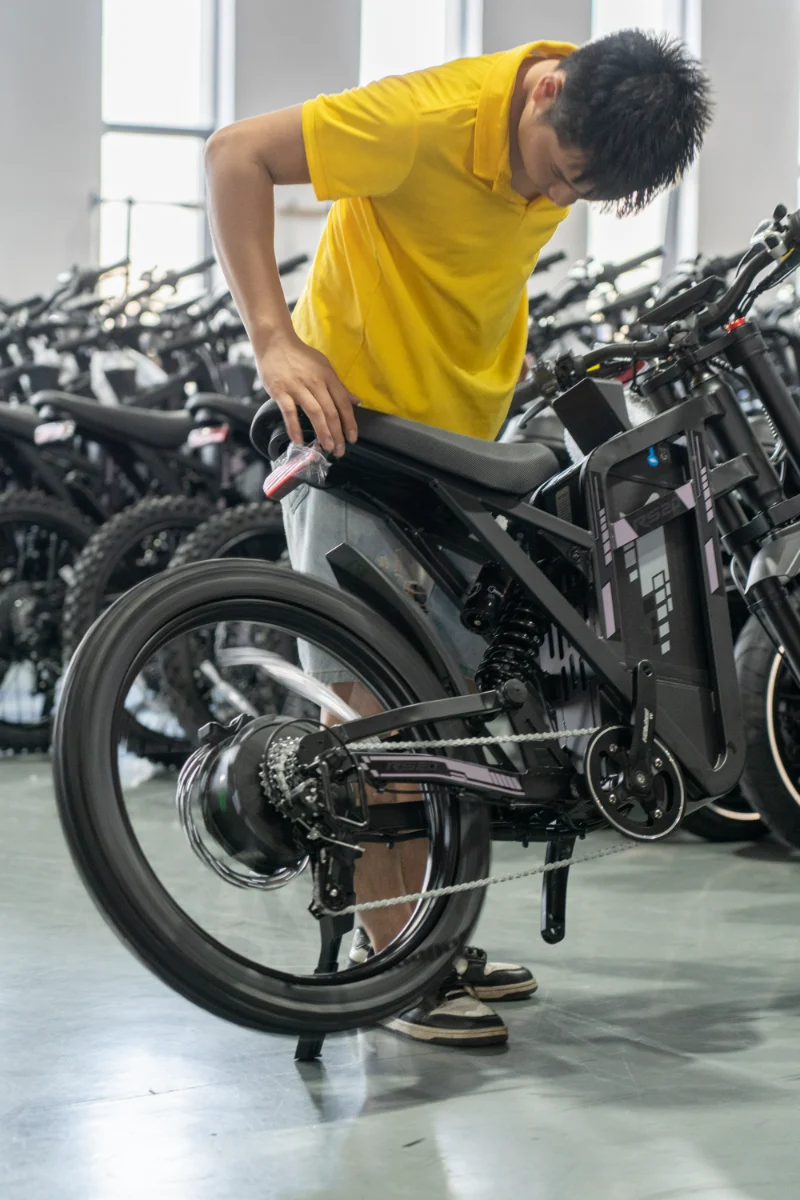
Practical Battery Care for Extended Riding
Battery care is important for maintaining consistent performance throughout the bicycle's service life. Riders should use the charger specified by the manufacturer, avoid exposing batteries to unsuitable temperatures, and follow the recommended charging and storage procedures. Physical damage, unusual swelling, or abnormal heat should be treated seriously, and a damaged battery should not continue to be used.
Before a long outdoor trip, checking the battery charge, tire pressure, brakes, and electrical connections can help prevent avoidable interruptions. Riders should also plan their route according to expected energy consumption and leave a reasonable reserve rather than relying on the maximum advertised range. For remote routes, carrying essential repair supplies and identifying safe stopping points can further improve trip preparation.
For distributors, battery documentation and replacement availability are important parts of product evaluation. A supplier should be able to clarify battery specifications, charging requirements, warranty terms, and the process for obtaining compatible replacement components. These details support after-sales service and help businesses establish realistic guidance for customers purchasing a long range electric bicycle.
Outdoor Applications and Everyday Mobility
A dual battery fat tire electric bike can serve different purposes depending on its configuration. Commuters may appreciate the flexibility of riding across uneven urban streets and occasional gravel sections, while recreational users may prioritize battery capacity for longer journeys. Riders traveling through rural areas can also benefit from evaluating tire design, lighting, luggage options, and the availability of charging facilities along their planned routes.
The same product may not suit every application equally well. Frequent city riding may place greater emphasis on handling, parking, and charging convenience, whereas outdoor use may require more attention to tire grip, suspension, and route planning. For customers who alternate between these environments, the most practical option is generally one that balances range and comfort without adding unnecessary weight or features.
Local regulations must also be considered before purchase. Permitted motor ratings, assisted speed limits, throttle operation, lighting requirements, and rules governing public trails vary by market. International buyers should verify the requirements that apply to their intended sales region and confirm that the selected configuration can be supplied in an appropriate compliant version.
QMWHEEL Solutions for Overseas Brands and Distributors
QMWHEEL offers fat tire electric bicycles with different motor and battery options, selected suspension and braking configurations, and OEM/ODM services for overseas businesses. These options give distributors and e-bike brands a basis for evaluating products according to customer preferences, price positioning, and local market requirements. Configuration availability should be confirmed directly with the supplier because not every feature is offered on every bicycle.
For businesses sourcing a dual battery fat tire electric bike, purchasing decisions should include more than the advertised range or motor rating. Buyers should review battery documentation, applicable certifications, quality control procedures, spare parts availability, warranty coverage, packaging, and shipping arrangements. Confirming these points before a bulk order helps reduce uncertainty and supports more reliable after-sales service.
OEM/ODM discussions can also cover product appearance, available components, packaging requirements, and market-specific configuration needs. Buyers should establish which changes are technically available, which require additional testing, and which affect production lead times or minimum order quantities. Clear communication at the specification stage helps both parties align expectations before production begins.
Frequently Asked Questions
Is a dual battery fat tire electric bike suitable for gravel roads?
Yes, selected models are suitable for compact gravel roads, dirt paths, and other light outdoor routes. Tire tread, pressure, suspension, braking, and frame design should match the terrain. Technical trails and steep, loose descents may require a bicycle specifically designed for more demanding off-road use.
How much range can two batteries provide?
There is no single range figure that applies to every dual battery electric bicycle. The result depends on combined battery capacity, rider weight, motor output, speed, temperature, terrain, and assistance level. Buyers should compare watt-hours and request range estimates with clearly stated testing conditions.
Do fat tires improve stability on every surface?
Wide tires can contribute to traction and a stable riding feel on suitable surfaces, but performance also depends on tread, pressure, frame geometry, and rider technique. They do not eliminate the risk of slipping on wet gravel, mud, sand, or other loose surfaces.
Is a higher-powered motor always better for outdoor riding?
Not necessarily. Higher power may provide more assistance in certain conditions, but it can also increase energy consumption when used frequently. The best option depends on terrain, load, local regulations, and the desired balance between climbing assistance and battery efficiency.
What should overseas distributors confirm before ordering?
Distributors should verify the available battery configurations, motor specifications, applicable certifications, quality assurance procedures, warranty conditions, spare parts support, and customization options. They should also confirm shipping requirements for lithium batteries and the documentation needed for the destination market.
Can QMWHEEL provide customized electric bicycles for brands?
QMWHEEL offers OEM/ODM services for overseas businesses. Buyers can discuss available configurations, appearance requirements, packaging, and other customization needs directly with the company, then confirm technical feasibility, production schedules, and order conditions before proceeding.
Selecting a dual battery fat tire electric bike for gravel roads and outdoor adventures requires a balanced assessment of energy capacity, tire performance, suspension, braking, and intended riding conditions. By looking beyond individual specifications and evaluating the complete configuration, riders can choose a bicycle that better fits their travel needs, while overseas distributors can assess QMWHEEL's offerings against their product and market requirements.


-
 Blogs
Blogs
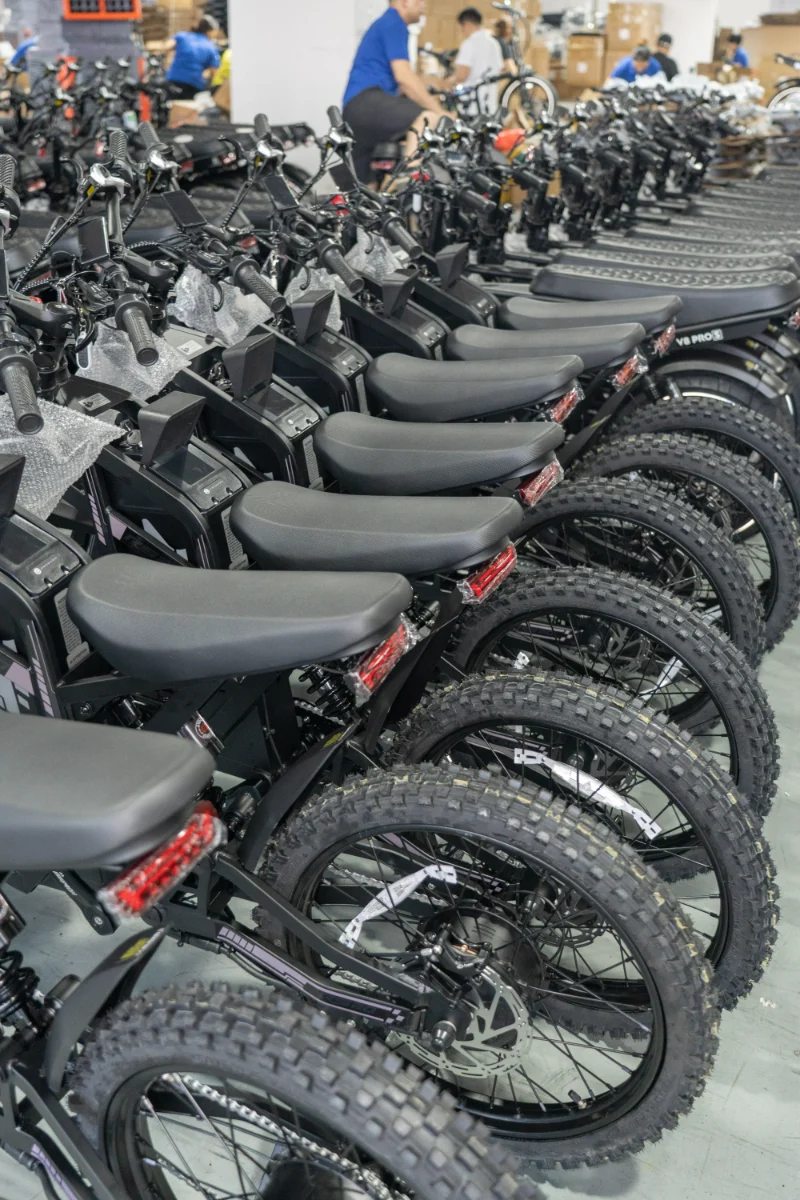
All Terrain Fat Tire Electric Bike with Long Range Dual Battery Options
Explore how an all terrain fat tire electric bike with dual battery options supports longer rides, improved traction, and comfortable travel across mixed terrain.
Read More -
 Blogs
Blogs
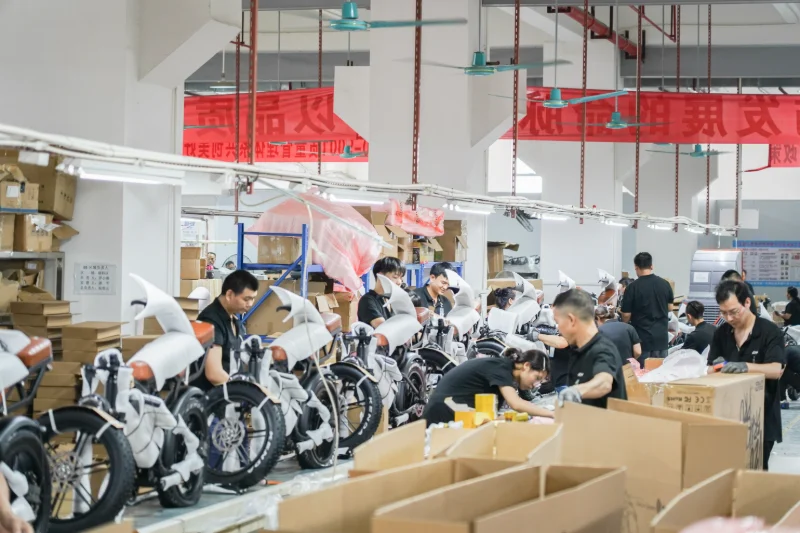
All Terrain Electric Bicycle OEM Solutions for Outdoor Travel
Build an all terrain electric bicycle for outdoor travel with OEM customization, durable design, battery options and certification support for global brands.
Read More -
 Blogs
Blogs
Shenzhen Qingmai Bicycle Co., Ltd. and Smartride Supplies B.V. Celebrate Dragon Boat Festival 2026
On June 17, 2026—with the Dragon Boat Festival approaching, Shenzhen Qingmai Bicycle Co., Ltd. and Smartride Supplies B.V. distributed gift boxes containing traditional zongzi (sticky rice dumplings) and fresh seasonal fruits to all employees to share the joy of the festival.
Read More -
 Blogs
Blogs
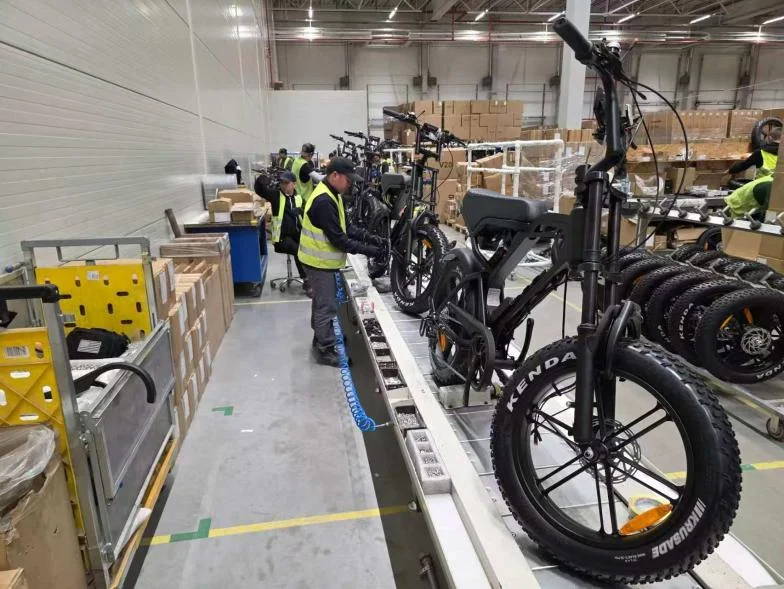
Europe Is More Than a Market, It's Our Second Home Ground
Read More -
 Blogs
Blogs
Culture Empowers, Performance Soars!
Record Growth Across All Sectors, New Goals Set for 2026 !
Read More -
 Blogs
Blogs
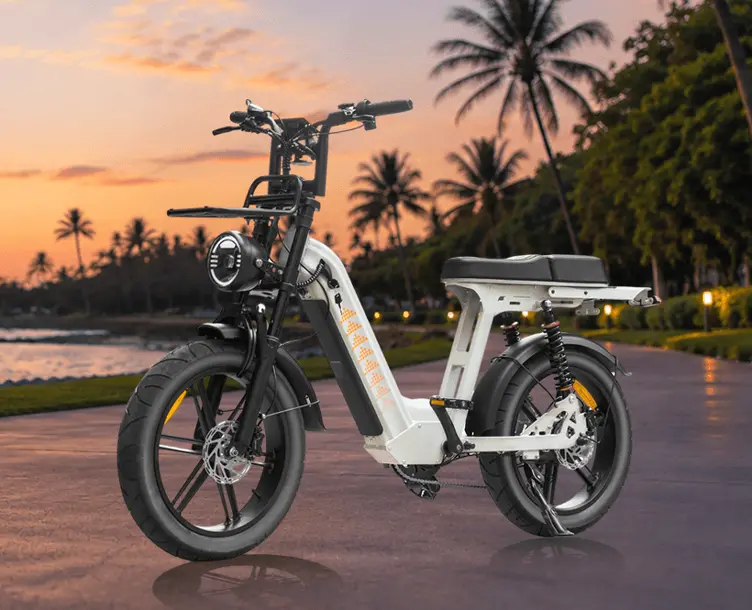
City Commuter Ebike with Long Range Battery for Everyday Travel
QMWHEEL’s city commuter ebike combines long-range battery capacity, fat tires and rear suspension for comfortable daily travel, errands and weekend riding.
Read More