 The best design at the most affordable price
  info@qmwheel.com
  +86 18938656121


 English
  en
en  it
it  es
es  tr
tr  sv
sv  pt
pt  cs
cs  nl
nl  ru
ru  fr
fr  de
de  pl
pl  ar
ar 

Why Dual Battery Options Matter for All Terrain Fat Tire Electric Bikes
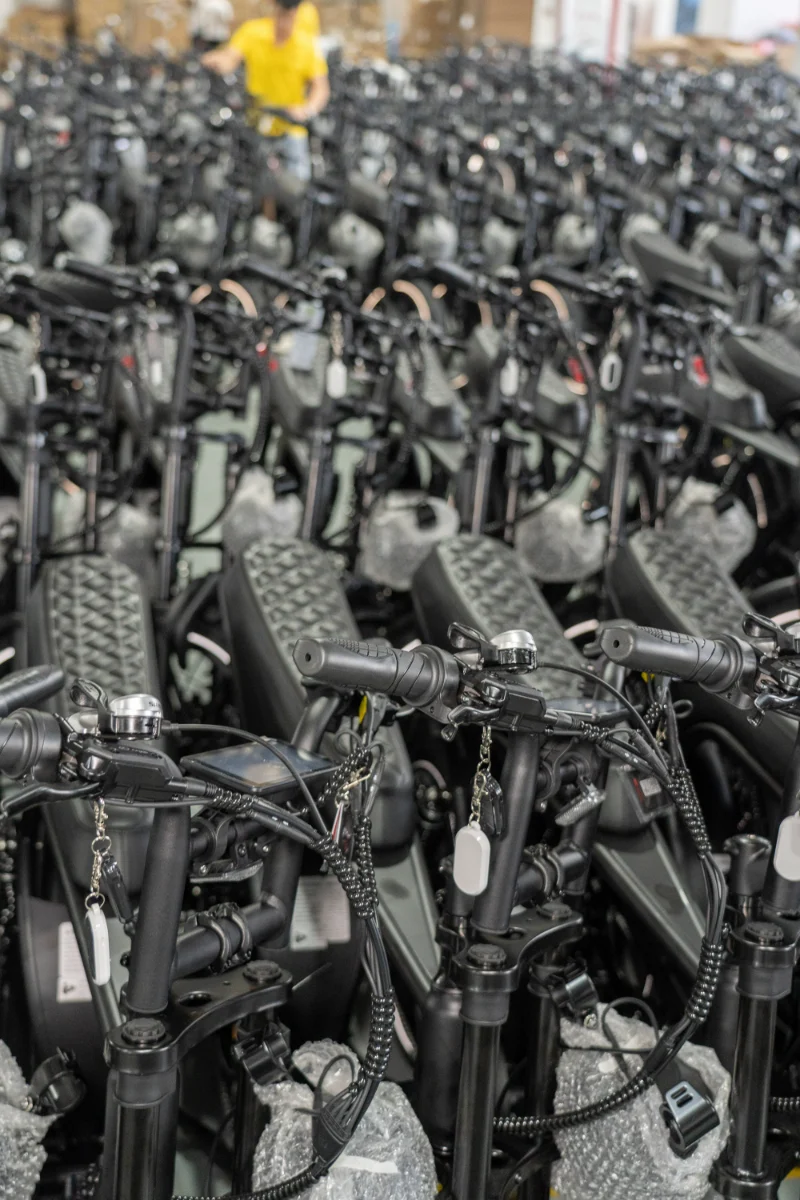
Long-distance riding often involves more than motor power. Riders must consider battery capacity, changing road conditions, additional cargo, and the availability of charging points along their routes. An all terrain fat tire electric bike with long-range dual battery options can help address these concerns by providing greater energy capacity for commuting, recreational riding, and extended outdoor trips. For distributors and e-bike brands, flexible battery configurations also create opportunities to serve customers with different travel requirements.
Dual Battery Design for Extended Riding Range
Battery capacity directly affects how far an electric bicycle can travel between charges. A dual battery electric bike can store more energy than a comparable configuration with a single battery, potentially reducing charging frequency during regular use. Actual range depends on rider weight, terrain, speed, temperature, tire pressure, and assistance level, so published mileage should be treated as an estimate rather than a guaranteed result.
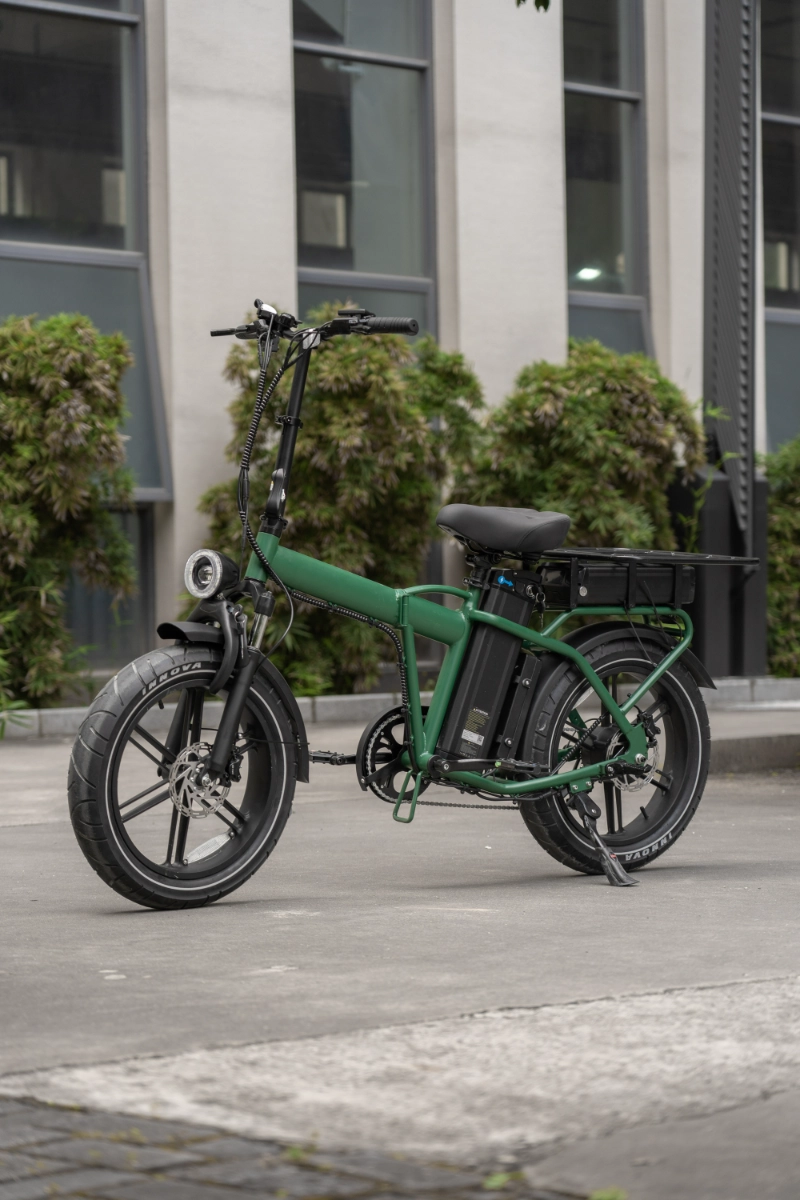
QMWHEEL offers fat tire electric bicycles with dual battery options designed for riders seeking extended range. Selected configurations combine two batteries with motor options of 500W, 750W, or 1000W, depending on the specific product and market requirements. This flexibility allows buyers to compare power output and battery capacity when selecting an electric bicycle for daily transportation or longer journeys.
How Fat Tires Improve Performance on Mixed Terrain
Loose gravel, uneven pavement, compacted dirt, and other changing surfaces can make ordinary commuting less comfortable. Fat tire electric bikes use wider tires to provide a larger contact area and help improve traction when tire pressure and riding conditions are appropriate. Their broad profile can also contribute to a more planted riding feel, making them attractive to riders who frequently travel across mixed surfaces.
However, wider tires alone do not make a bicycle suitable for every off-road environment. Frame geometry, motor response, braking performance, suspension, and tire tread all influence handling. When choosing an all terrain electric bicycle, buyers should evaluate the complete configuration rather than judging performance by tire width alone.
Suspension and Braking for Greater Riding Confidence
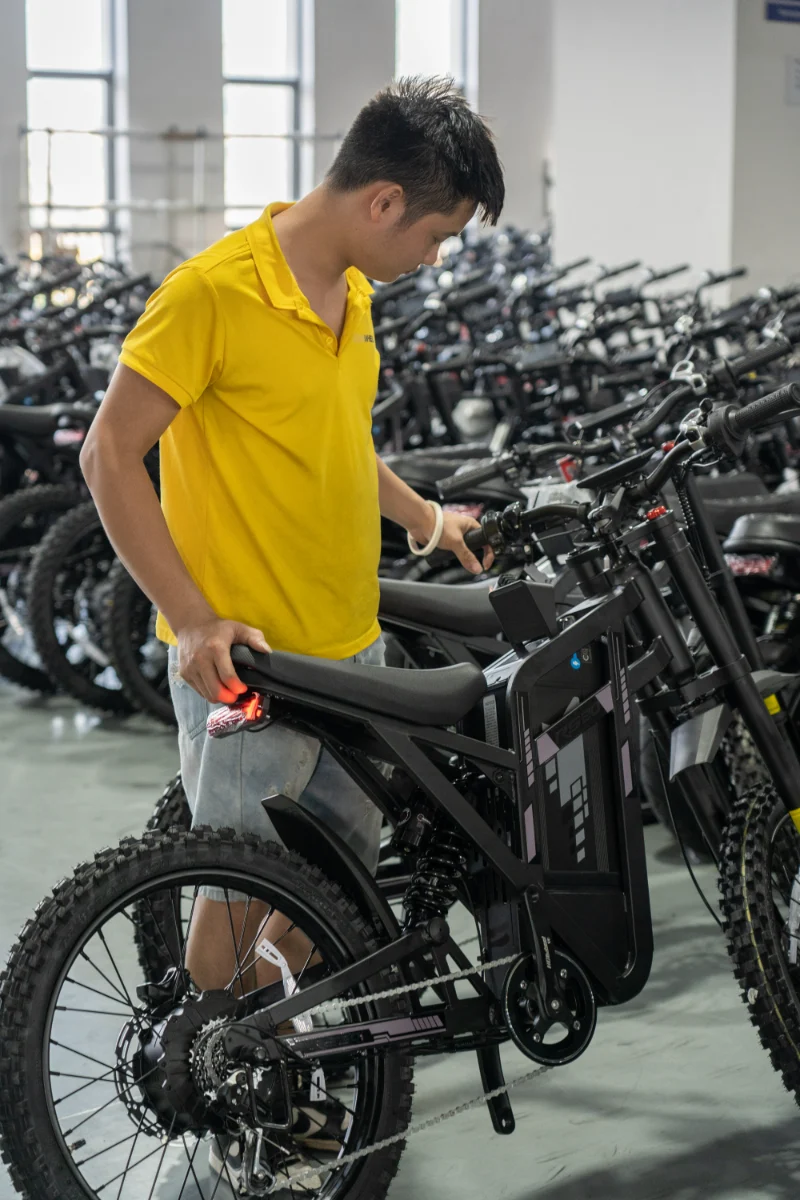
Uneven surfaces can transmit repeated impacts through the frame and saddle, increasing rider fatigue over longer distances. Rear suspension or dual suspension can help absorb some of these impacts and improve comfort on suitable roads and light trails. Combined with a well-padded seat and a stable frame, these features make a suspension fat tire e-bike a practical option for riders who alternate between urban travel and outdoor recreation.
Braking performance is equally important when carrying extra weight or descending slopes. Hydraulic disc brakes are available on selected QMWHEEL fat tire electric bicycles and provide responsive braking with relatively low hand effort. Riders should still maintain an appropriate speed, inspect brake components regularly, and confirm that the bicycle's total load remains within its specified limit.
Key Features to Compare Before Choosing a Long-Range E-Bike
The right electric bicycle depends on how far it will travel, the surfaces it will encounter, and the level of comfort required. Comparing specifications helps buyers identify meaningful differences without relying solely on advertised motor power or maximum mileage.
| Feature | What Buyers Should Evaluate |
|---|---|
| Battery configuration | Total capacity, charging arrangements, and replacement availability |
| Motor options | Power rating, climbing requirements, and local regulations |
| Tire dimensions | Width, tread pattern, and suitability for intended surfaces |
| Suspension | Comfort on uneven roads and maintenance requirements |
| Brakes | Stopping performance, serviceability, and component quality |
| Maximum load | Combined rider weight, luggage, and any permitted passenger load |
| Estimated range | Test conditions, assistance settings, and expected daily distance |
For example, a dual battery fat tire electric bike with two 48V 13Ah batteries has a combined nominal capacity of approximately 1,248Wh. This figure helps buyers compare energy storage across products, but it does not determine actual mileage on its own. A higher-capacity configuration may support longer trips, while efficient riding habits and appropriate maintenance can also influence overall energy consumption.
Applications Across Commuting and Outdoor Recreation
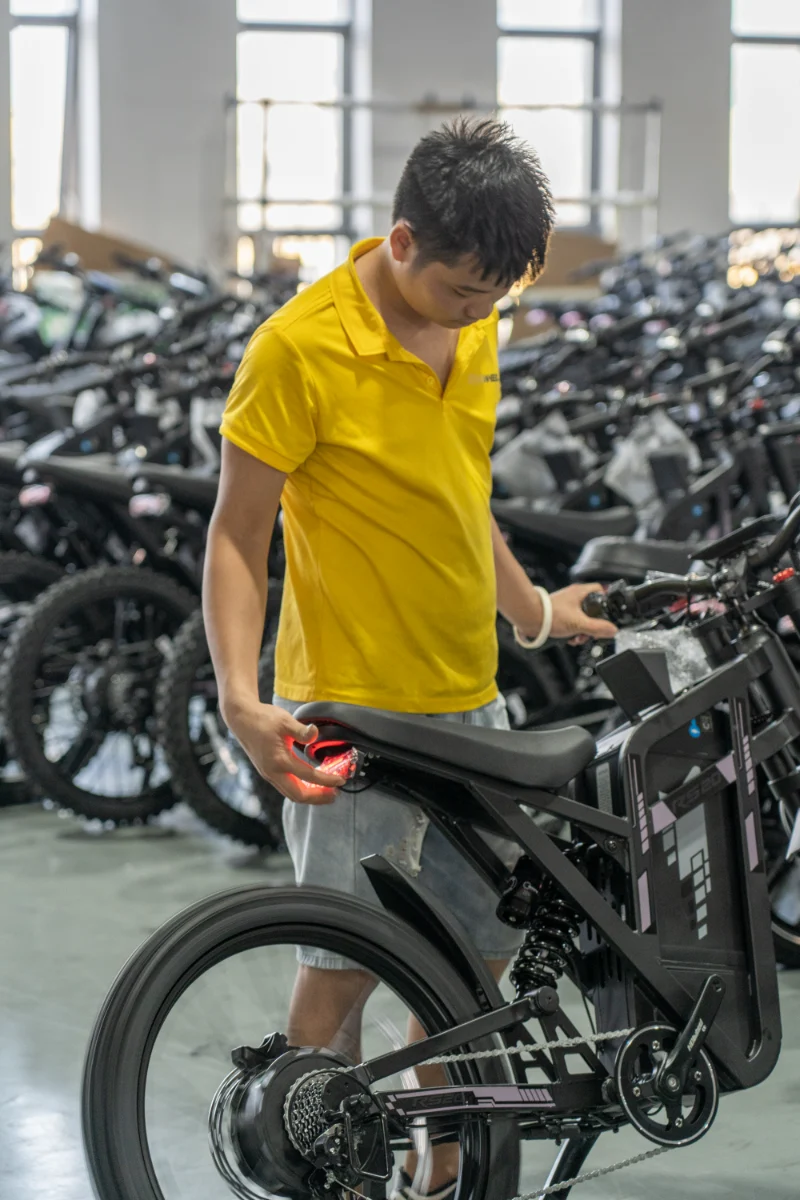
An all terrain fat tire electric bike can serve several practical purposes. Urban commuters may value its wide tires and comfortable seating when traveling over patched pavement or uneven streets. Recreational riders may prioritize suspension, battery capacity, and stable handling for longer weekend outings. Riders carrying permitted cargo may also benefit from considering frame capacity, load distribution, and the effect of additional weight on braking and range.
These applications create opportunities for electric bicycle distributors serving different customer groups. Rather than promoting every configuration for identical uses, retailers can match battery capacity, motor options, and comfort features to local riding habits. This approach helps customers understand the product's strengths and makes model selection more straightforward.
QMWHEEL Dual Battery Electric Bike Solutions for Global Buyers
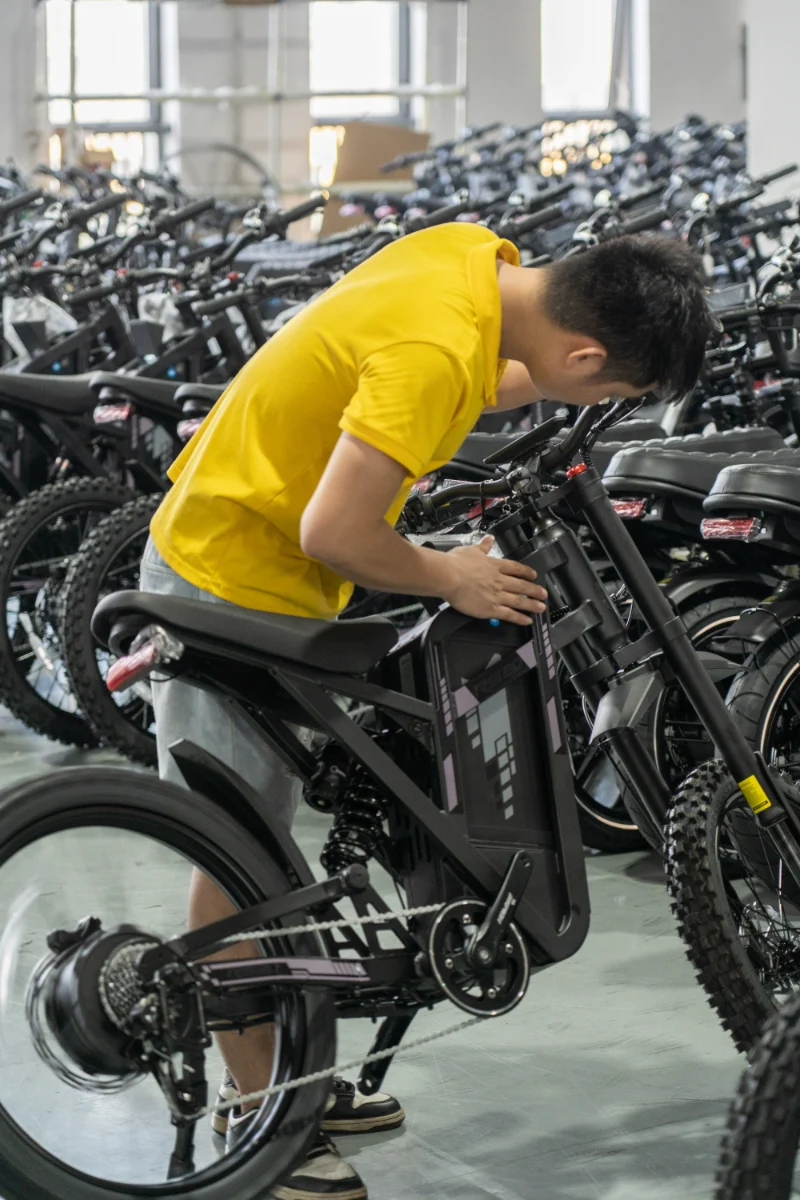
QMWHEEL provides fat tire electric bicycles with configurable motor and battery options, suspension features, and OEM/ODM support for overseas brands and distributors. Customization can help businesses align product specifications and appearance with their target markets, while wholesale buyers can evaluate packaging, shipping arrangements, and product consistency before placing larger orders.
For businesses sourcing a long range fat tire electric bike, important purchasing questions include battery specifications, applicable electrical certifications, replacement parts, warranty coverage, and the testing conditions behind advertised range figures. Confirming these details with the supplier helps reduce uncertainty and supports more informed purchasing decisions.
Frequently Asked Questions
How far can a dual battery fat tire electric bike travel?
The distance varies according to battery capacity, rider weight, terrain, speed, weather, and assistance settings. Buyers should compare tested range data and clarify the conditions used to produce the manufacturer's estimate.
Are fat tire electric bikes suitable for everyday commuting?
Yes. They can be suitable for commuting on paved roads, uneven streets, and selected light trails. Tire design, bicycle weight, local regulations, and storage requirements should be considered before choosing a configuration.
Do dual batteries always provide twice the riding range?
Not necessarily. Two batteries can increase available energy, but actual range also depends on riding conditions and power consumption. The combined battery capacity and the manufacturer's test method provide a more useful basis for comparison.
What should distributors consider when sourcing electric bicycles?
Distributors should assess battery and motor options, applicable safety requirements, quality control, spare parts availability, warranty terms, packaging, and OEM/ODM capabilities. These factors are essential when building a product range for different customer needs.
Choosing an all terrain fat tire electric bike with suitable dual battery options requires balancing range, comfort, traction, braking, and intended use. With careful specification comparison and clear supplier communication, QMWHEEL's configurable electric bicycle offerings can help overseas buyers develop products that better match their market requirements.


-
 Blogs
Blogs
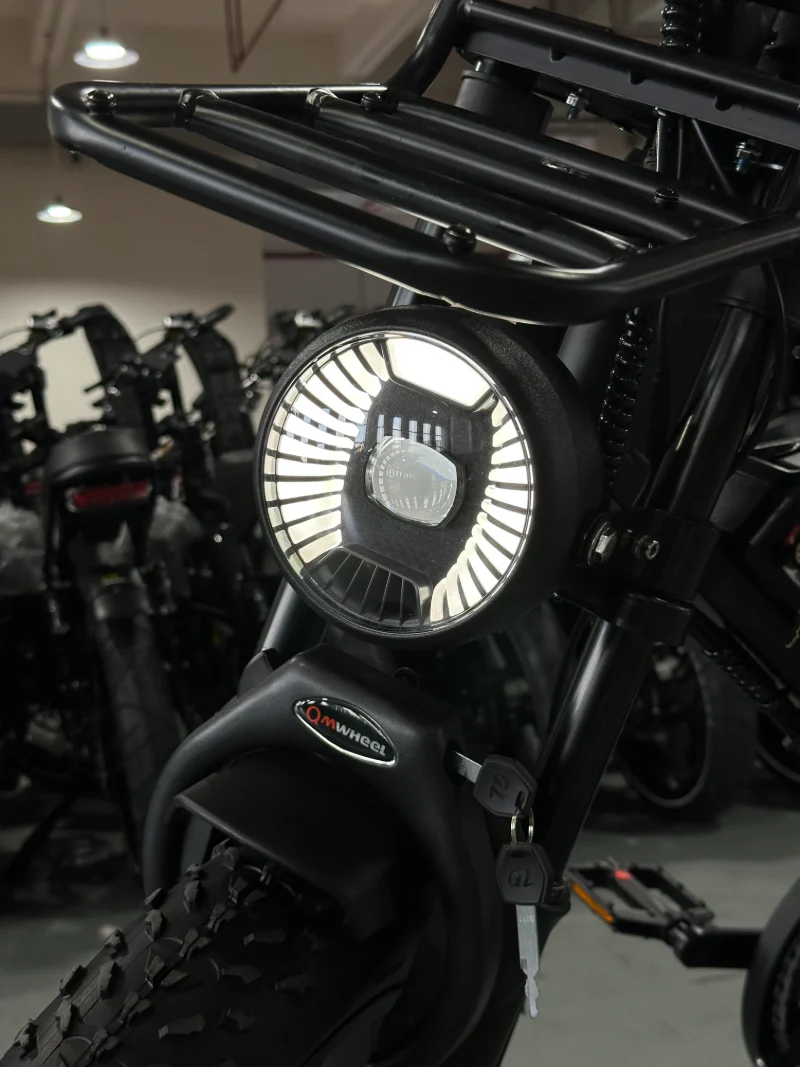
Long Range Fat Tire Ebike for OEM and ODM Outdoor Mobility Brands
QMWHEEL provides a long range fat tire ebike with flexible battery, motor and comfort options, supporting OEM and ODM brands in diverse outdoor mobility markets.
Read More -
 Blogs
Blogs
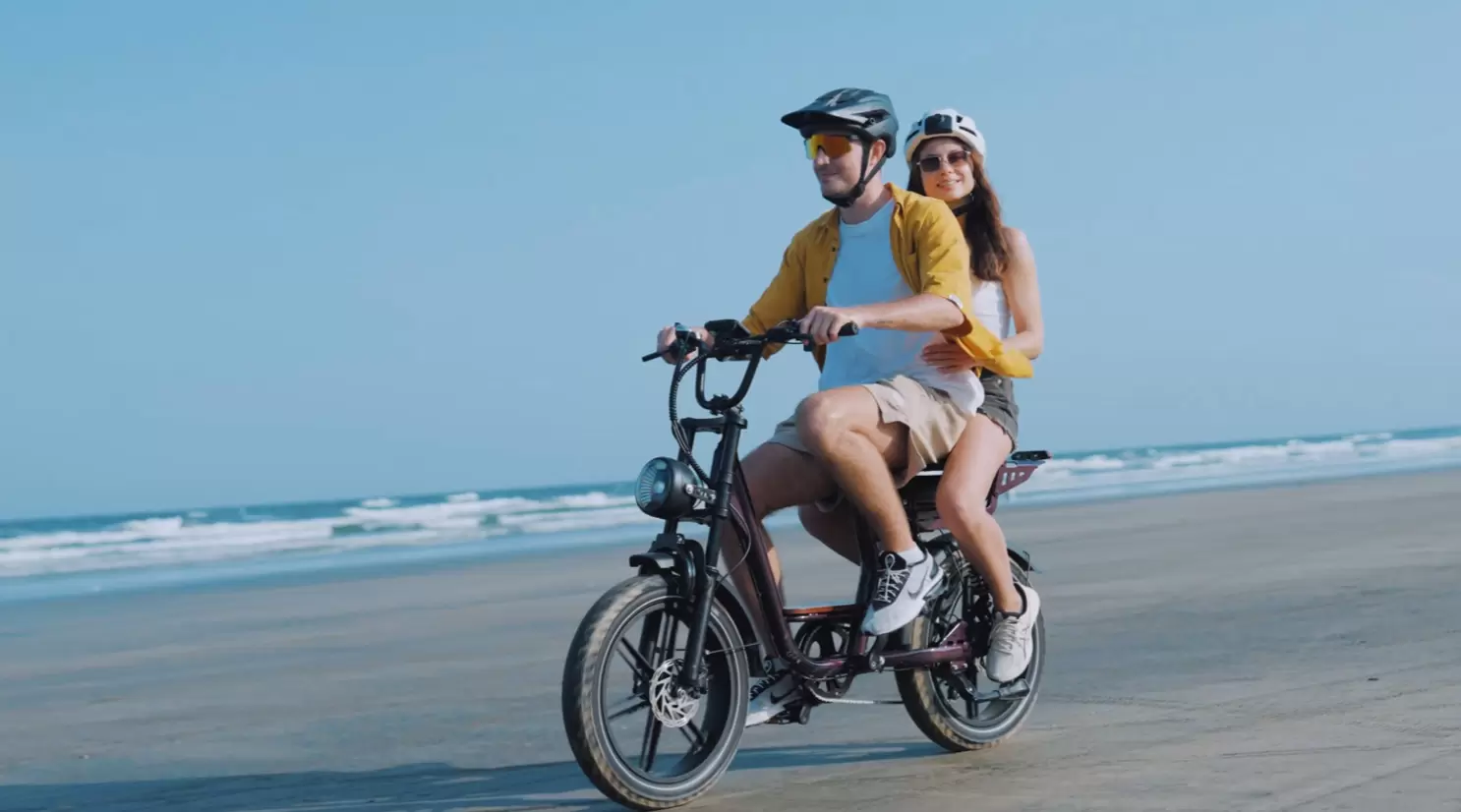
Custom Electric Commuter Bike: A Practical OEM Guide for Dealers and Brands Seeking Long-Term Market Growth
The global e-bike market continues to evolve, but one trend remains clear: distributors, retailers, and emerging brands are increasingly looking for products that match local rider preferences instead of relying on generic models.
Read More -
 Blogs
Blogs
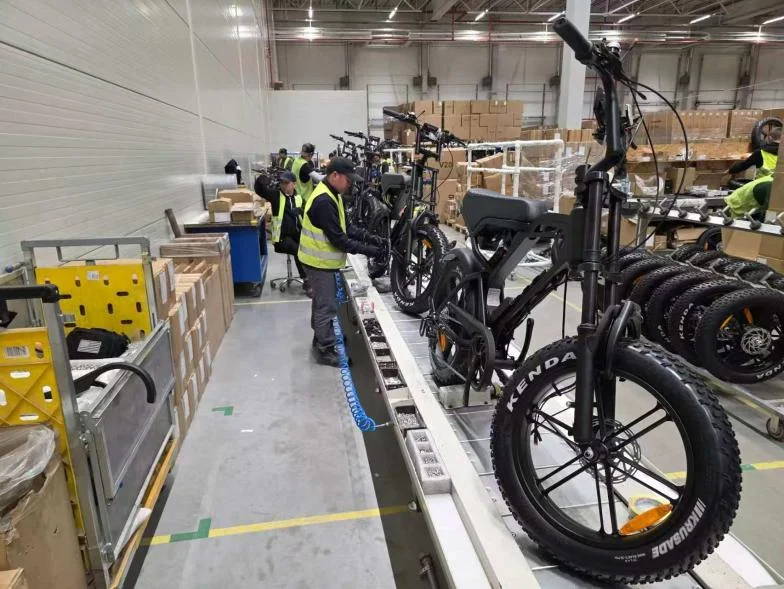
Europe Is More Than a Market, It's Our Second Home Ground
Read More -
 Blogs
Blogs
Full Suspension All Terrain E-Bike: A Practical Guide for B2B Buyers Evaluating Off-Road Electric Bicycle Solutions
The electric bicycle market has moved beyond simple urban commuting. In recent years, riders have shown increasing interest in bicycles that can handle different environments, including mountain trails, gravel roads, forest paths, countryside routes, and uneven city roads.
Read More -
 Blogs
Blogs
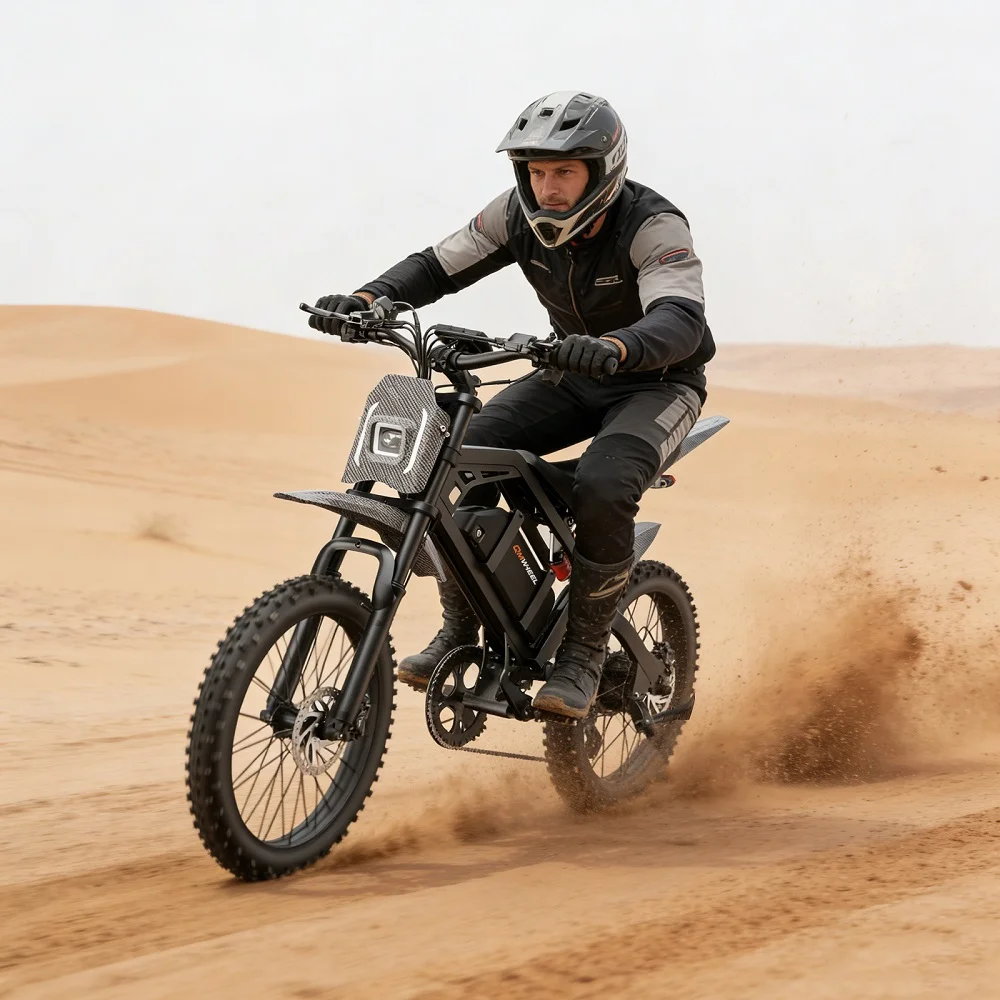
Custom Electric Fat Bike Solutions for Growing Global E Bike Brands
Built for global brands, a custom electric fat bike offers flexible design, battery and accessory options, rapid prototyping and OEM support for growth.
Read More -
 Blogs
Blogs
Urban Electric Bicycle Supplier for Custom Fat Tire Commuter E-Bikes
QMWHEEL provides custom urban electric bicycle solutions with fat tire designs, OEM and ODM support, and flexible configurations for global e-bike brands and distributors.
Read More