 The best design at the most affordable price
 info@qmwheel.com
 +86 18938656121


 English
 en
 it
 es
 tr
 sv
 pt
 cs
 nl
 ru
 fr
 de
 pl
 ar


Why OEM Custom Fat Tire Electric Bikes Help Brands Reach Niche Markets
Meeting Demand for Distinctive Electric Bicycle Designs
The electric bicycle market offers opportunities for brands that understand specific rider preferences rather than competing solely on price. A custom fat tire electric bike combines a distinctive appearance with practical everyday mobility, making it suitable for businesses targeting urban commuters, recreational riders, and customers who value retro-inspired styling. For bicycle brands, customization creates opportunities to develop a recognizable product identity while responding to changing consumer expectations.
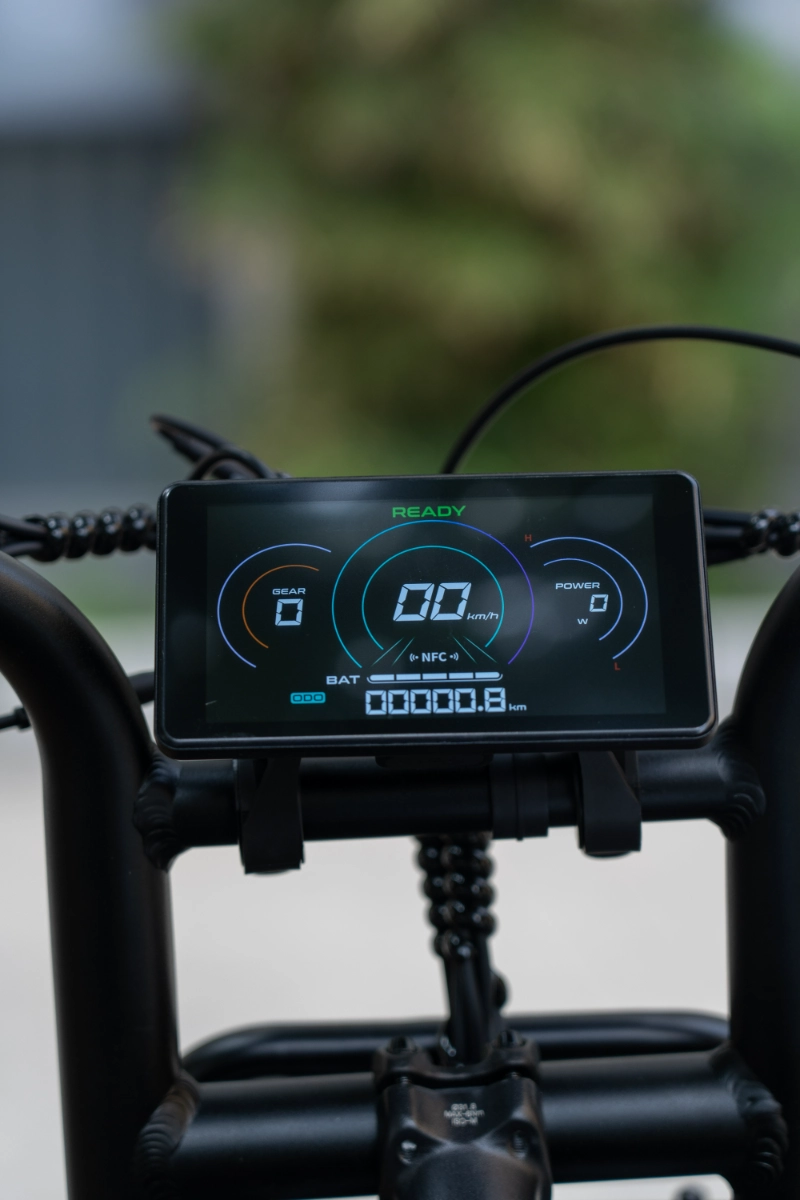
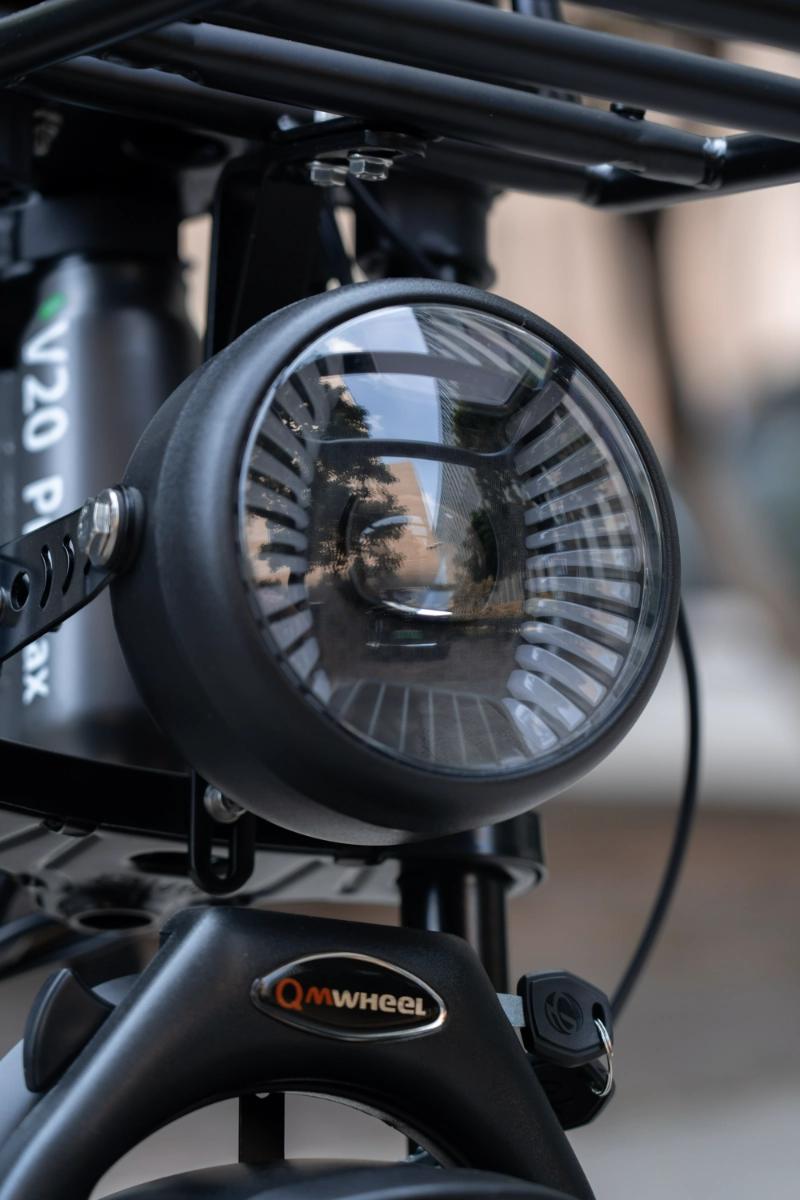
QMWHEEL focuses on electric bicycle designs that balance visual appeal and everyday usability. Its vintage-style fat tire electric bike features wide tires, a practical rear seat, and rear suspension, creating a combination of styling and functional features that can appeal to clearly defined customer groups. For overseas distributors and private-label brands, OEM cooperation offers a way to explore these preferences while developing a product range aligned with their target markets.
How Custom Fat Tire Electric Bikes Create Market Differentiation
Building a Recognizable Brand Identity
In a competitive retail environment, similar product appearances can make it difficult for customers to distinguish one bicycle brand from another. OEM electric bicycle customization allows businesses to consider design details, visual identity, and product positioning as part of a coordinated strategy. Rather than relying on price promotions, brands can build recognition around a consistent design language and a clearly defined customer profile.
A retro-style fat tire electric bike offers a distinctive starting point because its wide tires and vintage-inspired appearance communicate a different lifestyle proposition from conventional commuter bicycles. Depending on the customization options available, businesses can align the overall presentation with their brand identity and intended audience. This approach is particularly relevant to retailers seeking a recognizable custom electric bicycle for their own brand.
Matching Product Features to Specific Rider Needs
Niche markets are often shaped by practical preferences that larger, general-purpose product ranges may not address effectively. Some customers prioritize visual character, while others look for comfortable everyday riding, passenger seating, or a bicycle suited to short urban journeys. Understanding these priorities helps businesses select features that support a coherent product proposition instead of adding unnecessary complexity.
For example, wide tires contribute to the bicycle's distinctive appearance and can support a stable riding experience, while rear suspension helps absorb road vibration. A rear seat adds another practical consideration for customers who value flexible everyday use. These features should be presented according to their actual benefits, allowing brands to communicate functional value alongside retro styling without making unsupported performance claims.
OEM Customization and Wholesale Purchasing Strategy
OEM cooperation involves more than selecting a bicycle design. Businesses need to consider their target audience, branding requirements, product positioning, and long-term supply arrangements before introducing a new electric bicycle to the market. A clear product brief can help buyers communicate expectations to a supplier and reduce misunderstandings during development.
| Business priority | OEM planning consideration |
|---|---|
| Brand recognition | Align the product's visual identity with brand positioning |
| Target audience | Identify the preferences of intended customer groups |
| Product selection | Match styling and practical features to customer needs |
| Wholesale planning | Evaluate order requirements and supply arrangements |
| Market entry | Prepare product descriptions and sales materials for local buyers |
For importers and distributors, custom fat tire electric bike wholesale sourcing can provide a way to develop a more focused range instead of offering products that compete directly with widely available alternatives. However, customization opportunities, minimum order quantities, production arrangements, and lead times should be confirmed with the supplier before commercial commitments are made.
Reaching Overseas Markets Through Focused Positioning
Connecting Product Design With Local Demand
Consumer preferences vary across countries, retail channels, and rider groups. A design that attracts customers interested in vintage aesthetics may require a different marketing approach from one promoted primarily for commuting convenience. Before entering a new market, businesses should review local riding habits, competitor offerings, customer expectations, and applicable electric bicycle regulations.
Search behavior can also reveal how potential buyers describe their needs. Phrases such as retro fat tire electric bicycle, custom electric bike for urban commuting, and private label fat tire e-bike represent different interests across the purchasing journey. Incorporating relevant language naturally into product pages and category content can help overseas customers find products that match their requirements.
For QMWHEEL partners, the opportunity lies in connecting product characteristics with a specific market proposition. Clear descriptions of styling, intended use, and available customization options give distributors a more useful foundation for product listings, advertising campaigns, and retail communication.
Supporting Private-Label Growth
Private-label electric bicycles allow businesses to build a product identity that is distinct from the supplier's broader catalog. However, a successful private-label strategy requires more than adding a logo. Buyers should clarify which elements can be customized, how branding will be applied, what documentation is available, and whether the finished product can meet the destination market's compliance requirements.
A well-defined OEM process also supports consistency between product specifications, packaging, online descriptions, and customer expectations. Before placing an order, buyers should confirm the scope of customization, sample approval procedures, quality inspection arrangements, warranty responsibilities, and after-sales support. These steps help establish a clearer foundation for repeat purchasing and long-term brand development.
Choosing an OEM Partner for Long-Term Growth
The right supplier should understand both the product and the commercial requirements of the buyer. For businesses sourcing a custom fat tire electric bike manufacturer, useful evaluation criteria include product development capabilities, communication efficiency, quality control procedures, customization scope, and export experience. Buyers should also establish how design changes, replacement parts, and product documentation will be handled throughout the cooperation.
QMWHEEL's vintage-style fat tire electric bicycle provides a product direction for businesses exploring retro-inspired electric mobility. Buyers considering cooperation should discuss available OEM or ODM services directly with the company and confirm the specific terms applicable to their projects. Transparent communication at the sourcing stage can help align product expectations with practical purchasing requirements.
Ultimately, niche-market growth depends on choosing a clear customer segment and offering a product that addresses its preferences. Combining recognizable design, relevant functional features, and a disciplined sourcing strategy can help brands build a more differentiated electric bicycle range without relying exclusively on price competition.
Frequently Asked Questions
What is a custom fat tire electric bike?
A custom fat tire electric bike is an electric bicycle developed or adapted to meet a brand's design, branding, or market requirements. Customization may involve visual identity, selected components, product presentation, or other options offered by the supplier.
Why do brands choose OEM electric bicycles?
OEM cooperation can help brands develop products under their own identity while working with an established supplier. It may support differentiated product positioning, more focused market targeting, and a consistent branded range, depending on the supplier's capabilities and agreement.
Who should consider wholesale retro fat tire electric bikes?
Importers, distributors, bicycle retailers, and private-label businesses may consider these products when their customers value distinctive styling and practical everyday mobility. Market demand, local regulations, and the intended retail price should be evaluated before purchasing.
What should buyers confirm before ordering customized electric bikes?
Buyers should clarify customization options, order quantities, production lead times, quality inspection, certification requirements, warranty terms, and after-sales support. Confirming these details in advance helps reduce sourcing risks and supports more reliable business planning.


-
 Blogs
Long Range Fat Tire Ebike for OEM and ODM Outdoor Mobility Brands
QMWHEEL provides a long range fat tire ebike with flexible battery, motor and comfort options, supporting OEM and ODM brands in diverse outdoor mobility markets.
Read More -
 Blogs
Europe Is More Than a Market, It's Our Second Home Ground
Read More -
 Blogs
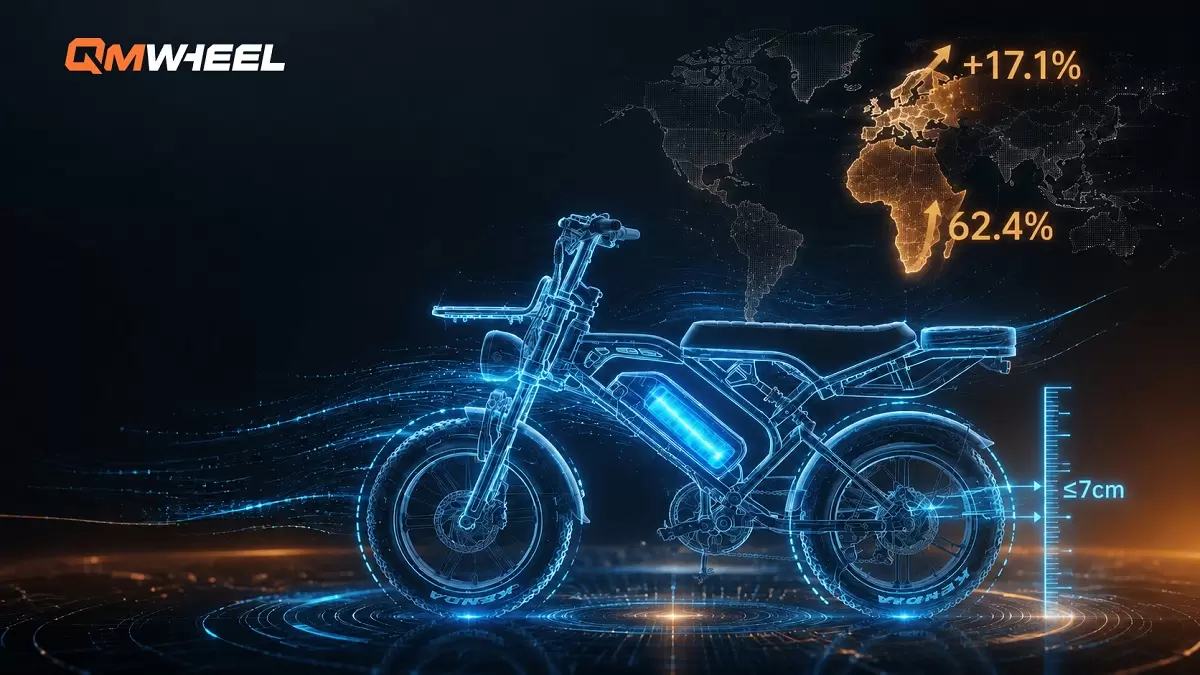
Global E-Bike Export Boom: Qingmai Adapts Products to Meet Dutch Local Tire Rules
What Are 2026’s Biggest E-Bike Trends? Qingmai Shares Compliance & Export Insights
Read More -
 Blogs
We Don't Need More Orders, WE Need the Right Ones
Read More -
 Blogs
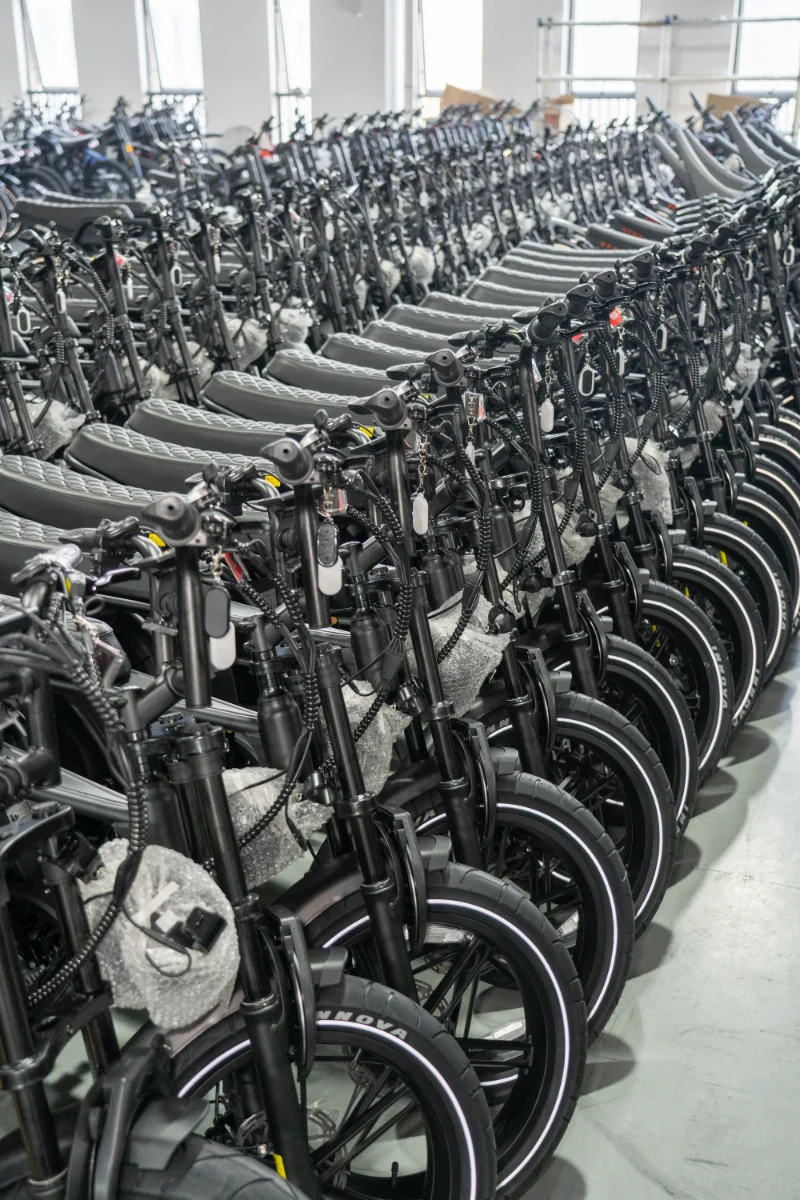
Why Fat Tires Matter in a Custom Electric Mountain Bike Design
Fat tire performance gives a custom electric mountain bike stronger traction, stability, and comfort for mixed terrain while supporting flexible OEM and ODM development.
Read More -
 Blogs
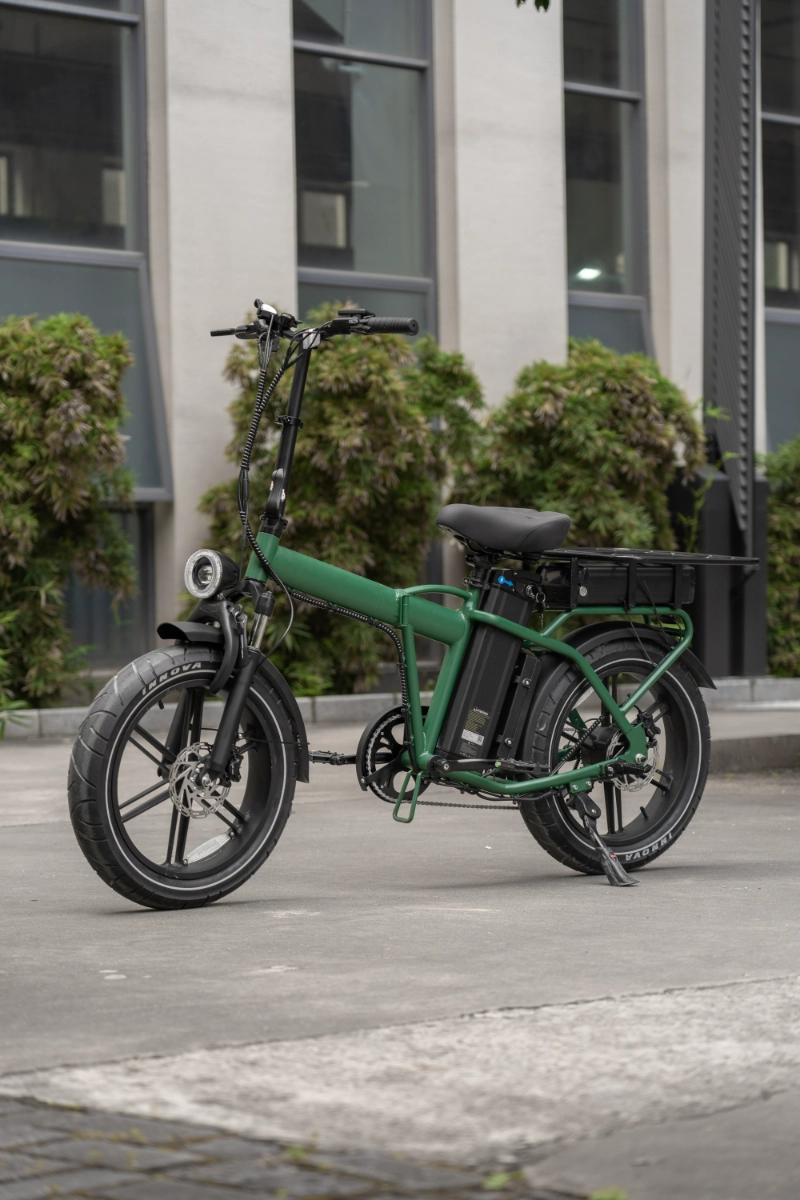
Urban Electric Bicycle Supplier for Custom Fat Tire Commuter E-Bikes
QMWHEEL provides custom urban electric bicycle solutions with fat tire designs, OEM and ODM support, and flexible configurations for global e-bike brands and distributors.
Read More