 The best design at the most affordable price
 info@qmwheel.com
 +86 18938656121


 English
 en
 it
 es
 tr
 sv
 pt
 cs
 nl
 ru
 fr
 de
 pl
 ar


Why Range Anxiety Matters for Electric Fat Tire Bikes
Range anxiety is the concern that an electric bicycle may run out of battery before reaching its destination or a convenient charging point. For riders who use a long range fat tire ebike for commuting, outdoor recreation, or mixed-terrain travel, this concern can influence route choices and overall riding confidence. Wide tires, changing road conditions, frequent stops, and steep inclines can all affect energy consumption, making realistic range planning more useful than relying on advertised distance alone.
Reducing range anxiety starts with understanding how the bicycle will be used. Daily commuters may prioritize predictable energy consumption and convenient charging, while recreational riders may need additional reserves for unfamiliar trails and longer detours. A well-matched battery, appropriate riding habits, and regular maintenance can help riders make better use of available energy.
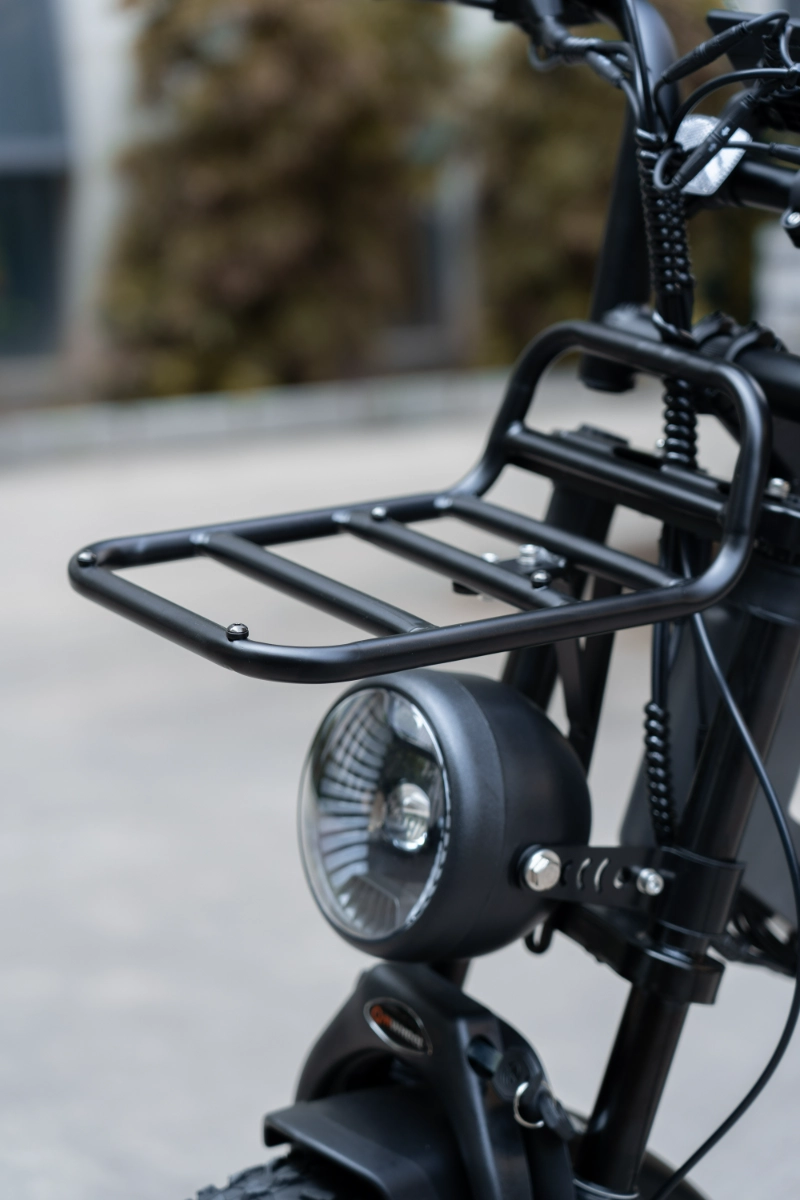
QMWHEEL's electric fat tire bicycles offer configurable battery options, giving buyers flexibility when selecting a product for different riding requirements.
How Battery Selection Supports Longer Rides
Battery capacity influences how much energy an electric bicycle can store, but capacity alone does not determine practical range. Motor efficiency, controller behavior, rider weight, terrain, temperature, and riding speed all affect how quickly stored energy is consumed. When comparing a long range electric fat tire bike, buyers should consider the relationship between battery capacity and the demands of their intended routes rather than treating a larger battery as an automatic guarantee of longer travel.
Battery selection should reflect typical journey length and access to charging. Riders who travel regularly between home and work may benefit from a predictable charging routine, while those who explore less familiar routes should plan for unexpected changes. A battery with sufficient reserve can provide greater flexibility, but unnecessary capacity may add weight and cost. The best choice balances range expectations with portability, riding comfort, and budget.
Riding Habits That Help Conserve Battery Energy
The way an electric fat tire bicycle is ridden can significantly influence its energy consumption. Repeated hard acceleration, sustained high speeds, and frequent climbing may use more energy than steady riding on relatively level roads. Applying assistance smoothly and anticipating traffic can reduce unnecessary power demand. Riders should also select an assistance level appropriate to the terrain instead of using maximum support throughout every journey.
Maintaining a consistent pace is particularly useful on longer trips. Accelerating gradually, easing off before stops, and choosing manageable routes can help improve energy efficiency without making the ride unnecessarily slow. On rough ground, riders should focus on controlled movement rather than forcing the bicycle through difficult sections. These habits can make a long range fat tire ebike for commuting and outdoor riding more predictable in everyday use.
Tire Pressure and Terrain Have a Direct Influence on Range
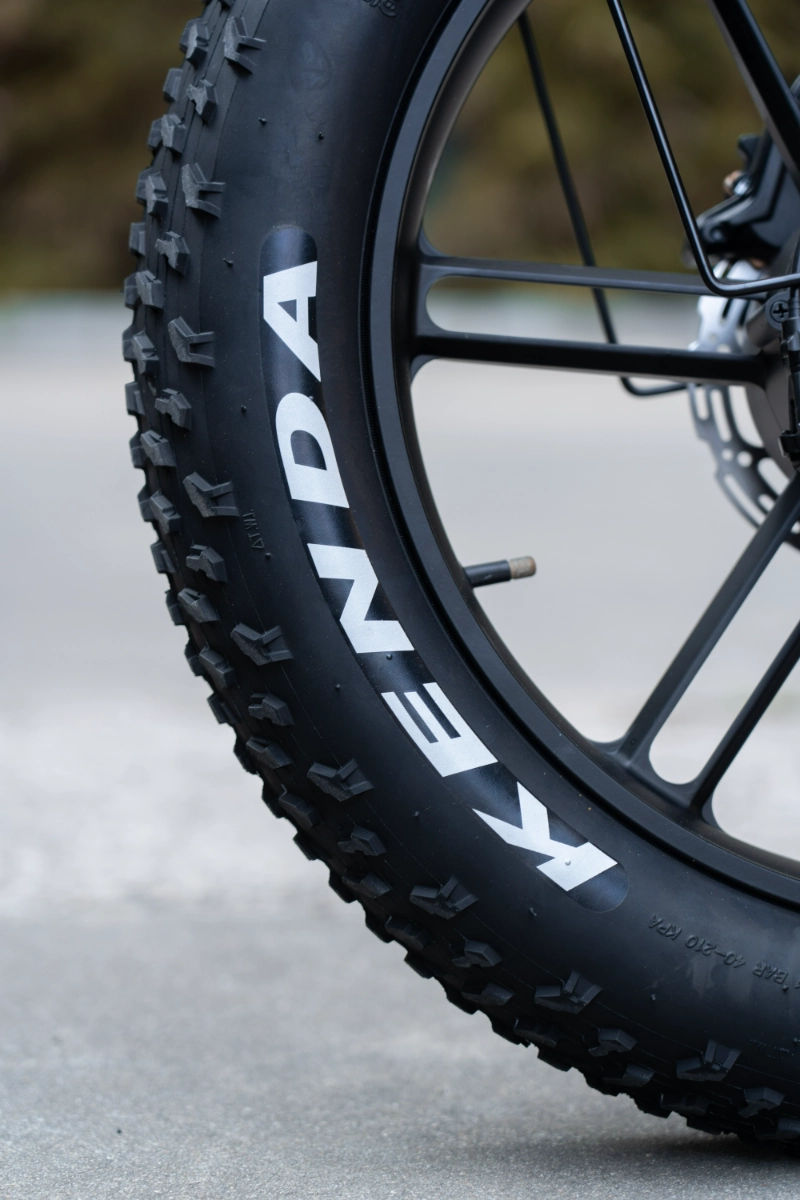
Wide tires provide useful traction and can help absorb some road irregularities, but their rolling resistance changes with tire pressure and surface conditions. Underinflated tires may require more energy on paved roads, while excessive pressure can reduce comfort or compromise grip on uneven surfaces. Riders should follow the manufacturer's recommended pressure range and adjust within those limits according to their load and riding environment.
Terrain also affects battery consumption. Smooth pavement generally requires less effort than soft dirt, loose gravel, or steep trails. Frequent elevation changes and repeated acceleration can further increase demand. Before a long journey, riders should consider the route surface, climbing requirements, and likely weather conditions. Choosing a route that matches the bicycle's capabilities is often more effective than trying to compensate for every difficult section with additional motor assistance.
Planning Routes to Avoid Unexpected Battery Shortages
Good route planning turns battery management into a practical routine. Before departure, riders should check the estimated distance, identify substantial climbs, and consider whether charging will be available along the way. An unfamiliar route may involve detours, surface changes, or delays, so planning to use the battery's full available capacity leaves little room for unexpected circumstances.
A useful approach is to set a personal return threshold based on experience with the bicycle. Rather than continuing until the battery indicator becomes low, riders can establish a reserve that accounts for route difficulty and access to assistance. Battery indicators are useful guides, but they may not predict remaining distance precisely because energy demand changes during the ride. Over time, tracking typical journeys helps riders develop more realistic expectations.
Practical Factors That Influence Electric Bike Range
Factor | Effect on energy use | Recommended action |
|---|---|---|
Riding speed | Higher speeds can increase demand | Maintain a suitable pace |
Tire pressure | Incorrect pressure can affect rolling resistance and grip | Follow tire guidance |
Terrain | Loose surfaces and climbs often require more energy | Plan for difficult sections |
Rider and cargo weight | Additional load can increase demand | Carry essential items only |
Riding style | Frequent acceleration may consume more energy | Apply assistance smoothly |
Battery condition | Wear can reduce usable capacity over time | Follow charging and storage guidance |
These factors work together, so a change in one area may not produce the same result under every condition. A rider carrying additional cargo on a rough route, for example, may experience different energy consumption from someone travelling at a steady pace on level pavement. Realistic range planning depends on the complete riding situation, not a single specification.
Battery Care for Consistent Long-Term Performance
Battery care is another important part of reducing range anxiety. Riders should use the appropriate charger, avoid exposing the battery to unsuitable temperatures, and follow the manufacturer's instructions for charging, storage, and inspection. Leaving a battery unused for extended periods without proper storage can affect its condition, while physical damage or abnormal heating should be treated seriously.
Regular bicycle maintenance also supports predictable performance. Worn tires, poorly adjusted brakes, and drivetrain friction can make riding less efficient or less comfortable. Checking these components before longer trips helps identify issues that might otherwise interrupt the journey. For an electric fat tire bike intended for frequent use, consistent maintenance is part of reliable ownership rather than an occasional task.
What Buyers Should Consider When Choosing a Long-Range E-Bike
For individual riders, the priority is finding a balance between practical range, comfort, weight, and charging convenience. A bicycle intended mainly for urban commuting may need a different battery configuration from one used for extended recreational rides. Buyers should review the manufacturer's range guidance, clarify the conditions behind any advertised figures, and assess whether the bicycle's features match their usual routes.
For international distributors, battery selection is also a product-positioning decision. QMWHEEL offers OEM/ODM customization and overseas warehouse support, allowing business buyers to discuss configuration and distribution requirements. Before ordering, importers should confirm battery specifications, charging compatibility, applicable transport and market regulations, warranty coverage, and replacement-part availability. Clear product information helps retailers set realistic customer expectations and reduces misunderstandings after delivery.
Frequently Asked Questions
How can I reduce range anxiety on a long range fat tire ebike?
Plan routes in advance, maintain appropriate tire pressure, use assistance levels suited to the terrain, and keep a reasonable battery reserve. Regular charging and maintenance also help make riding distance more predictable.
Does a larger battery always provide a longer riding range?
A larger battery can store more energy, but actual range also depends on motor efficiency, riding speed, terrain, load, temperature, and battery condition. The most suitable option depends on the intended journey and charging access.
Do fat tires reduce electric bicycle range?
Wide tires can increase rolling resistance compared with some narrower tires, depending on their construction, pressure, and the surface being ridden. Their traction and comfort benefits may still make them appropriate for mixed-terrain use.
What should distributors check when sourcing long-range electric fat bikes?
Distributors should confirm battery specifications, charging requirements, range claims, compliance documentation, customization options, warranty terms, and after-sales support before placing an order.
Reducing range anxiety requires a combination of suitable battery selection, efficient riding habits, route planning, and regular maintenance. By understanding the factors that influence energy consumption, riders can use a long range fat tire ebike with greater confidence and fewer unexpected interruptions. For buyers working with QMWHEEL, matching product configurations to genuine customer needs can also support clearer product positioning and more dependable ownership experiences.


-
 Blogs
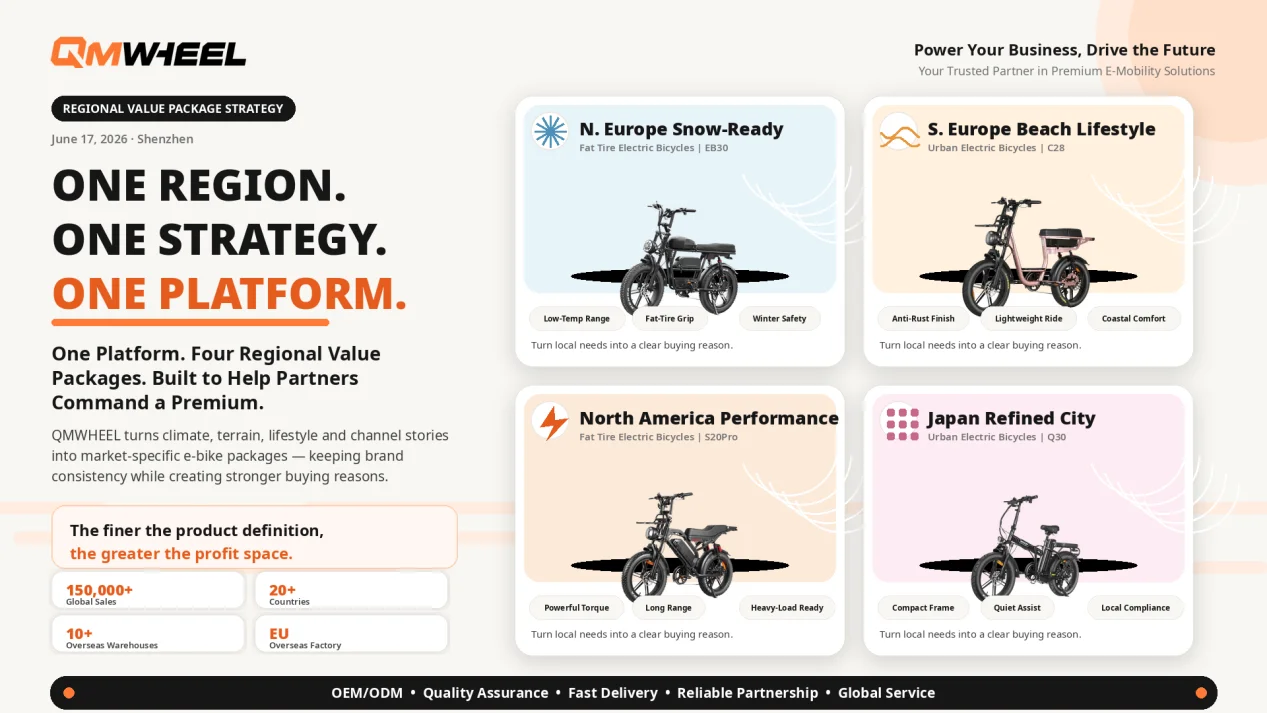
One Platform, Market by Market
Read More -
 Blogs
Biweekly Tea Party with Smartride Supplies B.V.: Where Laughter Sparks Ideas and Ease Builds Rapport
Read More -
 Blogs
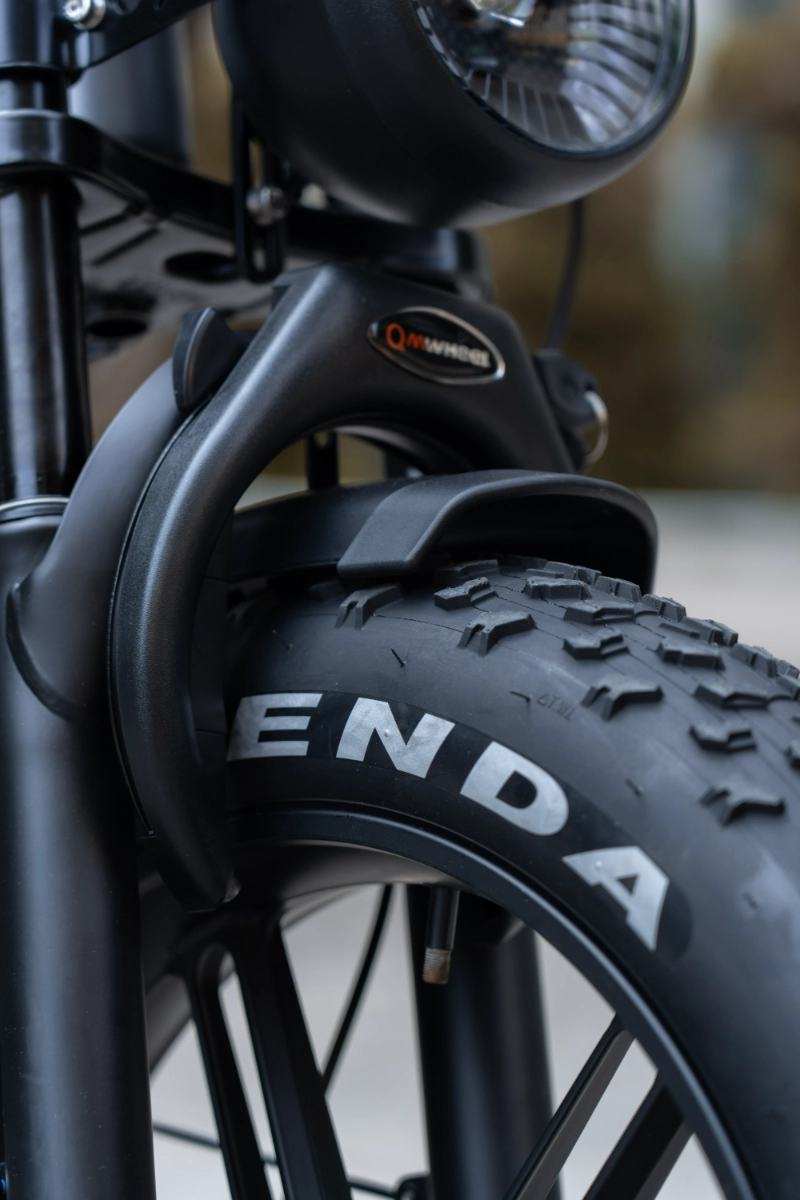
All Terrain Electric Fat Bike Design for Commuting and Off-Road Comfort
An all terrain electric fat bike combines wide tires, stable handling, and electric assistance for comfortable commuting and confident rides across varied terrain.
Read More -
 Blogs
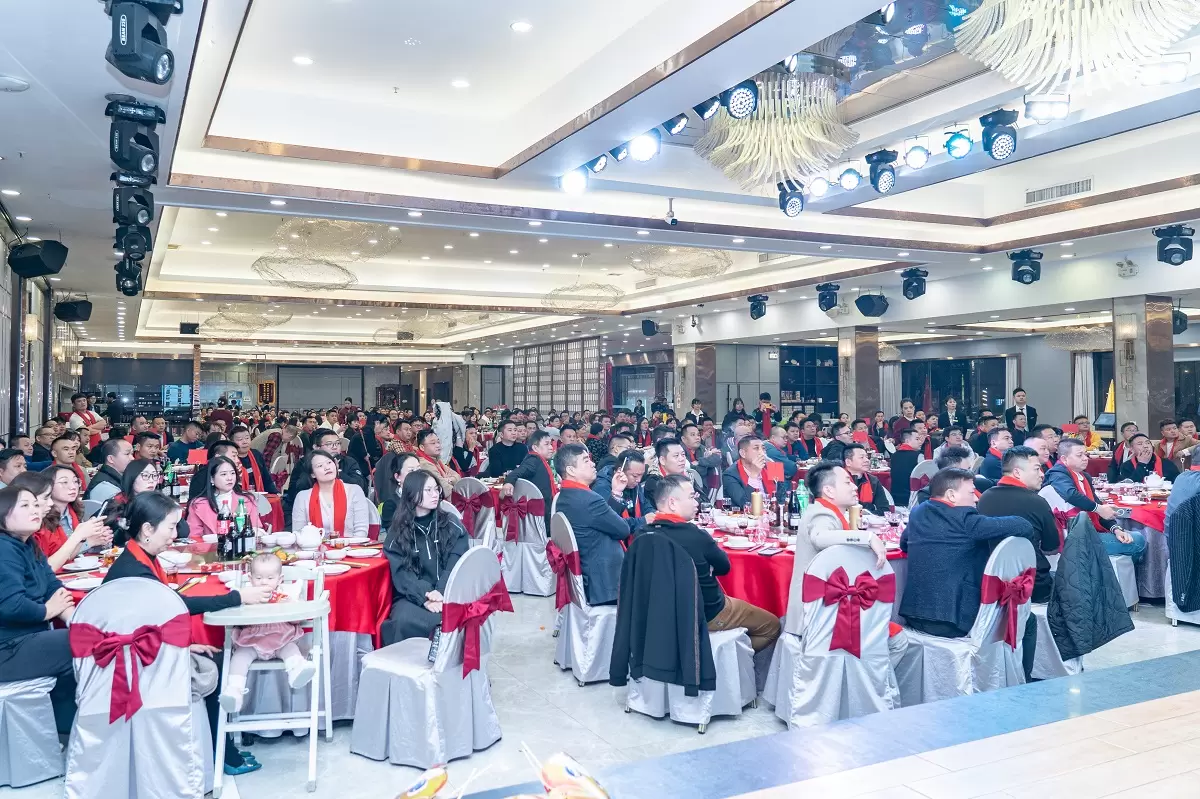
Culture Empowers, Performance Soars!
Record Growth Across All Sectors, New Goals Set for 2026 !
Read More -
 Blogs
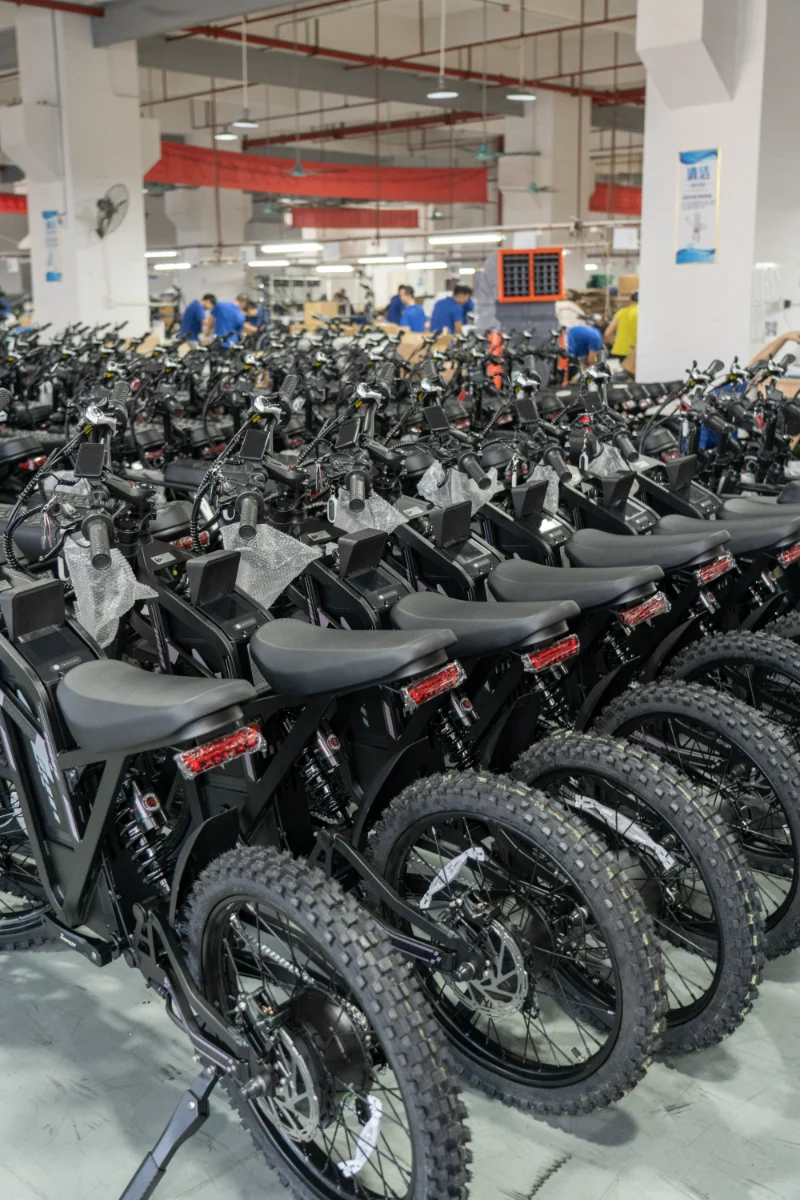
Dual Battery Fat Tire Electric Bike for Gravel Roads and Outdoor Adventures
A dual battery fat tire electric bike delivers extended riding range, improved traction on gravel roads, and added comfort for outdoor adventures and daily travel.
Read More -
 Blogs
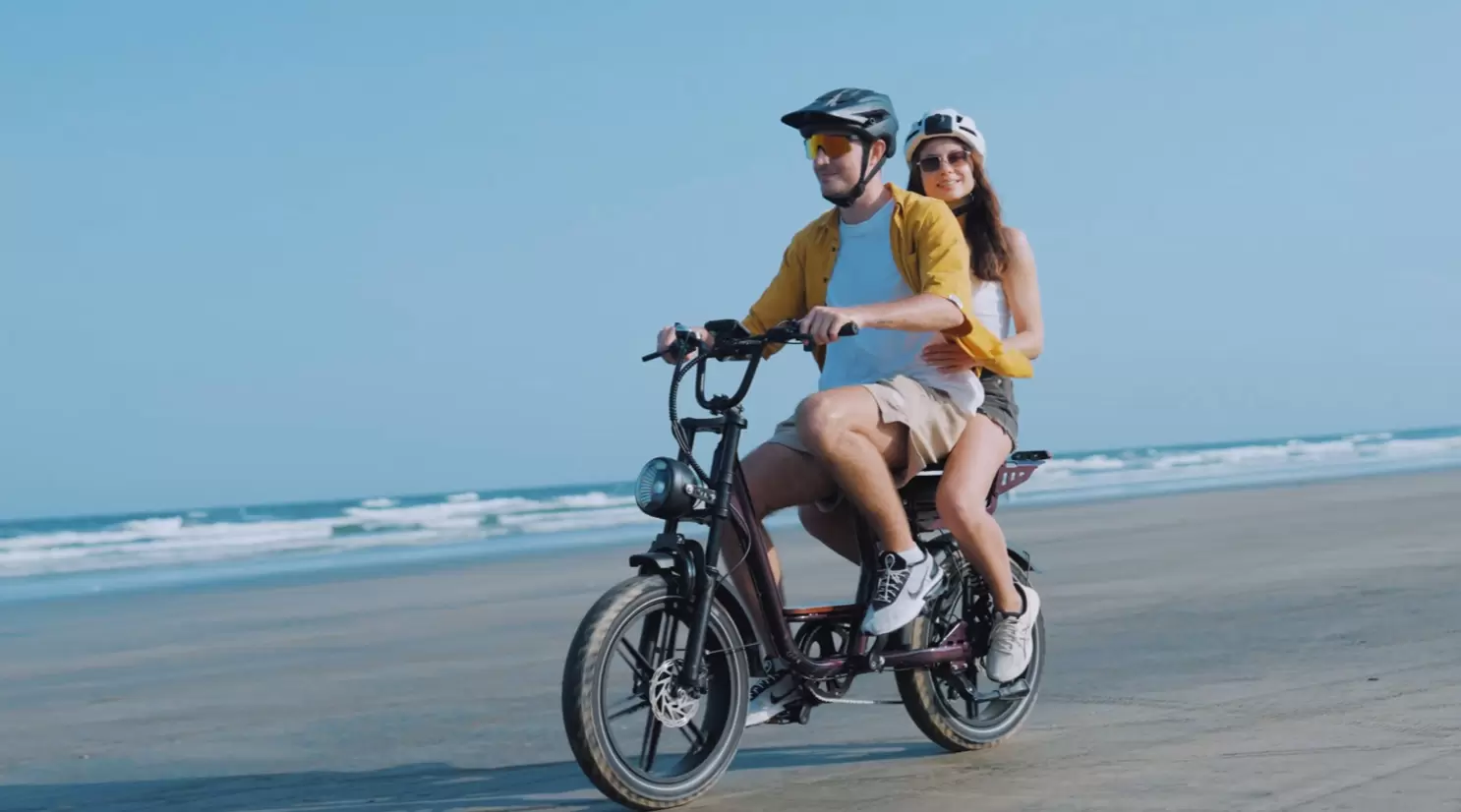
Custom Electric Commuter Bike: A Practical OEM Guide for Dealers and Brands Seeking Long-Term Market Growth
The global e-bike market continues to evolve, but one trend remains clear: distributors, retailers, and emerging brands are increasingly looking for products that match local rider preferences instead of relying on generic models.
Read More