 The best design at the most affordable price
 info@qmwheel.com
 +86 18938656121


 English
 en
 it
 es
 tr
 sv
 pt
 cs
 nl
 ru
 fr
 de
 pl
 ar


Why All-Terrain Design Matters for Everyday Riding
An all terrain electric fat bike needs to balance road efficiency, riding comfort, and dependable control across changing surfaces. Daily commuting often involves paved streets, junctions, uneven road edges, and occasional gravel paths, while recreational riding may lead to loose dirt, compacted trails, or rough ground. A well-considered design brings these requirements together instead of prioritizing a single riding environment. For riders, this means choosing a bicycle that feels manageable during routine journeys while remaining adaptable when the route changes.
The value of an all-terrain design comes from how its components work together. Tire construction affects grip, frame geometry influences handling, suspension helps manage impacts, and electric assistance supports movement across demanding sections. These features should be evaluated as a complete riding package rather than as isolated selling points. QMWHEEL focuses on electric fat tire bicycles that combine wide tires, practical frame design, and configurable power options for different riding preferences.
How Wide Tires Support Grip and Riding Comfort
Wide tires are a defining feature of an electric fat tire bike for mixed terrain. Their broad contact area can help maintain traction on loose gravel, dirt paths, and uneven surfaces, provided that tire pressure and tread are appropriate for the conditions. This can give riders greater confidence when transitioning between paved roads and unsealed routes. However, tire width alone does not guarantee superior grip, as surface moisture, tread design, tire condition, and riding technique also influence control.
For commuting, tire pressure should balance rolling resistance with comfort. Excessively soft tires may require more effort on smooth roads, while unsuitable inflation can reduce stability on rough ground. Riders should follow the manufacturer's recommendations and adjust pressure only within the permitted range. For distributors, explaining these practical differences helps customers understand why fat tire electric bikes for commuting and off-road use need to be assessed according to their intended applications.
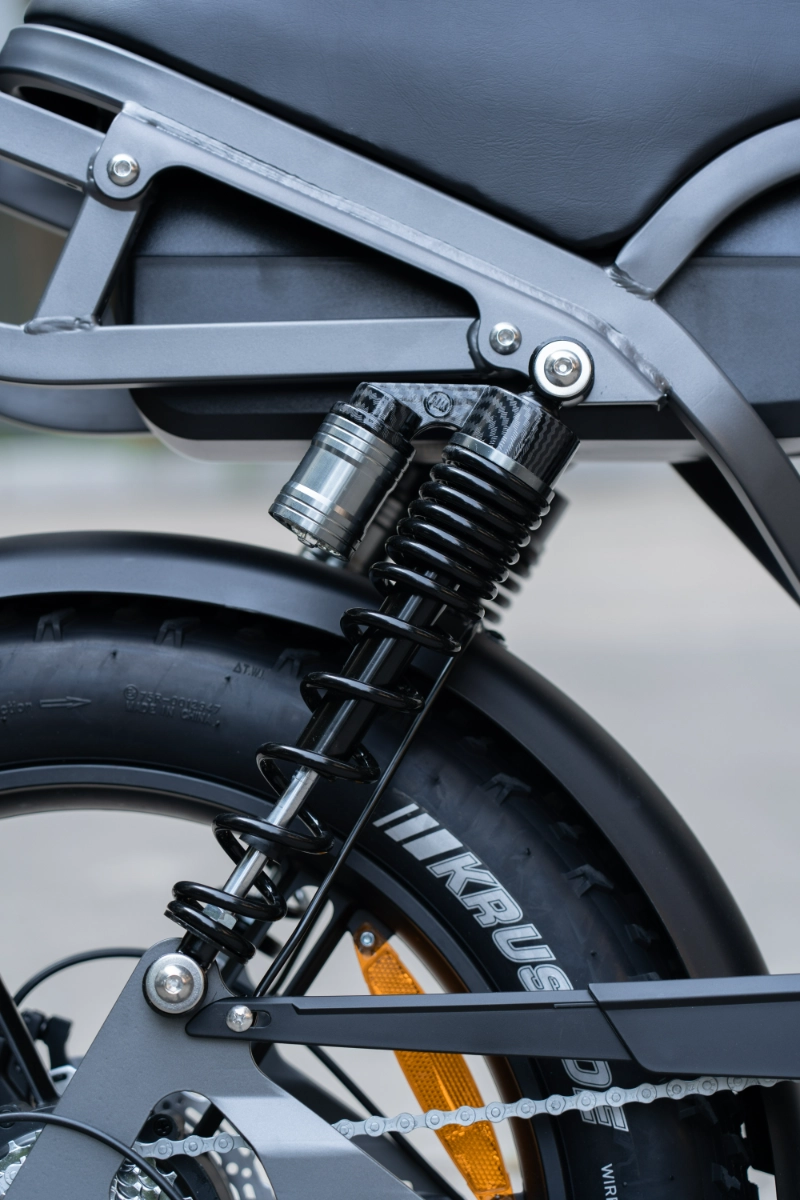
Frame Design and Suspension for a More Comfortable Ride
Frame construction influences durability, steering response, and the way a bicycle handles everyday loads. A steel frame can provide a sturdy foundation, but overall performance also depends on frame geometry, component integration, and manufacturing consistency. Buyers should consider whether the riding position supports comfortable journeys and whether the bicycle remains easy to control during slow-speed maneuvers, turns, and frequent stops.
Suspension contributes to comfort by reducing some of the impact transmitted from uneven ground to the rider. It can make rough paths more manageable, although it cannot eliminate every vibration or compensate for unsuitable riding conditions. A balanced design should allow the rider to maintain control without making ordinary road use unnecessarily cumbersome. When evaluating an electric mountain fat bike for mixed terrain, suspension quality and frame stability deserve attention alongside tire design.
Matching Electric Assistance to Different Riding Needs
Electric assistance can make everyday travel less demanding, particularly when routes include inclines, repeated stops, or longer distances. Yet choosing a suitable motor configuration requires more than selecting the highest available power rating. Acceleration behavior, controller settings, battery output, rider weight, and local regulations all influence the actual riding experience. Buyers should confirm how each configuration is intended to perform and whether it complies with the destination market's requirements.
For urban riders, smooth and predictable assistance may be more valuable than aggressive acceleration. Those who regularly encounter hills or loose surfaces may place greater importance on climbing support and consistent power delivery. The best all terrain electric fat bike is therefore not necessarily the most powerful option, but one whose assistance characteristics match the rider's route, experience, and expectations.
Battery Planning for Commuting and Outdoor Trips
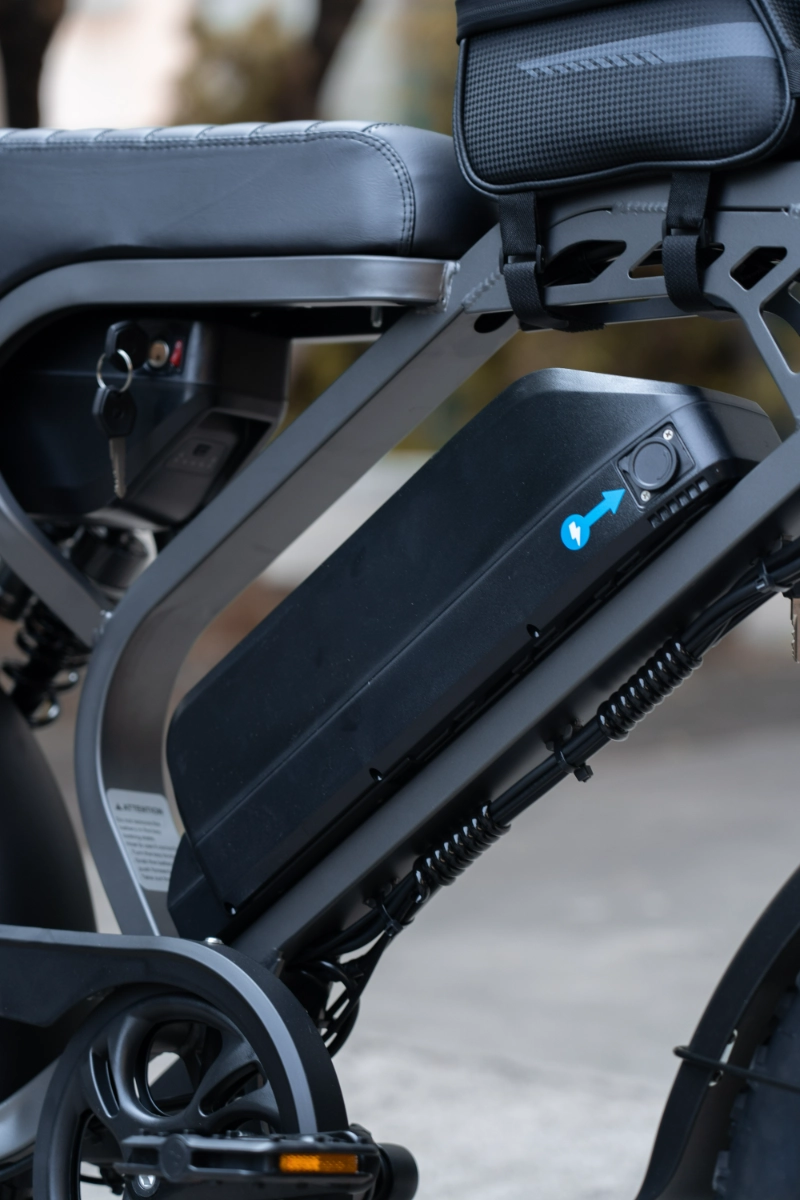
Battery selection affects convenience, carrying weight, and the distance a rider can cover between charges. A suitable battery should support normal travel needs while leaving enough reserve for route changes, challenging surfaces, and environmental conditions. Actual range varies with riding speed, terrain, temperature, payload, tire pressure, and the level of electric assistance. Advertised distance should therefore be treated as a guide rather than a guaranteed outcome for every journey.
Commuters benefit from considering where and how the battery will be charged. A practical charging routine can reduce the risk of arriving at a destination with insufficient power, while removable battery arrangements may offer greater flexibility where indoor charging is available. For outdoor riding, planning should account for the possibility that loose ground and repeated climbs will consume more energy than steady travel on paved roads.
Comparing Key Design Priorities Across Riding Environments
Different routes place different demands on an electric fat tire bicycle. Understanding these differences makes product selection more precise and helps buyers avoid paying for features that do not support their main use.
Riding environment | Main design priority | What buyers should assess |
|---|---|---|
Urban streets | Predictable handling | Braking response, riding position, and rolling efficiency |
Gravel paths | Consistent traction | Tire tread, inflation guidance, and steering stability |
Uneven trails | Impact management | Suspension function and frame control |
Hilly routes | Effective assistance | Motor response and battery planning |
Everyday utility riding | Practical usability | Carrying arrangements, maintenance, and overall weight |
This comparison also highlights why a single specification rarely determines the quality of an all-terrain bicycle. Balanced component selection is more useful than emphasizing one feature without considering its relationship to the rest of the design.
Braking Control and Routine Maintenance
Braking performance is especially important when road conditions change unexpectedly. Hydraulic brakes can offer responsive control, but their effectiveness still depends on correct installation, pad condition, rotor condition, and regular inspection. Riders should understand how the brakes respond in wet conditions and avoid assuming that a particular brake type removes the need for maintenance.
Tires, suspension components, fasteners, and electrical connections also require periodic checks. Regular maintenance can identify wear before it affects handling or reliability. For buyers comparing an all terrain electric fat bike for sale, access to replacement components and clear maintenance guidance should be part of the decision. These details influence the ownership experience long after the initial purchase.
What International Buyers Should Consider When Sourcing
For overseas distributors, product selection involves more than identifying attractive design features. Buyers need to assess consistency between product specifications, promotional materials, packaging information, and the actual configuration supplied. They should also confirm destination-market requirements, warranty arrangements, spare-parts availability, delivery schedules, and the scope of technical support before committing to an order.
QMWHEEL offers OEM/ODM customization and overseas warehouse support for business customers. These capabilities may help importers and e-bike brands coordinate product presentation and distribution requirements. Before ordering, buyers should clarify available customization options, branding arrangements, minimum order quantities, quality inspection procedures, and after-sales responsibilities. Clear communication before production helps reduce specification misunderstandings and supports more consistent purchasing decisions.
Frequently Asked Questions
Is an all terrain electric fat bike suitable for commuting?
Yes. Its wide tires and electric assistance can support everyday transportation as well as occasional gravel or dirt-road riding. Buyers should still assess overall weight, handling, braking performance, storage, and local regulations.
Do wide tires make off-road riding easier?
Wide tires can improve traction on certain loose surfaces and help absorb some road irregularities. Their performance depends on tread, pressure, surface conditions, and riding technique, so they are not automatically suitable for every trail.
What matters most when choosing an electric fat bike for mixed terrain?
The most important factors are the balance between tire grip, frame stability, suspension, braking control, motor assistance, and battery requirements. The intended route should guide the choice rather than any single feature.
What should distributors check before ordering from QMWHEEL?
Distributors should confirm product configurations, customization scope, compliance documentation, quality control, warranty terms, replacement-part availability, and delivery arrangements before placing an order.
An effective all-terrain electric bicycle combines comfort, control, and practical performance across different riding environments. By evaluating the relationship between its tires, frame, suspension, brakes, and electric assistance, riders can make more informed choices. For international buyers, working with a supplier such as QMWHEEL and confirming product and support requirements in advance can help align the final offering with customer expectations and market needs.


-
 Blogs
Durable Electric Bike for Adults Seeking Comfort on Long Daily Rides
Durable electric bike designs combine wide tires, suspension, strong braking, and practical battery options for comfortable, stable commuting across varied roads and longer daily rides.
Read More -
 Blogs
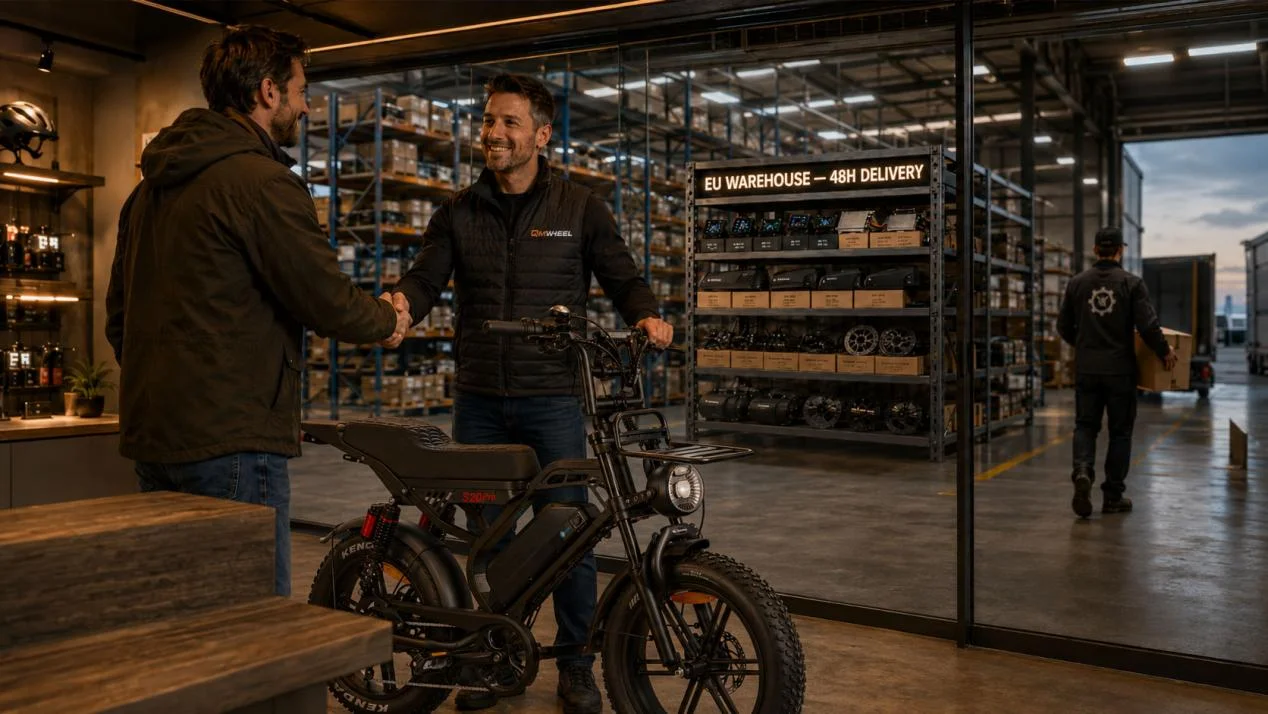
Service Isn't a Promise, It's a Shelf in Our European Warehouse
Read More -
 Blogs
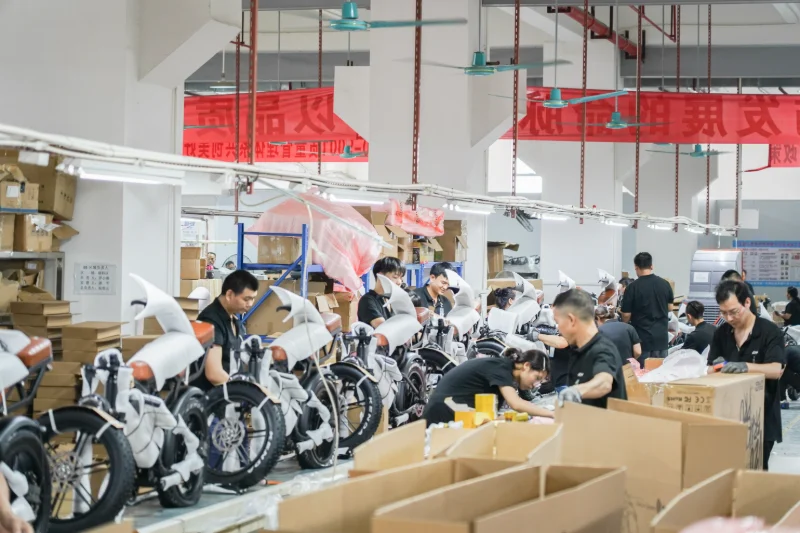
All Terrain Electric Bicycle OEM Solutions for Outdoor Travel
Build an all terrain electric bicycle for outdoor travel with OEM customization, durable design, battery options and certification support for global brands.
Read More -
 Blogs
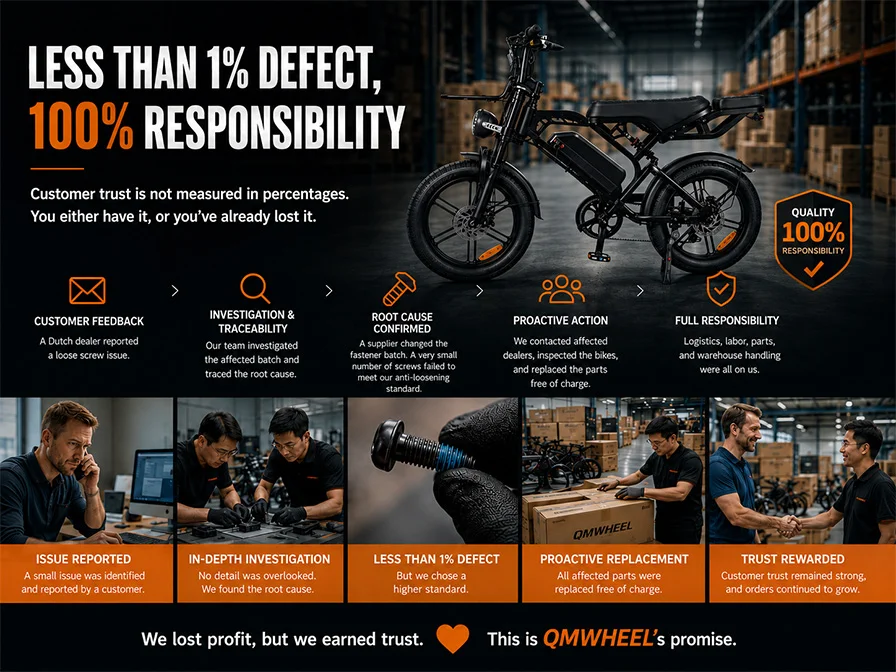
Less Than 1% Defect, 100% Responsibility
Read More -
 Blogs
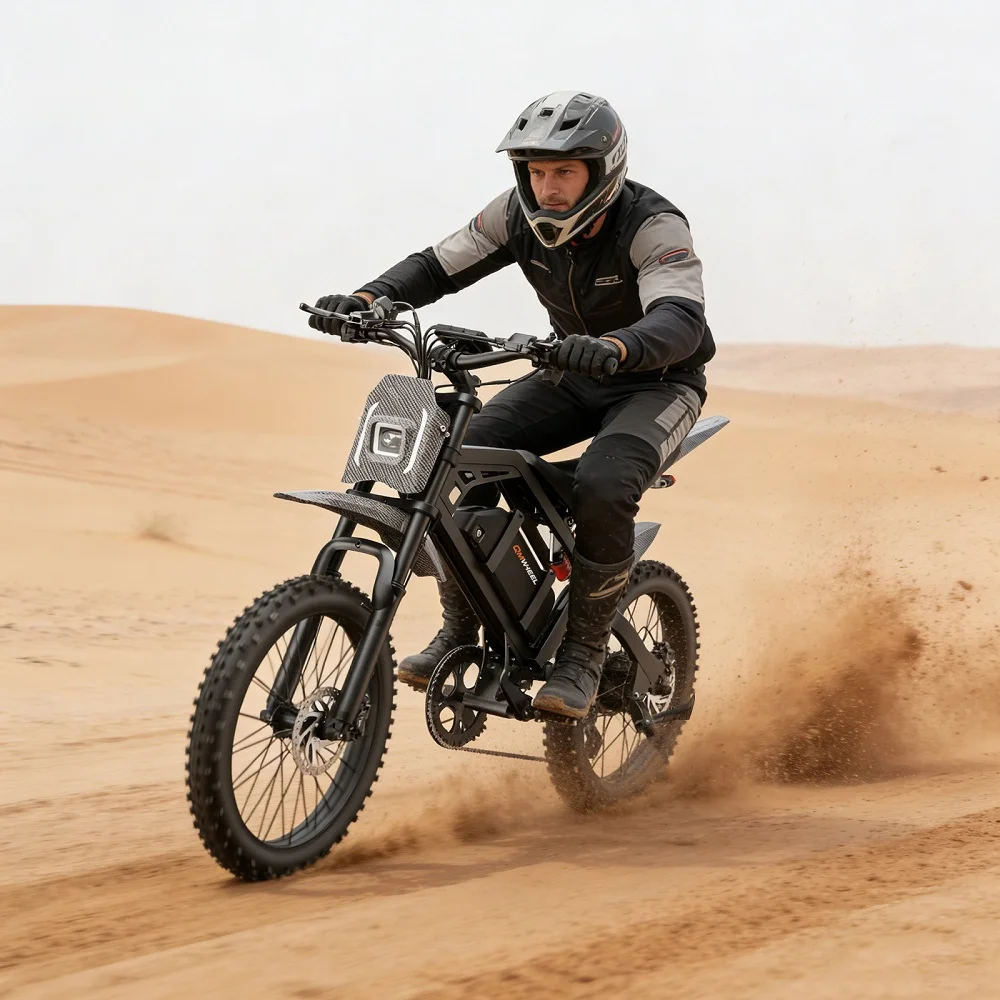
Custom Electric Fat Bike Solutions for Growing Global E Bike Brands
Built for global brands, a custom electric fat bike offers flexible design, battery and accessory options, rapid prototyping and OEM support for growth.
Read More -
 Blogs
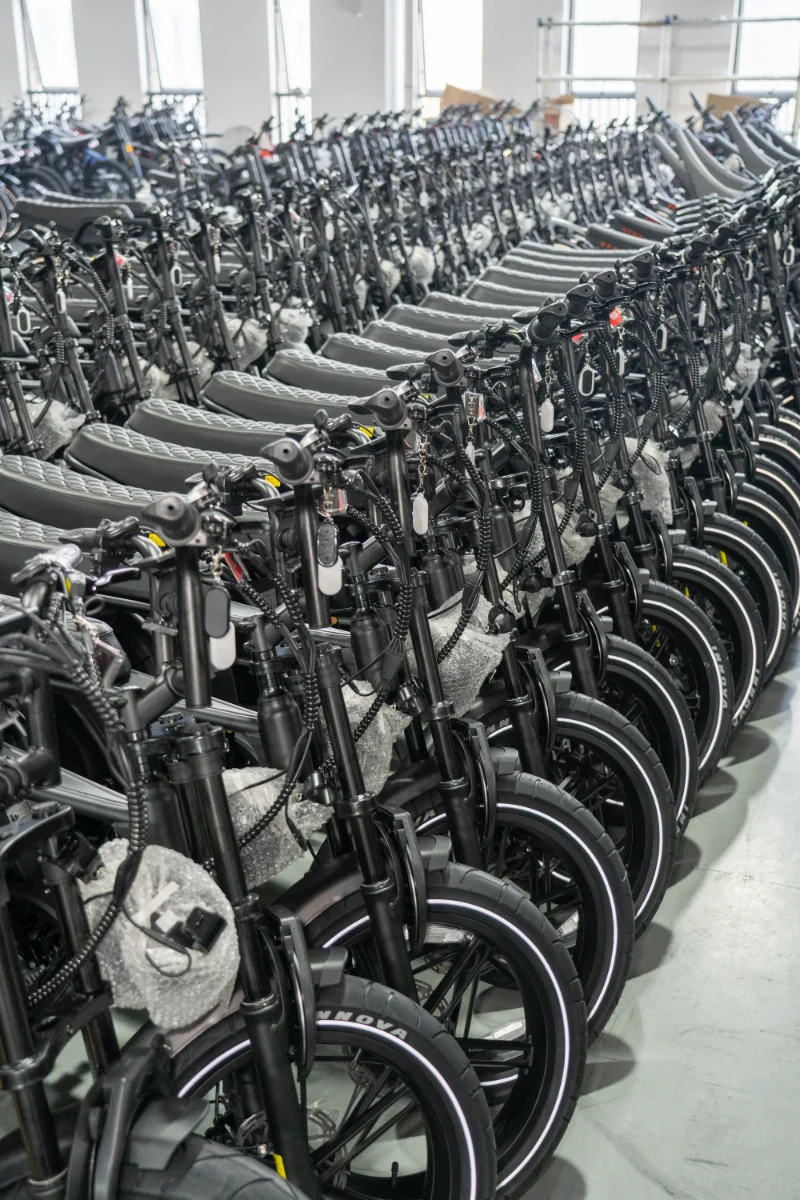
Why Fat Tires Matter in a Custom Electric Mountain Bike Design
Fat tire performance gives a custom electric mountain bike stronger traction, stability, and comfort for mixed terrain while supporting flexible OEM and ODM development.
Read More