 The best design at the most affordable price
  info@qmwheel.com
  +86 18938656121


 English
  en
en  it
it  es
es  tr
tr  sv
sv  pt
pt  cs
cs  nl
nl  ru
ru  fr
fr  de
de  pl
pl  ar
ar 

The global e-bike market continues to evolve, but one trend remains clear: distributors, retailers, and emerging brands are increasingly looking for products that match local rider preferences instead of relying on generic models. For many businesses, investing in a custom electric commuter bike program has become a more effective strategy than competing solely on price.
Whether you are an established bicycle distributor, a mobility startup, an online retailer, or a regional brand planning to expand your product line, customization can help differentiate your offerings, improve customer satisfaction, and build long-term brand value.
This article explores how OEM customization works in the commuter e-bike sector, which features are worth customizing, common challenges dealers face, and how to select a manufacturing partner capable of supporting sustainable business growth.
Why the Demand for Custom Electric Commuter Bikes Is Increasing
Urban transportation habits have changed significantly over the past few years. More consumers are choosing e-bikes for daily commuting, weekend leisure riding, and short-distance transportation.
However, rider expectations vary considerably across regions.
For example:
European riders often prioritize comfort, reliability, and compliance with local regulations.
North American customers may prefer higher power output, larger batteries, and fat tire configurations.
Delivery riders typically focus on durability and extended range.
Urban commuters usually seek lightweight designs and convenient charging options.
Because of these differences, a one-size-fits-all approach rarely achieves the best market performance.
A custom electric commuter bike allows dealers and brands to align product specifications with actual customer demand rather than selling a standard model that may not fully satisfy local users.
Customization also creates stronger product differentiation, making it easier to avoid direct price competition with identical products available from multiple suppliers.
What Does a Custom Electric Commuter Bike Actually Mean?
Many buyers assume customization only involves changing colors or adding a logo. In reality, OEM customization can cover a wide range of technical and commercial requirements.
A professional customization program may include:
Frame Design Adjustments
Frame geometry directly affects rider comfort.
Different markets may require:
Step-through frames
High-step commuter frames
Folding commuter designs
Long-tail cargo commuter platforms
Low-maintenance urban frames
Adjusting frame dimensions can improve ergonomics for specific rider groups and increase overall market acceptance.
Motor Configuration
Motor selection significantly impacts riding experience.
Depending on market requirements, a custom electric commuter bike may use:
Rear hub motors
Mid-drive motors
250W systems for EU compliance
500W systems for urban transportation
Higher-output systems for demanding terrain
The right motor configuration helps balance performance, efficiency, and regulatory compliance.
Battery Solutions
Battery specifications are among the most frequently customized components.
Common options include:
Different battery capacities
Integrated battery designs
Removable battery systems
Extended-range battery packs
Dual-battery configurations
Dealers often select battery configurations according to local commuting distances and charging habits.
Tire Selection
Although commuter bikes traditionally use narrower tires, many markets increasingly favor fat tire designs because of their versatility.
Benefits include:
Improved comfort
Better road stability
Enhanced traction
Reduced impact from rough surfaces
Greater confidence for inexperienced riders
As a result, many distributors now combine commuter-oriented features with fat tire platforms to appeal to a broader customer base.
Display and Electronics
Modern riders expect intuitive electronic systems.
Customization options often include:
LCD displays
Color screens
Mobile app integration
GPS functionality
Anti-theft features
Smart diagnostics
These features can increase perceived value and strengthen a brand's market position.
Key Advantages for Dealers and Distributors
Customization requires additional planning, but the benefits often outweigh the initial effort.
Stronger Brand Identity
Private labeling allows businesses to establish independent market recognition.
Rather than promoting a manufacturer's brand, distributors can build:
Brand awareness
Customer loyalty
Premium positioning
Repeat sales opportunities
Over time, brand ownership can become one of the most valuable assets in the business.
Better Market Fit
Products designed around local consumer preferences generally achieve higher conversion rates.
A custom electric commuter bike can be optimized for:
Local regulations
Rider demographics
Infrastructure conditions
Seasonal weather patterns
Competitive positioning
This reduces the risk of stocking products that fail to resonate with customers.
Improved Profit Margins
Unique products are less vulnerable to direct price comparisons.
When competitors cannot easily source identical specifications, dealers gain greater pricing flexibility and often achieve healthier margins.
Enhanced Customer Retention
Customers who are satisfied with product performance are more likely to:
Recommend the brand
Purchase accessories
Upgrade in the future
Return for service support
A carefully customized product can therefore contribute to long-term customer retention.
Essential Customization Areas That Influence Sales
Not every customization option delivers equal value.
Experienced distributors usually focus on features that directly impact purchasing decisions.
Riding Comfort
Comfort remains one of the most important factors for commuter riders.
Popular upgrades include:
Suspension forks
Suspension seat posts
Ergonomic saddles
Adjustable stems
Comfort grips
These features are often more influential than purely cosmetic changes.
Range Performance
Consumers consistently ask about battery range.
While actual range depends on numerous factors, improving battery capacity can significantly increase market appeal.
Many successful commuter models target practical daily usage rather than unrealistic marketing claims.
Cargo Capacity
Urban transportation increasingly includes grocery shopping, package delivery, and family transportation.
Customization options may include:
Rear racks
Front baskets
Cargo platforms
Child seat compatibility
Trailer attachment systems
These additions expand the bike's usability and customer appeal.
Lighting Systems
Reliable lighting improves both safety and user experience.
Common upgrades include:
Integrated front lights
Rear brake lights
Turn indicators
High-visibility systems
Such features are especially valuable in markets where commuters frequently ride in low-light conditions.
Why Quality Control Matters More Than Low Pricing
Many buyers initially focus on unit pricing when sourcing products.
However, experienced distributors understand that after-sales costs often have a greater impact on profitability.
Poor quality can lead to:
Warranty claims
Replacement expenses
Negative reviews
Customer dissatisfaction
Brand reputation damage
This is why selecting a manufacturer with strong quality management processes is critical.
A reliable OEM partner should maintain quality control across:
Raw Materials
High-quality materials help ensure:
Structural integrity
Corrosion resistance
Long-term durability
Core Components
Key systems requiring strict inspection include:
Motors
Controllers
Battery packs
Wiring systems
Braking components
Assembly Procedures
Even premium components can underperform if assembly standards are inconsistent.
Professional manufacturers typically implement multiple inspection stages throughout production.
Final Vehicle Testing
Comprehensive testing should verify:
Electrical performance
Battery functionality
Brake operation
Frame alignment
Road performance
These procedures help minimize defects before shipment.
The Importance of Spare Parts Availability
One issue frequently overlooked during supplier evaluation is spare parts support.
A dealer may successfully launch a product, only to encounter difficulties obtaining replacement components months later.
When evaluating a custom electric commuter bike supplier, consider whether they can provide:
Original batteries
Controllers
Displays
Chargers
Tires
Brake components
Frame accessories
Reliable spare parts availability helps reduce service delays and improve customer satisfaction.
It also enables distributors to maintain inventory continuity throughout the product lifecycle.
The Role of Overseas Assembly in Modern E-Bike Supply Chains
Global supply chains have become increasingly complex.
For many distributors, overseas assembly capabilities now represent a significant competitive advantage.
Local assembly operations can help businesses:
Reduce delivery times
Improve supply flexibility
Enhance after-sales responsiveness
Support regional compliance requirements
In the European market, local assembly resources can be particularly valuable for ensuring efficient product distribution and service support.
For distributors seeking long-term stability, a manufacturer with international operational capabilities may offer advantages beyond simple production capacity.
Regulatory Considerations Before Customization
Before launching a customized model, businesses should carefully review applicable regulations.
Requirements vary by region and may affect:
Motor Power
Different countries establish different limits for:
Continuous rated power
Maximum assisted speed
Throttle functionality
Battery Transportation
Lithium battery transportation requires compliance with relevant shipping regulations.
Failure to meet requirements can result in delays and increased logistics costs.
Product Certifications
Depending on the target market, certifications may be necessary for:
Electrical systems
Battery safety
Mechanical performance
Environmental compliance
An experienced OEM partner can often provide valuable guidance throughout this process.
Common Mistakes Dealers Make When Developing Custom Models
Many businesses enter customization projects with enthusiasm but limited planning.
The following mistakes are common.
Prioritizing Appearance Over Functionality
Visual differentiation is important, but performance has a greater impact on customer satisfaction.
A distinctive paint scheme cannot compensate for poor riding quality.
Choosing Specifications Without Market Research
Successful products are usually based on customer demand rather than assumptions.
Dealers should gather feedback from:
Existing customers
Retail partners
Service technicians
Industry distributors
Ignoring Service Requirements
Products must remain serviceable after delivery.
Maintenance considerations should be integrated into the design process from the beginning.
Selecting Suppliers Solely Based on Price
The lowest quotation often results in higher long-term costs.
Quality, support capability, production consistency, and spare parts availability should all be considered during supplier evaluation.
How to Evaluate an OEM Partner for Custom Electric Commuter Bikes
Choosing the right manufacturing partner is one of the most important decisions in the project.
Consider the following criteria.
Engineering Capability
A qualified supplier should possess:
Product development expertise
Mechanical engineering resources
Electrical engineering support
Prototype development capability
Manufacturing Capacity
Production capacity should align with future growth plans.
Questions to ask include:
Monthly output capacity
Production lead times
Scalability
Seasonal flexibility
Quality Management
Review quality procedures, testing standards, and inspection protocols.
Consistency is often more important than maximum production volume.
Supply Chain Stability
A strong supplier network helps minimize production disruptions.
Stable sourcing is particularly important for batteries, motors, and electronic components.
After-Sales Support
Support services should extend beyond product delivery.
Look for partners capable of providing:
Technical documentation
Warranty assistance
Spare parts programs
Service training
Future Trends in the Custom Electric Commuter Bike Market
The commuter e-bike sector continues to evolve.
Several trends are expected to influence future customization projects.
Smart Connectivity
More riders are requesting:
Mobile applications
GPS tracking
Remote diagnostics
Theft protection systems
Longer Battery Life
Battery technology improvements continue to enhance:
Range
Charging speed
Service life
Sustainable Materials
Environmental considerations increasingly influence purchasing decisions.
Manufacturers are exploring:
Recyclable materials
Eco-friendly production methods
Sustainable packaging solutions
Modular Designs
Modular platforms allow dealers to create multiple product variants from a common architecture.
This approach can reduce development costs while expanding market coverage.
Conclusion
The market for customized commuter e-bikes is becoming increasingly competitive, making product differentiation more important than ever. A well-designed custom electric commuter bike can help distributors, retailers, and emerging brands align products with local demand, strengthen brand identity, improve profit margins, and create long-term customer loyalty.
However, successful customization goes far beyond adding a logo or changing colors. The most effective projects focus on practical factors such as frame design, battery performance, motor configuration, riding comfort, spare parts availability, regulatory compliance, and after-sales support.
For businesses evaluating OEM opportunities, the ideal manufacturing partner is not simply the lowest-cost supplier. Instead, it is a partner capable of delivering consistent quality, reliable spare parts support, strong engineering resources, and global operational capabilities. By approaching customization strategically and focusing on long-term market needs, dealers can build sustainable growth and stronger competitive advantages in the rapidly expanding e-bike industry.


-
 Blogs
Blogs
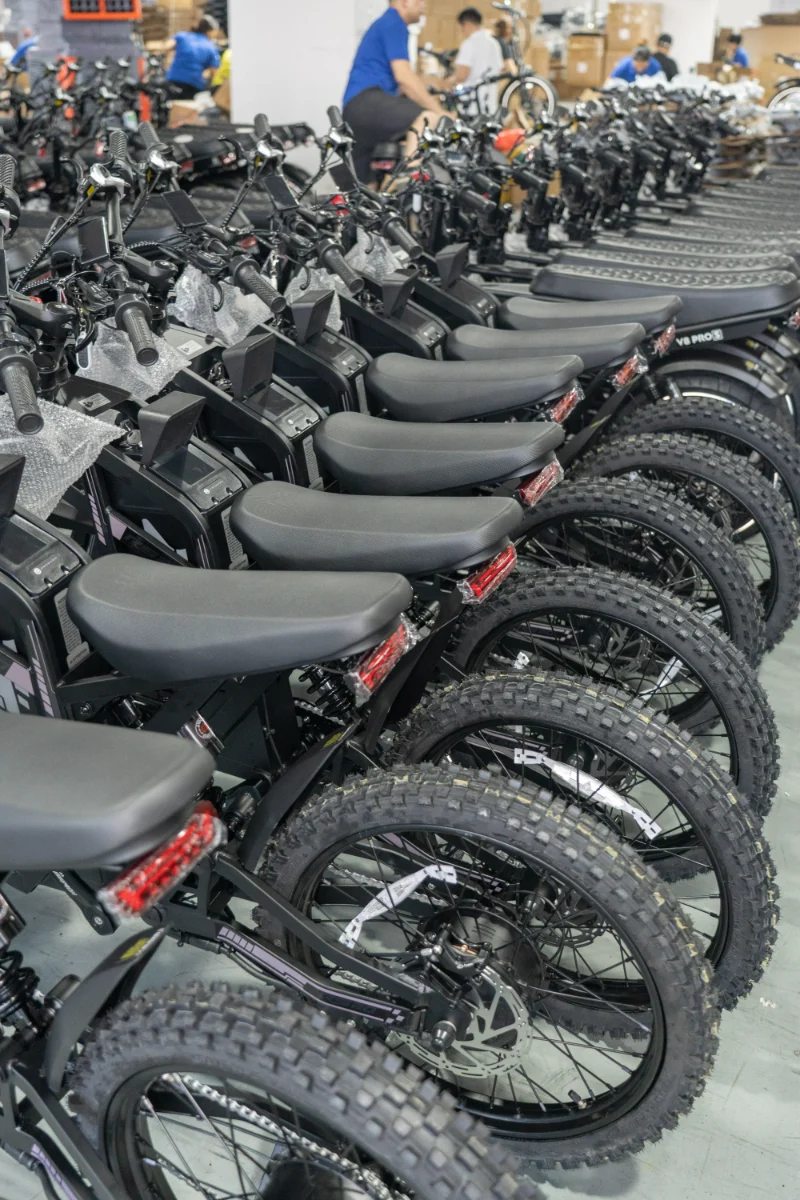
All Terrain Fat Tire Electric Bike with Long Range Dual Battery Options
Explore how an all terrain fat tire electric bike with dual battery options supports longer rides, improved traction, and comfortable travel across mixed terrain.
Read More -
 Blogs
Blogs
We Don't Need More Orders, WE Need the Right Ones
Read More -
 Blogs
Blogs
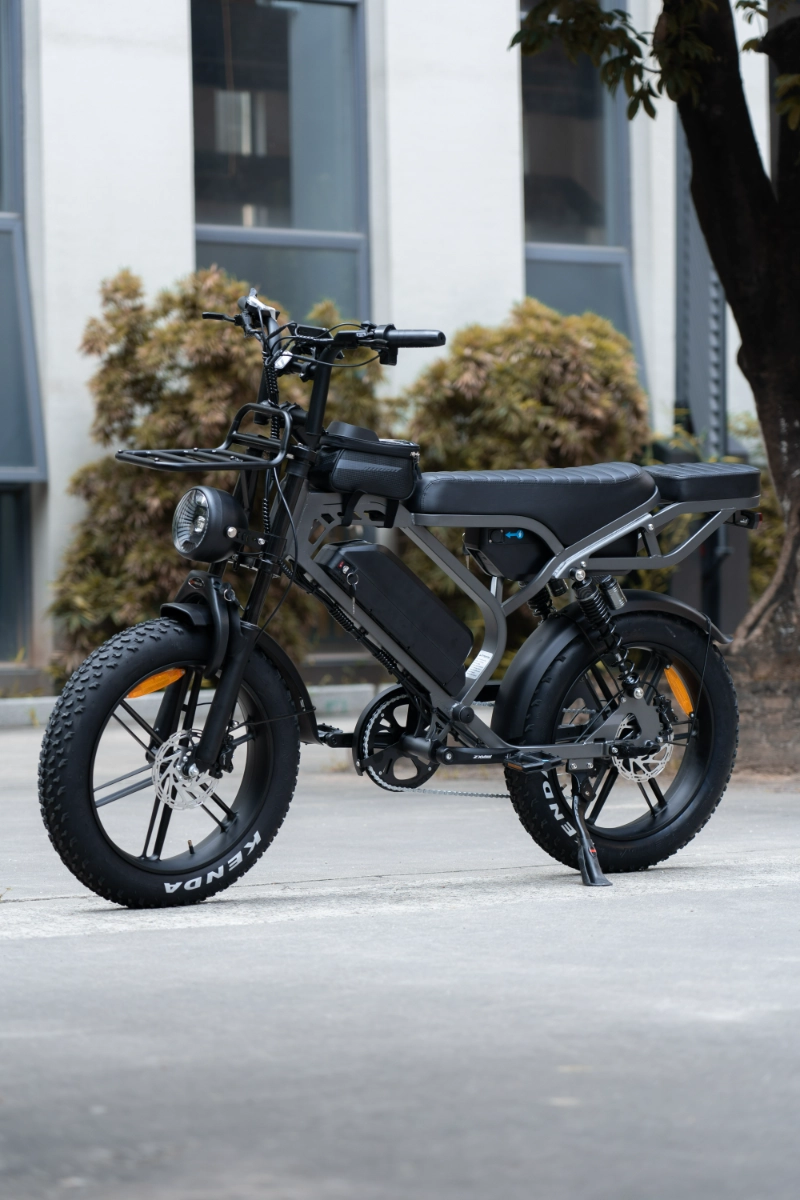
How OEM Custom Fat Tire Electric Bikes Help Brands Reach Niche Markets
A custom fat tire electric bike helps brands stand out with distinctive styling, practical features, and OEM options tailored to niche markets and retail needs.
Read More -
 Blogs
Blogs
QMWHEEL Team Building | Gather Strength, Move Fast, Reach New Peaks
QMWHEEL’s beach team building activity strengthens teamwork, trust and team cohesion, inspiring employees to work together, move forward and achieve new goals.
Read More -
 Blogs
Blogs
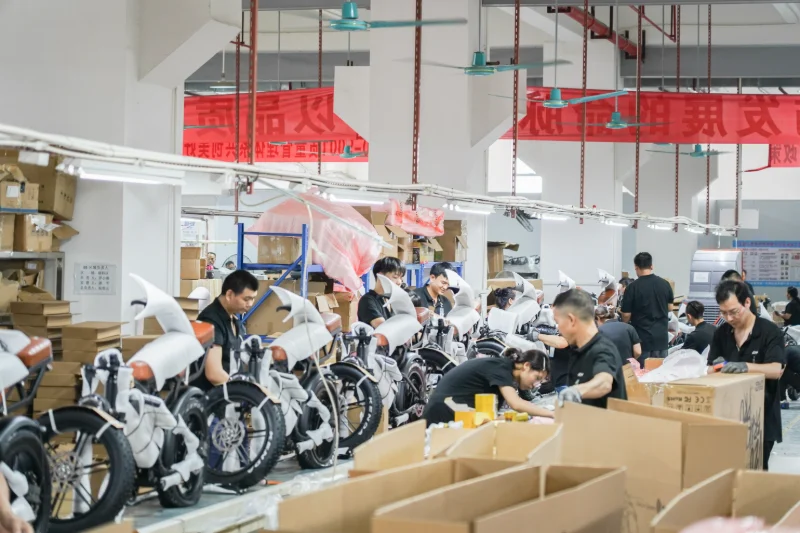
All Terrain Electric Bicycle OEM Solutions for Outdoor Travel
Build an all terrain electric bicycle for outdoor travel with OEM customization, durable design, battery options and certification support for global brands.
Read More -
 Blogs
Blogs
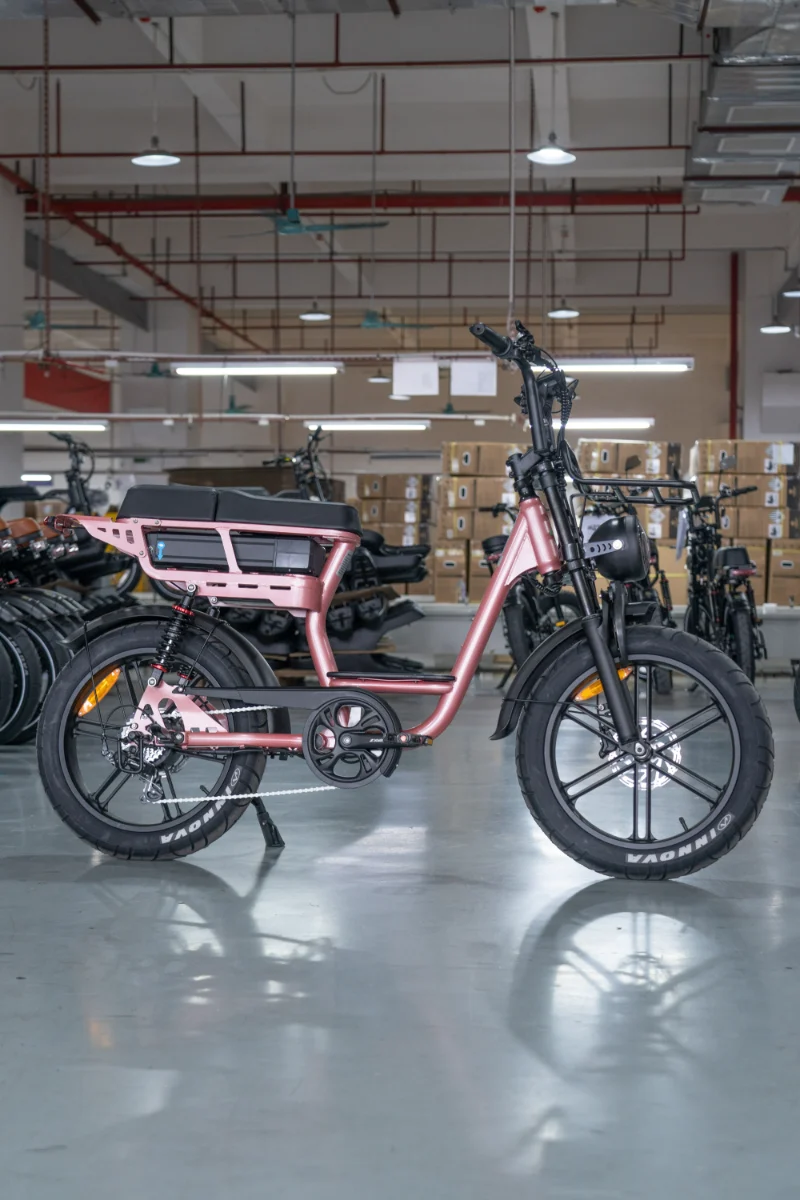
Why a Fat Tire Electric Bike for Women Handles Rough City Roads
QMWHEEL’s fat tire electric bike for women combines wide tires, rear suspension, hydraulic brakes, and flexible seating for confident urban commuting.
Read More