 The best design at the most affordable price
  info@qmwheel.com
  +86 18938656121


 English
  en
en  it
it  es
es  tr
tr  sv
sv  pt
pt  cs
cs  nl
nl  ru
ru  fr
fr  de
de  pl
pl  ar
ar 

For an electric mountain bike, tire selection affects far more than appearance. Riders moving between paved roads, gravel paths, loose soil, wet surfaces, and uneven trails need a combination of traction, stability, comfort, and predictable handling. This is why fat tires have become an important consideration when developing a custom electric mountain bike for outdoor riding and mixed-terrain use. For brands and distributors, choosing a wide-tire platform can also create more flexibility when adapting an electric bike to different rider expectations and market requirements.
How Wide Tires Change Off-Road Riding
A wider tire creates a larger contact area between the bicycle and the riding surface. That additional contact can help distribute the rider and bicycle load more effectively, particularly when the ground is loose or irregular. On gravel, sand, dirt paths, and rough trails, this can contribute to better traction and a more stable feeling under acceleration and braking.
The advantage becomes more noticeable when an all terrain electric mountain bike is expected to handle multiple surfaces rather than a single trail condition. Instead of designing around smooth pavement alone, engineers can consider tire width together with tread design, wheel geometry, suspension travel, braking performance, and motor assistance. The objective is not simply to make the tire larger, but to create a balanced riding platform.
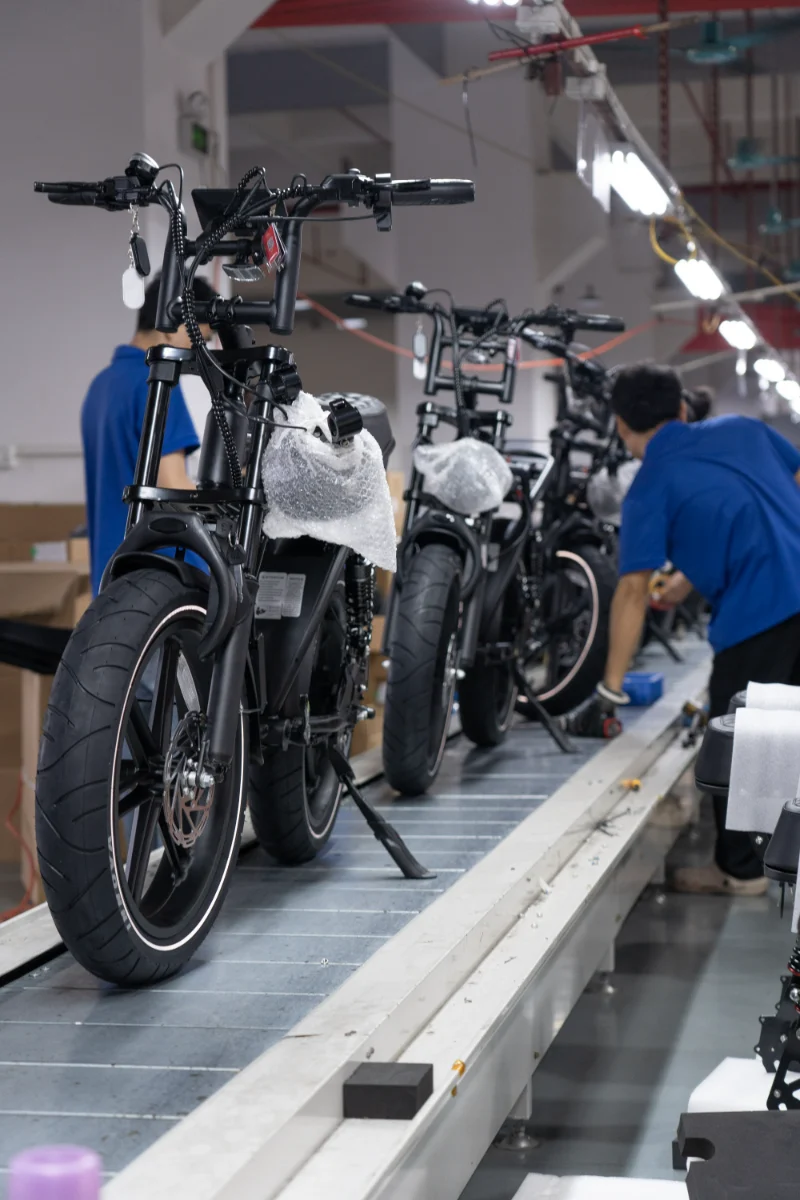
Traction Matters When Terrain Changes
One of the most common challenges in off-road cycling is inconsistent traction. A trail may change from hard-packed ground to loose gravel within a short distance, while moisture can further reduce available grip. A properly selected fat tire can provide a broader footprint and help the bicycle maintain more consistent contact with the ground.
For a custom electric mountain bike, this characteristic is especially useful because tire selection can be coordinated with the intended market and application. A model intended for recreational trail riding may require a different tread and pressure approach from one designed primarily for sandy terrain or mixed urban and outdoor use. Custom development allows these factors to be considered before production rather than treating tires as an afterthought.
Comfort Is Part of the Engineering Equation
Off-road comfort does not depend entirely on suspension. Tire volume also influences how the bicycle responds to small bumps, stones, roots, and uneven sections of trail. With suitable pressure, a larger-volume fat tire can help absorb some surface irregularities before they reach the frame and rider.
This matters for brands developing a long range fat tire ebike because longer rides can make small comfort differences much more noticeable. A well-balanced combination of tires, suspension, saddle position, frame geometry, and battery placement can reduce rider fatigue while maintaining responsive handling. The result should be a bicycle that feels controlled rather than simply heavy or oversized.
Matching Tires With Motor and Battery Design
A tire should never be selected independently from the electric drive configuration. Wider and heavier tires can influence rolling resistance, acceleration characteristics, and overall bicycle weight. The motor output and battery capacity therefore need to be considered alongside wheel and tire specifications during product development.
For an OEM electric mountain bike, this integrated approach is particularly important. Battery capacity can be selected according to expected riding distance, while motor assistance can be matched to terrain and local regulations. QMWHEEL's OEM/ODM process includes battery configuration, electronic solutions, structural design, and performance testing, allowing these elements to be developed as part of a complete product rather than isolated components.
| Design Factor | Why It Matters |
|---|---|
| Tire width | Influences traction, stability, and surface contact |
| Tread pattern | Helps adapt the bicycle to different terrain |
| Tire pressure | Balances comfort, grip, and rolling resistance |
| Motor output | Supports acceleration and climbing requirements |
| Battery capacity | Influences riding range and overall weight |
| Suspension | Helps control impacts and uneven surfaces |
| Hydraulic braking | Supports predictable speed control on varied terrain |
Stability Without Losing Ride Control
Fat tires can contribute to a planted riding feel, but stability should not be confused with handling quality. A successful custom electric mountain bike needs geometry that allows the rider to steer naturally while maintaining control over uneven terrain. Frame dimensions, wheelbase, handlebar position, suspension configuration, and weight distribution all influence this relationship.
Battery placement is another important consideration. A poorly balanced battery arrangement can affect steering response and rider confidence, especially during climbing or descending. When designing an electric fat bike for off-road use, the goal should be a coordinated structure in which the battery, motor, wheels, frame, and rider position work together.
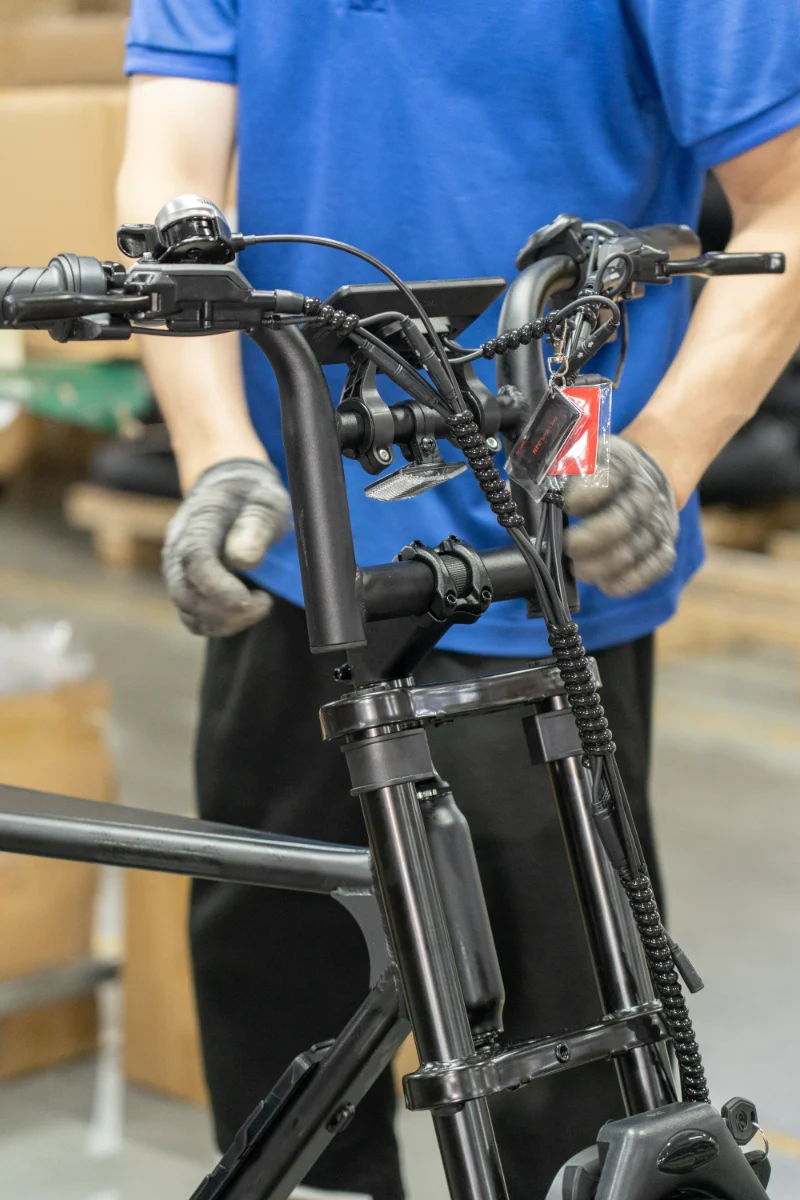
Why Customization Matters for Different Markets
International e-bike markets do not have identical riding habits or regulatory requirements. Some customers prioritize commuting and recreational riding, while others look for outdoor travel, trail riding, rental applications, or broader all-terrain capability. A fixed configuration may not address every requirement effectively.
This is where custom electric mountain bike manufacturing becomes valuable for distributors and private-label brands. Customization can involve frame appearance, colors, branding, battery configuration, lighting, cargo components, braking equipment, and other functional elements. QMWHEEL states that its OEM/ODM service supports appearance, function, brand, and packaging customization, with development extending from requirements communication through sampling, testing, and bulk production.
Designing for More Than One Riding Environment
A strong fat tire platform should not be designed around the assumption that every rider will stay on one type of trail. Many electric bike users move between city streets, cycle paths, gravel roads, parks, and outdoor routes during the same ownership period. This creates demand for bicycles that can transition between surfaces without requiring major compromises.
For this reason, an off road electric mountain bike should be developed around a complete riding profile. Tire grip is only one part of the solution. Braking response, suspension control, lighting, frame durability, rider ergonomics, battery placement, and motor assistance all contribute to the final experience. QMWHEEL's product range and development services reflect this broader approach to fat tire electric bicycles for global markets.
Balancing Performance With Commercial Requirements
For B2B buyers, engineering performance is only one part of a successful electric bike project. The bicycle also needs to fit the target price range, shipping requirements, branding strategy, certification expectations, and after-sales plan. Adding components without considering the complete product can increase cost and complexity without creating proportional value.
A capable custom electric bike manufacturer should therefore help evaluate trade-offs rather than simply accept a list of specifications. QMWHEEL describes its OEM/ODM service as including design optimization, cost optimization, small-batch trial orders, certification support, custom packaging, and overseas warehouse support.
What to Consider Before Ordering
Before developing a custom fat tire electric mountain bike, buyers should define the primary riding environment, target customer, expected range, regulatory market, preferred wheel configuration, braking requirements, and desired customization level. These decisions provide a practical foundation for selecting components.
It is also useful to determine whether the project requires a completely new frame design or customization of an existing platform. For many overseas brands, adapting an established platform can shorten development time while still allowing changes to appearance, branding, battery configuration, accessories, and functional details. The right approach depends on projected volume, investment, product differentiation, and market positioning.
FAQ
Are fat tires suitable for electric mountain bikes?
Fat tires can be suitable for electric mountain bikes intended for loose, uneven, or mixed terrain. Their larger contact area can support traction and stability, while tire pressure and tread selection influence how the bicycle performs across different surfaces.
Can a custom electric mountain bike be developed for different markets?
Yes. An OEM/ODM project can be adapted around different market requirements, including appearance, branding, battery configuration, functional equipment, packaging, and certification needs. QMWHEEL supports customization from product development through testing and production.
Do fat tires affect electric bike range?
They can influence energy consumption because tire size, weight, tread, and pressure affect rolling resistance. For this reason, tire selection should be evaluated together with motor characteristics, battery capacity, frame weight, and the intended riding environment.
What should brands prioritize when developing an electric mountain bike?
Brands should evaluate the complete riding platform rather than focusing on one specification. Tire performance, motor assistance, battery capacity, suspension, braking, frame geometry, rider comfort, and target-market requirements should be considered together.
Why choose an OEM supplier for a custom electric mountain bike?
An experienced OEM supplier can coordinate product design, component selection, prototyping, testing, branding, and production. This can simplify development for distributors and private-label brands that need a tailored electric bicycle without managing every stage of manufacturing independently. QMWHEEL provides OEM/ODM development covering design, sampling, testing, certification support, and bulk delivery.


-
 Blogs
Blogs
Fat Tire Electric Bicycles With Wide Tires for Better Grip on Loose Surfaces
Fat tire electric bicycles offer improved traction, comfort, and stability on gravel, sand, dirt, and uneven roads, making mixed-terrain riding more versatile.
Read More -
 Blogs
Blogs
Biweekly Tea Party with Smartride Supplies B.V.: Where Laughter Sparks Ideas and Ease Builds Rapport
Read More -
 Blogs
Blogs
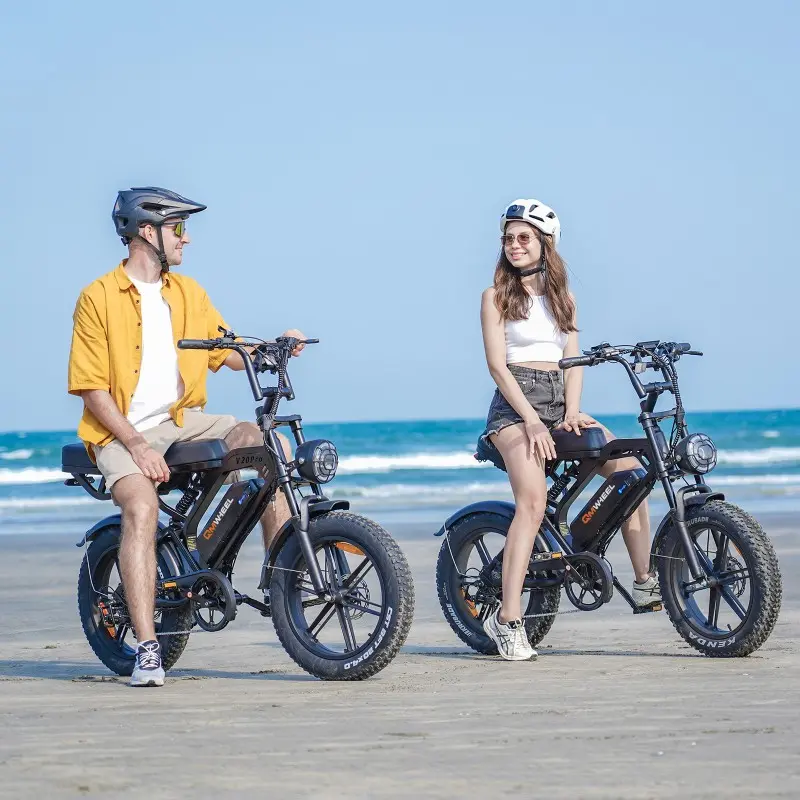
Long Range Fat Tire Electric Bike for Extended Outdoor Adventures
Discover QMWHEEL long range fat tire electric bike solutions with durable design, and extended riding capability for outdoor adventures and daily mobility.
Read More -
 Blogs
Blogs
Shenzhen Qingmai Bicycle Co., Ltd. and Smartride Supplies B.V. Host Biweekly Tea Gathering
Read More -
 Blogs
Blogs
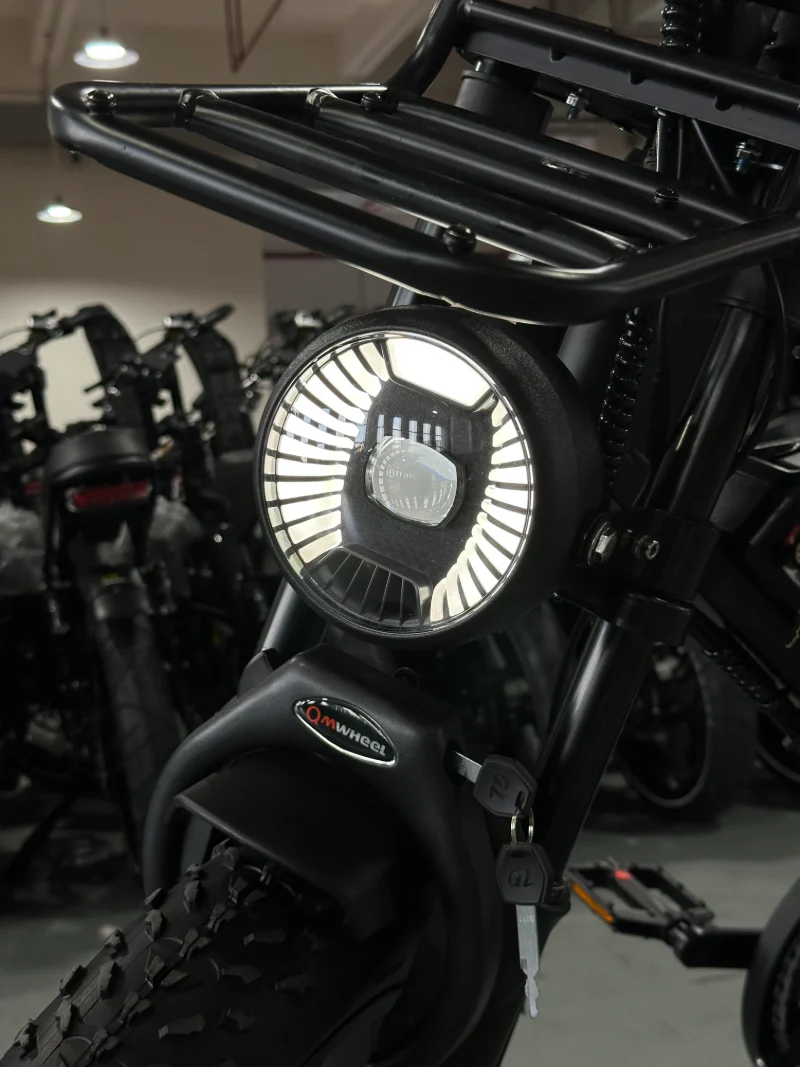
Long Range Fat Tire Ebike for OEM and ODM Outdoor Mobility Brands
QMWHEEL provides a long range fat tire ebike with flexible battery, motor and comfort options, supporting OEM and ODM brands in diverse outdoor mobility markets.
Read More -
 Blogs
Blogs
OEM Electric Motorcycle Solutions for High-Demand Urban Travel
QMWHEEL offers OEM electric motorcycle solutions with flexible customization, practical performance, and global support for brands targeting urban mobility.
Read More