 The best design at the most affordable price
  info@qmwheel.com
  +86 18938656121


 English
  en
en  it
it  es
es  tr
tr  sv
sv  pt
pt  cs
cs  nl
nl  ru
ru  fr
fr  de
de  pl
pl  ar
ar 

Understanding the Growing Demand for Full Suspension All Terrain E-Bike Solutions
The electric bicycle market has moved beyond simple urban commuting. In recent years, riders have shown increasing interest in bicycles that can handle different environments, including mountain trails, gravel roads, forest paths, countryside routes, and uneven city roads. For distributors, retailers, and mobility brands, this shift creates new opportunities to introduce versatile electric bicycles that meet a wider range of customer needs.
Among various categories, the full suspension all terrain e-bike has become an important product segment because it combines electric assistance with advanced suspension systems designed for challenging riding conditions. Unlike traditional hardtail e-bikes that only use front suspension, full suspension models include both front and rear shock absorption systems. This structure helps improve comfort, stability, and control when riding over rough surfaces.
For B2B buyers, selecting the right electric bicycle supplier is not only about product appearance or motor power. It requires a deeper understanding of frame design, component selection, battery systems, riding scenarios, production capability, and long-term market demand. A reliable supplier should be able to provide products that balance performance, durability, and commercial value.
QMWHEEL Vehicle focuses on providing electric bicycle solutions for global markets, supporting business partners who need stable product quality and practical designs for different application scenarios. Understanding the technical characteristics of full suspension electric bicycles can help distributors make better purchasing decisions.
What Makes a Full Suspension All Terrain E-Bike Different?
The key difference between a full suspension electric bicycle and a conventional e-bike is the suspension structure. A standard bicycle transfers most impact forces directly to the rider through the frame, wheels, and handlebars. When riding on uneven terrain, repeated impacts can reduce comfort and affect handling.
A full suspension system uses two main suspension components:
Front suspension fork
Rear suspension shock absorber
The front fork helps absorb impacts from obstacles such as rocks, roots, and road gaps. The rear shock works together with the frame linkage system to reduce vibration transferred from the rear wheel. This combination allows the bicycle to maintain better contact with the ground, especially when riding on irregular surfaces.
For an all terrain electric bicycle, suspension performance is especially important because electric motors and batteries increase overall vehicle weight compared with conventional bicycles. The additional weight requires a stronger frame structure and a suspension system capable of supporting dynamic riding conditions.
A well-designed full suspension all terrain e-bike should provide a balanced riding experience rather than simply focusing on maximum power. Important factors include:
Frame strength and geometry
Suspension travel and tuning
Motor response
Battery capacity
Tire selection
Braking performance
Overall weight distribution
These elements work together to determine whether an electric bicycle can perform reliably in different environments.
Why Full Suspension Design Matters for B2B Electric Bicycle Markets
For distributors and retailers, product differentiation is becoming increasingly important. The electric bicycle market contains many similar commuter models, making it harder for businesses to compete only through basic specifications.
A full suspension model offers a stronger value proposition because it targets customers looking for more versatile riding experiences.
1. Wider Application Range
A major advantage of full suspension electric bicycles is their ability to adapt to multiple environments. Customers may use the same bicycle for:
Daily transportation
Weekend outdoor activities
Mountain exploration
Camping trips
Gravel riding
Rural transportation
This flexibility allows dealers to reach different customer groups without maintaining an excessively large product portfolio.
For markets where outdoor recreation and personal mobility overlap, an all terrain electric bicycle can become a practical product category with strong sales potential.
2. Improved Riding Comfort
Comfort directly influences customer satisfaction and repeat purchases. Many first-time electric bicycle buyers are attracted by the convenience of electric assistance but may hesitate because they expect uncomfortable riding on rough roads.
The combination of front and rear suspension reduces shocks caused by uneven terrain. This makes longer-distance riding more comfortable and improves confidence for riders with different experience levels.
For B2B buyers, better riding comfort can translate into stronger customer reviews, lower return rates, and improved brand reputation.
3. Enhanced Control and Stability
Control is a critical factor when designing electric bicycles for outdoor conditions. Rough terrain creates challenges such as sudden impacts, loose surfaces, and changing slopes.
A full suspension system helps maintain wheel contact with the ground, allowing riders to control speed and direction more effectively. When combined with suitable tires, responsive brakes, and a properly designed frame, the bicycle can provide a more stable riding experience.
This is particularly valuable for international markets where customers may use electric bicycles across different landscapes and weather conditions.
Key Components B2B Buyers Should Evaluate
When sourcing a full suspension electric bicycle, purchasing teams should evaluate more than just motor wattage or battery capacity. A complete product assessment should include the following areas.
Frame Design and Material Selection
The frame is the foundation of an electric bicycle. For full suspension models, the frame must support additional mechanical forces generated by the suspension system and electric assistance.
Common frame materials include aluminum alloy because it provides a practical combination of:
Strength
Corrosion resistance
Lightweight structure
Manufacturing flexibility
Frame geometry is also important. A well-designed frame should provide comfortable rider positioning while maintaining stability during climbing, descending, and cornering.
For B2B customers, frame quality directly affects product lifespan and customer satisfaction. A visually attractive design is not enough if the structure cannot handle long-term use.
Motor System Performance
The motor determines how efficiently an electric bicycle provides assistance. However, higher power does not always mean better performance.
A suitable motor system should match:
Bicycle weight
Battery capacity
Intended riding environment
Local regulations
Target customer group
For example, bicycles designed mainly for mixed terrain require smooth acceleration and reliable torque output rather than only high-speed performance.
Mid-drive motors and hub motors each have different advantages. Hub motors are commonly selected for their simple structure and maintenance convenience, while mid-drive systems often provide better balance and climbing efficiency.
B2B buyers should consider the market positioning before selecting a motor configuration.
Battery System and Range Considerations
Battery performance is one of the most important purchasing factors for electric bicycle customers.
A professional electric bicycle solution should consider:
Battery capacity
Charging efficiency
Safety protection systems
Installation structure
Serviceability
For full suspension models, battery integration is particularly important because the frame must accommodate both suspension components and battery placement.
A well-balanced battery position can improve handling by keeping the center of gravity stable. This is especially important when riding on uneven terrain.
When promoting products in international markets, suppliers should also provide clear battery specifications and compliance information to support local sales requirements.
Tire and Braking Configuration for All Terrain Riding
An all terrain electric bicycle requires components that match outdoor riding conditions.
Tires influence:
Grip
Rolling resistance
Stability
Riding comfort
Wider tires are often selected for all terrain applications because they provide additional traction on loose surfaces such as dirt roads, sand, and gravel.
Braking systems are equally important. Since electric bicycles are heavier and often used at higher speeds than traditional bicycles, reliable braking performance is essential.
Disc brakes are widely used in modern electric bicycles because they offer consistent stopping performance under different weather conditions.
For B2B buyers, component selection should reflect the target market. A bicycle designed for outdoor enthusiasts may require different specifications compared with an urban-focused model.
How B2B Buyers Should Evaluate Full Suspension Electric Bicycle Suppliers
For distributors, retailers, and international brands, choosing an electric bicycle supplier is a long-term business decision. A competitive product requires more than an attractive design. The supplier must have the ability to deliver consistent quality, stable production processes, and products that meet the expectations of target markets.
When evaluating suppliers for a full suspension all terrain e-bike, purchasing teams should focus on several key areas.
Product Engineering and Development Capability
Electric bicycles are becoming increasingly specialized. Customers today expect better riding performance, improved battery efficiency, stronger durability, and modern design features. Suppliers that only assemble standard components may struggle to provide competitive products in a rapidly changing market.
A capable electric bicycle company should have experience in:
Frame structure development
Suspension system integration
Electrical system matching
Component optimization
Product testing
Market-oriented design improvements
For full suspension electric bicycles, engineering capability is especially important because multiple systems must work together. The suspension, motor, battery, frame, and braking system cannot be designed separately. Poor integration can affect handling, reliability, and user experience.
A professional supplier should understand how different components influence each other and provide complete solutions based on market requirements.
Manufacturing Management and Quality Control
For B2B customers, product consistency is one of the most important factors. A single defective product can create additional costs related to customer complaints, repairs, replacement services, and brand reputation.
A reliable electric bicycle supplier should have systematic quality control procedures covering:
Incoming Component Inspection
Before assembly, key components should be checked to ensure they meet required specifications. This includes:
Battery systems
Motors
Controllers
Frames
Suspension components
Braking systems
Component consistency helps reduce problems during final assembly and product usage.
Assembly Process Control
Electric bicycles contain mechanical and electronic systems that require careful assembly. Proper installation of wiring systems, battery connections, braking components, and suspension parts directly affects product reliability.
A structured assembly process helps maintain consistent performance across different production batches.
Product Testing
Before shipment, finished bicycles should undergo inspection and functional testing. Common checks include:
Electrical system operation
Brake performance
Suspension movement
Frame stability
Charging function
Safety inspection
For international buyers, suppliers with clear quality management processes can provide stronger confidence for long-term cooperation.
Market Applications of Full Suspension All Terrain E-Bikes
The popularity of electric bicycles is expanding because consumers are looking for flexible transportation solutions. A full suspension all terrain e-bike can serve multiple market segments, making it an attractive option for businesses developing diverse product portfolios.
Outdoor Recreation and Adventure Riding
Outdoor riding is one of the most suitable applications for full suspension electric bicycles. Many recreational riders want to explore natural environments without requiring professional mountain biking skills.
Electric assistance allows more people to participate in longer-distance riding activities while reducing physical limitations.
Typical users include:
Outdoor enthusiasts
Adventure travelers
Weekend riders
Camping groups
Recreation centers
For businesses operating in outdoor markets, full suspension electric bicycles can become premium products positioned between traditional bicycles and motorized recreational vehicles.
Urban and Suburban Transportation
Although full suspension models are often associated with off-road riding, they also provide advantages for urban users.
Many cities have mixed road conditions, including:
Uneven pavement
Bicycle paths
Road expansion joints
Gravel sections
Parking areas
A full suspension system improves comfort during daily commuting, especially for riders traveling longer distances.
For retailers, offering versatile electric bicycles allows them to serve customers who want one bicycle for both transportation and leisure activities.
Tourism and Rental Businesses
Tourism companies and rental operators are increasingly exploring electric bicycles as a way to provide new experiences for visitors.
A durable full suspension all terrain e-bike can be suitable for:
Resort transportation
Nature park tours
Countryside exploration
Guided outdoor activities
For commercial rental applications, durability and maintenance efficiency are particularly important. Businesses should select products designed for repeated use and easy servicing.
Important Design Features That Influence Commercial Success
A successful electric bicycle product needs to meet both technical and market expectations. B2B buyers should evaluate whether the product design matches the needs of their customers.
Ergonomic Riding Position
Comfort is an important factor influencing purchase decisions. A good electric bicycle design should consider:
Handlebar position
Saddle height adjustment
Rider posture
Frame size options
Since users have different body types and riding habits, flexible adjustment options can improve market acceptance.
Battery Integration and Practical Maintenance
A well-designed battery system should balance appearance, protection, and service convenience.
Integrated batteries often provide a cleaner appearance and better protection against external conditions. However, maintenance accessibility is also important for dealers and service providers.
A practical design should allow:
Easy inspection
Simple replacement procedures
Secure battery installation
Reliable electrical connections
For international distributors, after-sales service considerations should be included during product selection.
Modular Component Selection
Electric bicycle markets vary significantly between countries. Customer preferences, regulations, terrain conditions, and price expectations can be different.
Suppliers that support flexible configurations can help businesses develop products for specific markets.
Possible configuration differences include:
Motor options
Battery capacity
Tire specifications
Display systems
Suspension components
Accessories
A flexible product strategy allows distributors to create suitable product lines instead of relying on a single standard model.
Why Full Suspension Models Are Becoming More Attractive for Electric Bicycle Brands
The electric bicycle industry is becoming more competitive. Basic commuter models are widely available, making differentiation increasingly difficult.
Full suspension models provide several commercial advantages:
Premium Product Positioning
Compared with basic electric bicycles, full suspension models are often perceived as higher-value products because they include more advanced mechanical systems and are designed for broader usage scenarios.
This allows brands and retailers to create product categories with stronger differentiation.
Expanded Customer Groups
A traditional city e-bike mainly attracts commuters. A full suspension all terrain e-bike can attract:
Adventure riders
Outdoor customers
Recreational cyclists
Rural users
Long-distance riders
This broader audience creates additional sales opportunities.
Stronger Brand Image
Product innovation plays an important role in building brand recognition. Offering advanced electric bicycles can help companies demonstrate technical capability and respond to changing consumer expectations.
For businesses developing their own electric mobility product lines, selecting the right supplier is a critical step.
Common Mistakes When Purchasing Full Suspension Electric Bicycles
Many B2B buyers focus heavily on visible specifications while overlooking important technical details. Several common mistakes should be avoided.
Focusing Only on Motor Power
Motor power is easy to compare, but it does not represent overall bicycle performance.
A powerful motor cannot compensate for:
Poor frame design
Weak suspension performance
Incorrect battery matching
Low-quality components
The complete system should be evaluated rather than individual specifications.
Ignoring After-Sales Support
Electric bicycles include mechanical and electronic components that may require maintenance.
A supplier should provide:
Technical documentation
Spare parts support
Product information
Communication assistance
Strong after-sales support helps distributors maintain customer satisfaction.
Selecting Products Without Considering Target Markets
Different markets have different expectations.
For example:
Urban customers may prioritize comfort and convenience.
Outdoor riders may focus on durability and control.
Rental companies may prioritize service life and maintenance.
Before purchasing, businesses should clearly define their target customers and select products accordingly.
Choosing the Right Long-Term Partner for Full Suspension Electric Bicycle Business
For companies entering or expanding within the electric bicycle market, supplier selection is one of the most important decisions. A reliable partner does not simply provide finished products but supports businesses through product selection, technical communication, quality management, and market development.
The demand for versatile electric bicycles continues to grow as consumers look for transportation solutions that combine practicality, outdoor capability, and riding comfort. A full suspension all terrain e-bike represents this trend because it provides a balance between everyday mobility and recreational riding.
However, successful B2B cooperation requires more than finding a supplier with attractive products. Companies should evaluate whether the supplier understands market requirements, maintains stable product quality, and can provide solutions suitable for different customer groups.
QMWHEEL Vehicle: Supporting Global Electric Bicycle Business Development
QMWHEEL Vehicle focuses on electric bicycle solutions designed for international markets, providing products that combine practical design, reliable components, and adaptable configurations.
For distributors, retailers, and mobility brands, working with an experienced electric bicycle company can simplify the process of developing competitive product lines.
A professional supplier should understand that different markets require different approaches. An electric bicycle designed for European outdoor users may have different priorities compared with a model targeting urban commuters or recreational riders in other regions.
QMWHEEL Vehicle focuses on developing electric bicycles that address real riding requirements, including stability, durability, comfort, and versatility.
Advantages of Full Suspension All Terrain E-Bike Solutions for Business Partners
1. Meeting Diverse Customer Expectations
Modern electric bicycle customers are not only looking for transportation. Many buyers want products that support different lifestyles.
A single full suspension electric bicycle can satisfy multiple needs:
Daily commuting
Weekend outdoor riding
Recreational cycling
Adventure exploration
Mixed-terrain transportation
For distributors, this versatility provides opportunities to reach a broader customer base without creating too many separate product categories.
2. Creating Higher-Value Product Lines
The electric bicycle market includes many entry-level products. Competing only on price can create pressure on profit margins and brand development.
Full suspension models offer additional value through:
Improved comfort
Better handling capability
More advanced design
Stronger outdoor performance
These characteristics allow businesses to position products differently and build more competitive sales strategies.
3. Supporting Different Market Segments
One reason businesses choose versatile electric bicycles is their ability to adapt to different applications.
Potential markets include:
Bicycle Retailers
Retail stores can use full suspension electric bicycles as premium products to attract customers interested in upgraded riding experiences.
Outdoor Equipment Companies
Outdoor brands can integrate electric bicycles into their existing product ecosystems, offering customers new adventure solutions.
Mobility Service Providers
Rental and tourism businesses can benefit from durable electric bicycles suitable for repeated usage.
Regional Distributors
Distributors can introduce products based on local terrain conditions and customer preferences.
Technical Considerations Before Importing Full Suspension Electric Bicycles
International buyers should carefully evaluate several technical aspects before placing orders.
Battery Safety and Electrical Reliability
The battery system is one of the most important parts of any electric bicycle.
A professional electric bicycle supplier should pay attention to:
Battery quality management
Protection systems
Electrical connection reliability
Charging safety
Long-term performance
For B2B buyers, battery reliability directly affects customer satisfaction because battery-related issues are among the most common concerns in electric mobility products.
Structural Durability
A full suspension frame experiences more complex forces compared with a standard bicycle frame.
During riding, the frame must handle:
Rider weight
Motor assistance force
Suspension movement
Terrain impacts
Repeated vibration
Therefore, frame engineering and component matching are essential for product durability.
A reliable supplier should consider the entire riding system instead of treating the bicycle as a simple combination of individual parts.
Weather and Environmental Adaptability
All terrain electric bicycles are often used in different outdoor environments. Depending on the target market, products may need to handle:
Rain conditions
Dust exposure
Temperature changes
Uneven surfaces
For global distributors, environmental adaptability is an important factor when selecting products for different regions.
How Businesses Can Build a Competitive Electric Bicycle Product Strategy
A successful electric bicycle business requires more than importing products. Companies need a clear market strategy.
Understand Customer Usage Scenarios
Before selecting a product, businesses should analyze how customers will use the bicycle.
Important questions include:
Is the main purpose commuting or recreation?
Are customers riding mainly on roads or mixed terrain?
What battery range expectations exist?
What price segment does the market support?
What local regulations apply?
A clear understanding of customer requirements helps businesses choose suitable configurations.
Build Product Differentiation
In competitive markets, product differentiation is important.
Businesses can create differentiation through:
Unique frame designs
Specific component combinations
Targeted accessories
Specialized applications
Strong service support
A full suspension all terrain e-bike already provides a stronger product identity compared with basic electric bicycles, but successful businesses should still define their unique market positioning.
Develop Long-Term Supplier Relationships
Electric bicycle markets continue to evolve. New technologies, customer expectations, and regulations influence product development.
A long-term supplier relationship allows businesses to:
Improve product selections
Respond faster to market changes
Optimize future models
Reduce communication costs
For growing brands and distributors, a reliable supplier becomes an important part of business development.
Future Trends of Full Suspension Electric Bicycle Markets
The electric bicycle industry is expected to continue developing as consumers increasingly accept electric mobility for both transportation and recreation.
Several trends are shaping the future market.
Increased Demand for Multi-Purpose Electric Bikes
Consumers prefer products that provide more functions. Instead of purchasing separate bicycles for different activities, many riders want one electric bicycle that can handle various conditions.
This trend supports continued interest in full suspension all terrain models.
Improved Integration of Technology
Future electric bicycles will continue adopting technologies that improve user experience, including:
Smarter control systems
Improved battery management
More efficient motors
Digital riding information systems
For suppliers and brands, continuous improvement will be important for maintaining competitiveness.
Greater Focus on Product Reliability
As electric bicycles become mainstream transportation products, customers expect longer service life and easier maintenance.
Quality, durability, and after-sales support will become increasingly important purchasing factors.
Companies that focus on reliable products and strong customer support will have better opportunities in international markets.
Final Thoughts: Why Full Suspension All Terrain E-Bikes Are Valuable for B2B Markets
The growth of electric mobility is creating new opportunities for businesses around the world. A full suspension all terrain e-bike provides a practical solution for customers who want comfort, versatility, and reliable performance across different riding environments.
For B2B buyers, the right product choice should be based on comprehensive evaluation, including engineering capability, component quality, supplier reliability, and market suitability.
QMWHEEL Vehicle provides electric bicycle solutions designed for businesses seeking dependable products for international markets. By focusing on practical design, product adaptability, and long-term cooperation, companies can develop stronger electric bicycle product portfolios and respond to changing customer demands.
As the electric bicycle industry continues to expand, full suspension all terrain models will remain an important category for brands, distributors, and retailers looking to offer higher-value mobility solutions. Choosing the right supplier today can help businesses build stronger market positions in the future.


-
 Blogs
Blogs
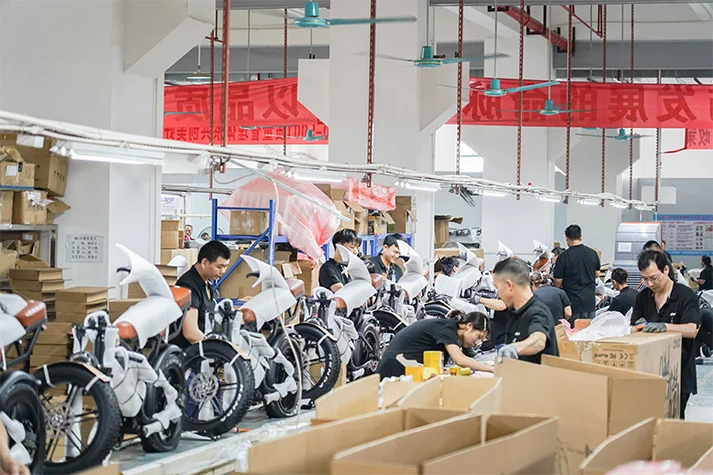
Building Competitive Advantage in the Commuter Fat Tire Electric Bike Market: A Practical Industry Perspective from QMWHEEL Vehicle
The global demand for electric mobility is no longer defined by experimentation—it is defined by operational efficiency, regulatory compliance, and total cost of ownership.
Read More -
 Blogs
Blogs
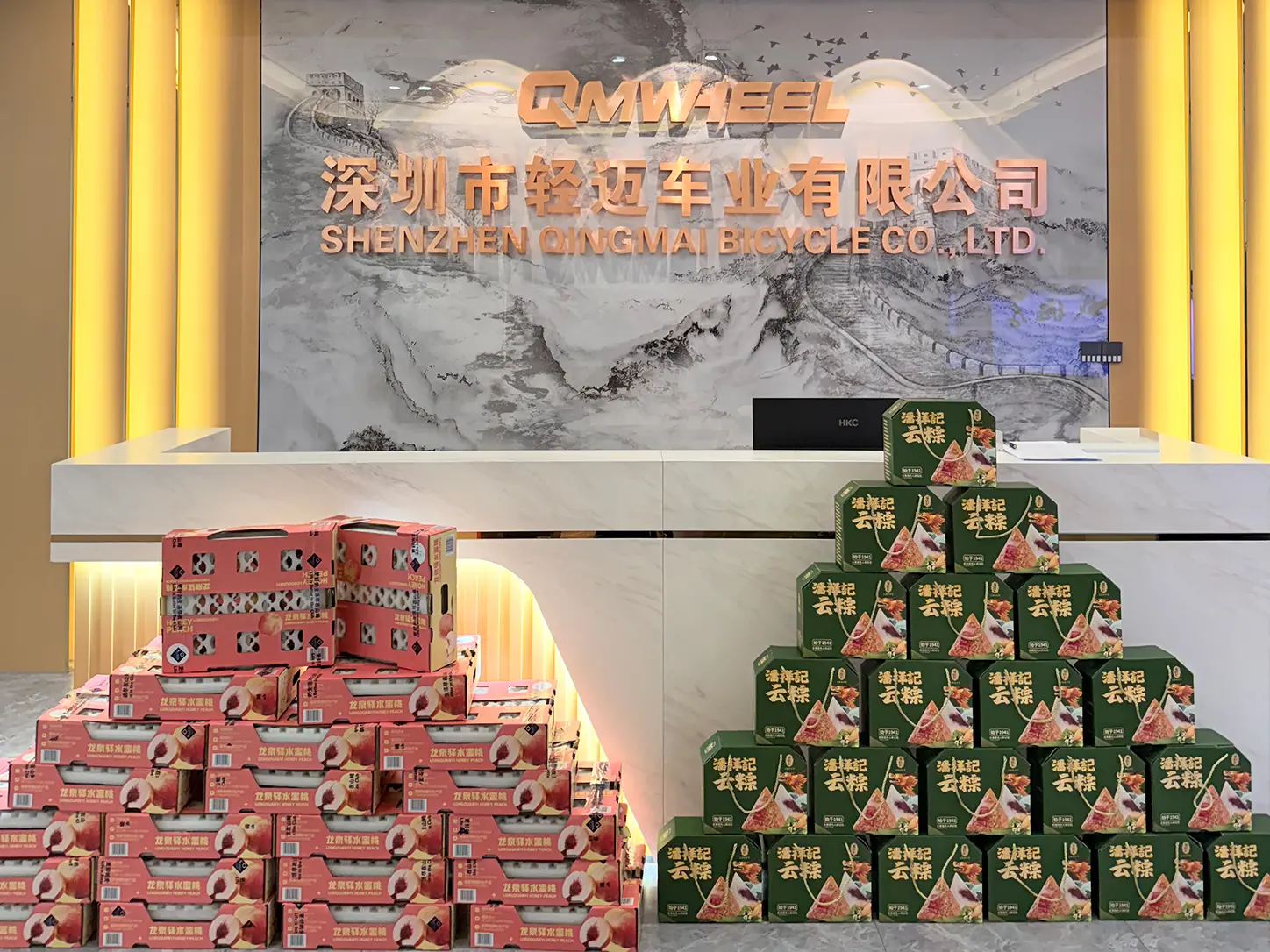
Shenzhen Qingmai Bicycle Co., Ltd. and Smartride Supplies B.V. Celebrate Dragon Boat Festival 2026
On June 17, 2026—with the Dragon Boat Festival approaching, Shenzhen Qingmai Bicycle Co., Ltd. and Smartride Supplies B.V. distributed gift boxes containing traditional zongzi (sticky rice dumplings) and fresh seasonal fruits to all employees to share the joy of the festival.
Read More -
 Blogs
Blogs
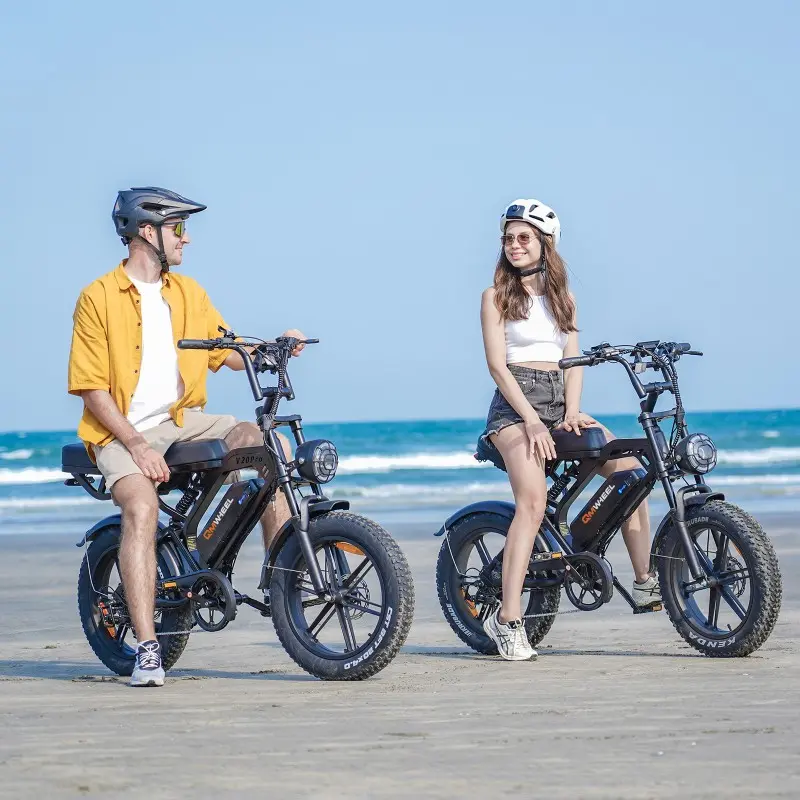
Long Range Fat Tire Electric Bike for Extended Outdoor Adventures
Discover QMWHEEL long range fat tire electric bike solutions with durable design, and extended riding capability for outdoor adventures and daily mobility.
Read More -
 Blogs
Blogs
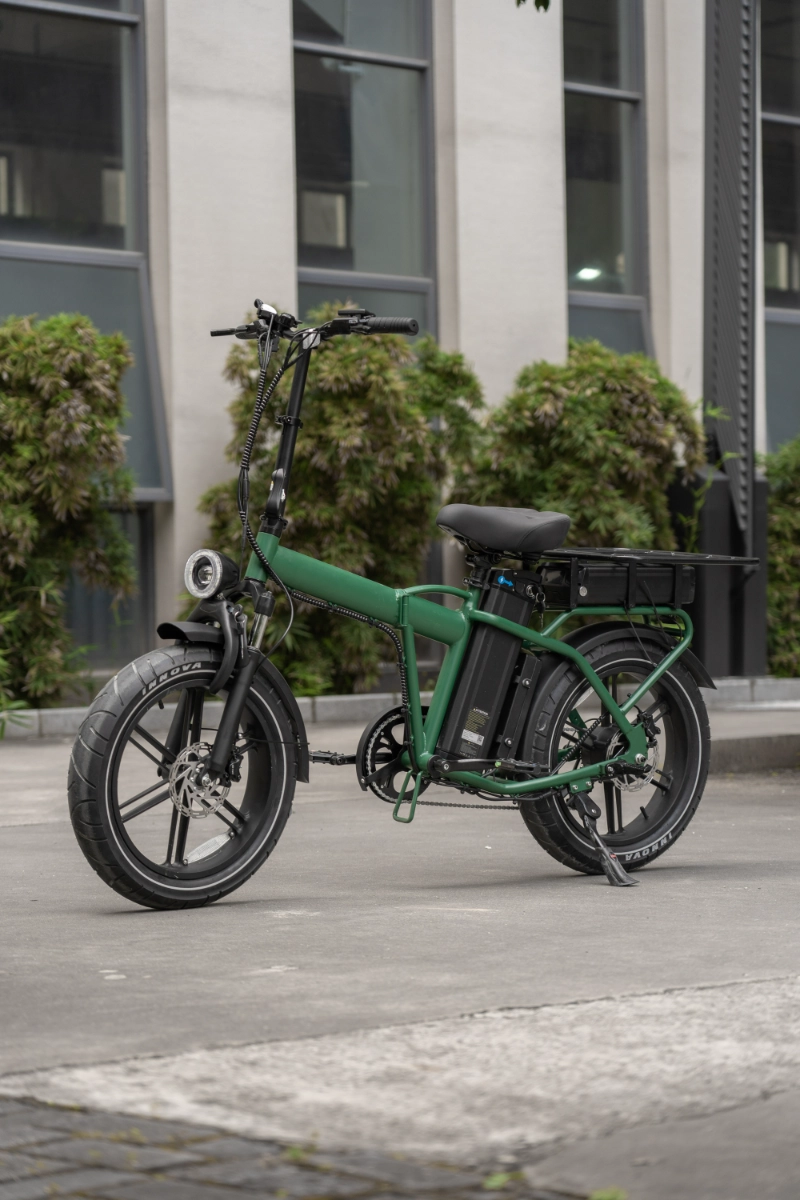
Urban Electric Bicycle Supplier for Custom Fat Tire Commuter E-Bikes
QMWHEEL provides custom urban electric bicycle solutions with fat tire designs, OEM and ODM support, and flexible configurations for global e-bike brands and distributors.
Read More -
 Blogs
Blogs
Custom Electric Fat Bike Solutions for Growing Global E Bike Brands
Built for global brands, a custom electric fat bike offers flexible design, battery and accessory options, rapid prototyping and OEM support for growth.
Read More -
 Blogs
Blogs
City Commuter Ebike with Long Range Battery for Everyday Travel
QMWHEEL’s city commuter ebike combines long-range battery capacity, fat tires and rear suspension for comfortable daily travel, errands and weekend riding.
Read More