 The best design at the most affordable price
 info@qmwheel.com
 +86 18938656121


 English
 en
 it
 es
 tr
 sv
 pt
 cs
 nl
 ru
 fr
 de
 pl
 ar


Understanding the Changing Needs of Urban E-Bike Buyers
Urban electric bike buyers do not all look for the same riding experience. Daily commuters may prioritize comfort, convenient charging, and dependable performance, while leisure riders often value flexible riding positions, distinctive styling, and practical carrying options. Retailers and distributors also need products that match local preferences, price expectations, and competitive market conditions. For brands entering different regions, offering a single standard configuration may limit their ability to reach diverse customer groups.
Custom urban electric bikes allow businesses to adjust product design and component choices according to specific market requirements. Instead of relying entirely on fixed configurations, brands can develop electric bicycles that reflect their target customers' riding habits, purchasing priorities, and local regulations. This flexibility helps create a clearer product identity and gives distributors more options when building their product portfolios.
How Regional Preferences Influence Urban Electric Bike Design
Geography, infrastructure, climate, and commuting habits all influence how customers evaluate an urban electric bike. In cities with heavy traffic and limited storage space, riders may prefer compact designs, easy handling, and convenient parking. Markets with longer commuting distances may place greater importance on battery capacity, riding efficiency, and comfortable seating. In areas where road surfaces vary, tire selection and suspension design can also influence purchasing decisions.
For overseas brands, understanding these differences before production is essential. Urban electric bike customization should begin with market research rather than simply changing colors or adding a logo. Reviewing local competitor products, customer feedback, retail positioning, and applicable regulations helps manufacturers determine which features deserve priority.
Key Customization Options for Different Customer Segments
A flexible electric bicycle design can address several market segments through carefully selected components and appearance options. The goal is to create a product that serves a clear customer need without adding unnecessary complexity or cost.
Customization Area | Market Requirements | Potential Options |
|---|---|---|
Frame and appearance | Brand identity and rider preference | Frame design, colors, finishes |
Battery configuration | Different commuting needs | Battery capacity and placement |
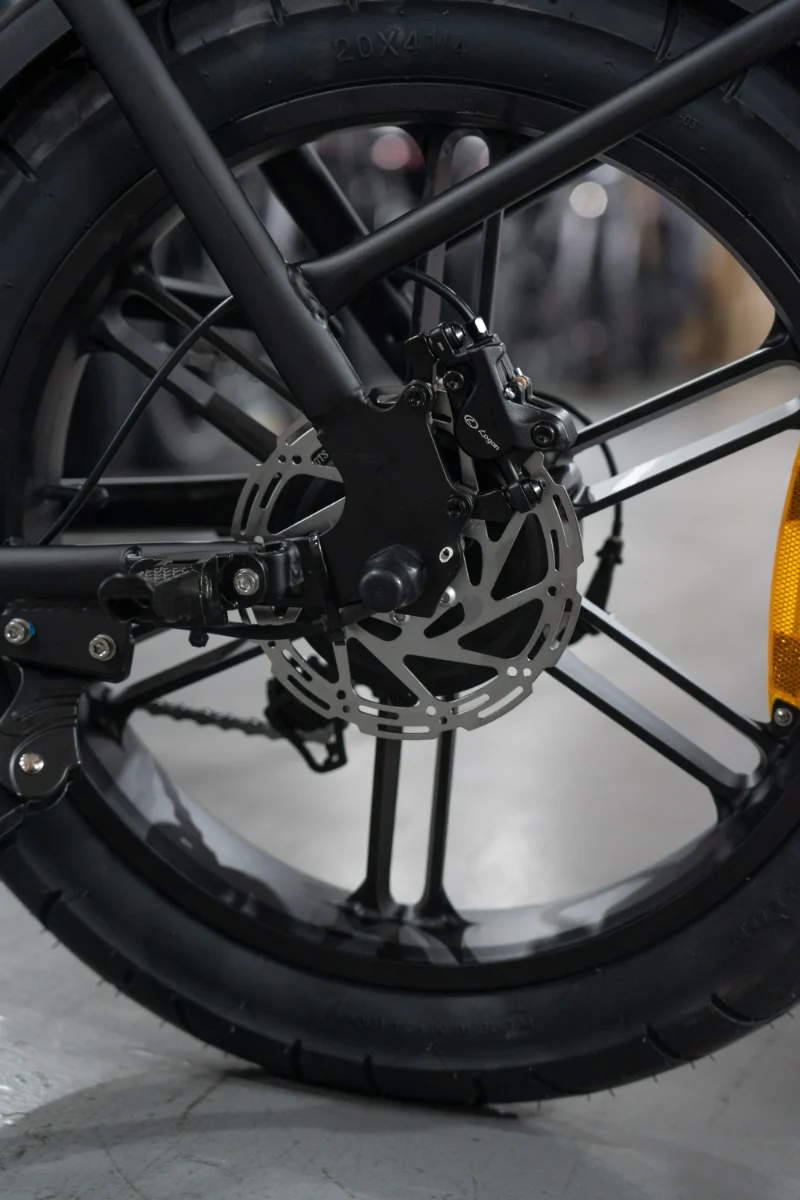
Braking components | Riding conditions and safety expectations | Mechanical or hydraulic brakes |
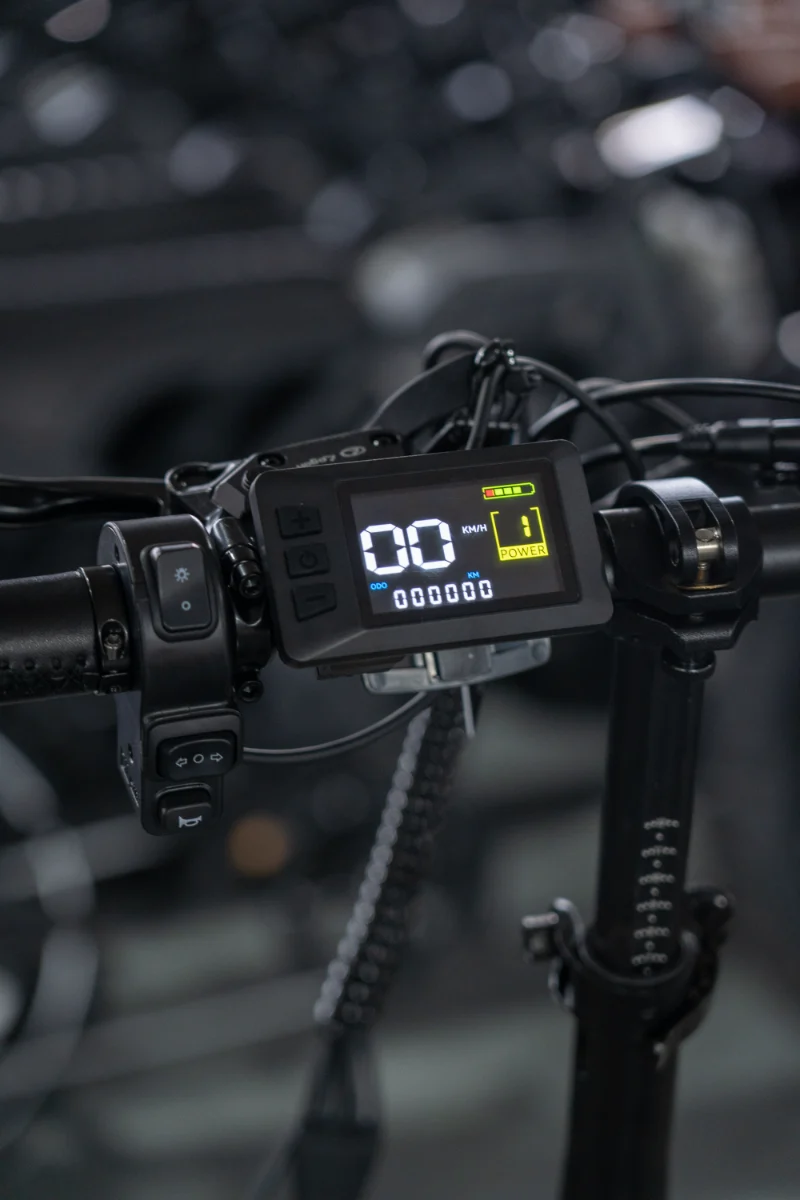
Lighting | Visibility and local requirements | Front lights, rear lights, signal lighting |
Practical accessories | Daily transportation and convenience | Rear racks, passenger seats, footrests |
Branding and packaging | Retail and private label positioning | Logo, labels, customized packaging |
These options allow an urban electric bike manufacturer to support different product concepts while maintaining a coordinated development process. However, customization should be guided by functional value. Every added component can influence product weight, assembly requirements, maintenance, and final cost, so design decisions should consider the complete riding experience.
Battery and Component Choices Shape the Riding Experience
Battery configuration is one of the most important considerations when developing an electric bike for different urban markets. Commuters may prioritize dependable daily use and convenient charging, while recreational riders may focus on longer outings and flexible riding conditions. Battery capacity, installation position, locking arrangements, and compatibility with other electrical components should therefore be evaluated together.
Other components also influence how an electric bicycle performs in everyday use. Braking options affect control and maintenance expectations, while tire selection influences traction, rolling resistance, and comfort. Lighting contributes to visibility, and practical accessories can make the bicycle more suitable for carrying personal belongings or supporting passenger use. A well-planned custom electric bike configuration balances these elements instead of treating each component as an isolated upgrade.
OEM and ODM Services for Private Label Urban E-Bike Brands
For businesses building their own electric bicycle brands, OEM and ODM cooperation provides different levels of product development support. OEM services generally allow buyers to customize an existing product platform with selected components, colors, branding, and packaging. ODM cooperation can involve broader design and development work, helping brands create products with a more distinctive appearance or functional direction.
Choosing between these approaches depends on the buyer's development resources, budget, target launch schedule, and desired level of product differentiation. Private label urban electric bikes can help distributors establish a consistent brand identity, while flexible ODM development may be more suitable for businesses seeking a distinctive product range.
QMWHEEL provides OEM/ODM support for electric bicycle customization, covering product appearance, component selection, branding, packaging, sampling, and production coordination. This approach helps overseas buyers organize product development through a more integrated manufacturing partnership.
From Product Concept to Mass Production
A successful custom electric bike project requires clear communication between the buyer and manufacturer. Before sampling begins, both parties should define the target customer group, intended riding conditions, product positioning, and essential customization requirements. This reduces misunderstandings and helps the development team distinguish essential features from optional additions.
The sample stage provides an opportunity to review appearance, component compatibility, assembly quality, and overall usability. Feedback should be documented and confirmed before mass production, particularly when changes affect electrical components, frame structures, or safety-related parts. A structured approval process helps reduce production adjustments and supports more consistent results across larger orders.
What Overseas Buyers Should Evaluate When Selecting a Manufacturer
Selecting an urban electric bike OEM manufacturer involves more than comparing quotations. Overseas buyers should examine whether the factory can support their intended customization scope, maintain consistent production quality, and communicate effectively throughout development. Engineering support, sample evaluation, component sourcing, quality inspection, and packaging coordination all influence the success of a long-term partnership.
Buyers should also clarify production capacity, minimum order requirements, lead times, warranty arrangements, spare parts availability, and export documentation. Certification requirements deserve particular attention because electric bicycle regulations differ between destination markets. A capable manufacturing partner should help buyers identify relevant requirements and coordinate the necessary documentation without making unsupported compliance claims.
QMWHEEL supports overseas business customers through product customization, sampling, manufacturing coordination, and international delivery arrangements. Its OEM/ODM services provide a starting point for brands and distributors seeking to develop electric bicycles around specific market expectations.
Building a More Competitive Urban E-Bike Product Portfolio
Market demand changes as commuting habits, customer expectations, and competitive products evolve. Businesses that review product feedback and sales performance can identify opportunities to adjust configurations, introduce new accessories, or refine their visual identity. Rather than frequently redesigning an entire bicycle, targeted customization can help brands respond to customer preferences while keeping product development manageable.
For distributors and private label businesses, the most effective strategy is to create a product portfolio with clear differences between models and customer segments. Custom urban electric bikes offer flexibility in design, component selection, and branding, helping businesses develop products that are more relevant to their target markets. With appropriate OEM/ODM support, QMWHEEL helps overseas partners turn market requirements into practical product development plans.
Frequently Asked Questions
What can be customized in an urban electric bike?
Customization may include frame appearance, colors, battery configuration, braking components, lighting, accessories, branding, and packaging. The available options depend on the product platform and manufacturing requirements.
What is the difference between electric bike OEM and ODM?
OEM generally focuses on customizing an existing product according to buyer requirements. ODM involves broader product design and development support, allowing brands to create more differentiated products.
How can overseas buyers choose the right urban electric bike configuration?
Buyers should consider local riding conditions, customer preferences, price positioning, regulatory requirements, and after-sales needs before confirming the configuration. Sample testing is also important before placing bulk orders.
Does QMWHEEL support private label electric bike production?
QMWHEEL provides OEM/ODM services covering product customization, branding, packaging, sampling, and production coordination for overseas business customers.


-
 Blogs
We Don't Need More Orders, WE Need the Right Ones
Read More -
 Blogs
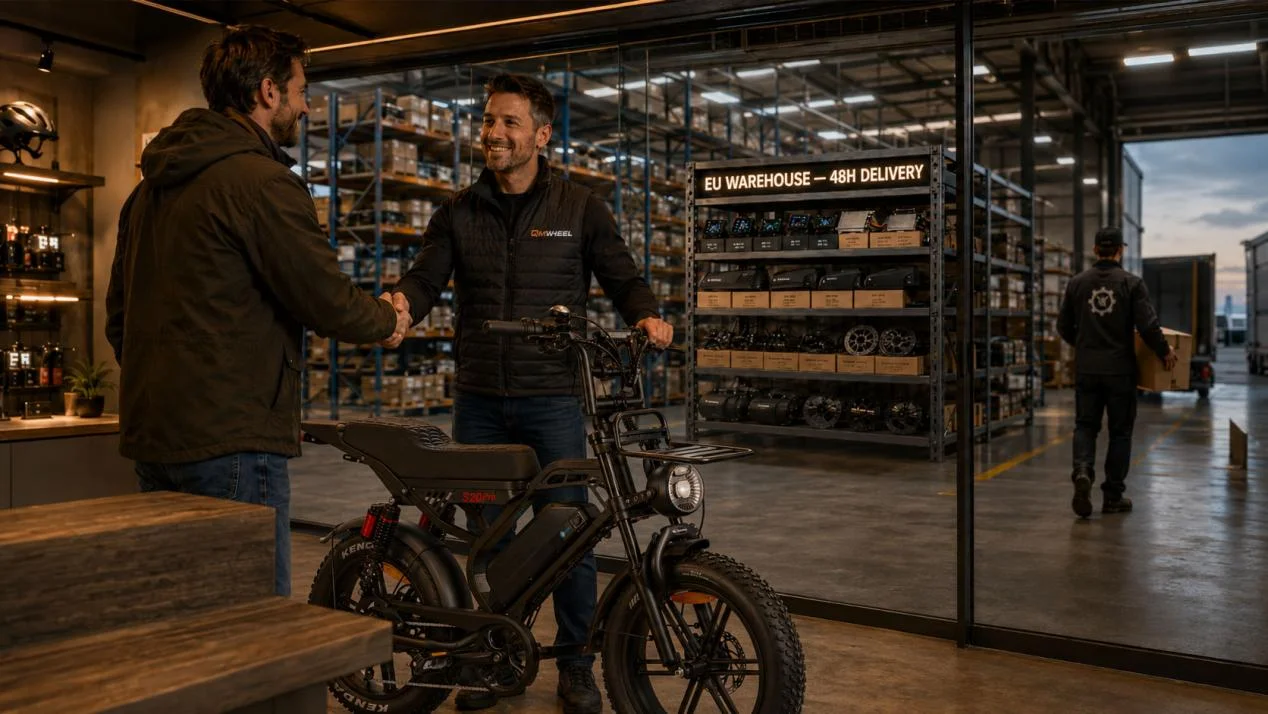
Service Isn't a Promise, It's a Shelf in Our European Warehouse
Read More -
 Blogs
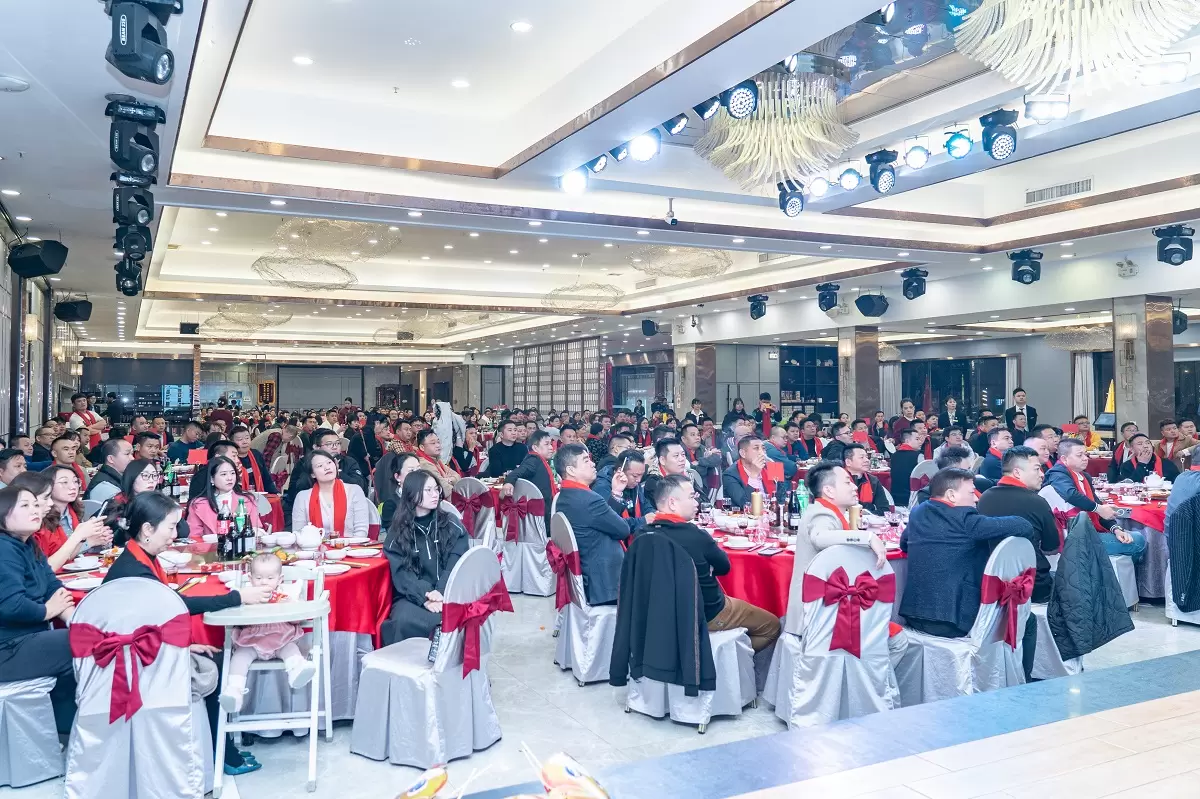
Culture Empowers, Performance Soars!
Record Growth Across All Sectors, New Goals Set for 2026 !
Read More -
 Blogs
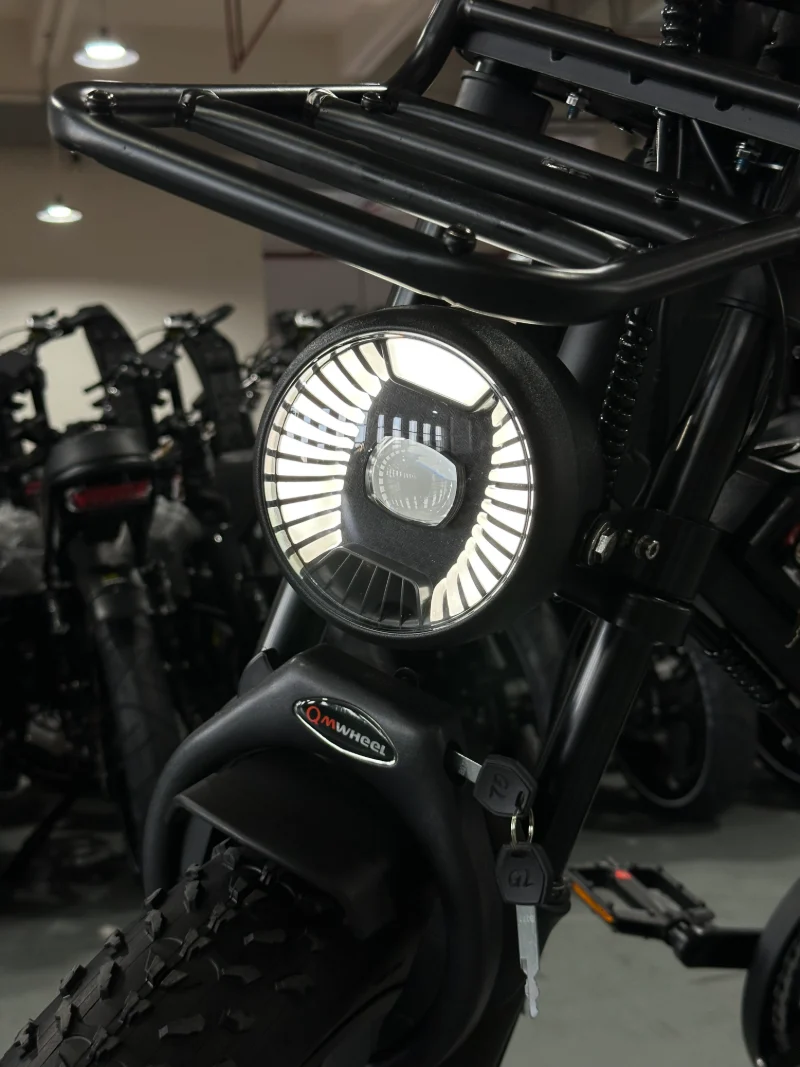
Long Range Fat Tire Ebike for OEM and ODM Outdoor Mobility Brands
QMWHEEL provides a long range fat tire ebike with flexible battery, motor and comfort options, supporting OEM and ODM brands in diverse outdoor mobility markets.
Read More -
 Blogs
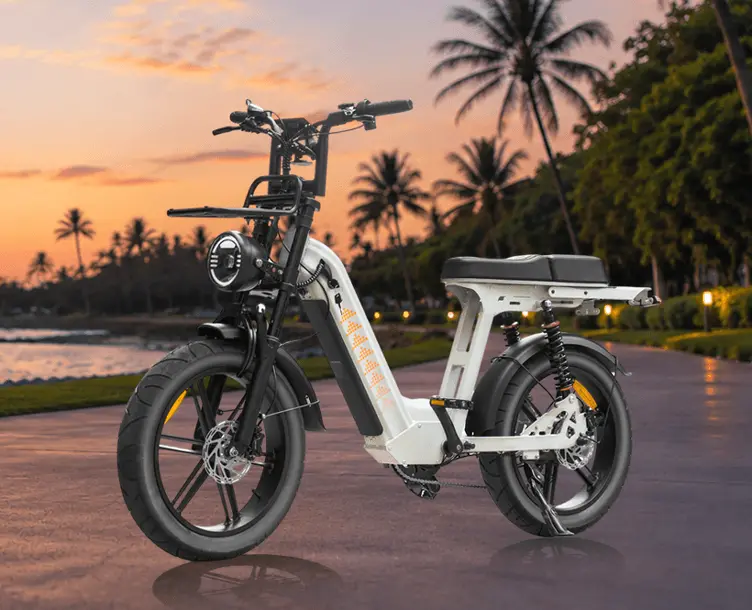
City Commuter Ebike with Long Range Battery for Everyday Travel
QMWHEEL’s city commuter ebike combines long-range battery capacity, fat tires and rear suspension for comfortable daily travel, errands and weekend riding.
Read More -
 Blogs
Fat Tire Electric Bicycles With Wide Tires for Better Grip on Loose Surfaces
Fat tire electric bicycles offer improved traction, comfort, and stability on gravel, sand, dirt, and uneven roads, making mixed-terrain riding more versatile.
Read More