 The best design at the most affordable price
  info@qmwheel.com
  +86 18938656121


 English
  en
en  it
it  es
es  tr
tr  sv
sv  pt
pt  cs
cs  nl
nl  ru
ru  fr
fr  de
de  pl
pl  ar
ar 

Why Urban Mobility Is Creating New Demand for Electric Motorcycles
Urban transportation is moving toward lighter, cleaner, and more flexible forms of mobility as riders look for practical alternatives for commuting, short-distance travel, and everyday transportation. For brands and distributors, this shift creates an opportunity to develop electric motorcycles that are not only attractive to end users but also suited to different market requirements. An OEM electric motorcycle approach allows businesses to adapt vehicle design, battery configuration, appearance, branding, and functional features according to regional demand rather than relying on a single standardized product.
For high-demand urban markets, product versatility is especially important. Riders may use the same vehicle for commuting through busy streets, traveling between neighborhoods, handling short trips, or exploring roads outside the city. This means an electric motorcycle needs to balance riding comfort, controllability, durability, range, braking performance, and visual appeal. QMWHEEL supports this market direction with electric motorcycle solutions designed for distributors, brands, and fleet partners seeking scalable product development and customization.
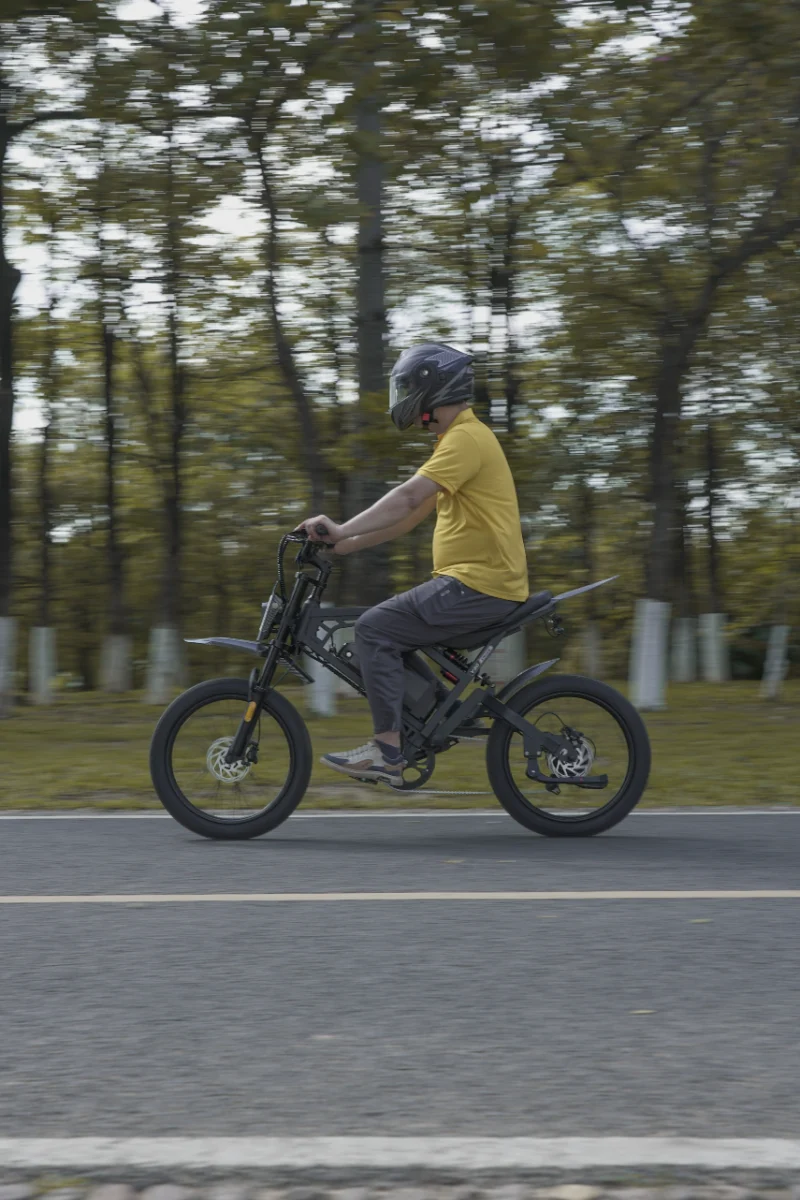
How OEM Electric Motorcycle Development Meets Market Needs
An OEM electric motorcycle manufacturer must look beyond the basic combination of a motor and battery. Different markets can have significantly different expectations regarding riding position, wheel configuration, battery capacity, motor output, braking performance, appearance, and carrying requirements. A flexible development process makes it possible to adjust these elements before large-scale production, helping brands create products that better match their intended customer groups.
For urban applications, customization can cover much more than external colors or logos. QMWHEEL provides OEM/ODM services covering appearance, functions, branding, packaging, battery selection, lighting, and riding configuration. This gives distributors and private-label brands greater control over how their electric motorcycle is positioned in a competitive market.
Key Areas for Electric Motorcycle Customization
| Customization Area | Market Value |
|---|---|
| Battery configuration | Balances range, weight, and purchase cost |
| Motor selection | Matches acceleration and terrain requirements |
| Braking configuration | Supports controlled urban riding |
| Tire and wheel design | Influences stability and road adaptability |
| Frame and riding position | Improves comfort and handling |
| Lighting and appearance | Supports safety and brand identity |
| Logo and packaging | Creates a recognizable private-label product |
This approach is particularly useful for companies entering a new market. Instead of purchasing an existing vehicle with limited flexibility, buyers can work with an OEM electric motorcycle supplier to develop a configuration that reflects local customer expectations and price positioning.
Choosing the Right Power and Battery Configuration
Motor and battery selection directly influence how an electric motorcycle feels during everyday riding. Higher motor output can provide stronger acceleration and improved climbing capability, while battery capacity affects usable riding distance and charging requirements. However, simply selecting the highest available specification does not always create the best commercial product. The right configuration should reflect the intended riding environment, target customer, vehicle weight, expected range, and overall retail price.
QMWHEEL's electric motorcycle range demonstrates this flexible approach with different motor and battery configurations across its product portfolio. Some configurations are designed for lightweight urban use, while others provide additional output and larger battery capacity for riders who expect more demanding performance. This gives an electric motorcycle OEM supplier room to develop differentiated products rather than offering identical specifications across every market.
Battery design also deserves attention during OEM development because range is only one part of the ownership experience. Weight distribution, battery accessibility, charging convenience, protection against environmental conditions, and long-term serviceability can all influence customer satisfaction. A well-planned configuration should therefore consider the complete riding scenario instead of treating battery capacity as an isolated specification.
Designing for Comfortable and Confident Urban Riding
Urban riding involves frequent acceleration, braking, turning, lane changes, uneven pavement, and variable road conditions. For this reason, an electric motorcycle for city commuting needs a balanced chassis rather than simply a powerful motor. Suspension performance, tire selection, braking response, seating position, and overall vehicle weight all contribute to how confidently a rider can control the vehicle.
QMWHEEL's electric motorcycle offerings incorporate features such as hydraulic brakes, suspension designs, motorcycle-style frames, and all-terrain tires depending on the configuration. These features can help create a more controlled riding experience across both paved streets and less predictable surfaces. The combination is also useful for brands seeking vehicles that can serve more than one customer scenario.
Comfort becomes increasingly important when a vehicle is intended for repeated daily use. A suitable seat, practical riding position, effective shock absorption, and predictable braking behavior can reduce rider fatigue during frequent short-distance trips. For commercial brands, these details also influence product reviews, repeat purchases, and long-term market reputation.
Building Flexible Electric Motorcycle Products for Different Users
A successful custom electric motorcycle program should begin with a clear understanding of the target audience. Entry-level riders may value manageable weight and easy control, while performance-oriented users may prioritize stronger acceleration, larger tires, suspension travel, and higher battery capacity. Fleet operators may focus more heavily on durability, serviceability, replacement parts, and consistent supply.
This is where a diversified product portfolio becomes valuable. QMWHEEL's electric motorcycle category covers lightweight riding, high-performance applications, and dirt-bike-oriented use, allowing buyers to select a suitable starting platform for different market segments. The portfolio includes configurations intended for urban streets as well as mixed-terrain and recreational riding.
For distributors, this flexibility can make it easier to build a broader product range without developing every vehicle entirely from the beginning. A manufacturer with established engineering and production capabilities can provide a foundation that is then adjusted according to branding, market positioning, and functional requirements.
Why Manufacturing Capability Matters in OEM Projects
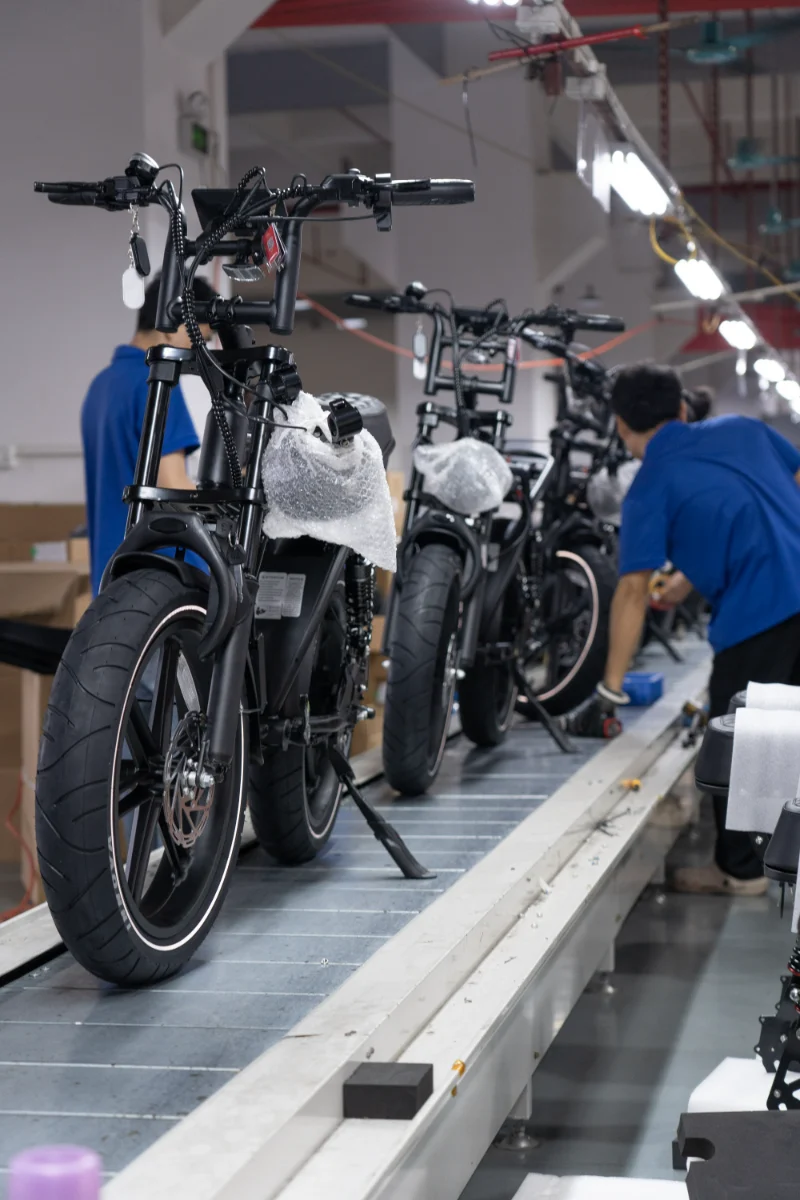
A strong product concept is only valuable when it can be translated into consistent production. OEM buyers should therefore evaluate engineering capability, supply chain integration, quality control, sampling speed, production capacity, and after-sales support before selecting an electric motorcycle manufacturer.
QMWHEEL states that its OEM/ODM service covers requirements communication, industrial and structural design, sample production, testing, certification assistance, and bulk delivery. Its stated development process also includes rapid prototyping, allowing customers to review samples and make adjustments before moving into larger production.
This process can reduce unnecessary development risk because design decisions are evaluated before large quantities are manufactured. It also allows brands to refine details such as appearance, battery configuration, lighting, riding components, and functional requirements based on their target market.
Quality Control and Long-Term Product Support
For an OEM electric motorcycle, quality cannot be evaluated only by the appearance of a finished unit. Consistency between batches, component reliability, electrical protection, braking performance, frame durability, and availability of replacement parts are all important to the commercial success of a product.
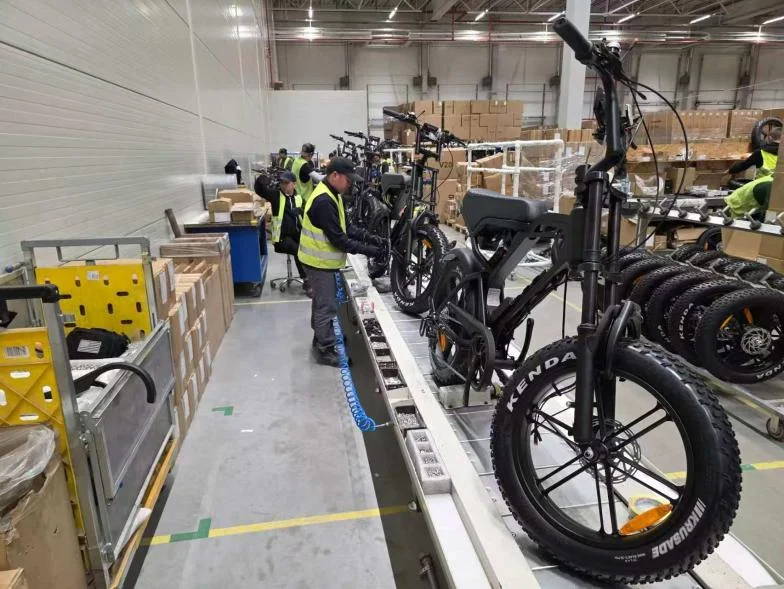
QMWHEEL highlights its R&D capabilities, quality control processes, testing, certification support, and spare-parts services as part of its broader B2B offering. The company also reports overseas warehouse support and an assembly facility in Poland, which can provide additional logistics and service flexibility for international partners.
For distributors, this type of support can be particularly valuable after the initial order. A reliable supply of replacement components and responsive technical assistance can help reduce downtime and make it easier for local dealers to maintain customer service standards.
Supporting Brand Growth Beyond the Vehicle Itself
Private-label electric motorcycle development is not simply about placing a logo on an existing product. A strong OEM program should help a brand create a consistent identity across the vehicle, packaging, accessories, documentation, and customer experience. Appearance customization, color selection, lighting design, branding, and packaging can all contribute to a more distinctive market position.
QMWHEEL's OEM/ODM services include brand and packaging customization, while its development process allows customers to communicate requirements before product design and sampling. This creates more opportunities for brands to build a product that reflects their own positioning rather than competing only on price.
At the same time, customization should remain commercially practical. Excessive variation can increase complexity, so successful projects normally focus on the features that have the greatest influence on customer demand, regulatory requirements, riding experience, and brand differentiation.
A Practical Approach to OEM Electric Motorcycle Procurement
When evaluating an OEM electric motorcycle factory, buyers should consider the entire product lifecycle rather than focusing only on the initial quotation. The development stage should clarify target users, intended riding environments, performance expectations, battery requirements, branding, certification needs, packaging, order volume, and delivery schedule.
After the initial requirements are confirmed, sample development provides an opportunity to assess riding characteristics, component integration, appearance, and overall build quality. Testing and adjustment should follow before bulk production. This staged approach gives distributors greater control over product quality while reducing the possibility of costly changes after mass manufacturing has started.
For international buyers, logistics and after-sales capability are equally important. QMWHEEL states that it supports overseas warehouses, spare-parts supply, technical support, and localized assembly in Europe, providing additional options for partners serving international markets.
What Makes QMWHEEL Suitable for OEM Electric Motorcycle Projects?
QMWHEEL combines electric mobility product development with OEM/ODM services aimed at global distributors, brands, and fleet partners. Its electric motorcycle portfolio covers different riding purposes, while its customization capabilities allow buyers to adjust product appearance, functions, battery choices, lighting, branding, and packaging according to market requirements.
For companies targeting high-demand urban travel, this combination can simplify the path from product concept to commercial launch. Rather than treating an electric motorcycle as a fixed commodity, OEM development makes it possible to coordinate performance, usability, market positioning, branding, and supply capability within one product strategy.
FAQ
What is an OEM electric motorcycle?
An OEM electric motorcycle is a vehicle developed or manufactured for a brand, distributor, or business according to specified requirements. Depending on the project, customization may include appearance, battery configuration, motor selection, functions, branding, and packaging.
Can an electric motorcycle be customized for urban commuting?
Yes. Urban-focused configurations can be developed around practical range, comfortable riding geometry, responsive braking, suitable tires, manageable weight, lighting, and other requirements determined by the target market.
What should buyers consider when selecting an OEM electric motorcycle supplier?
Important factors include R&D capability, prototype development, manufacturing consistency, quality control, certification support, component supply, logistics, spare parts, and after-sales service.
Does QMWHEEL support private-label electric motorcycles?
QMWHEEL provides OEM/ODM services that include brand customization, appearance and functional customization, packaging, battery options, lighting design, sampling, testing, and bulk production support.
Why is customization important for urban electric motorcycle brands?
Urban markets differ in customer preferences, road conditions, price expectations, regulations, and usage patterns. Customization allows a brand to create a vehicle configuration that is more closely aligned with its target customers instead of relying on a one-size-fits-all product.


-
 Blogs
Blogs
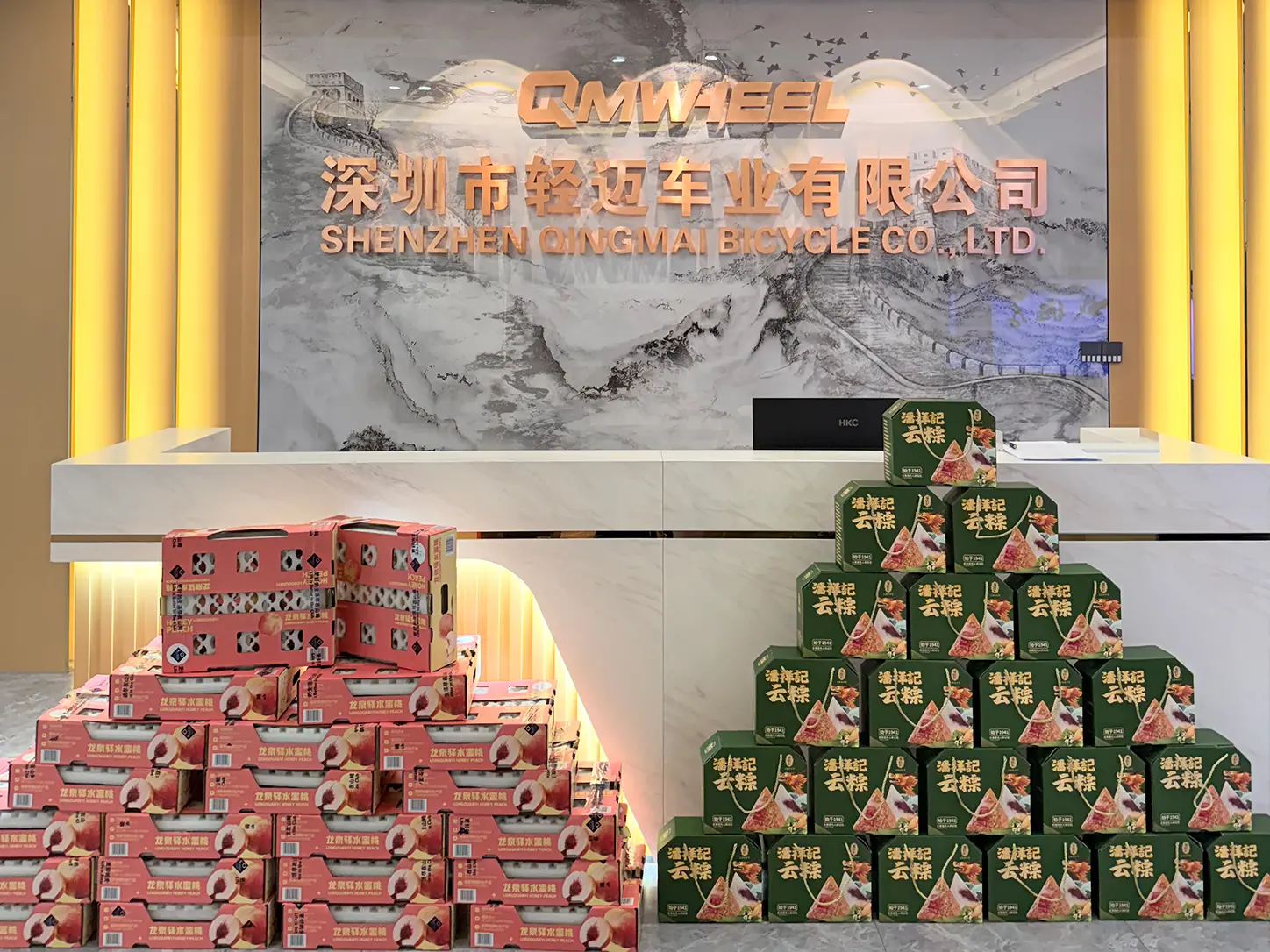
Shenzhen Qingmai Bicycle Co., Ltd. and Smartride Supplies B.V. Celebrate Dragon Boat Festival 2026
On June 17, 2026—with the Dragon Boat Festival approaching, Shenzhen Qingmai Bicycle Co., Ltd. and Smartride Supplies B.V. distributed gift boxes containing traditional zongzi (sticky rice dumplings) and fresh seasonal fruits to all employees to share the joy of the festival.
Read More -
 Blogs
Blogs
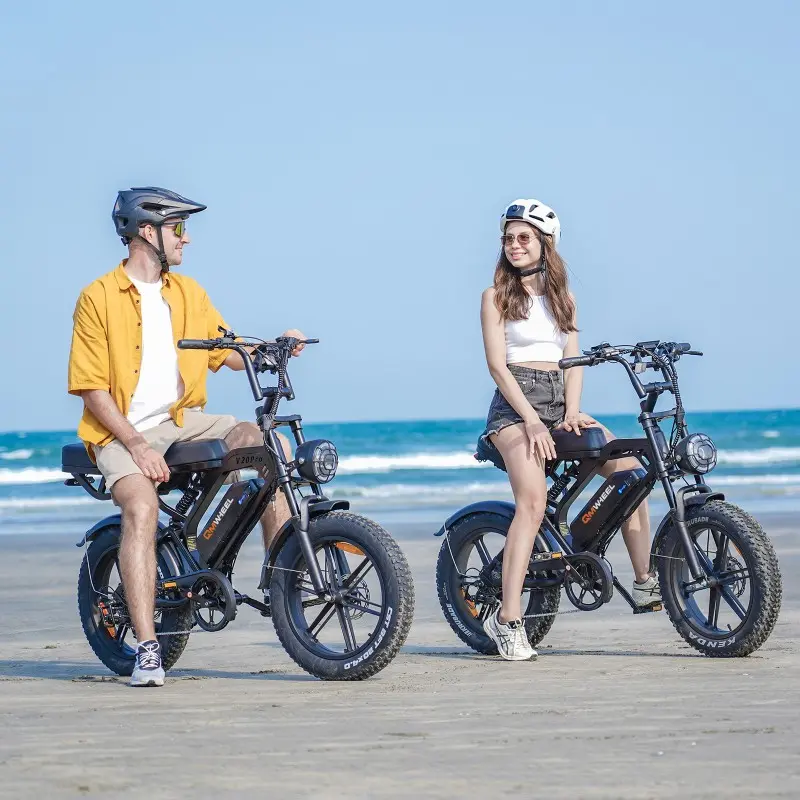
Long Range Fat Tire Electric Bike for Extended Outdoor Adventures
Discover QMWHEEL long range fat tire electric bike solutions with durable design, and extended riding capability for outdoor adventures and daily mobility.
Read More -
 Blogs
Blogs
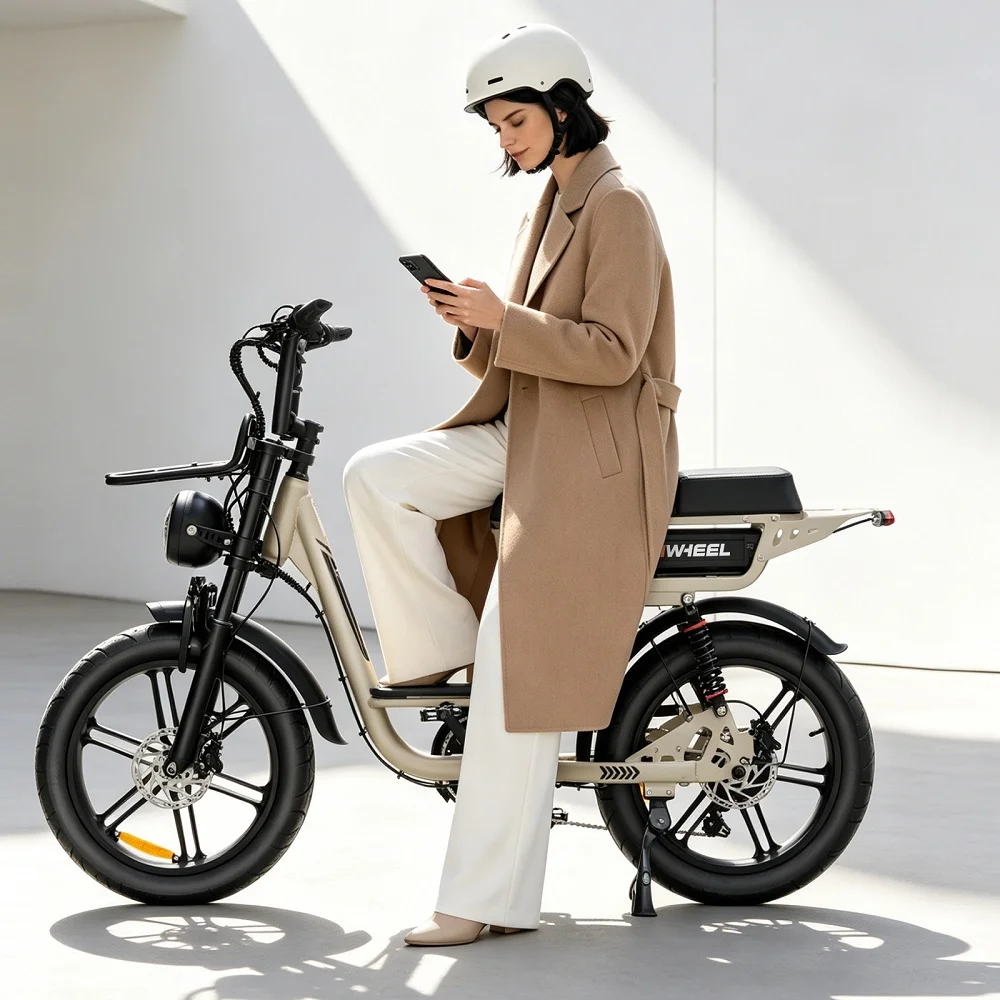
Why Step Through Commuter E-Bikes for Women Are Becoming a Key Product Category for Global Bicycle Dealers
The global electric bicycle market is experiencing a significant shift as more consumers look for practical, comfortable, and reliable transportation solutions for daily commuting.
Read More -
 Blogs
Blogs
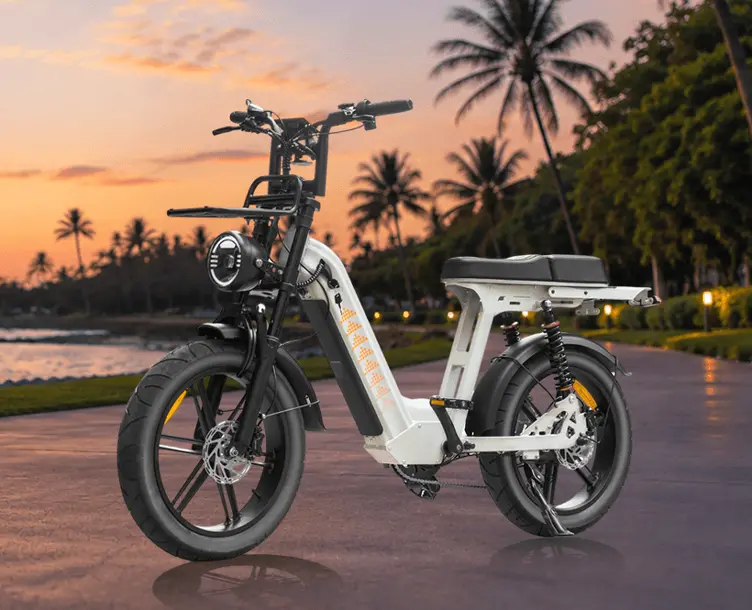
City Commuter Ebike with Long Range Battery for Everyday Travel
QMWHEEL’s city commuter ebike combines long-range battery capacity, fat tires and rear suspension for comfortable daily travel, errands and weekend riding.
Read More -
 Blogs
Blogs
Europe Is More Than a Market, It's Our Second Home Ground
Read More -
 Blogs
Blogs
Off Road Fat Tire Bike OEM Design for Different Market Demands
QMWHEEL develops off road fat tire bike solutions with market-specific customization, OEM support, flexible components, testing, branding, and global delivery.
Read More