 The best design at the most affordable price
  info@qmwheel.com
  +86 18938656121


 English
  en
en  it
it  es
es  tr
tr  sv
sv  pt
pt  cs
cs  nl
nl  ru
ru  fr
fr  de
de  pl
pl  ar
ar 

Why the Right Manufacturing Partner Matters
Choosing an electric bike manufacturer is an important decision for overseas brands because supplier capability directly affects product quality, customization flexibility, delivery consistency, and long term market development. A suitable partner should do more than assemble bicycles. It should understand product design, component integration, prototype development, quality control, packaging, and international delivery requirements.
For brands developing their own electric bicycle range, customization is often the key to differentiation. An experienced manufacturer should be able to translate market requirements into practical product designs while maintaining manufacturing efficiency. QMWHEEL provides OEM and ODM support for businesses seeking customized electric bicycles for different markets and brand positions.
What to Evaluate in an Electric Bike Manufacturer
Before starting cooperation, overseas buyers should assess a manufacturer's capabilities from several perspectives rather than focusing only on unit price. Product development experience, engineering resources, prototype speed, production capacity, quality management, and communication efficiency can all influence the final result.
A capable custom electric bike manufacturer should be able to coordinate the major stages from concept development through mass production. This reduces communication gaps between design and manufacturing and makes it easier to maintain consistency between approved prototypes and finished products.
| Evaluation Area | What Overseas Buyers Should Check |
|---|---|
| Product development | Design, engineering and prototype capability |
| Customization | Appearance, function, battery and accessories |
| Quality control | Testing, inspection and production monitoring |
| Manufacturing | Capacity, production organization and consistency |
| Delivery | Trial orders, replenishment and international logistics |
| Brand support | Logo, packaging and private label services |
Customization Capability Should Come First
For a private label business, customization is not limited to adding a logo. A competitive product may require changes to frame appearance, colors, materials, lighting, battery configuration, accessories, and other functional elements. The manufacturer needs sufficient technical coordination to turn these requirements into a practical production plan.
QMWHEEL supports custom electric bike development across appearance, function, branding, and packaging. This allows overseas brands to create a product that reflects their target customers instead of relying entirely on an off-the-shelf configuration.
Customization should also be controlled carefully. Changing every component can increase development complexity without creating meaningful customer value. A better approach is to identify the features that influence brand recognition, riding experience, market positioning, and purchasing decisions, then focus development resources on those areas.
Design and Prototype Development for Overseas Brands
A strong design concept needs to work in actual manufacturing conditions. Exterior styling must be coordinated with structural requirements, electronic components, battery placement, lighting, accessories, and assembly processes. This is why design capability should be evaluated together with engineering capability when selecting an OEM partner.
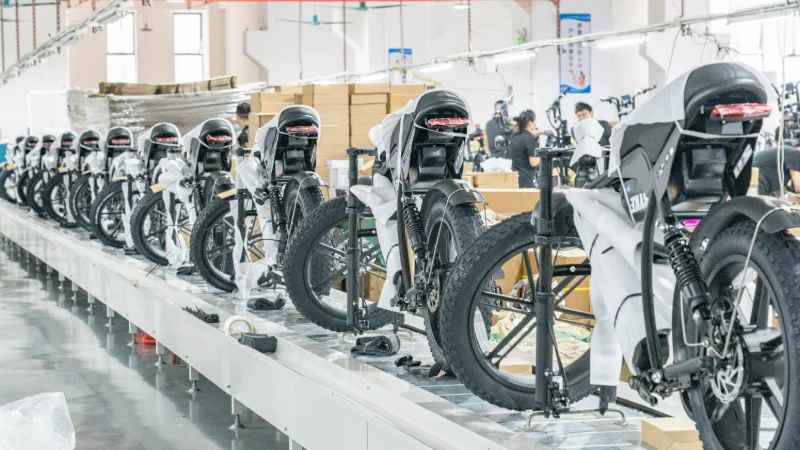
The development process can include 3D rendering, CMF design, structural design, mold planning, electronic solutions, and battery configuration. QMWHEEL indicates that rapid prototype development can take approximately 3–7 days, depending on project requirements. Fast prototyping gives buyers an opportunity to review the physical product before moving toward larger production quantities.
For overseas customers, this stage is particularly valuable because it can reveal practical issues that may not be obvious from drawings alone. Adjustments to appearance, component integration, usability, or product configuration can be considered before production resources are committed.
Battery and Component Flexibility
Electric bicycle performance depends on the interaction of multiple components rather than one individual part. Battery capacity and placement, braking configuration, lighting, drivetrain components, tires, and accessories all influence the final riding experience.
An experienced electric bike OEM manufacturer should therefore provide reasonable flexibility in component selection. QMWHEEL supports battery customization involving capacity, brand, location, and locking configuration. Lighting options can also be adapted according to product positioning, while practical accessories such as rear cargo platforms, passenger seats, footrests, and cup holders can support different applications.
The objective is not to maximize the number of available components. Instead, component choices should be aligned with the intended market, expected usage conditions, target price, and product identity.
Quality Control Beyond Final Inspection
Quality assurance should begin during development rather than only when finished products are ready for shipment. Design verification, component inspection, assembly control, performance testing, and aging procedures can all contribute to more consistent product quality.
For overseas brands, quality consistency is especially important because products may travel long distances before reaching distributors or end customers. Problems discovered after delivery can result in replacement costs, delays, customer complaints, and damage to brand reputation.
QMWHEEL emphasizes quality control throughout the manufacturing process and provides testing and certification support for products prepared for different markets. Buyers should discuss quality requirements, inspection procedures, testing responsibilities, and documentation before placing bulk orders.
Production Capacity and Order Flexibility
Production capacity is another factor that should be considered carefully. A supplier may be capable of producing prototypes but struggle to maintain consistency when order volumes increase. Overseas brands should therefore evaluate whether the manufacturer can support both initial trial orders and future production growth.
Flexible ordering can be particularly useful for new brands. Starting with a controlled quantity allows the buyer to evaluate market response before committing to larger volumes. As demand develops, the same manufacturing partner can potentially support replenishment and additional product configurations.
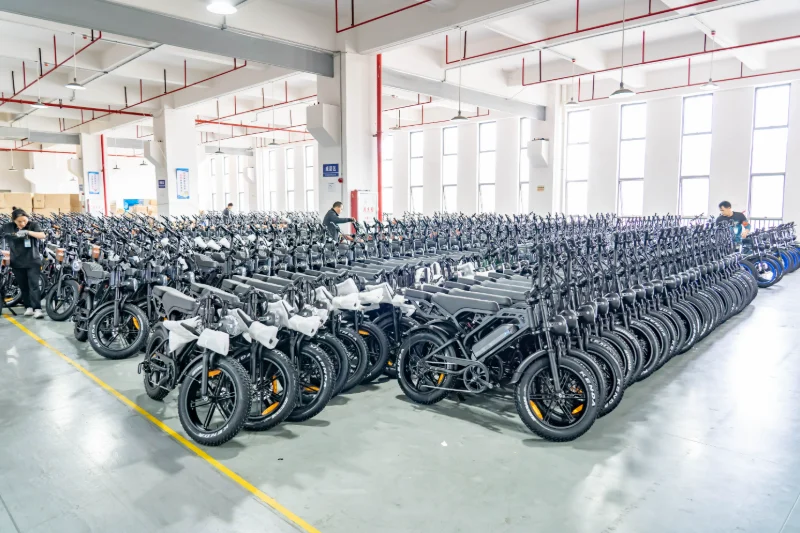
QMWHEEL states that its factory covers more than 20,000 square meters, with annual production capacity exceeding 300,000 units and monthly output exceeding 25,000 units. Such capacity can provide a foundation for brands planning gradual expansion while maintaining access to customized production.
Private Label Support and Brand Consistency
A private label electric bike requires consistent branding across the bicycle, packaging, documentation, and customer-facing presentation. Small details such as logo placement, color selection, packaging design, and product finishes can have a significant influence on perceived brand value.
When evaluating an electric bicycle manufacturer for private label, overseas buyers should confirm whether branding requirements can be integrated into the production process rather than added as an afterthought. QMWHEEL supports brand customization and customized packaging as part of its OEM and ODM services.
A consistent visual identity also makes it easier for brands to expand their product range. Once the core design language has been established, future models or configurations can be developed with a recognizable relationship to the existing range.
International Delivery and Market Requirements
Overseas buyers also need to consider logistics and market compliance during supplier selection. A product intended for one region may require different documentation, testing, packaging, or configuration when introduced elsewhere.
An experienced electric bike manufacturer for international markets should be familiar with the importance of certification support, packaging protection, production documentation, and coordinated delivery. These factors become increasingly important when a brand works across multiple countries.
QMWHEEL offers flexible delivery options including small-batch trial orders, multiple-batch replenishment, customized packaging, and EU local warehouse support. These services can help overseas businesses manage inventory and respond to changes in market demand.
How to Compare Manufacturers Before Ordering
Price should be evaluated together with the complete value provided by the supplier. A lower initial quotation may not remain economical if slow communication, repeated prototype changes, inconsistent quality, or delayed delivery create additional costs later.
A practical comparison should include the following areas:
Custom design and engineering capability
Prototype development speed
Component and battery flexibility
Quality control procedures
Production capacity
OEM and ODM experience
Private label and packaging support
Testing and certification assistance
Trial order flexibility
Delivery and replenishment capability
This broader evaluation helps buyers identify an electric bike manufacturer that can support the entire product lifecycle rather than simply provide a production quotation.
Building a Long Term OEM Partnership
The best supplier relationship should develop beyond a single purchase order. As brands gain market feedback, they may need changes to product appearance, accessories, battery configurations, packaging, or riding characteristics. A manufacturer that can respond efficiently to these changes becomes a valuable part of ongoing product development.
QMWHEEL's OEM and ODM approach combines design, prototype development, manufacturing, quality control, and delivery support. For overseas businesses, this integrated process can simplify communication and provide greater control over customized electric bicycle projects.
Ultimately, manufacturer selection should be based on the ability to turn a brand's product concept into a consistent, commercially practical bicycle. The right partner can help reduce development uncertainty, support customization, and create a stronger foundation for long term growth in international e-bike markets.
FAQ
What should overseas buyers look for in an electric bike manufacturer?
Buyers should evaluate customization capability, design resources, prototype speed, production capacity, quality control, testing support, private label services, packaging, and delivery flexibility.
Can an electric bike manufacturer provide private label customization?
Yes. Private label projects can include branding, appearance, color, packaging, functional configuration, battery options, and accessories. The available scope depends on the manufacturer's OEM and ODM capabilities.
How quickly can a custom electric bike prototype be developed?
QMWHEEL states that rapid prototype development can take approximately 3–7 days, although the actual timeline depends on design complexity and project requirements.
Why is prototype development important before bulk production?
A prototype allows buyers to assess physical appearance, component integration, usability, and overall product design before committing to larger production quantities. It can also reveal issues that are difficult to identify from drawings alone.
Can customized electric bicycles be developed for different markets?
Yes. Product configurations can be adjusted according to local customer preferences, riding conditions, branding requirements, and applicable market regulations.
Why consider QMWHEEL for an OEM electric bike project?
QMWHEEL provides OEM and ODM support covering product design, rapid prototyping, customization, testing, manufacturing, quality control, branding, packaging, and delivery. This makes it suitable for overseas brands seeking a coordinated approach to customized electric bicycle development.


-
 Blogs
Blogs
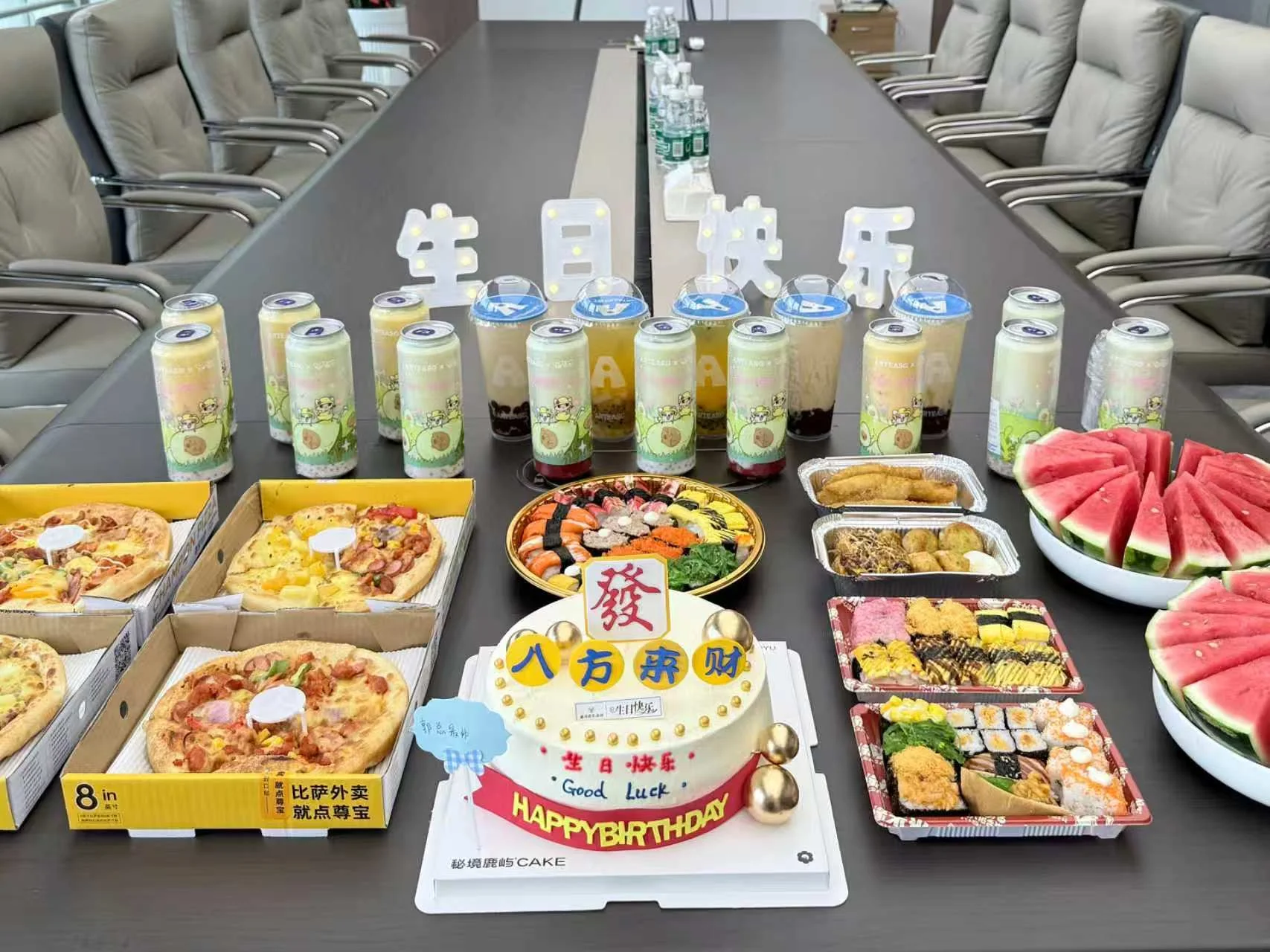
Shenzhen Qingmai Bicycle Co., Ltd. and Smartride Supplies B.V. Host Biweekly Tea Gathering
Read More -
 Blogs
Blogs
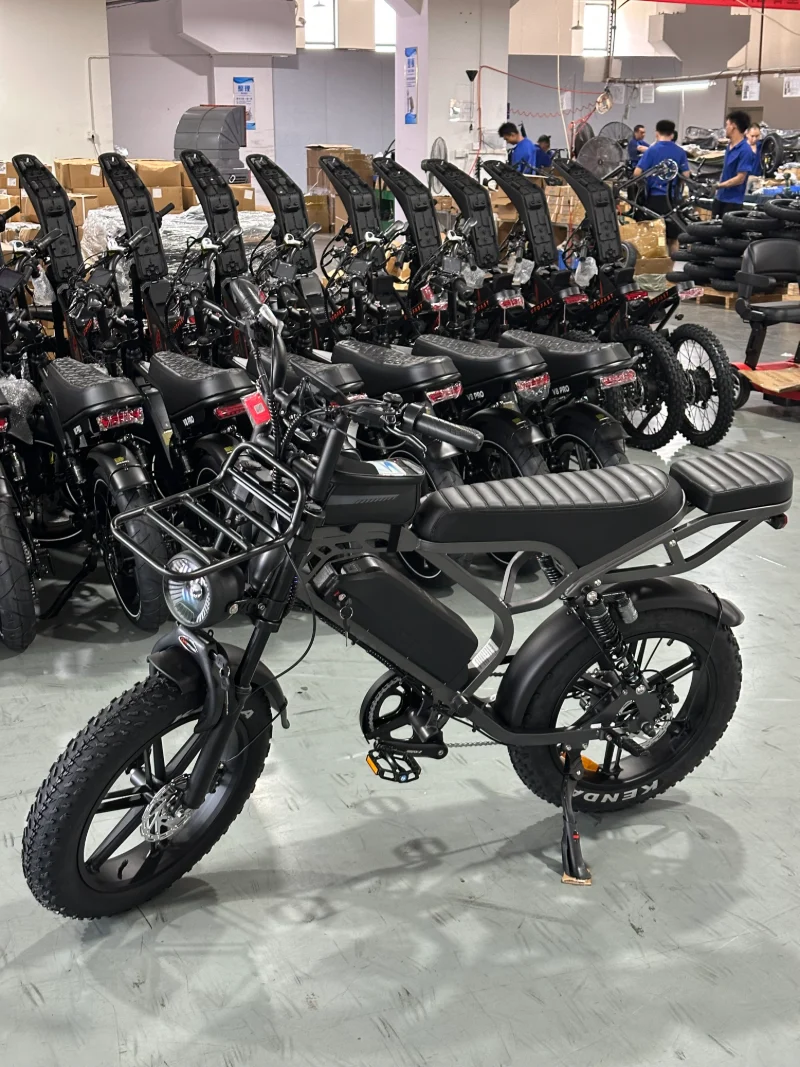
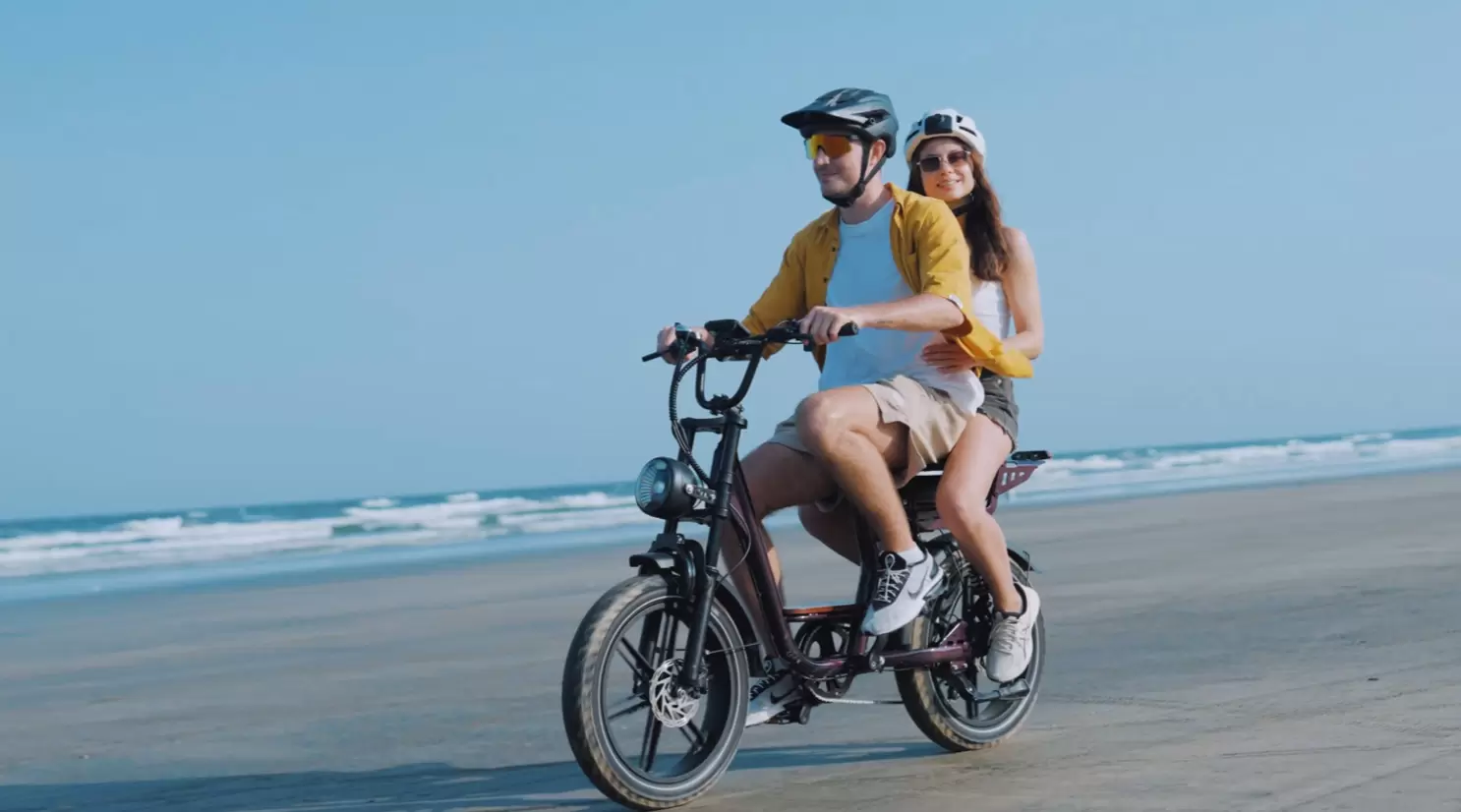
All Terrain Fat Tire Electric Bike for Better Traction on Loose Terrain
All terrain fat tire electric bike designs improve traction, stability, and comfort on gravel, sand, dirt, and uneven roads for versatile outdoor mobility and commuting.
Read More -
 Blogs
Blogs
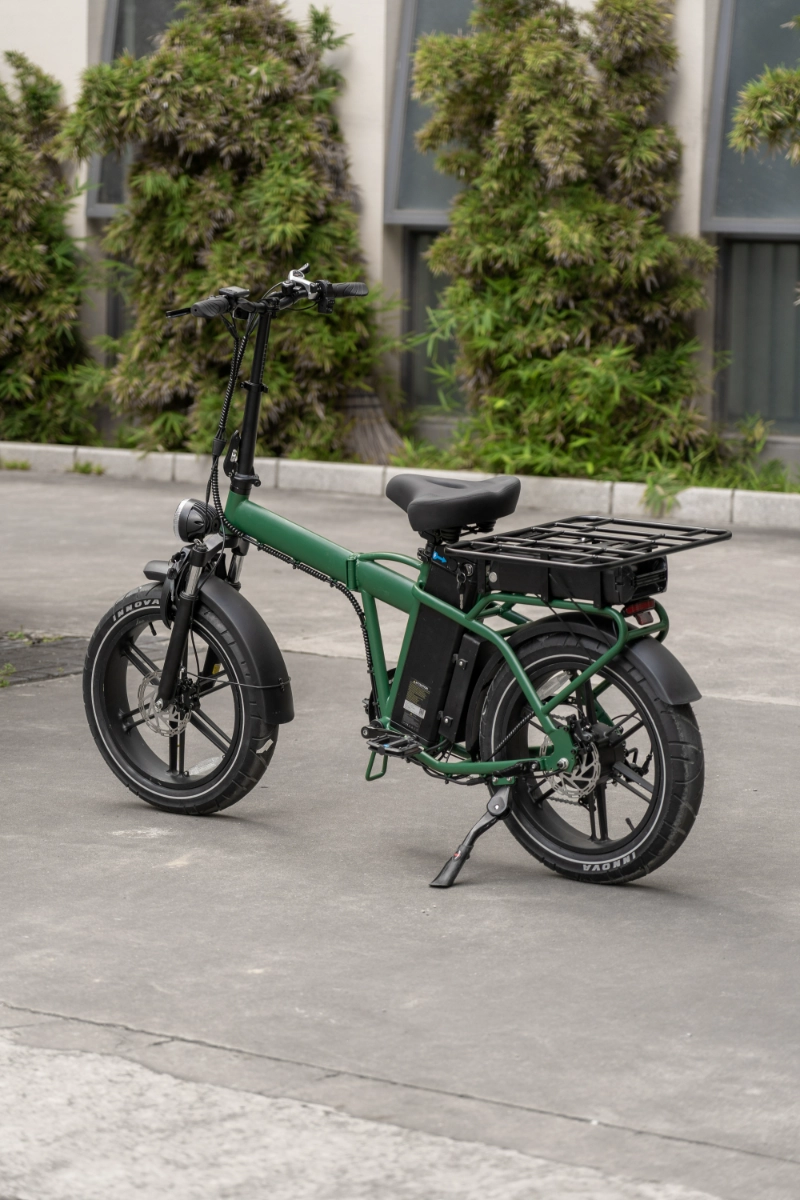
Custom Electric Commuter Bike: A Practical OEM Guide for Dealers and Brands Seeking Long-Term Market Growth
The global e-bike market continues to evolve, but one trend remains clear: distributors, retailers, and emerging brands are increasingly looking for products that match local rider preferences instead of relying on generic models.
Read More -
 Blogs
Blogs
City Commuter E-Bike for Urban Riders Seeking Comfort and Stability
QMWHEEL delivers a city commuter ebike designed for comfortable, stable daily travel, combining fat tires, suspension, practical battery access, and flexible mobility.
Read More -
 Blogs
Blogs
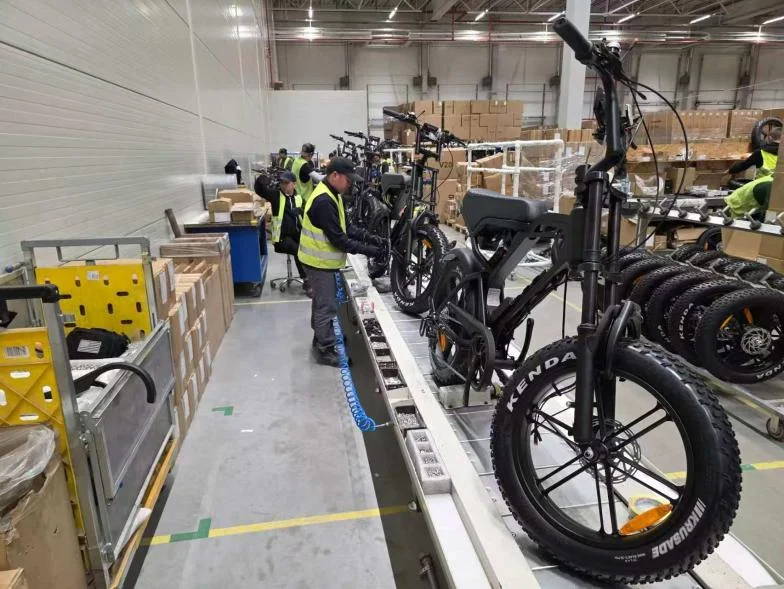
Europe Is More Than a Market, It's Our Second Home Ground
Read More -
 Blogs
Blogs
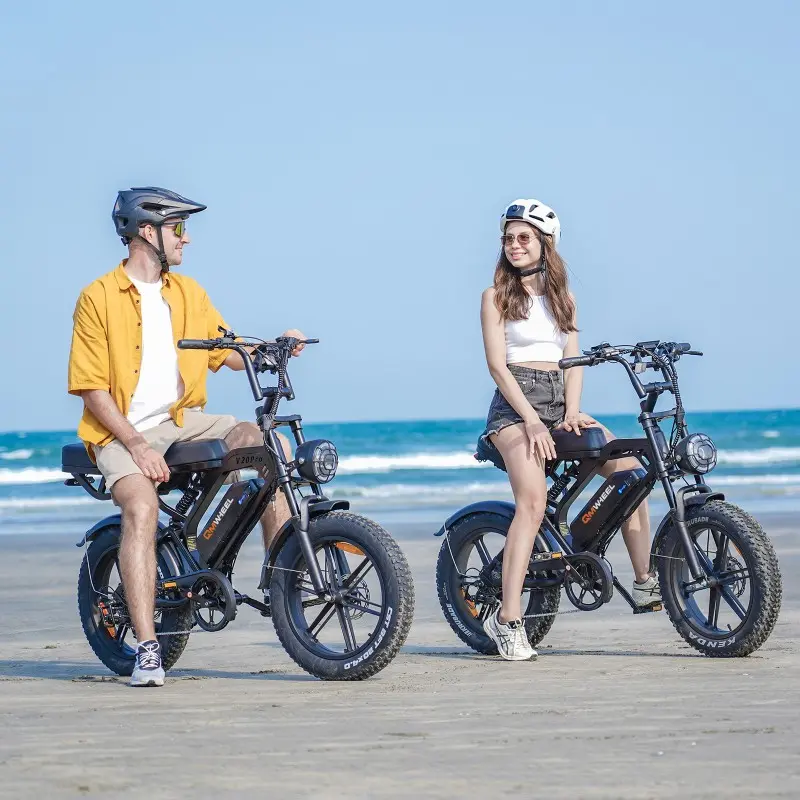
Long Range Fat Tire Electric Bike for Extended Outdoor Adventures
Discover QMWHEEL long range fat tire electric bike solutions with durable design, and extended riding capability for outdoor adventures and daily mobility.
Read More