 The best design at the most affordable price
  info@qmwheel.com
  +86 18938656121


 English
  en
en  it
it  es
es  tr
tr  sv
sv  pt
pt  cs
cs  nl
nl  ru
ru  fr
fr  de
de  pl
pl  ar
ar 

The global demand for versatile electric bicycles is expanding as riders look for products that can handle different terrains while remaining practical for everyday use. For brands entering this competitive market, developing a distinctive product involves much more than selecting a frame and motor. A custom electric fat bike needs to reflect the target market, riding environment, brand identity, and expected price level. QMWHEEL provides OEM and ODM support for businesses seeking tailored electric fat bike solutions, from initial design and prototype development to testing and bulk production.
Why Customization Matters in the Electric Fat Bike Market
Fat tire electric bikes attract customers because they combine stability, comfort, and off-road capability. However, buyers in different markets may have very different expectations regarding battery capacity, riding position, braking performance, accessories, appearance, and overall configuration. A product designed for recreational trails may not suit customers who prioritize commuting, cargo carrying, or long-distance outdoor riding.
This makes customization an important part of product development. Instead of relying on a fixed configuration, an electric fat bike OEM approach allows brands to adjust key features according to their sales strategy. Frame appearance, battery placement, lighting, braking components, cargo accessories, and other functional elements can be coordinated during development. This flexibility helps brands create products that are easier to differentiate in crowded international markets.
Building a Custom Electric Fat Bike Around the Target Market
A successful custom product should begin with market requirements rather than simply adding more features. Before development starts, brands should consider where the bicycle will be sold, who will use it, and what riding conditions are most common. These factors influence the choice of components and the overall product architecture.
For example, an outdoor-focused market may place greater emphasis on all terrain electric bike performance, durable components, wider tires, and practical lighting. Urban-oriented customers may value comfort, appearance, convenient battery access, and useful carrying accessories. A private label brand may also require a specific visual identity that distinguishes its products from competing electric bicycles.
QMWHEEL supports this development process through OEM and ODM services, helping customers translate market requirements into product concepts. The development scope can include exterior styling, structural design, color and material selection, electronic solutions, battery configuration, and supporting accessories.
Key Areas of Electric Fat Bike Customization
Customization does not necessarily mean changing every component. The most effective approach is to focus development resources on features that influence customer experience, brand recognition, and market positioning.
| Customization Area | Typical Development Focus |
|---|---|
| Frame and appearance | Shape, color, finish, branding and visual identity |
| Battery configuration | Capacity, placement, battery brand and locking method |
| Riding performance | Braking, drivetrain and terrain-oriented configuration |
| Lighting | LED lighting, rear lights and additional illumination |
| Utility features | Cargo platform, passenger seat, footrest and cup holder |
| Packaging | Brand identity, product protection and customized presentation |
These options allow an electric fat bike manufacturer to develop different configurations without losing consistency across a product range. For brands planning several versions, a structured customization strategy can also simplify product management and future upgrades.
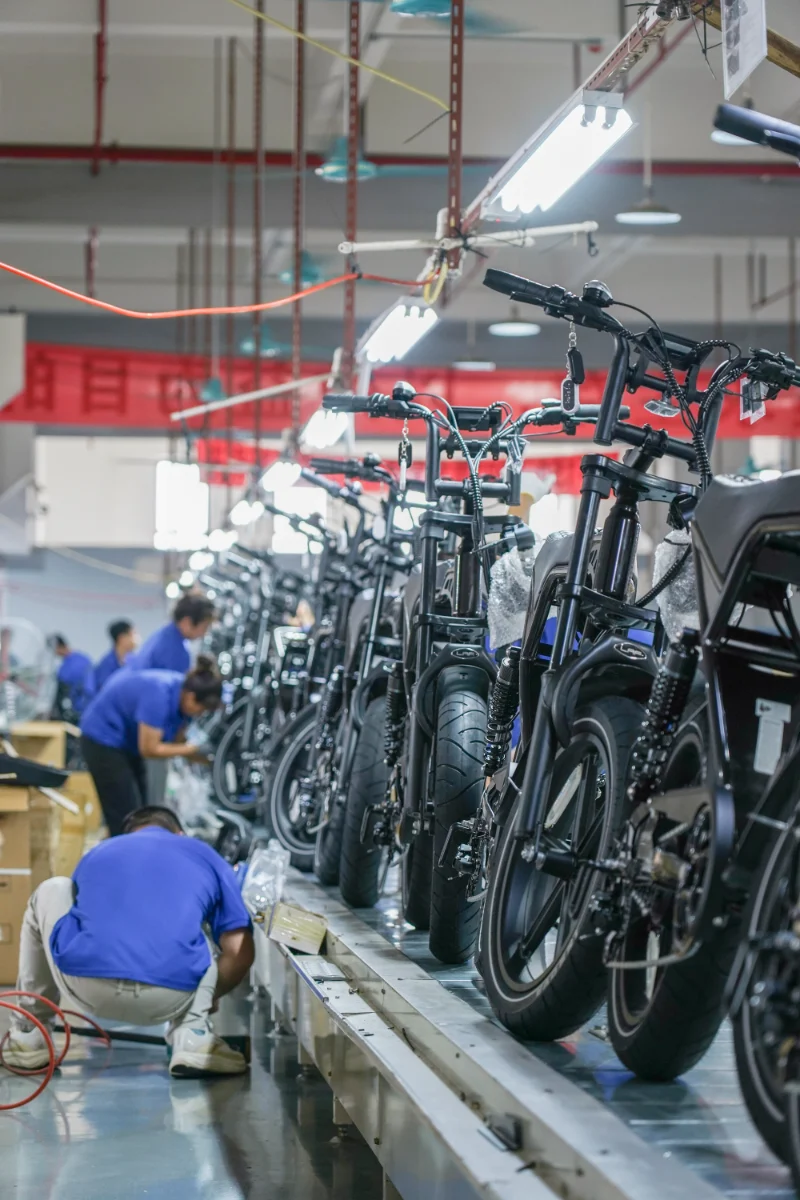
Private Label Electric Bike Development for Brand Growth
Private label businesses often face a difficult balance between uniqueness and manufacturing efficiency. A bicycle that looks too similar to existing products can be difficult to position, while excessive customization can increase development complexity and cost.
A private label electric bike should therefore combine recognizable brand elements with practical technical differentiation. Custom colors, frame styling, logo placement, packaging, lighting design, and selected functional features can create a stronger market identity without requiring unnecessary changes to every component.
QMWHEEL provides support for electric bike private label projects, allowing brands to develop products under their own identity. This approach is particularly useful for distributors, retailers, outdoor mobility companies, and emerging e-bike brands that want greater control over product positioning.
From Product Concept to Functional Prototype
One of the most important stages in custom electric bicycle development is converting a concept into a workable prototype. A strong visual design must also satisfy structural, manufacturing, electronic, and usability requirements.
The development process can include 3D rendering, exterior design, CMF development, structural design, mold planning, electronic solutions, and battery configuration. Rapid prototyping can help identify design issues before the product moves toward larger-scale production. QMWHEEL states that prototype development can be completed in approximately 3–7 days, depending on the project requirements.
This process gives brands an opportunity to evaluate the physical product rather than relying solely on drawings or specifications. Adjustments can then be made before production resources are committed to larger quantities.
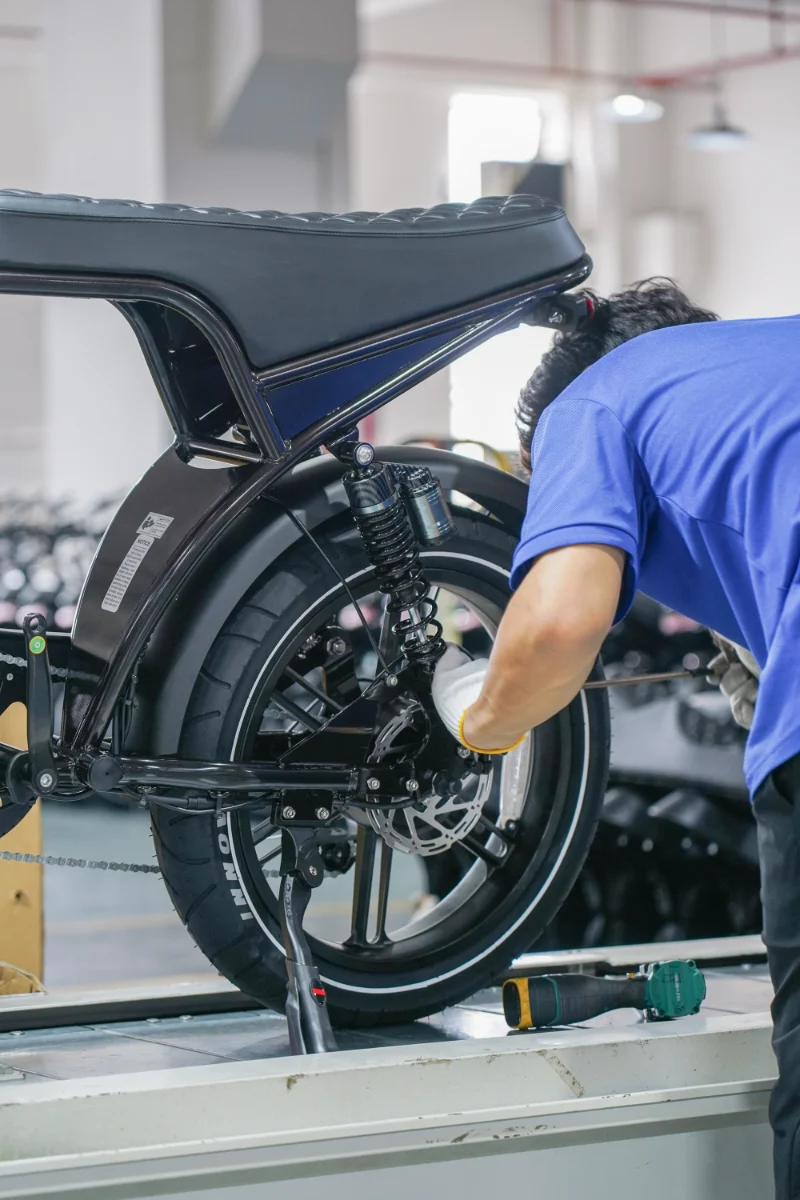
Testing and Quality Considerations for Off Road E Bikes
A custom fat tire electric bike may encounter more demanding riding conditions than a conventional urban bicycle. Uneven surfaces, dirt paths, slopes, moisture, repeated vibration, and long riding sessions can place greater demands on individual components.
For this reason, product development should consider braking behavior, structural integrity, electrical performance, lighting, battery configuration, and overall riding stability. Quality control should continue throughout development and production, rather than being treated as a final inspection step.
Testing and aging procedures can help identify potential problems before shipment. Certification support is also important when products are prepared for international markets, because regulatory expectations vary between destinations.
Choosing an Electric Bike OEM Partner
Selecting an OEM supplier involves more than comparing factory prices. Brands should evaluate design capability, prototype speed, manufacturing capacity, quality management, customization flexibility, and communication efficiency.
A capable electric bike OEM manufacturer should be able to coordinate multiple stages of development instead of forcing the customer to manage separate suppliers for design, components, prototypes, packaging, and production. Integrated coordination can shorten communication cycles and reduce the risk of inconsistencies between the approved design and final product.
For international buyers, flexible delivery arrangements are also valuable. QMWHEEL supports small-batch trial orders, multiple-batch replenishment, customized packaging, and EU local warehouse support, helping brands adapt their purchasing approach as market demand develops.
Balancing Performance and Commercial Requirements
One common challenge in electric fat bike development is adding features without creating an unnecessarily expensive product. More equipment does not automatically create greater customer value. The right configuration depends on the intended market and the product's positioning.
For an all terrain electric bicycle, stability, braking, tire performance, battery endurance, lighting, and structural durability may deserve greater attention than cosmetic additions. For an urban lifestyle product, appearance, comfort, convenience, and integrated accessories may have greater commercial value.
The goal should be to create a balanced product where each customized feature serves a clear purpose. This approach helps brands maintain a competitive retail position while still offering meaningful differentiation.
Why Flexible Manufacturing Supports Global E Bike Brands
International e-bike businesses rarely remain limited to one product configuration. As customer preferences change, brands may need new colors, accessories, battery options, packaging designs, or market-specific versions.
A flexible OEM and ODM partner can make these adjustments easier to manage. Instead of starting product development from zero, brands can build on an established manufacturing process and introduce controlled changes where necessary. This is especially useful for businesses expanding from one market into several regions.
QMWHEEL combines product development, manufacturing, quality control, and delivery support, providing a practical foundation for brands that need custom electric bike manufacturing rather than simply purchasing an off-the-shelf bicycle.
FAQ
What can be customized on a fat tire electric bike?
Customization can cover appearance, frame design, colors, materials, branding, battery configuration, lighting, braking components, accessories, packaging, and selected functional features. The exact scope depends on the project's requirements.
How long does electric bike prototyping take?
QMWHEEL indicates that rapid prototype development can take around 3–7 days. Actual timing depends on the complexity of the design and the level of customization required.
Is OEM suitable for private label e-bike brands?
Yes. OEM manufacturing is suitable for brands that want their own visual identity, configuration, packaging, and product positioning while relying on an experienced manufacturer for production and quality control.
What should brands consider before ordering a custom electric fat bike?
Brands should define the target market, riding environment, expected customer profile, price positioning, desired features, branding requirements, certification needs, and expected order volume before development begins.
Why choose ODM instead of only purchasing an existing e-bike?
ODM development provides greater control over product appearance and functionality. It can help a brand create a more distinctive offering rather than competing with identical off-the-shelf products.
How can QMWHEEL support an international electric bike project?
QMWHEEL provides OEM and ODM support covering design, prototype development, testing, manufacturing, quality control, customized packaging, and delivery. Its capabilities are designed to help global brands move from product concept toward commercial production.


-
 Blogs
Blogs
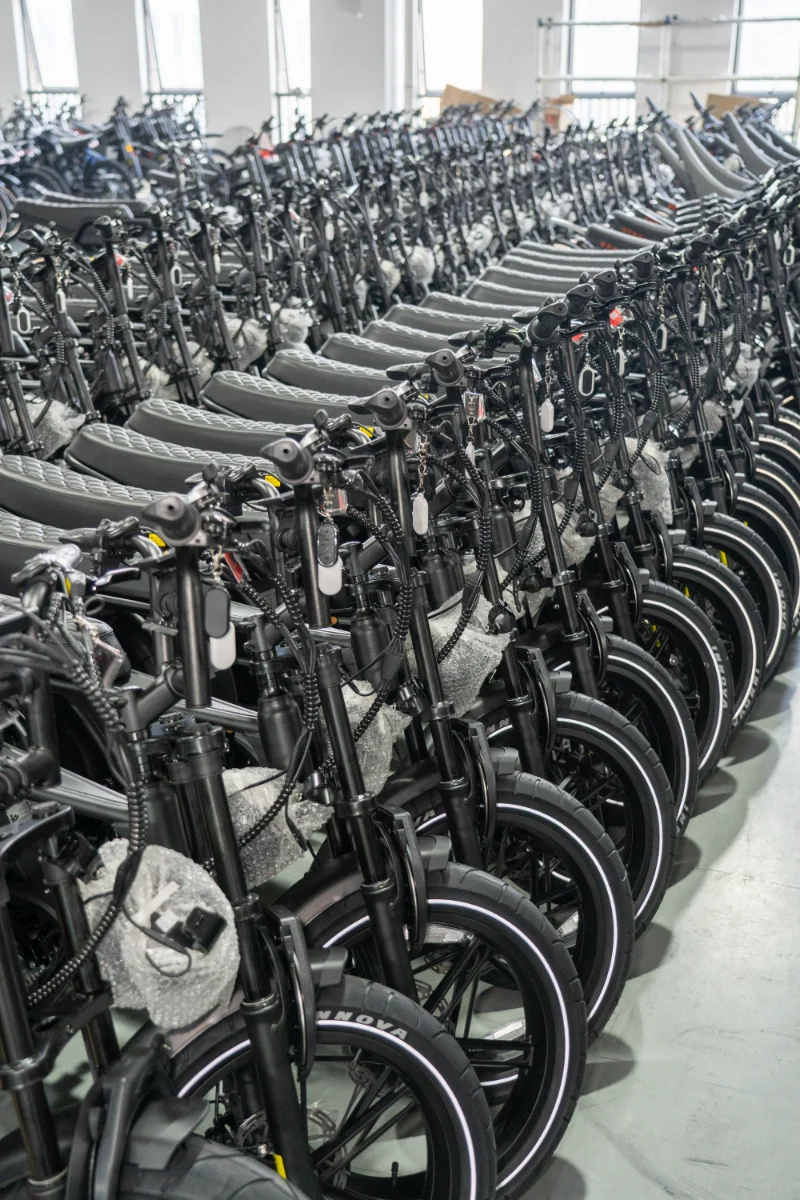
Why Fat Tires Matter in a Custom Electric Mountain Bike Design
Fat tire performance gives a custom electric mountain bike stronger traction, stability, and comfort for mixed terrain while supporting flexible OEM and ODM development.
Read More -
 Blogs
Blogs
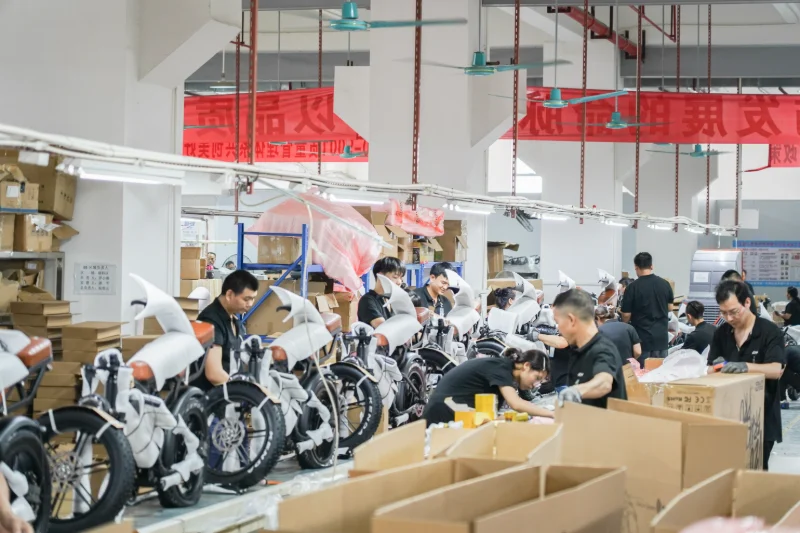
All Terrain Electric Bicycle OEM Solutions for Outdoor Travel
Build an all terrain electric bicycle for outdoor travel with OEM customization, durable design, battery options and certification support for global brands.
Read More -
 Blogs
Blogs
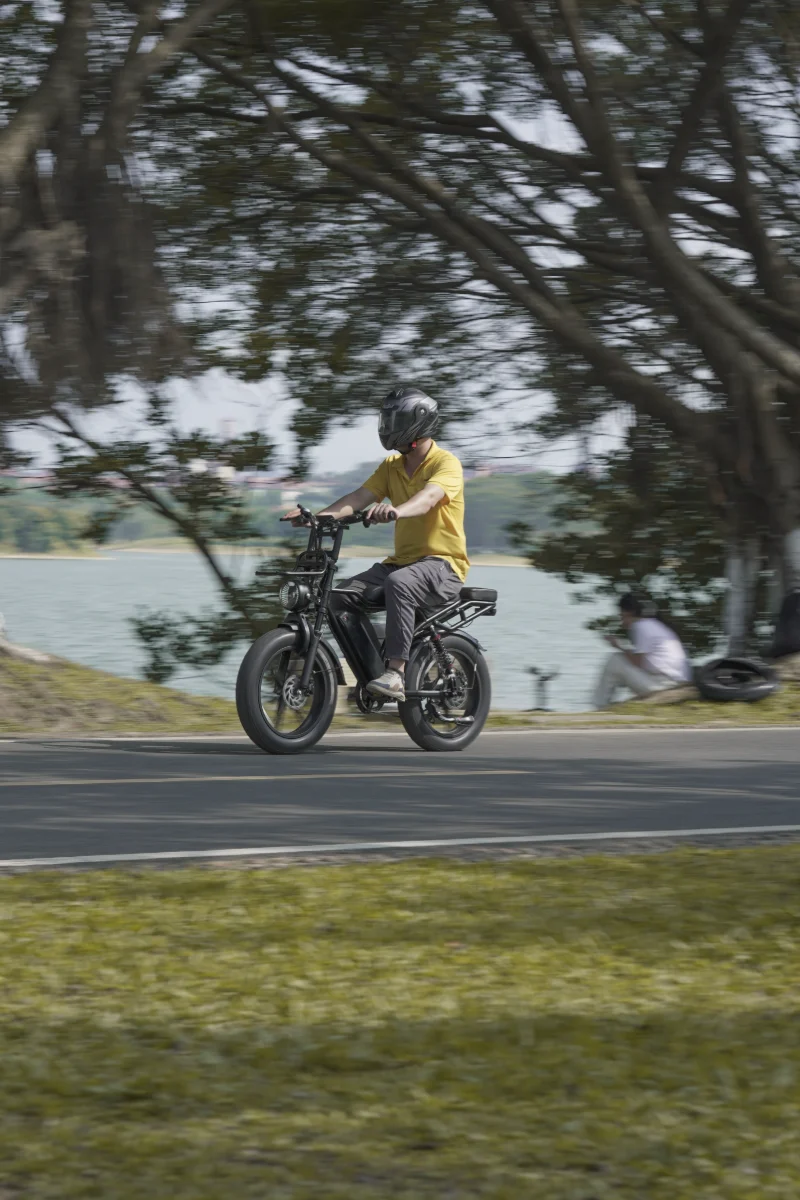
OEM Electric Motorcycle Solutions for High-Demand Urban Travel
QMWHEEL offers OEM electric motorcycle solutions with flexible customization, practical performance, and global support for brands targeting urban mobility.
Read More -
 Blogs
Blogs
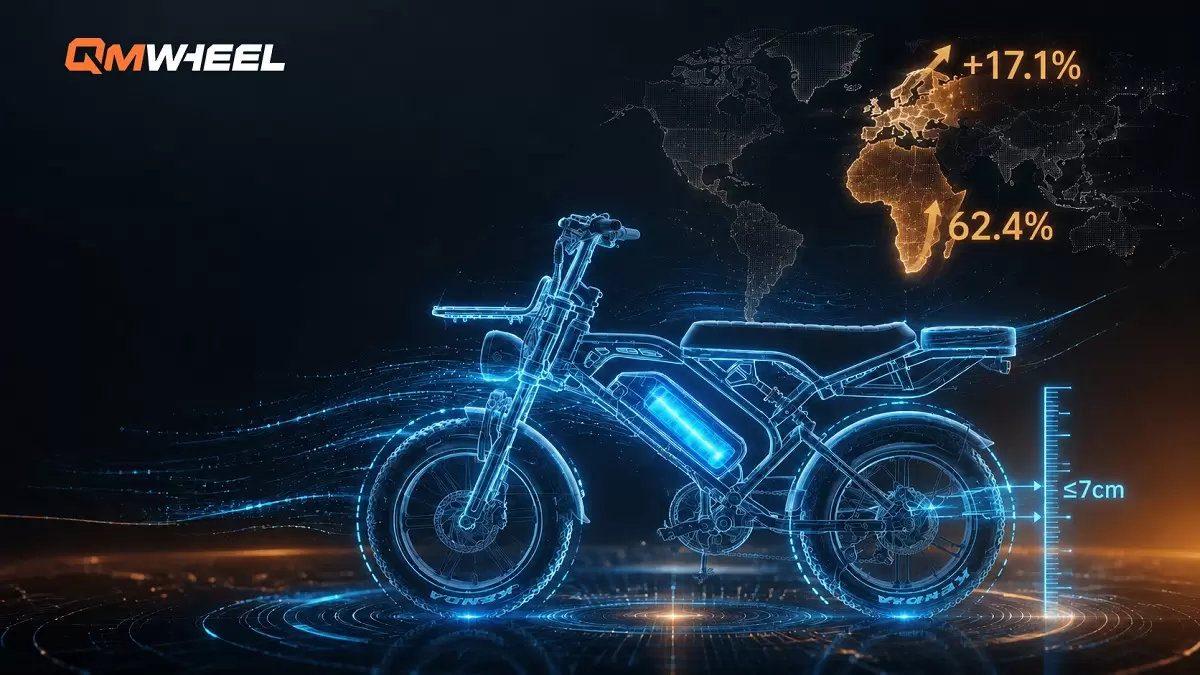
Global E-Bike Export Boom: Qingmai Adapts Products to Meet Dutch Local Tire Rules
What Are 2026’s Biggest E-Bike Trends? Qingmai Shares Compliance & Export Insights
Read More -
 Blogs
Blogs
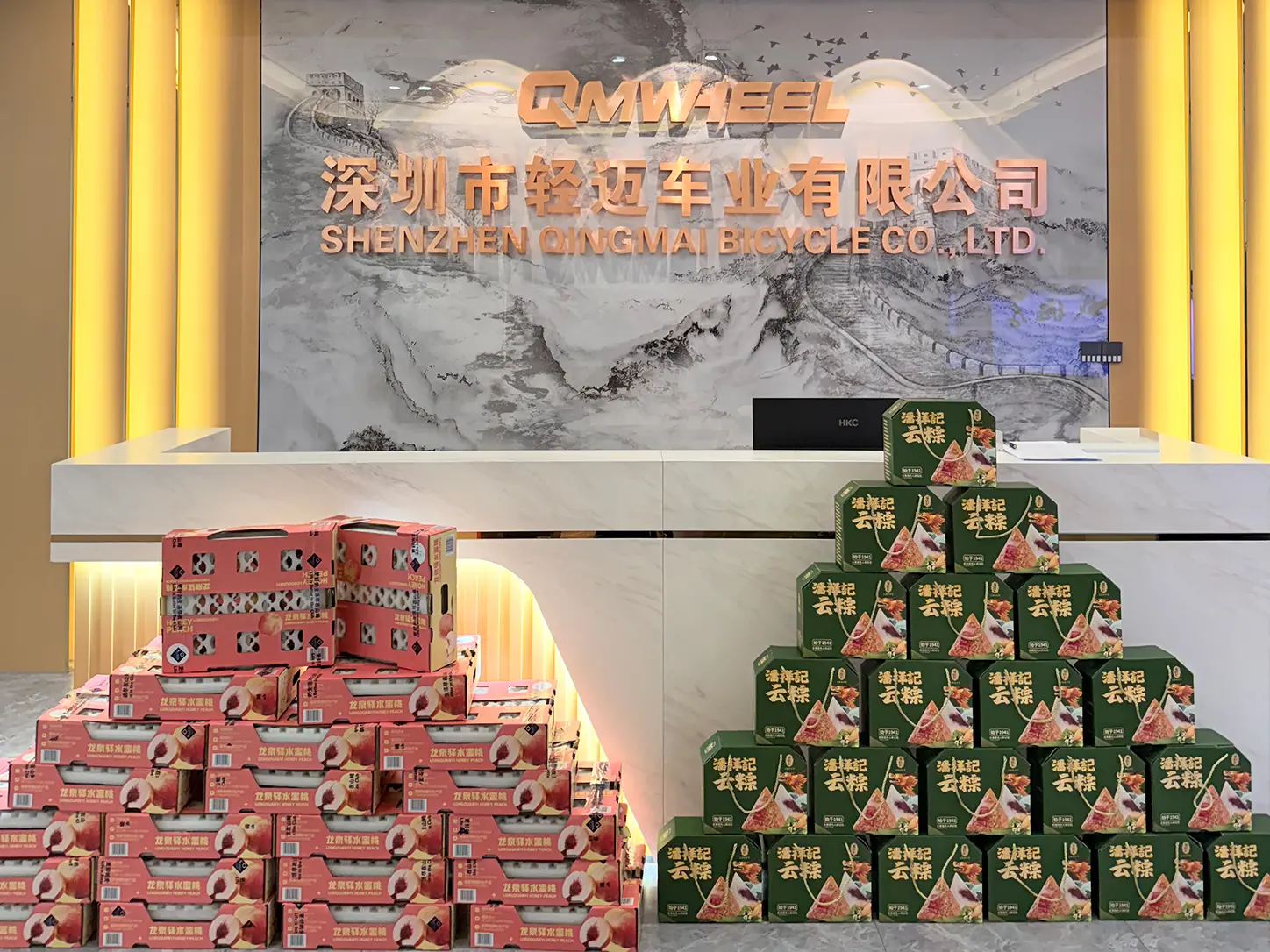
Shenzhen Qingmai Bicycle Co., Ltd. and Smartride Supplies B.V. Celebrate Dragon Boat Festival 2026
On June 17, 2026—with the Dragon Boat Festival approaching, Shenzhen Qingmai Bicycle Co., Ltd. and Smartride Supplies B.V. distributed gift boxes containing traditional zongzi (sticky rice dumplings) and fresh seasonal fruits to all employees to share the joy of the festival.
Read More -
 Blogs
Blogs
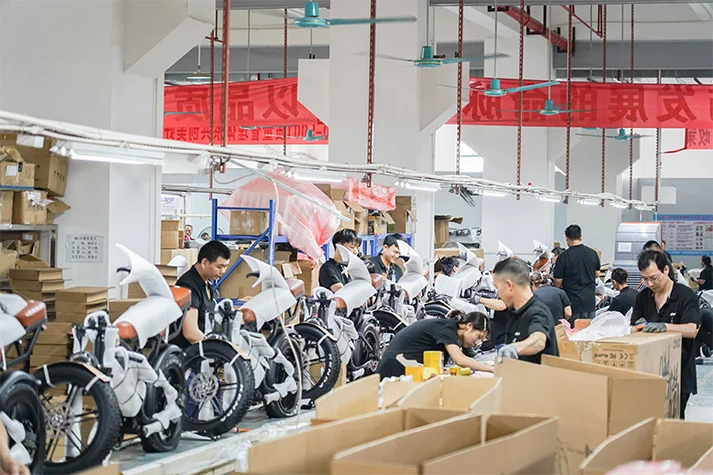
Building Competitive Advantage in the Commuter Fat Tire Electric Bike Market: A Practical Industry Perspective from QMWHEEL Vehicle
The global demand for electric mobility is no longer defined by experimentation—it is defined by operational efficiency, regulatory compliance, and total cost of ownership.
Read More