 The best design at the most affordable price
 info@qmwheel.com
 +86 18938656121


 English
 en
 it
 es
 tr
 sv
 pt
 cs
 nl
 ru
 fr
 de
 pl
 ar


Why Brand-Specific E-Bike Development Matters
Entering the electric bicycle market requires more than selecting a ready-made product and adding a company logo. Brands need bicycles that reflect their target customers, market positioning, functional expectations, and visual identity. A suitable electric bicycle manufacturer should therefore offer flexible development options rather than simply supplying existing products. This allows businesses to create distinctive electric bikes while maintaining control over product appearance, component selection, packaging, and overall purchasing costs.
For overseas brands, working with an experienced OEM/ODM partner can also reduce the challenges associated with product development. From initial design discussions to sample production and bulk manufacturing, each stage requires coordination between engineering, procurement, and quality management. QMWHEEL provides electric bike OEM and ODM services to help international brands develop products that align with their commercial objectives and market requirements.
Customization Options Offered by an Electric Bicycle Manufacturer
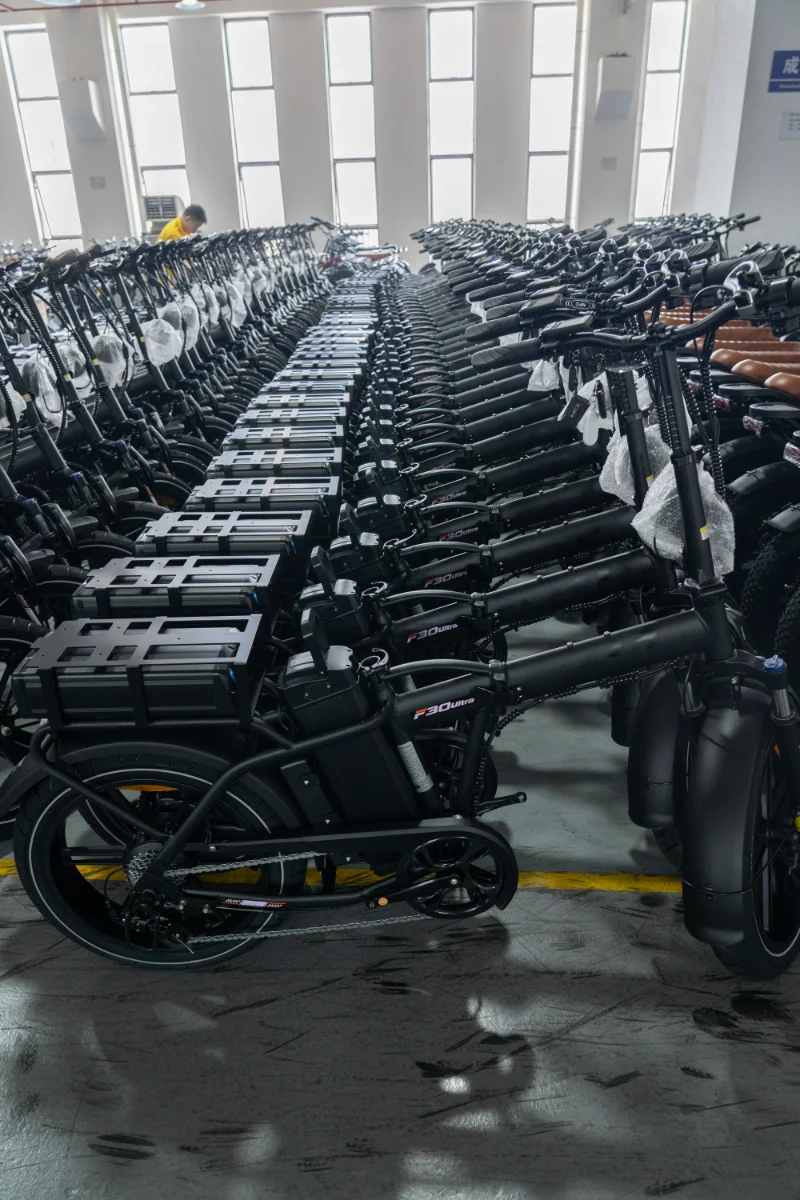
A brand-specific electric bike should be developed around its intended application and customer expectations. Some brands prioritize distinctive styling, while others focus on riding comfort, carrying capacity, component compatibility, or cost control. An experienced electric bicycle manufacturer can help evaluate these priorities and translate them into practical customization decisions.
Customization generally covers several interconnected areas, including appearance, functional components, branding, and packaging. Rather than changing every component without a clear purpose, buyers should identify which features directly influence product positioning. This approach helps maintain design consistency and prevents unnecessary development expenses.
Customization Area | Available Options | Business Value |
|---|---|---|
Appearance | Colors, finishes, visual details | Brand recognition |
Components | Brakes, batteries, lighting | Functional differentiation |
Accessories | Cargo racks, seats, footrests | Application flexibility |
Branding | Logos and private labeling | Market identity |
Packaging | Customized packaging | Consistent brand presentation |
How Component Selection Shapes Brand Identity
Functional Components and Riding Expectations
Component selection influences how an electric bicycle performs in everyday use. Braking configuration, for example, should correspond with the bicycle's intended application, expected riding conditions, and maintenance requirements. Buyers comparing different electric bicycle manufacturers should consider whether the supplier can coordinate component choices without compromising compatibility or overall product quality.
Battery selection is another important consideration. Different markets may have different expectations regarding riding range, charging convenience, battery placement, and replacement requirements. A qualified OEM manufacturer should discuss these factors before confirming the development plan. Battery configuration should be evaluated alongside the bicycle's intended use, rather than treated as an isolated purchasing decision.
Accessories That Expand Product Applications
Accessories can create meaningful differences between products that otherwise share a similar basic structure. Rear cargo racks, passenger seats, footrests, and cup holders can support different riding and carrying requirements. For brands targeting commuting, leisure, or practical transportation markets, these details can influence purchasing decisions.
Lighting also deserves attention during product development. Front lights, rear lights, and additional lighting features contribute to visibility while supporting a recognizable product appearance. When selecting an electric bicycle manufacturer for custom builds, buyers should confirm whether accessory integration can be coordinated during the design stage. This helps avoid unnecessary modifications after the main product structure has been finalized.
OEM and ODM Development for Private Label Electric Bikes
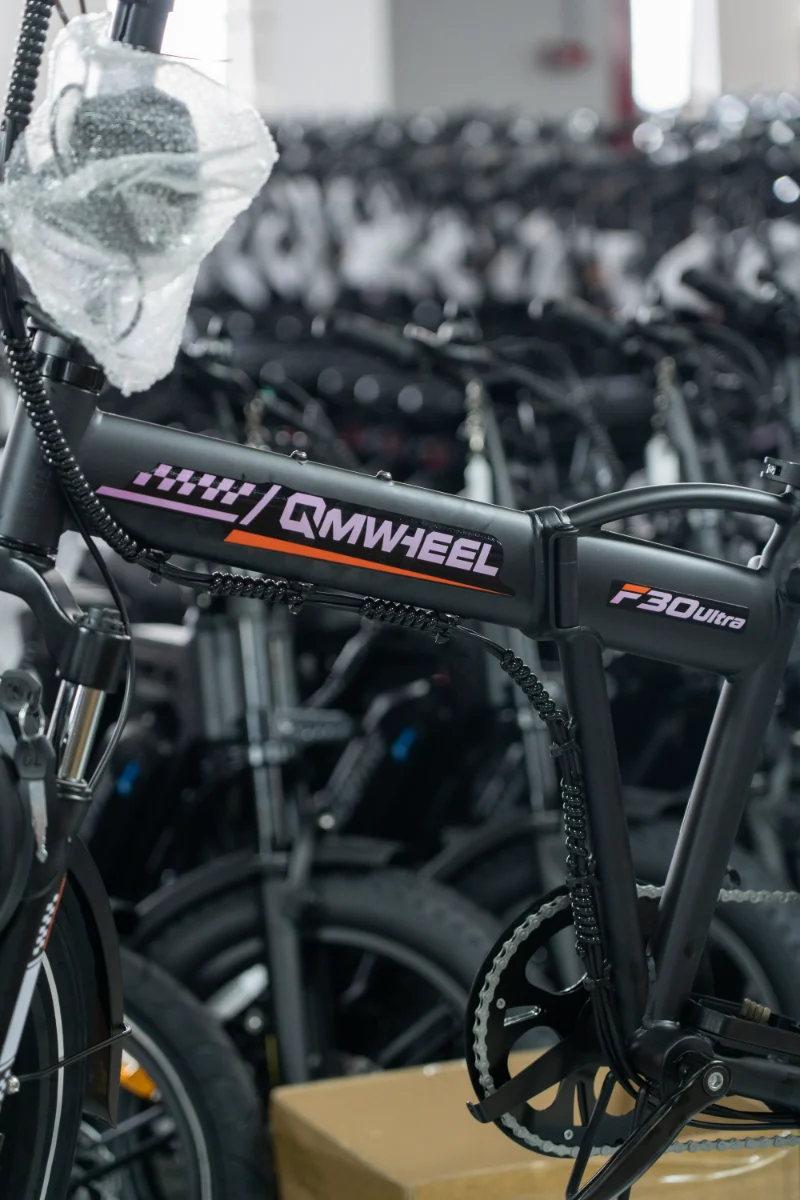
OEM and ODM cooperation provides different levels of involvement in electric bicycle development. OEM projects generally follow buyer-defined product requirements, while ODM cooperation can provide greater support with design and product development. Understanding this distinction helps brands choose an arrangement that matches their internal capabilities and available resources.
Development Option | Main Focus | Suitable Buyers |
|---|---|---|
OEM Manufacturing | Production based on buyer requirements | Established bicycle brands |
ODM Development | Design and product development support | New and growing brands |
Private Label | Branding and packaging customization | Distributors and retailers |
For businesses without an established engineering team, ODM services can simplify the transition from an initial concept to a manufacturable product. Buyers can communicate their preferred appearance, target applications, and functional requirements while the manufacturer assists with design coordination and sample development.
Private label electric bikes also require consistent branding across the product and its packaging. Logo placement, color coordination, finishing details, and packaging presentation should be considered together. A recognizable private label product depends on consistent execution, not merely placing a logo on an existing bicycle.
Sample Development and Quality Control Before Bulk Production
One important advantage of working with an experienced electric bicycle manufacturer is access to a structured sample development process. A sample allows buyers to evaluate the actual product rather than relying entirely on drawings, photographs, or initial specifications. It also creates an opportunity to identify design issues before committing to larger production quantities.
QMWHEEL supports rapid sample development, with a stated sample-making period of approximately 3–7 days. During this stage, buyers should review appearance, component compatibility, assembly quality, and functional performance. Feedback should be recorded clearly so that requested adjustments can be evaluated and confirmed before production approval.
Quality control should continue beyond sample confirmation. Incoming component inspection, assembly checks, functional testing, and final product inspection all contribute to manufacturing consistency. Buyers should also clarify how production feedback is handled and how quality requirements are communicated to the manufacturing team. These measures help reduce avoidable differences between approved samples and bulk orders.
Production Capacity and Supply Chain Coordination
Manufacturing capacity matters when an electric bike brand moves from initial market testing to larger purchasing volumes. However, annual production capacity alone does not determine whether a supplier is suitable. Buyers should also evaluate production planning, component availability, supplier coordination, and the manufacturer's ability to manage changing order requirements.
QMWHEEL operates a manufacturing facility covering more than 20,000 square meters and reports annual production capacity exceeding 300,000 units. Its manufacturing and supply chain capabilities support cooperation with international buyers seeking customized electric bicycles. For growing brands, this combination of development support and production resources can provide a practical foundation for long-term sourcing.
Another consideration is order flexibility. Small initial orders may help businesses evaluate market response before expanding their product range. Buyers should discuss minimum order quantities, production schedules, component procurement, and replenishment arrangements at the beginning of cooperation. Clear expectations make it easier to coordinate inventory and avoid unnecessary purchasing pressure.
Overseas Support and Long-Term Supplier Cooperation
For international electric bicycle brands, supplier selection should extend beyond manufacturing and shipment. Spare parts availability, warranty arrangements, technical assistance, and local distribution support can all affect the ownership experience after delivery.
QMWHEEL provides overseas warehouse support in markets including the United States, Australia, and Europe, alongside spare parts support. The company also identifies a Polish assembly facility as part of its international service capabilities. These resources can help overseas partners coordinate product distribution and after-sales requirements more efficiently.
Before signing a manufacturing agreement, buyers should clarify warranty coverage, spare parts purchasing procedures, technical documentation, and responsibility for handling product issues. Certification requirements should also be reviewed according to the destination market and the specific electric bicycle configuration. A dependable manufacturing partnership requires both production capability and a clearly defined after-sales arrangement.
How to Choose the Right Custom E-Bike Manufacturing Partner
Selecting an electric bicycle manufacturer involves balancing design flexibility, technical capabilities, production resources, and commercial terms. Buyers should avoid making decisions based exclusively on unit prices because differences in component quality, customization scope, and after-sales support can affect the total cost of ownership.
A practical supplier evaluation should cover the following points:
Customization Capability: Can the manufacturer accommodate branding, appearance, component, and packaging requirements?
Development Experience: Can its team translate product concepts into workable designs and samples?
Quality Management: Are inspection procedures and sample approval arrangements clearly defined?
Production Resources: Can the factory support expected order volumes and future expansion?
International Support: Are warranty services, spare parts, and overseas distribution resources available?
Communication Efficiency: Can the supplier provide clear progress updates and respond effectively to technical questions?
Comparing these areas helps buyers identify an OEM partner that can support both initial product development and future business growth. QMWHEEL combines customization services, manufacturing resources, and international support to serve brands looking for tailored electric bicycle manufacturing solutions.
Frequently Asked Questions
What Can an Electric Bicycle Manufacturer Customize?
Customization can include bicycle appearance, colors, braking components, battery selection, lighting, accessories, branding, and packaging. The available options depend on the product structure and manufacturing requirements.
What Is the Difference Between Electric Bike OEM and ODM?
OEM manufacturing follows buyer-defined product requirements, while ODM services provide additional design and development support. Both approaches can support private label electric bicycle businesses.
How Long Does Custom Electric Bike Sample Development Take?
Sample development depends on design complexity, component availability, and customization requirements. QMWHEEL states that its sample-making process can take approximately 3–7 days.
Can Overseas Brands Order Custom Electric Bikes?
Yes. Overseas brands can cooperate with manufacturers through OEM, ODM, and private label arrangements. They should confirm customization requirements, order quantities, certification needs, production schedules, and after-sales arrangements before placing an order.
Why Is After-Sales Support Important When Choosing a Manufacturer?
Electric bicycles require ongoing maintenance and access to compatible replacement components. Warranty arrangements, technical assistance, and spare parts availability help distributors and brands maintain customer confidence and support long-term market development.


-
 Blogs
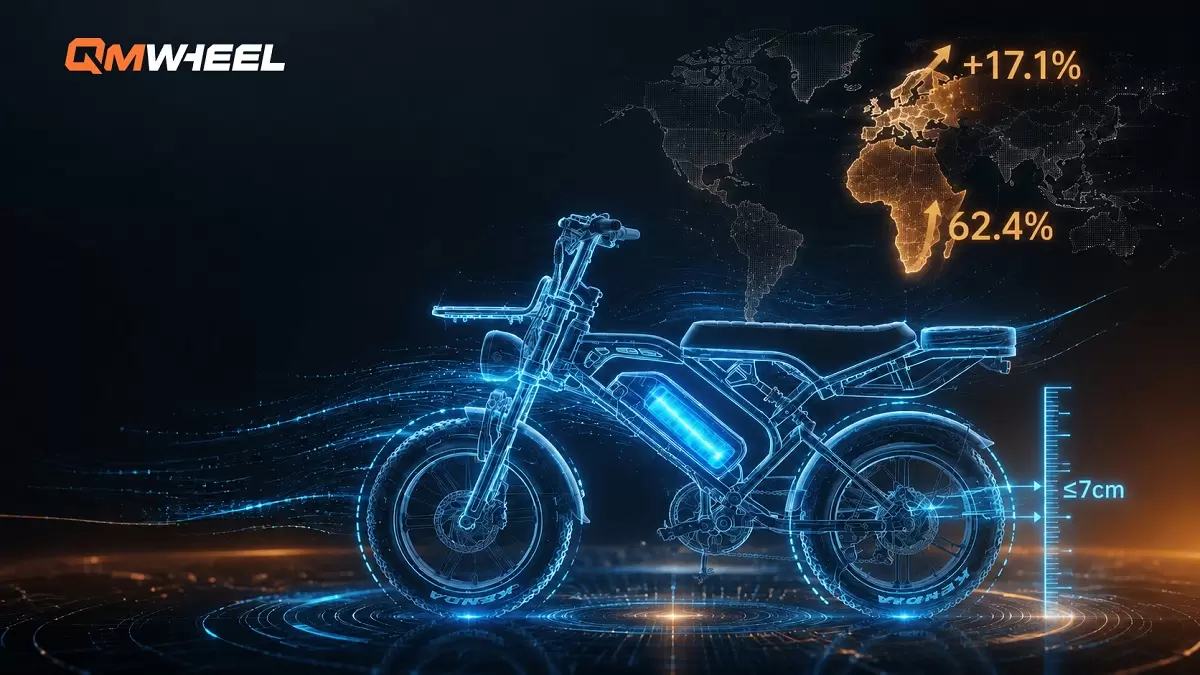
Global E-Bike Export Boom: Qingmai Adapts Products to Meet Dutch Local Tire Rules
What Are 2026’s Biggest E-Bike Trends? Qingmai Shares Compliance & Export Insights
Read More -
 Blogs
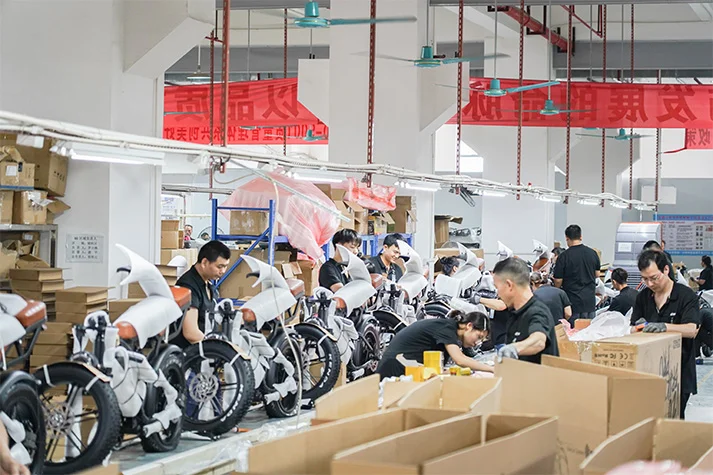
Building Competitive Advantage in the Commuter Fat Tire Electric Bike Market: A Practical Industry Perspective from QMWHEEL Vehicle
The global demand for electric mobility is no longer defined by experimentation—it is defined by operational efficiency, regulatory compliance, and total cost of ownership.
Read More -
 Blogs
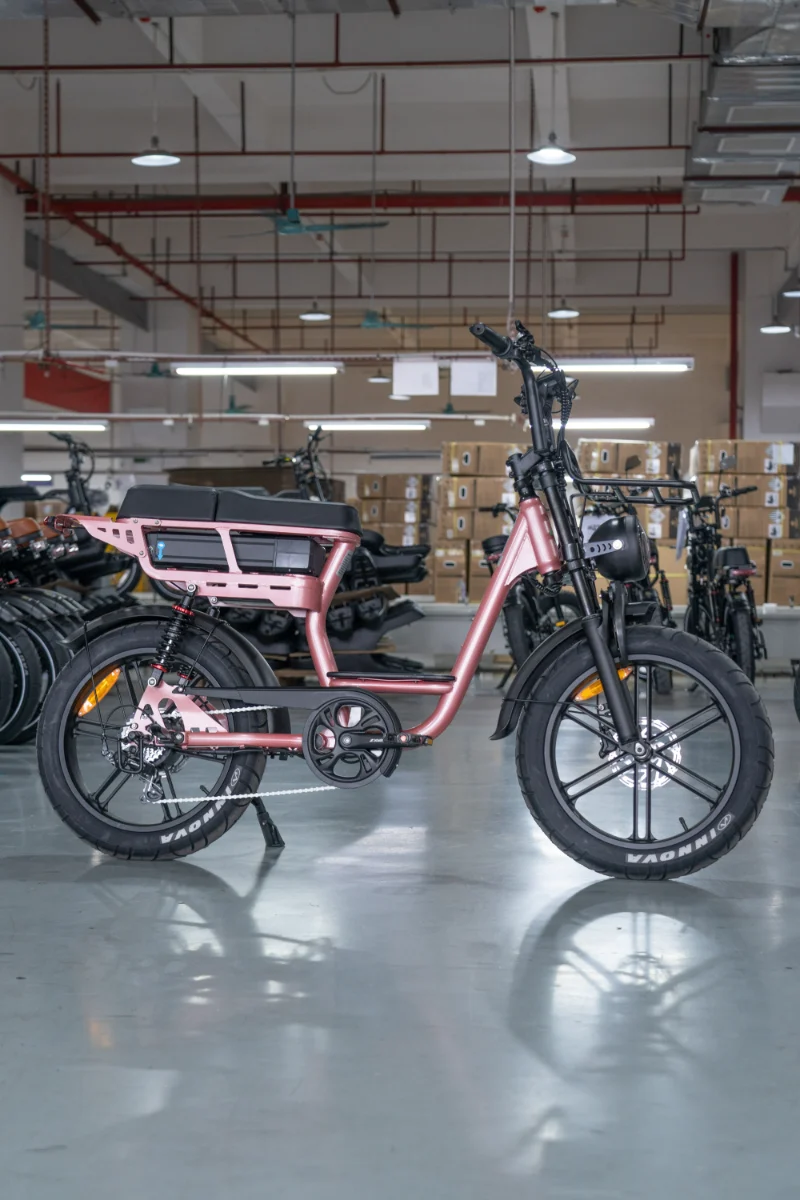
Why a Fat Tire Electric Bike for Women Handles Rough City Roads
QMWHEEL’s fat tire electric bike for women combines wide tires, rear suspension, hydraulic brakes, and flexible seating for confident urban commuting.
Read More -
 Blogs
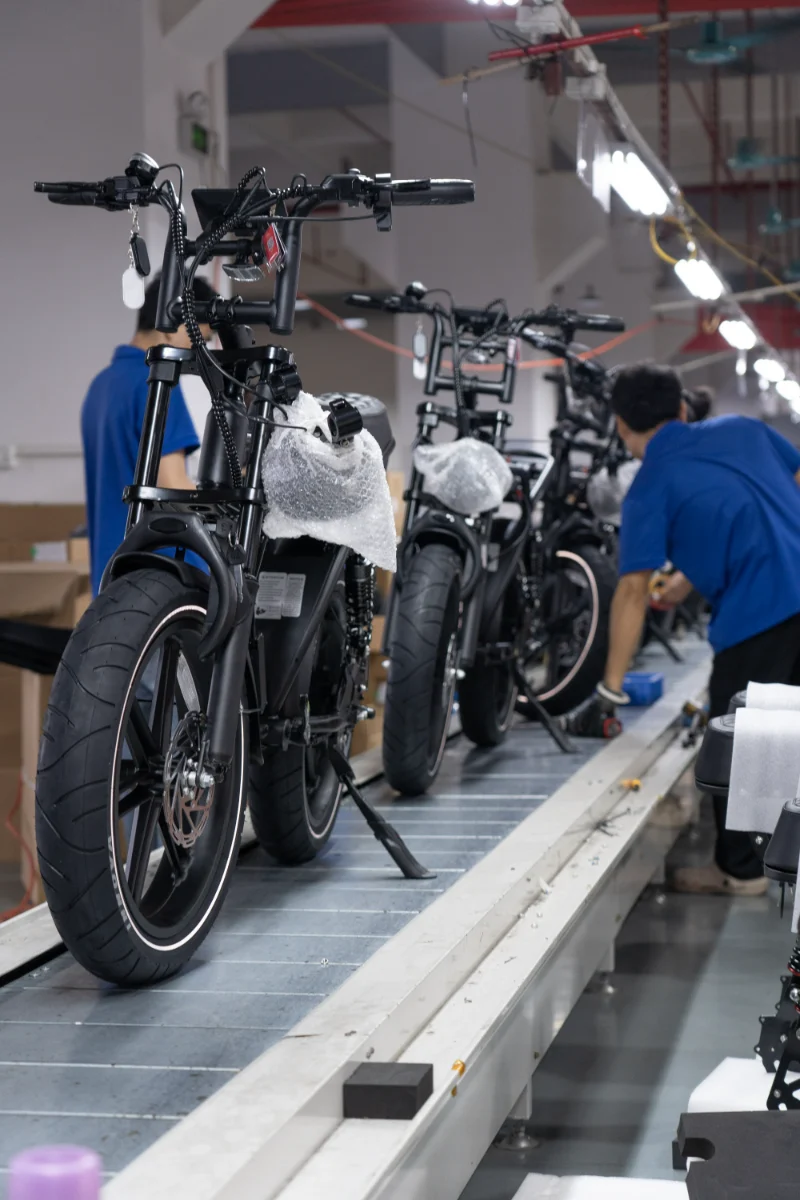
Off Road Fat Tire Bike OEM Design for Different Market Demands
QMWHEEL develops off road fat tire bike solutions with market-specific customization, OEM support, flexible components, testing, branding, and global delivery.
Read More -
 Blogs
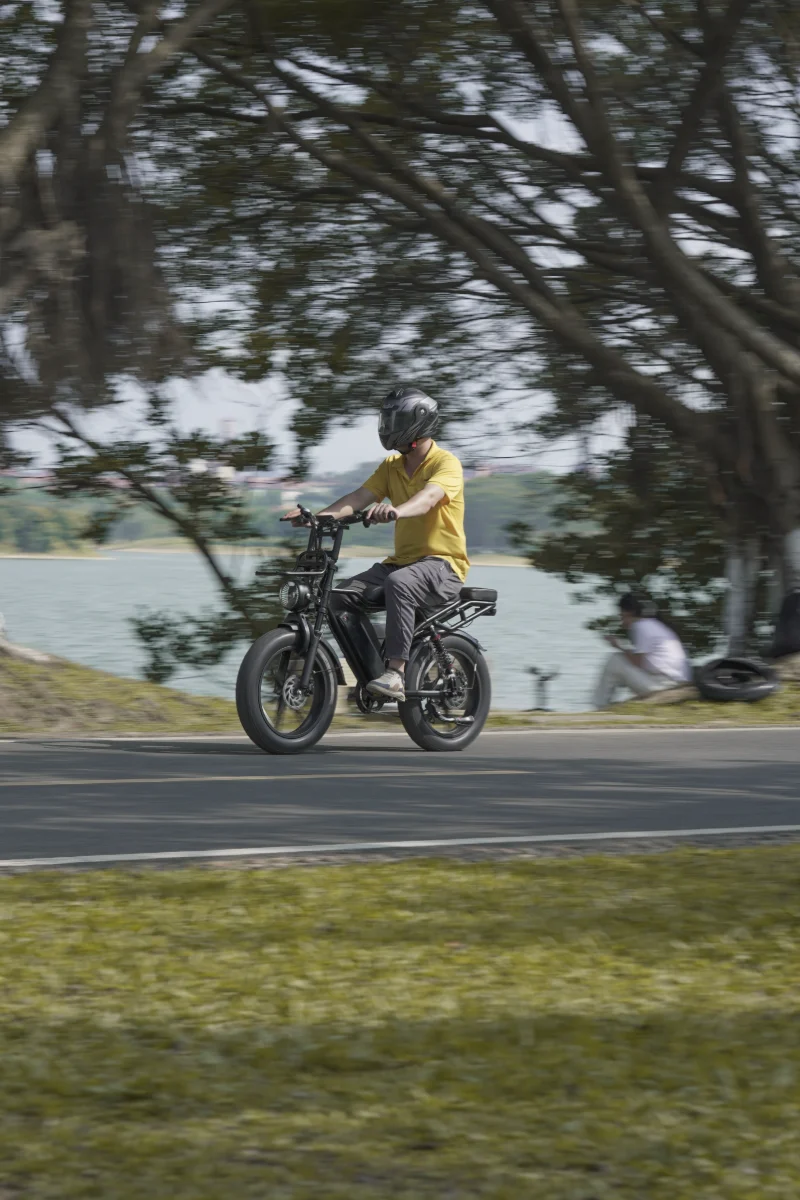
OEM Electric Motorcycle Solutions for High-Demand Urban Travel
QMWHEEL offers OEM electric motorcycle solutions with flexible customization, practical performance, and global support for brands targeting urban mobility.
Read More -
 Blogs
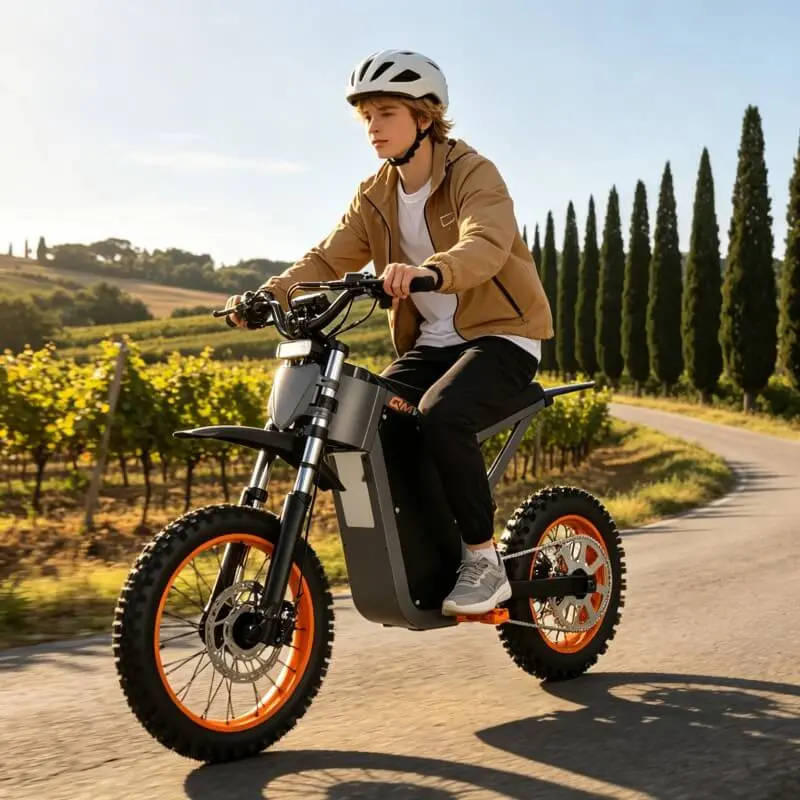
Custom Electric Motorcycle Built Around Rider Needs and Market Trends
Discover QMWHEEL custom electric motorcycle solutions with flexible designs, personalized features, and reliable manufacturing support for global mobility brands.
Read More