 The best design at the most affordable price
 info@qmwheel.com
 +86 18938656121


 English
 en
 it
 es
 tr
 sv
 pt
 cs
 nl
 ru
 fr
 de
 pl
 ar


Why a Commuter Electric Bicycle Matters for Daily Transportation
Daily commuting often involves more than simply traveling from home to work. Traffic congestion, parking difficulties, changing weather, and long travel distances can make conventional transportation less convenient. A commuter electric bicycle offers an alternative that combines pedal assistance with flexible personal mobility, helping riders manage everyday journeys with greater convenience. For urban commuters, it can reduce dependence on cars while making short and medium-distance travel easier to organize.
However, choosing the right electric bicycle requires more consideration than comparing appearance or purchase price. Riding comfort, battery capacity, braking performance, frame design, and storage convenience all influence the ownership experience. Buyers should evaluate these features according to their commuting habits rather than assuming that every electric bike is suitable for the same daily applications.
Riding Comfort and Ergonomics for Everyday Commuting
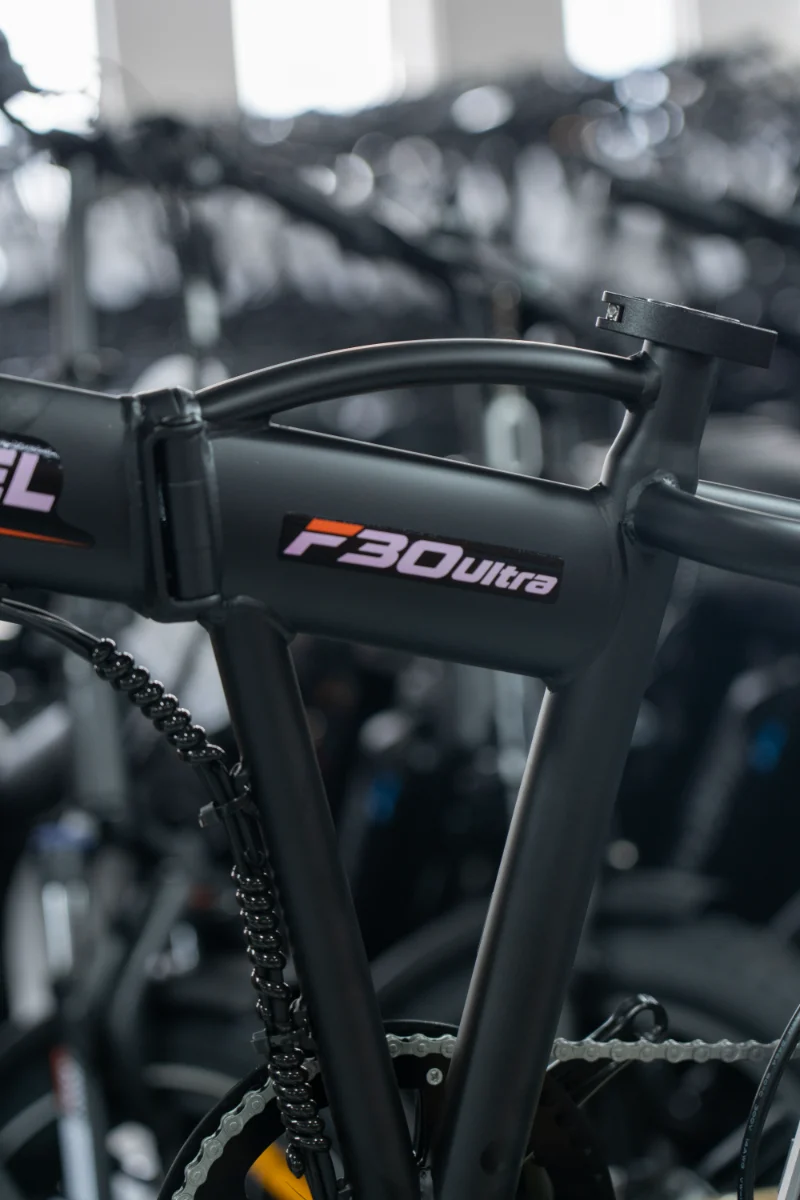
Comfort is one of the most important considerations when selecting an electric bicycle for commuting. Riders may use their bicycles several times a day, so an unsuitable riding position can gradually affect their experience. Handlebar positioning, saddle design, frame geometry, and pedal assistance should work together to create a balanced riding experience.
A practical commuter e-bike should allow riders to maintain a comfortable posture during regular journeys. An appropriately designed frame can make mounting and dismounting easier, particularly when commuting involves frequent stops. Buyers should also consider how the bicycle handles different road surfaces, including paved streets, bicycle lanes, and uneven urban roads.
For manufacturers, ergonomic design requires attention to the relationship between frame structure and component arrangement. A well-planned design can improve everyday usability without adding unnecessary complexity. This is particularly important for brands developing commuter electric bicycles for different customer groups and regional markets.
Battery Selection and Riding Range Considerations
Battery performance directly influences the practicality of a commuter electric bicycle. Daily travel distances, charging opportunities, rider habits, and terrain conditions all affect how much battery capacity is required. Buyers should therefore consider their typical commuting distance and charging routine before selecting a suitable configuration.
A larger battery may provide greater flexibility for longer journeys, but battery selection should also account for overall bicycle weight, installation position, and product cost. Removable battery designs can offer additional convenience for riders who need to charge indoors or do not have access to a dedicated charging area.
Battery Consideration | Why It Matters |
|---|---|
Capacity | Influences potential riding range |
Installation Position | Affects weight distribution and appearance |
Removability | Makes charging and replacement more convenient |
Compatibility | Supports suitable electrical component integration |
Charging Convenience | Influences everyday ownership experience |
For electric bicycle brands, battery customization is also an important part of OEM development. Working with an experienced commuter electric bicycle manufacturer allows buyers to discuss battery options according to market requirements, intended applications, and product positioning.
Safety Features for Urban Electric Bicycle Riding
Urban commuting exposes riders to different traffic conditions, including intersections, pedestrians, parked vehicles, and changing road surfaces. Reliable braking performance is therefore essential when selecting an electric commuter bike. Buyers should consider braking configuration, component quality, maintenance requirements, and compatibility with the bicycle's overall design.
Lighting is equally important for everyday transportation. Front lights help improve visibility in low-light conditions, while rear lights make bicycles easier for other road users to recognize. Additional lighting features can also contribute to product differentiation for brands targeting commuters who travel during early mornings or evenings.
Tire selection, frame stability, and electrical component protection should also receive attention during product development. These features need to be evaluated as part of the complete bicycle rather than considered independently. A balanced design helps manufacturers create products that meet practical commuting expectations while maintaining consistent quality.
Storage and Accessories That Improve Daily Convenience
A commuter electric bicycle often serves several purposes beyond traveling between home and work. Riders may need to carry backpacks, groceries, personal belongings, or other everyday items. Storage accessories can therefore make a significant difference in product usability.
Rear cargo racks provide a practical option for carrying additional belongings, while front storage accessories can support different commuting preferences. Passenger seats and footrests may also be considered for products intended to accommodate additional riding needs. However, accessory selection should reflect the bicycle's intended application and structural requirements.
Cup holders, protective accessories, and integrated lighting can further improve convenience. For electric bicycle brands, these details offer opportunities to develop differentiated product collections without changing the entire bicycle structure. The most effective customization focuses on accessories that solve genuine user problems, rather than adding features that increase cost without improving everyday value.
Customization Opportunities for Commuter E-Bike Brands
Different markets have different expectations for urban electric bicycles. Some customers prefer minimalist designs and lightweight appearances, while others prioritize carrying convenience, battery flexibility, or distinctive styling. This creates opportunities for brands to develop commuter electric bicycles that address specific customer preferences.
An experienced electric bicycle manufacturer can support these requirements through OEM and ODM cooperation. Customization may involve product colors, appearance details, battery selection, braking components, lighting, accessories, brand logos, and packaging. These options allow distributors and private label businesses to establish a more recognizable market identity.
QMWHEEL provides electric bicycle OEM/ODM services for international brands and distributors. Its customization capabilities cover both product appearance and functional components, allowing buyers to communicate their requirements during the development process. Rather than relying entirely on existing configurations, brands can coordinate product details according to their intended customer groups and commercial positioning.
Sample Development and Manufacturing Quality
Before placing a large production order, buyers should evaluate the actual product through sample development. A sample provides an opportunity to inspect appearance, component integration, assembly quality, and riding performance. It also helps identify adjustments that may be necessary before manufacturing begins.
QMWHEEL supports sample development with a stated production period of approximately 3–7 days. During this stage, buyers should review whether the bicycle meets their design expectations and whether the selected components work together appropriately. Clear feedback and confirmation procedures help reduce misunderstandings between product development and bulk manufacturing.
Manufacturing quality also depends on consistent inspection throughout production. Component checks, assembly verification, functional testing, and final inspection contribute to product reliability. For overseas buyers, these procedures are particularly important because product defects can create additional costs related to transportation, replacement parts, and customer service.
How to Select a Commuter Electric Bicycle Manufacturer
Choosing the right supplier is an important decision for businesses planning to enter or expand within the urban mobility market. A competitive price may attract initial attention, but buyers should also examine development capabilities, production resources, customization flexibility, and international service support.
When evaluating a commuter electric bicycle manufacturer, consider the following factors:
Product Development: Does the manufacturer provide design assistance and sample development?
Component Selection: Can buyers customize batteries, brakes, lighting, and accessories?
Manufacturing Capacity: Can the factory support current orders and future business expansion?
Quality Control: Are inspection procedures clearly established?
Branding Services: Can the supplier accommodate private labeling and customized packaging?
After-Sales Support: Are warranty arrangements and spare parts available for overseas markets?
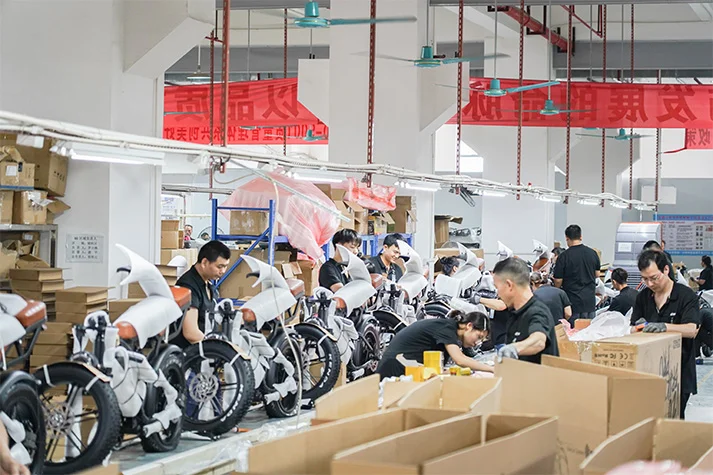
QMWHEEL combines OEM/ODM customization, manufacturing resources, and international support to serve electric bicycle brands seeking long-term production partners. Its manufacturing facility covers more than 20,000 square meters, with reported annual production capacity exceeding 300,000 units. These resources provide a foundation for supporting different purchasing requirements and customized product development projects.
Frequently Asked Questions
What Makes a Good Commuter Electric Bicycle?
A good commuter electric bicycle should offer comfortable riding ergonomics, suitable battery performance, dependable braking, practical lighting, and convenient storage options. The ideal configuration depends on commuting distance and daily usage requirements.
Is a Removable Battery Useful for Daily Commuting?
Yes. A removable battery can make charging more convenient, especially for riders who cannot charge their bicycles directly at home or in the workplace. It can also simplify battery replacement and maintenance.
Can Commuter Electric Bicycles Be Customized for Private Labels?
Yes. Manufacturers offering OEM/ODM services can support customization involving colors, components, accessories, branding, and packaging. This helps private label brands develop products that reflect their market positioning.
What Should Buyers Ask Before Ordering Commuter E-Bikes?
Buyers should clarify customization options, sample development timelines, minimum order quantities, production schedules, quality inspection procedures, warranty coverage, and spare parts availability before confirming an order.
Why Work With an Experienced Electric Bicycle Manufacturer?
An experienced manufacturer can coordinate product design, component selection, sample development, manufacturing, and quality control. This helps overseas brands manage development requirements more efficiently and build a consistent commuter electric bicycle product range.


-
 Blogs
Biweekly Tea Party with Smartride Supplies B.V.: Where Laughter Sparks Ideas and Ease Builds Rapport
Read More -
 Blogs
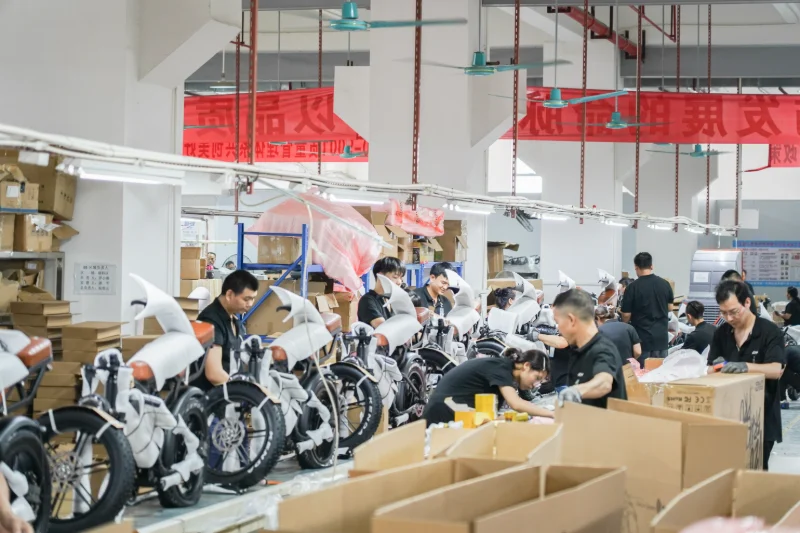
All Terrain Electric Bicycle OEM Solutions for Outdoor Travel
Build an all terrain electric bicycle for outdoor travel with OEM customization, durable design, battery options and certification support for global brands.
Read More -
 Blogs
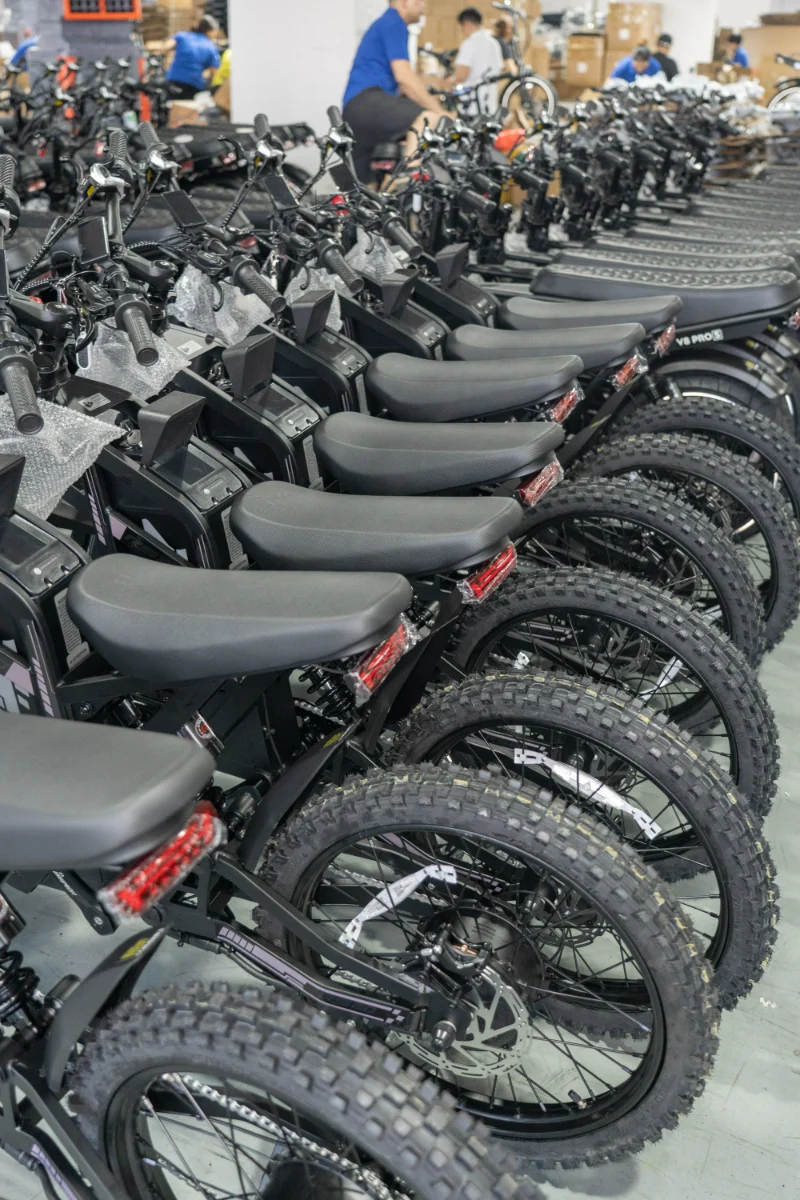
All Terrain Fat Tire Electric Bike with Long Range Dual Battery Options
Explore how an all terrain fat tire electric bike with dual battery options supports longer rides, improved traction, and comfortable travel across mixed terrain.
Read More -
 Blogs
OEM Electric Motorcycle Solutions for High-Demand Urban Travel
QMWHEEL offers OEM electric motorcycle solutions with flexible customization, practical performance, and global support for brands targeting urban mobility.
Read More -
 Blogs
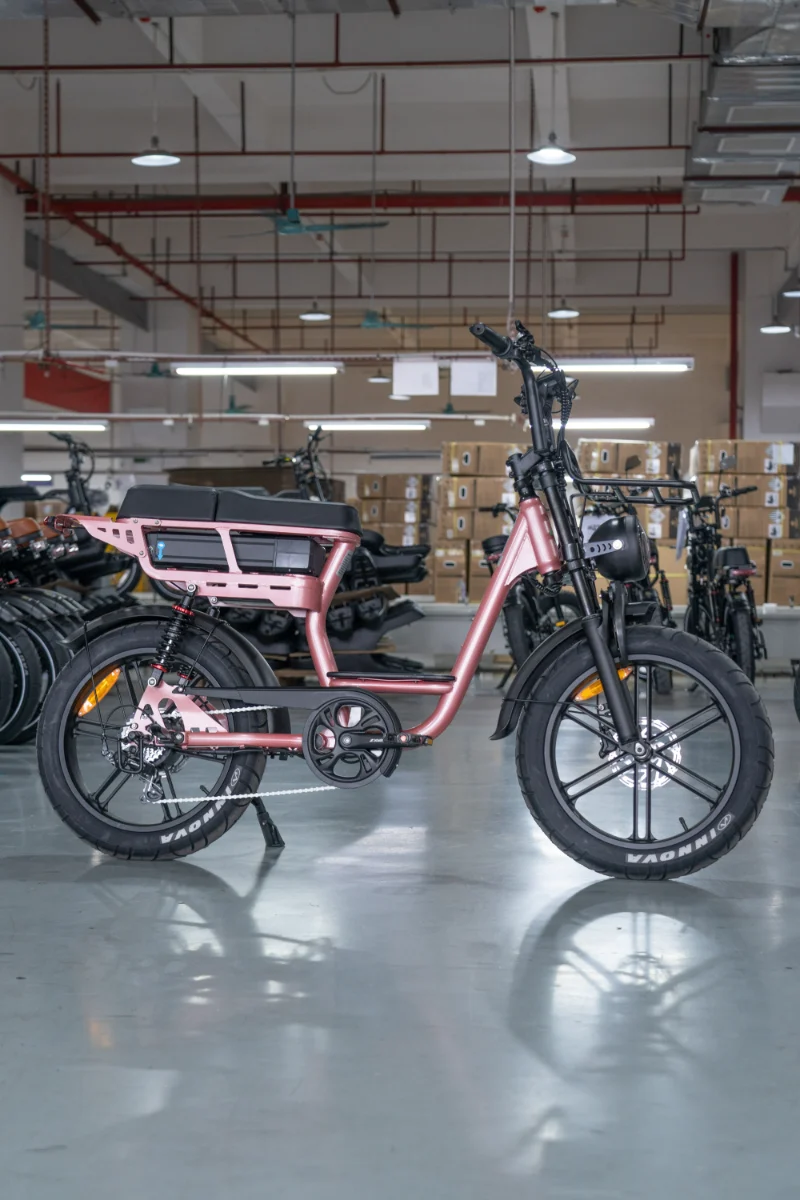
Why a Fat Tire Electric Bike for Women Handles Rough City Roads
QMWHEEL’s fat tire electric bike for women combines wide tires, rear suspension, hydraulic brakes, and flexible seating for confident urban commuting.
Read More -
 Blogs
Building Competitive Advantage in the Commuter Fat Tire Electric Bike Market: A Practical Industry Perspective from QMWHEEL Vehicle
The global demand for electric mobility is no longer defined by experimentation—it is defined by operational efficiency, regulatory compliance, and total cost of ownership.
Read More