 The best design at the most affordable price
 info@qmwheel.com
 +86 18938656121


 English
 en
 it
 es
 tr
 sv
 pt
 cs
 nl
 ru
 fr
 de
 pl
 ar


Why Passenger Capacity Is Becoming Important for Urban Commuting
An electric bike for city commute is increasingly valued for more than individual transportation. Many urban riders want a bicycle that can handle daily trips to work while also providing enough space for a partner, family member, or passenger during shorter journeys. Instead of relying on a car for every local trip, a passenger-friendly electric bicycle offers a more flexible way to travel through residential streets, commercial areas, and busy urban neighborhoods.
However, choosing an electric bicycle for two-person transportation requires a different approach from selecting a conventional commuter model. A standard saddle designed for one rider may not provide sufficient room, while an unsuitable rear seating arrangement can affect balance and riding comfort. Buyers should consider how the bicycle accommodates an additional passenger without compromising the rider's control. Passenger seating, frame construction, weight distribution, and braking performance should all be evaluated together rather than treated as separate features.
For international buyers, this demand also creates opportunities in the electric bicycle market. Retailers and distributors are increasingly interested in versatile models that appeal to commuters who value both individual mobility and shared transportation. A well-designed passenger-friendly electric bicycle can serve multiple everyday purposes, making it an attractive option for customers who want greater functionality from a single purchase.
What Makes a Comfortable Electric Bike for Two Riders
The first consideration is the seating arrangement. A longer rear seat can provide more room for a passenger and help create a more natural sitting position. Unlike a narrow standard saddle, an extended seat is designed to accommodate two people more comfortably when the bicycle is specifically approved for passenger use. Its length, cushioning, surface material, and position relative to the rider all influence the overall experience.
Foot placement is another detail that should not be overlooked. Passengers need a stable position that does not interfere with the rider's pedaling movement. Rear footrests or suitable passenger pedals can make shared journeys more comfortable, particularly when the bicycle is used regularly rather than occasionally. Buyers should also examine the distance between the seat and handlebars to ensure that the main rider can maintain a natural posture while controlling the bicycle.
The rear frame structure must support the intended seating arrangement. Additional passenger weight creates greater stress on the frame and rear wheel, especially when traveling over uneven surfaces or starting from a stationary position. Therefore, a two-person electric commuter bike should have a clearly specified maximum load capacity that covers the combined weight of the rider, passenger, and carried belongings. A larger seat alone does not make a bicycle suitable for two-person transportation.
Why Fat Tires Are Worth Considering for City Roads
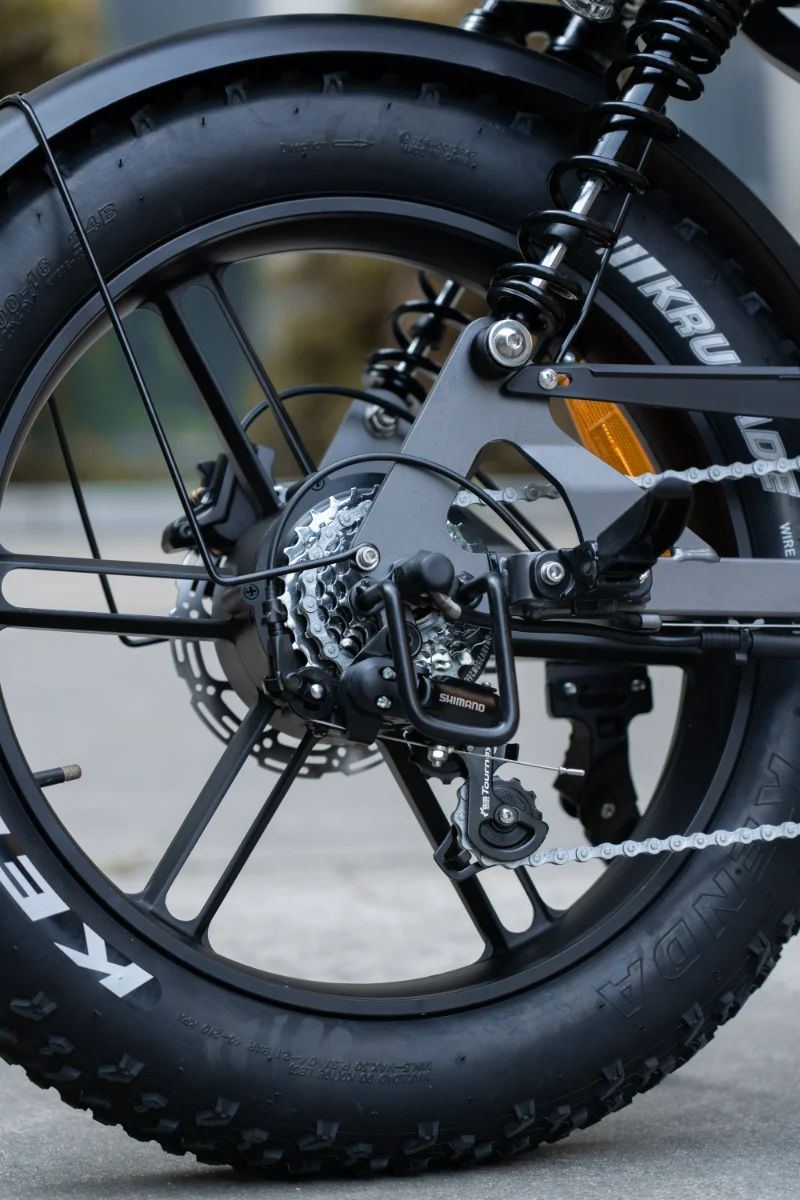
Urban commuting involves more than smooth paved roads. Riders regularly encounter uneven pavement, road joints, potholes, drainage covers, and changes in surface conditions. These obstacles can make a journey less comfortable, especially when another person is sitting on the rear seat. This is one reason fat tire electric bikes for city commuting have become an interesting option for buyers who prioritize a stable riding experience.
Wide tires provide a larger contact area with the road compared with many conventional bicycle tires. When properly inflated and matched to the rider's weight and road conditions, they can contribute to predictable handling and help absorb some minor surface irregularities. Tire pressure is particularly important because an excessively high pressure may reduce cushioning, while insufficient pressure can negatively affect handling and increase the risk of tire damage.
Fat tires also give electric bicycles a distinctive appearance that appeals to customers looking for something different from traditional commuter designs. For retailers, this visual distinction can help position a product toward lifestyle-oriented riders as well as practical daily commuters. Nevertheless, tire width should not be considered a substitute for appropriate suspension, frame strength, or safe riding practices.
Frame Strength and Weight Distribution Affect Riding Stability
Carrying an additional passenger changes how an electric bicycle responds to steering, acceleration, and braking. The increased load is often concentrated around the rear section, which makes frame geometry and weight distribution particularly important. If the bicycle is not designed for this purpose, excessive rear loading can affect cornering behavior and make the bicycle more difficult to control.
A suitable frame should maintain structural stability under its approved load conditions. Buyers should examine the construction of the rear seat support, frame connections, wheel assembly, and other load-bearing areas. These details are especially relevant for people who plan to use their bicycles every day, as repeated loading and unloading can place additional demands on the structure.
Weight distribution also influences the riding experience when moving through traffic. A balanced configuration helps the rider maintain control when making turns, slowing down, or navigating narrow streets. For this reason, selecting a passenger-friendly electric bicycle should involve more than comparing motor power or exterior styling. The relationship between frame design, passenger position, and total carrying capacity is a more meaningful basis for evaluating practical usability.
Suspension and Braking for More Controlled Shared Rides
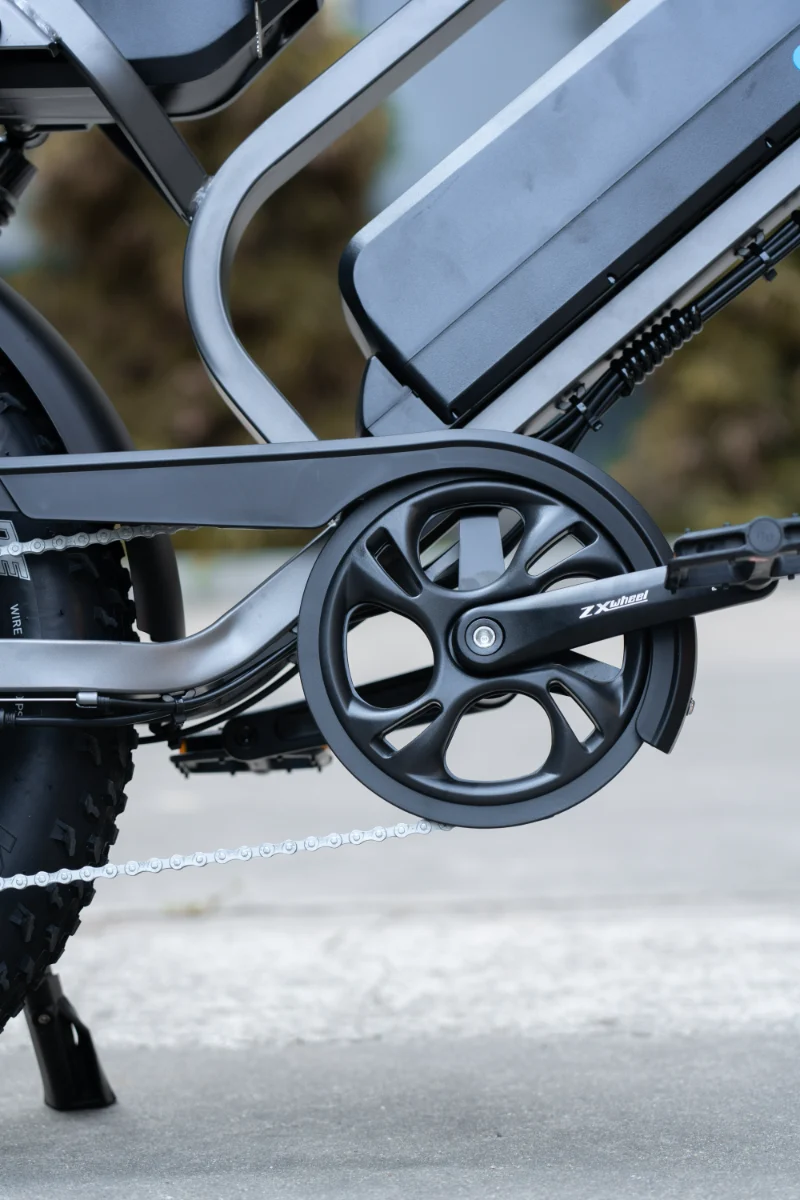
Road vibration can become more noticeable when an electric bicycle carries two people. Rear suspension helps reduce the impact transmitted from the rear wheel to the seat, particularly when passing over small bumps and uneven pavement. This can make everyday journeys more comfortable for the passenger without requiring the rider to avoid every minor road imperfection.
The suspension setup should also be considered in relation to the bicycle's intended load. A component designed for light individual riding may not deliver the same performance when carrying additional weight. Buyers should therefore check whether the suspension configuration is suitable for the manufacturer's stated load capacity and intended riding conditions.
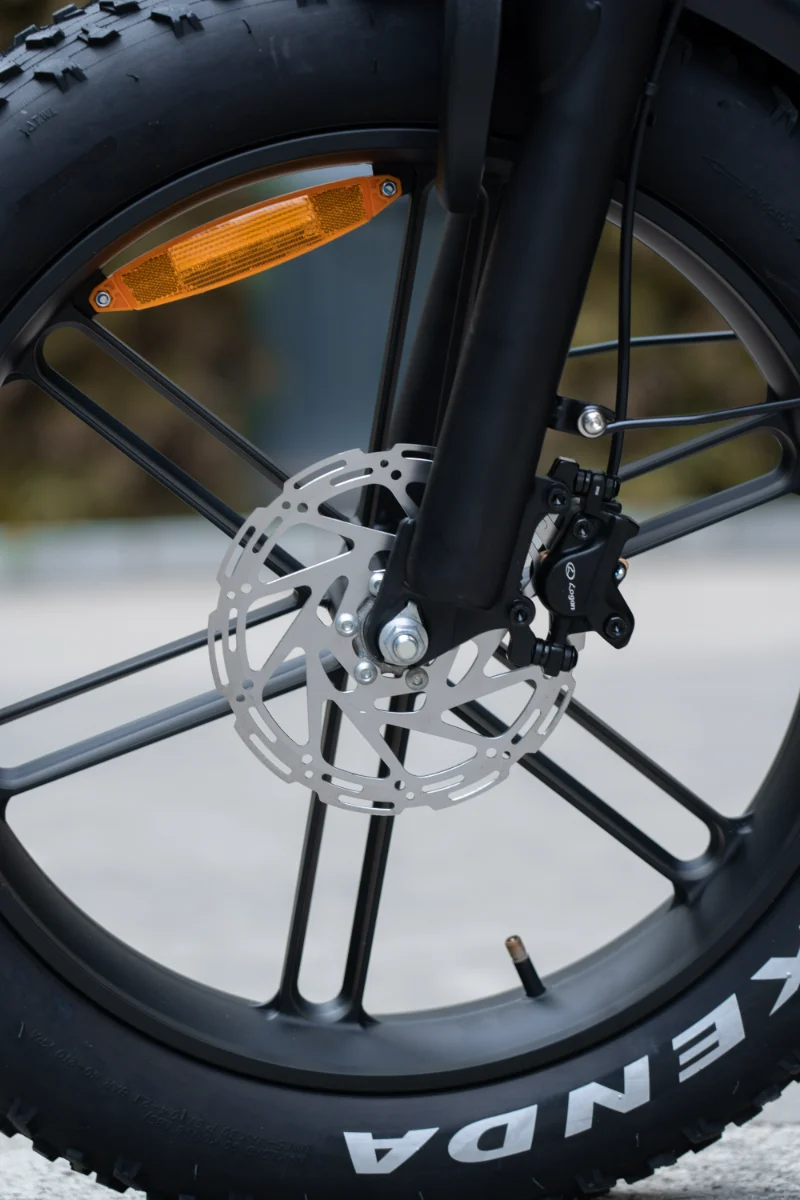
Braking performance is equally important. A heavier bicycle requires careful speed management, particularly when approaching intersections, descending slopes, or traveling in wet conditions. Hydraulic disc brakes offer responsive braking control and can be a valuable feature for passenger-oriented electric bicycles. However, safe stopping also depends on brake maintenance, tire condition, road surface, and riding speed. Riders should maintain a suitable following distance and avoid sudden maneuvers when carrying a passenger.
Battery Range and Motor Assistance for Daily Travel
A shared commute places different demands on the battery compared with a journey involving only one rider. The combined weight of two people increases the energy required for acceleration and climbing, while frequent stops in congested areas can further affect consumption. Buyers interested in a long-range electric bike for daily commuting should therefore evaluate battery capacity according to their actual travel requirements.
Motor assistance can make urban journeys more manageable by reducing the physical effort required when starting, climbing moderate inclines, or traveling longer distances. Different motor configurations may suit different commuting patterns, but the appropriate choice depends on local regulations, expected riding conditions, and the bicycle's approved use. Higher motor output alone does not necessarily mean a better commuting experience.
Battery selection should also take charging convenience into account. A removable battery can be particularly useful for riders who live in apartments or work in buildings where bringing the entire bicycle indoors is inconvenient. Before purchasing, customers should consider their average daily distance, charging frequency, battery replacement options, and access to local service support. These factors are often more useful than relying on a single advertised range figure.
Everyday Practicality Beyond the Passenger Seat
A passenger-friendly electric bicycle should also remain practical when used by one rider. Storage, parking, handling, and routine maintenance can all influence whether the bicycle becomes a convenient part of everyday transportation. For example, a rear seating area may provide additional flexibility, but buyers should also consider whether it affects access to storage accessories or the ability to park the bicycle in limited spaces.
Lighting and visibility are important for people who commute during early mornings or evenings. Front and rear lights help make the bicycle more noticeable to other road users, while reflectors and suitable riding equipment provide additional visibility. A comfortable handlebar position, accessible controls, and a well-arranged display can also make frequent urban trips easier to manage.
Maintenance requirements deserve attention as well. Electric bicycles combine conventional bicycle components with electrical equipment, including batteries, motors, controllers, and wiring connections. Buyers should understand the availability of replacement parts and the maintenance support provided by the seller. For distributors, access to compatible accessories and after-sales components can make a significant difference when serving customers over the long term.
Key Factors to Compare Before Buying a Passenger-Friendly E-Bike
Choosing the right model requires evaluating how different components work together. Instead of focusing on a single specification, buyers should compare the bicycle according to its intended riding conditions and the needs of both occupants.
| Evaluation Factor | What Buyers Should Check |
|---|---|
| Rear seat design | Available seating length, cushioning, and passenger position |
| Frame construction | Structural strength and suitability for additional weight |
| Maximum load | Approved combined weight of riders and belongings |
| Tire configuration | Width, tread pattern, and recommended pressure |
| Suspension | Ability to manage road vibration under the intended load |
| Braking components | Brake type, stopping control, and maintenance requirements |
| Battery capacity | Compatibility with daily distance and charging habits |
| Motor assistance | Appropriate output for local roads and regulations |
| Safety equipment | Lighting, reflectors, and rider control |
| After-sales support | Replacement parts and technical assistance |
This comparison helps buyers distinguish between an electric bicycle that simply has a longer seat and one that is genuinely designed for shared transportation. It also provides a more practical framework for evaluating different products across the international market.
How QMWHEEL Meets Different Urban Riding Requirements
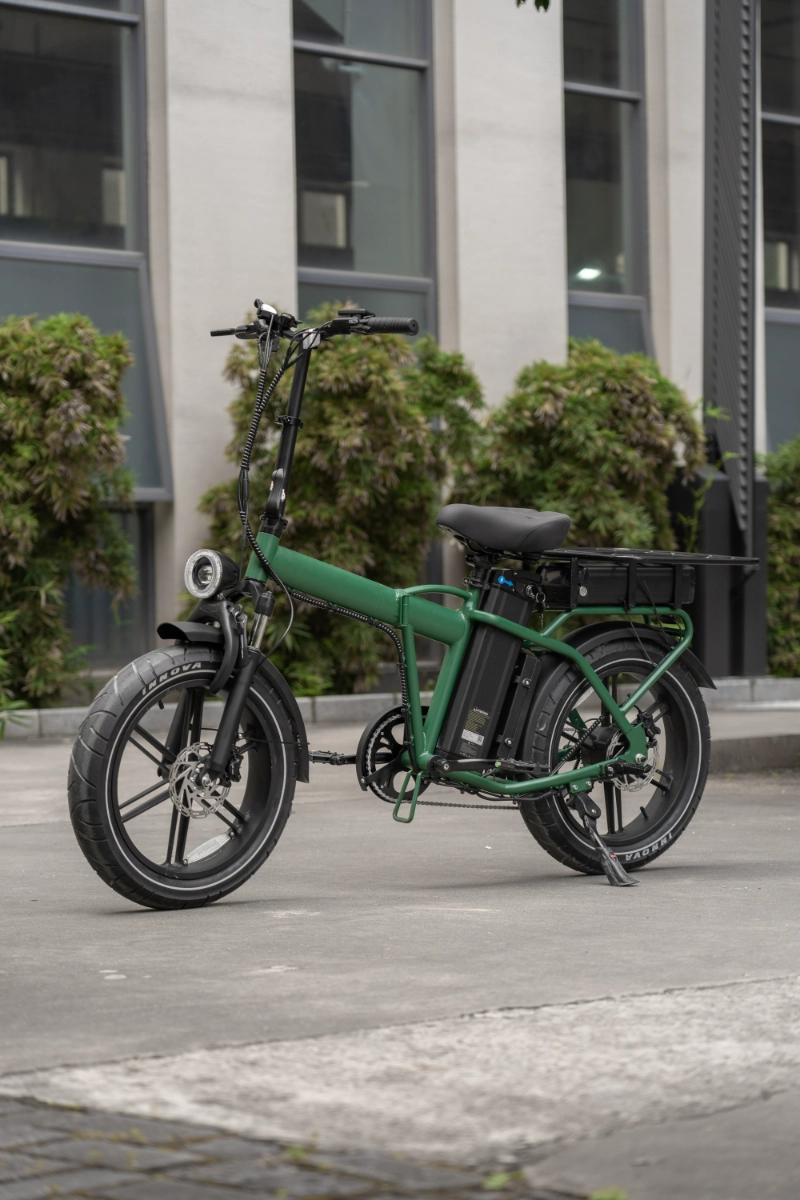
At QMWHEEL, fat tire electric bicycles are developed around a combination of everyday usability, distinctive styling, and practical riding features. Selected configurations offer extended seating for two riders, wide tires, rear suspension, and hydraulic disc brakes. These features address several common considerations among customers looking for an electric bike for city commute that can also support occasional shared journeys.
The extended rear seat provides additional passenger space, while the wide-tire design contributes to a stable riding feel across different urban surfaces. Rear suspension helps manage road vibration, and hydraulic braking components provide responsive control when properly maintained. Different motor and battery configurations also allow buyers to consider options according to their intended use and local market requirements.
Beyond finished bicycles, QMWHEEL supports OEM and ODM customization for international business partners. Customization discussions can cover product appearance, branding, packaging, battery configurations, and selected component options. This flexibility is useful for distributors and retailers who need products aligned with their market positioning rather than relying exclusively on standard configurations.
For overseas buyers, product selection should also involve reviewing technical documentation, approved load capacity, local road regulations, warranty terms, and spare parts availability. QMWHEEL works with international customers to explore suitable product configurations and cooperation requirements, helping businesses evaluate electric bicycles for different commuting and lifestyle applications.
FAQ About Electric Bikes for City Commuting with Passenger Space
Can an electric bike for city commute carry two adults?
Some electric bicycles are specifically designed and approved for two-person use. Buyers should confirm that the rear seat, frame, footrests, and maximum load capacity are suitable for carrying an additional adult. Local regulations must also permit passenger transportation.
Are fat tire electric bikes better for carrying passengers?
Fat tires can provide a larger contact area with the road and contribute to a stable riding experience. However, passenger suitability also depends on frame construction, weight distribution, suspension, brakes, and the manufacturer's approved load capacity. Tire width alone does not determine whether a bicycle is suitable for two riders.
How much passenger weight can an electric bicycle support?
The permitted load varies by product design and manufacturer specifications. Buyers should check the stated maximum load and calculate the combined weight of both riders and any luggage. Exceeding the approved limit may affect handling, component durability, and riding safety.
Does carrying a passenger reduce electric bike battery range?
Yes. An additional passenger increases the total weight, which generally requires more energy from the motor and battery. Actual range also depends on riding speed, terrain, temperature, tire pressure, and assistance settings. A suitable battery should be selected according to realistic daily travel requirements.
What features should a two-person commuter electric bike have?
Important features include an appropriately extended rear seat, suitable passenger footrests, a strong frame, adequate load capacity, effective brakes, and suspension designed for the intended weight. Lighting, removable battery options, and accessible replacement parts are also worth considering.
What should overseas distributors consider when sourcing passenger-friendly electric bikes?
Distributors should evaluate product specifications, seating configurations, safety documentation, customization options, warranty arrangements, and spare parts availability. They should also confirm whether the product configuration complies with the regulations of their target market before placing an order.
Conclusion
A passenger-friendly electric bicycle needs to deliver more than additional seating space. Its overall design must account for frame strength, weight distribution, road comfort, braking performance, and battery requirements. For urban riders who regularly travel with another person, these factors determine whether a bicycle can provide practical transportation rather than simply offering an attractive appearance.
By combining fat tire designs, extended seating options, practical riding components, and customization services, QMWHEEL provides electric bicycle solutions for international buyers exploring versatile urban transportation products. Choosing the right configuration according to actual commuting needs can help retailers and distributors offer products that balance everyday convenience, passenger comfort, and long-term usability.


-
 Blogs
Why Fat Tires Matter in a Custom Electric Mountain Bike Design
Fat tire performance gives a custom electric mountain bike stronger traction, stability, and comfort for mixed terrain while supporting flexible OEM and ODM development.
Read More -
 Blogs
Biweekly Tea Party with Smartride Supplies B.V.: Where Laughter Sparks Ideas and Ease Builds Rapport
Read More -
 Blogs
Electric Motorcycle with Removable Battery for Convenient Everyday Riding
Choose an electric motorcycle with removable battery for flexible charging, dependable daily performance, and convenient maintenance tailored to diverse urban riding needs.
Read More -
 Blogs
All Terrain Electric Bicycle OEM Solutions for Outdoor Travel
Build an all terrain electric bicycle for outdoor travel with OEM customization, durable design, battery options and certification support for global brands.
Read More -
 Blogs
Urban Electric Bicycle Supplier for Custom Fat Tire Commuter E-Bikes
QMWHEEL provides custom urban electric bicycle solutions with fat tire designs, OEM and ODM support, and flexible configurations for global e-bike brands and distributors.
Read More -
 Blogs
Europe Is More Than a Market, It's Our Second Home Ground
Read More