 The best design at the most affordable price
 info@qmwheel.com
 +86 18938656121


 English
 en
 it
 es
 tr
 sv
 pt
 cs
 nl
 ru
 fr
 de
 pl
 ar


How Fat Tire Design Improves Off Road Riding
Off-road riding often involves changing ground conditions, including loose gravel, sand, wet soil, uneven trails, and rocky surfaces. These environments demand more than motor output alone. Tire contact, weight distribution, frame geometry, and rider control all influence how an electric bicycle responds when the terrain becomes unpredictable. An electric mountain fat bike combines electric assistance with wide tires to help riders navigate a broader range of outdoor conditions.
Fat tires provide a larger contact area and allow riders to adjust tire pressure according to terrain and riding requirements. This can help improve traction on loose surfaces while supporting a more comfortable riding experience over irregular ground. The combination of electric assistance and wide tire design makes this category appealing to outdoor riders who want to explore trails beyond paved roads, although actual performance depends on tire construction, pressure, terrain, and bicycle configuration.
For riders looking for an off road electric fat bike, the key advantage is not simply tire width. It is how the tire, motor, frame, and other components work together to support stability, traction, and manageable riding behavior across different surfaces.
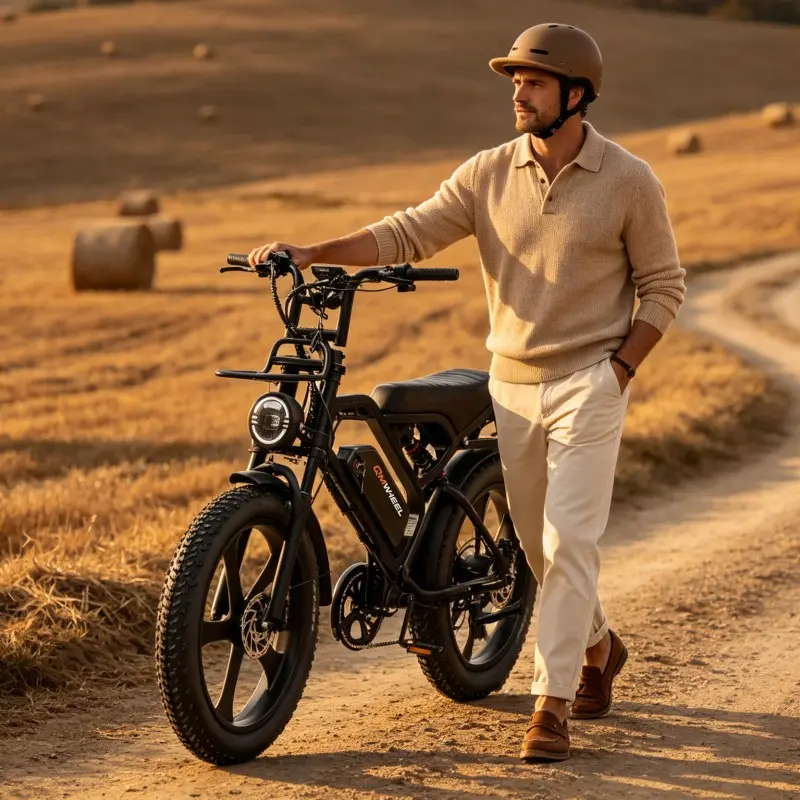
Motor Assistance and Power Delivery on Challenging Trails
Electric assistance can make off-road riding more accessible by helping riders manage inclines, longer routes, and demanding terrain. On an electric mountain fat bike, motor performance should be evaluated in relation to torque delivery, controller response, battery output, and the rider's ability to maintain control. Power that is delivered smoothly and predictably can be more useful on uneven ground than abrupt acceleration that disrupts traction.
When climbing loose trails, riders need to coordinate pedal input, speed, and power assistance. Excessive acceleration may cause wheel spin on gravel, sand, or damp soil, while insufficient assistance can make steep climbs more physically demanding. The appropriate motor configuration depends on the terrain, bicycle design, rider weight, and local regulations governing electric bicycles.
Battery performance also affects riding consistency. Battery capacity, discharge characteristics, charging conditions, and temperature can influence how assistance is maintained throughout a ride. Buyers should evaluate battery configuration according to expected riding distances and terrain rather than relying exclusively on advertised range figures. A balanced electric mountain bike power configuration should support the intended riding experience without compromising handling or practical usability.
Fat Tire Traction Across Different Terrain
Wide tires are a defining feature of fat tire electric mountain bikes, but their performance depends on more than width. Tread pattern, rubber compound, tire pressure, wheel construction, and terrain conditions collectively determine grip and rolling behavior. Choosing an appropriate tire configuration helps riders manage different surfaces while maintaining predictable handling.
Riding Terrain | Tire Performance Considerations | Riding Priorities |
|---|---|---|
Loose gravel | Tread engagement and pressure | Stability and steering control |
Sand | Contact area and flotation | Maintaining momentum |
Mud | Tread clearance and grip | Traction and avoiding buildup |
Rocky trails | Tire protection and pressure | Comfort and impact management |
Grass and dirt | Grip and rolling resistance | Balanced control |
Uneven forest trails | Tread design and tire compliance | Stability and ride comfort |
Tire pressure is an important adjustment when riding off road. Higher pressure may improve rolling efficiency on firmer surfaces, while lower pressure can increase tire compliance and help the tire conform to loose or uneven terrain. However, pressure that is too low may increase the risk of rim damage, tire instability, or punctures. Riders should follow tire and wheel manufacturer recommendations and adjust within suitable limits for their riding conditions.
Frame Geometry and Handling Stability
The frame provides the structural foundation for an electric mountain fat bike and influences how the rider interacts with the terrain. Geometry, wheelbase, frame proportions, riding position, and component placement affect steering response, stability, and maneuverability. These characteristics become especially important when riding across uneven surfaces or negotiating changes in elevation.
A balanced frame design should accommodate the bicycle's electrical components, provide appropriate rider positioning, and maintain structural integrity under expected loads. Battery placement and motor integration can also influence weight distribution, which may affect how the bicycle responds during acceleration, cornering, and climbing.
For off-road applications, buyers should evaluate frame design alongside tire clearance, suspension compatibility, braking configuration, and riding ergonomics. Electric mountain fat bike stability is influenced by the complete bicycle configuration rather than one isolated design feature. Coordinated engineering helps ensure that the frame and supporting components work together for practical trail riding.
Suspension and Comfort on Uneven Trails
Off-road riding exposes bicycles to repeated impacts from rocks, roots, potholes, and irregular ground. Suspension components can help absorb some of these impacts, reducing the amount of vibration transferred to the rider and improving comfort over challenging terrain. The suspension configuration should correspond to the intended riding conditions, bicycle structure, and expected usage.
Front suspension can help manage impact loads through the front wheel and improve handling over uneven ground. Fat tires also provide some cushioning through tire deformation, although they do not replace suspension when riding across demanding trails. The combined effect of tire pressure, fork performance, frame geometry, and rider positioning influences overall comfort.
Buyers evaluating a full suspension electric fat bike or a front-suspension configuration should consider adjustability, maintenance requirements, compatibility, and the type of terrain the bicycle is intended to handle. A suitable suspension setup can support more controlled riding without adding unnecessary complexity to the product.
Braking Performance and Off Road Riding Safety
Braking performance is particularly important when an electric bicycle is used on steep descents, loose gravel, wet trails, or uneven ground. Riders need predictable braking response and sufficient stopping capability while maintaining control over the bicycle. Brake selection should consider the bicycle's weight, assisted speed, tire characteristics, riding environment, and applicable safety requirements.
Disc brakes are commonly used on electric bicycles because they provide braking capability suited to a range of riding conditions. The appropriate brake configuration, rotor size, component compatibility, and maintenance requirements should be reviewed during product selection. Buyers should also examine how braking components are integrated with the frame, fork, wheels, and electrical configuration.
Safe off-road riding depends on more than braking components. Riders should maintain appropriate speed, inspect the bicycle before riding, check tire condition, and use protective equipment. A well-configured electric mountain fat bike can support outdoor riding, but its capabilities should not be interpreted as eliminating terrain-related risks.
Choosing an Electric Mountain Fat Bike for Trail Riding
Selecting the right bicycle requires a practical assessment of riding conditions, performance expectations, component compatibility, and maintenance considerations. Buyers should avoid evaluating a product based on a single feature, such as motor power or tire width. Instead, they should consider how the complete bicycle is designed to perform in their intended environment.
Selection Factor | What Buyers Should Evaluate |
|---|---|
Tire configuration | Width, tread, grip, pressure range |
Motor performance | Assistance characteristics and compatibility |
Battery | Capacity, charging, installation, availability |
Frame | Geometry, materials, structural design |
Suspension | Terrain suitability and maintenance |
Brakes | Performance, compatibility, inspection |
Riding ergonomics | Position, comfort, control |
After-sales support | Warranty, maintenance, replacement components |
For international buyers, additional considerations include local electric bicycle regulations, transportation requirements, spare parts availability, warranty policies, and product documentation. These factors can influence ownership experience and commercial suitability, particularly for distributors and retailers sourcing products for different markets.
QMWHEEL offers electric bicycle product options for different riding preferences and applications. Buyers interested in an electric mountain fat bike should review the available configurations, component options, product specifications, and relevant market requirements before making a purchasing decision.
Frequently Asked Questions
What makes an electric mountain fat bike suitable for off road trails?
Wide tires, electric assistance, suitable frame geometry, and compatible braking and suspension components can help support riding across loose gravel, sand, dirt, and uneven trails. Actual performance depends on the complete bicycle configuration and terrain conditions.
Do fat tires improve traction on loose terrain?
Fat tires can provide a larger contact area and greater tire compliance when appropriately configured. Tire pressure, tread pattern, surface conditions, and rider technique also influence traction.
Is motor power the most important factor for off road riding?
Motor power is only one consideration. Torque delivery, controller response, battery performance, tire grip, frame geometry, braking, and rider control all contribute to the riding experience.
How should tire pressure be adjusted for off road riding?
Tire pressure should be adjusted according to terrain, tire and wheel specifications, rider weight, and riding conditions. Lower pressure may improve compliance on loose terrain, but excessively low pressure can increase the risk of damage or instability.
What should buyers check before purchasing an electric mountain fat bike?
Buyers should review tire configuration, motor and battery compatibility, frame design, suspension, braking performance, warranty coverage, spare parts availability, and local regulations. Evaluating the complete bicycle helps ensure that the selected configuration matches the intended riding conditions.


-
 Blogs
QMWHEEL Team Building | Gather Strength, Move Fast, Reach New Peaks
QMWHEEL’s beach team building activity strengthens teamwork, trust and team cohesion, inspiring employees to work together, move forward and achieve new goals.
Read More -
 Blogs
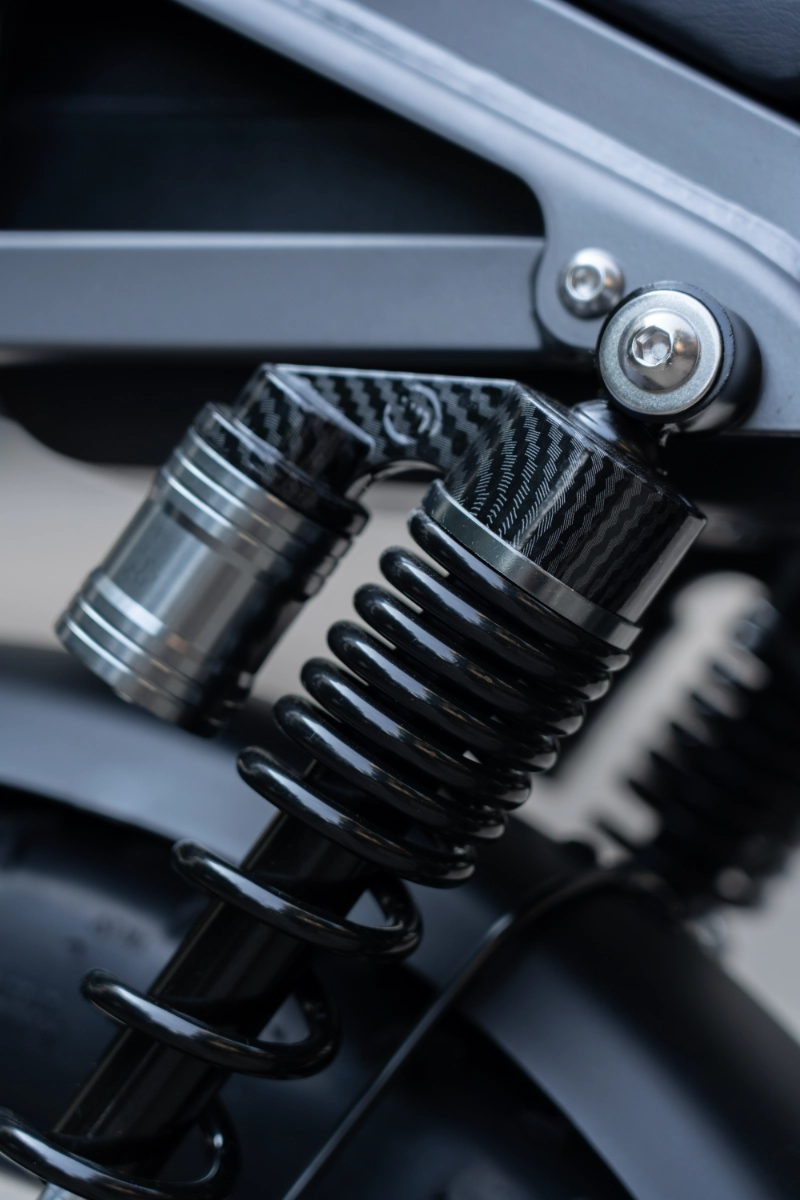
Fat Tire Electric Bicycles With Retro Styling for Lifestyle Brands
Fat tire electric bicycles combine retro styling with everyday comfort, helping lifestyle brands differentiate their product ranges and reach niche markets through OEM options.
Read More -
 Blogs
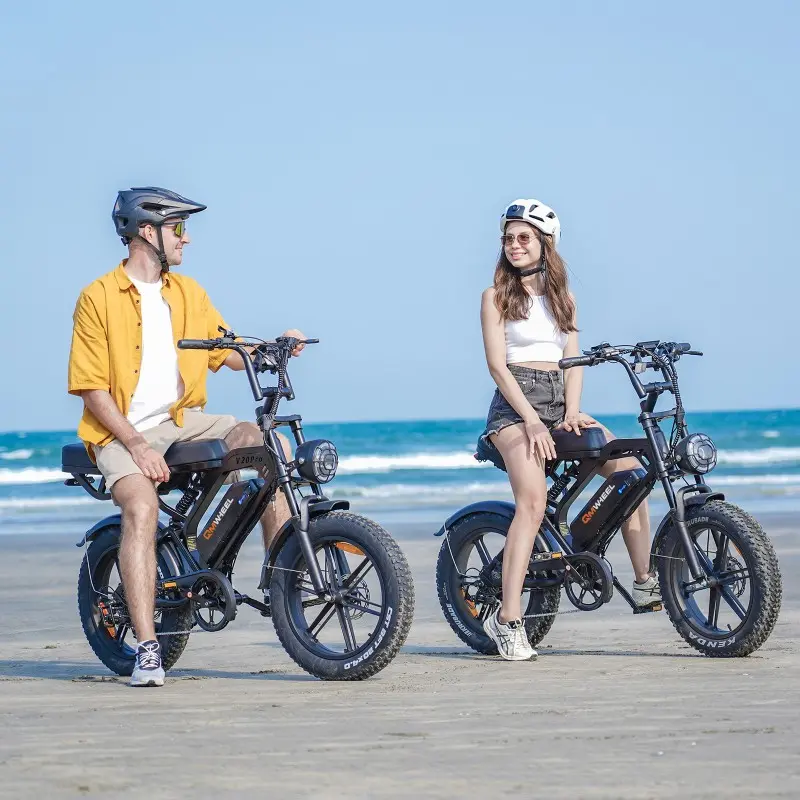
Long Range Fat Tire Electric Bike for Extended Outdoor Adventures
Discover QMWHEEL long range fat tire electric bike solutions with durable design, and extended riding capability for outdoor adventures and daily mobility.
Read More -
 Blogs
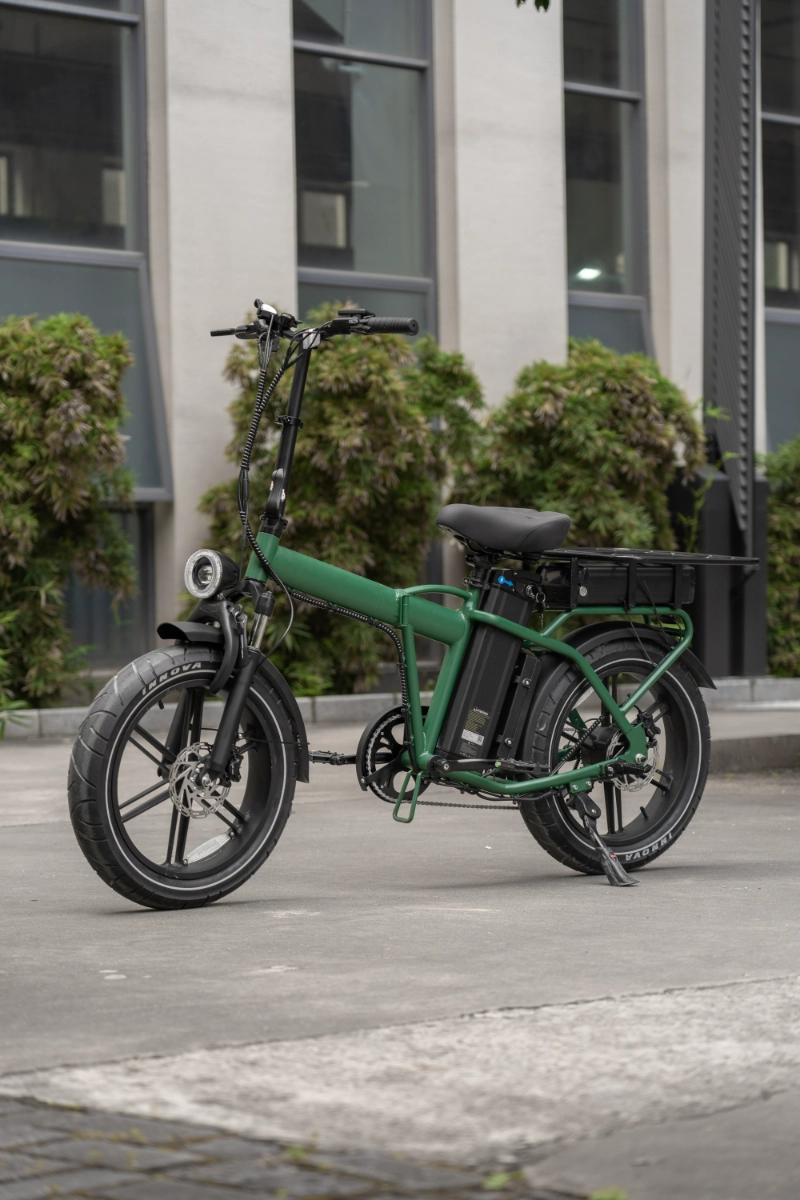
Urban Electric Bicycle Supplier for Custom Fat Tire Commuter E-Bikes
QMWHEEL provides custom urban electric bicycle solutions with fat tire designs, OEM and ODM support, and flexible configurations for global e-bike brands and distributors.
Read More -
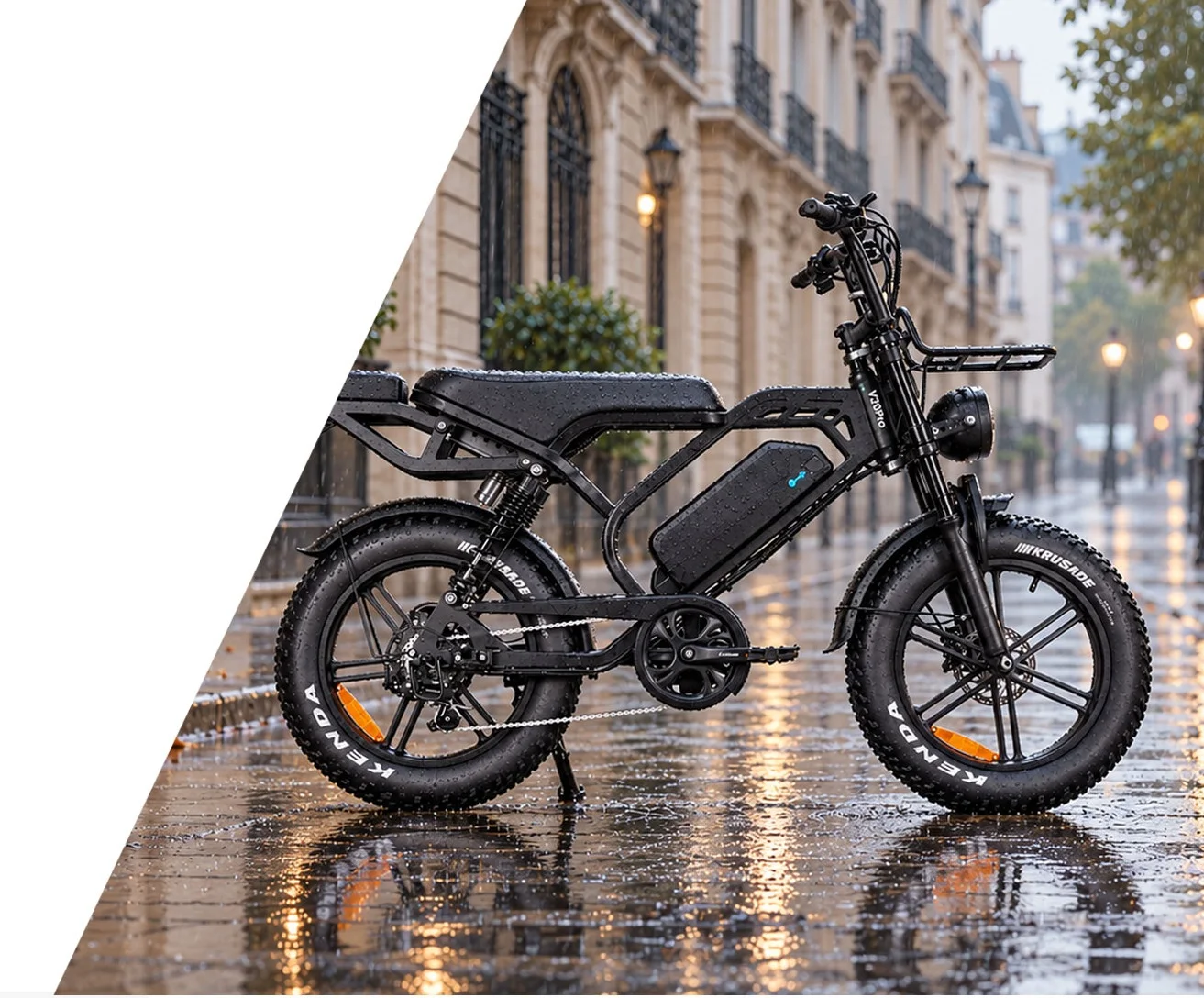 Blogs
Urban Riding Ebike Design for Comfortable and Efficient City Travel
Choose an urban riding ebike with comfortable handling, practical battery options, reliable braking and versatile features designed for commuting and everyday city travel.
Read More -
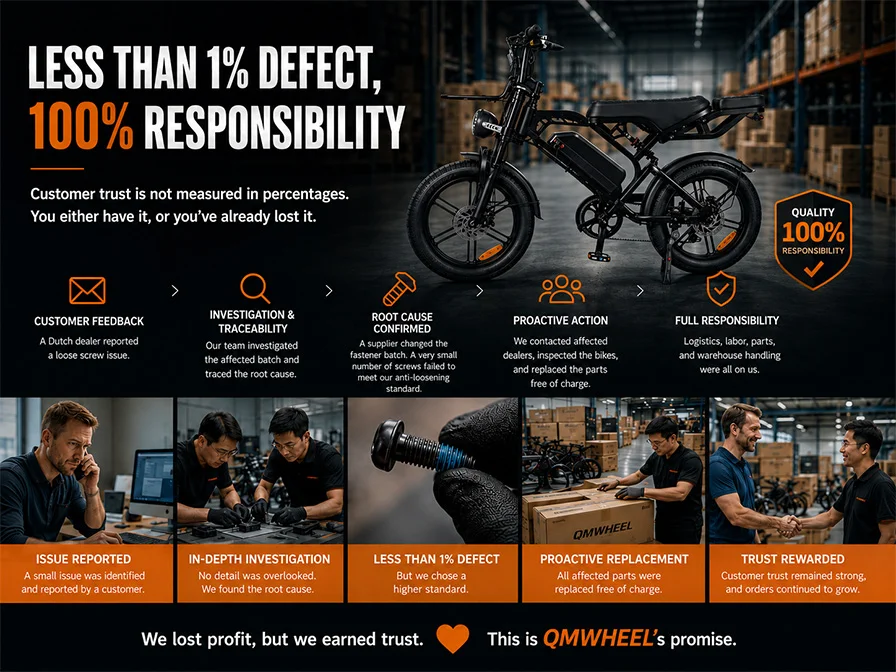 Blogs
Less Than 1% Defect, 100% Responsibility
Read More