 The best design at the most affordable price
 info@qmwheel.com
 +86 18938656121


 English
 en
 it
 es
 tr
 sv
 pt
 cs
 nl
 ru
 fr
 de
 pl
 ar


Retro Design and Market Appeal of Fat Tire Electric Bicycles
Why Vintage Styling Matters to Lifestyle Brands
Fat tire electric bicycles offer lifestyle brands an opportunity to combine distinctive visual design with practical everyday mobility. Their wide tires, recognizable frame shapes, and retro-inspired appearance appeal to consumers who want more than basic transportation. For retailers and distributors, this combination creates a product identity that can stand apart from conventional electric bicycles while serving customers interested in commuting, leisure riding, and personal style.
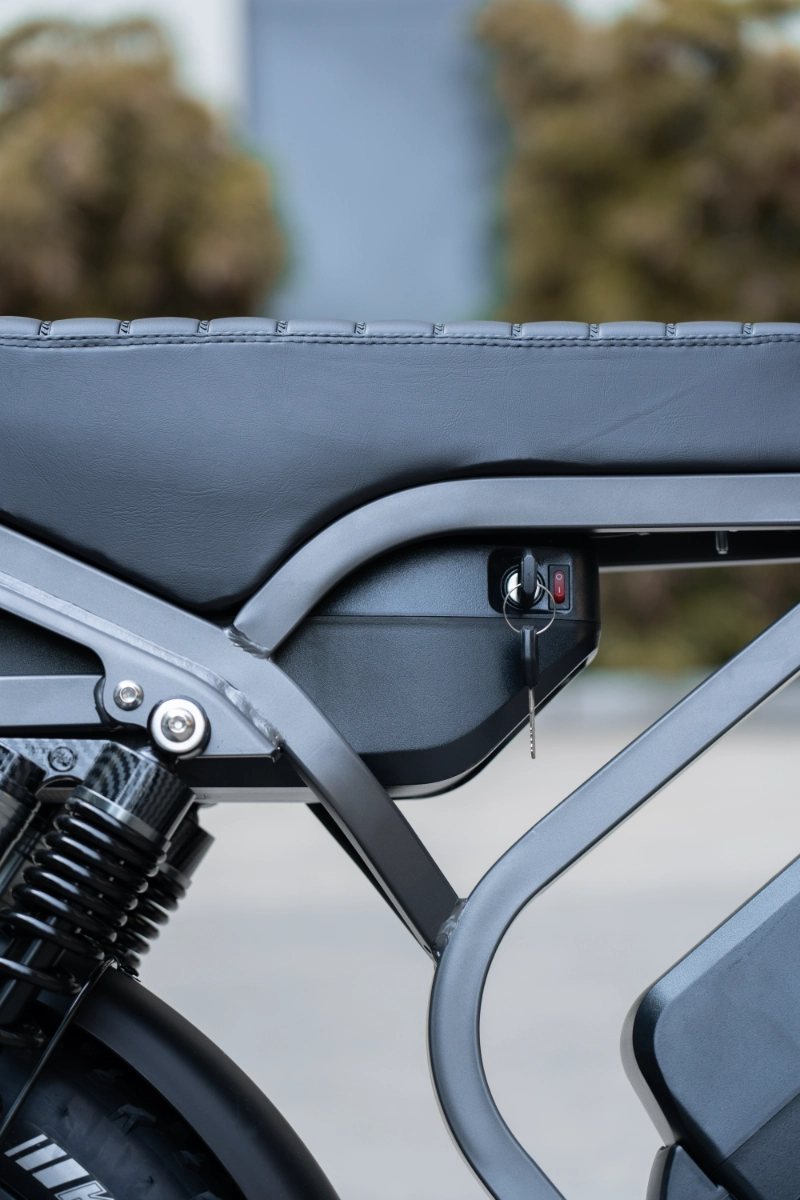
QMWHEEL's vintage-style electric bicycle reflects this direction by combining a retro appearance with functional features such as a rear seat and rear suspension. These design elements give brands several ways to communicate product value without relying entirely on technical specifications. For lifestyle-focused businesses, the key is to connect appearance, usability, and customer preferences within a consistent market position.
How Fat Tire Electric Bicycles Support Brand Differentiation
Turning Product Design Into a Market Advantage
In a crowded electric bicycle market, products with similar appearances and feature descriptions can be difficult to distinguish. Retro styling offers a recognizable visual direction that can support brand storytelling and targeted merchandising. Combined with wide tires and a practical frame layout, it allows businesses to develop a product range aimed at customers who value both visual character and everyday functionality.
However, successful differentiation requires more than choosing an attractive design. Brands should identify what their target customers value most, whether that means distinctive styling, comfortable short-distance riding, flexible everyday use, or a bicycle that complements an outdoor lifestyle. A clearly defined customer profile helps retailers select fat tire electric bicycles that fit their market instead of competing solely through discounts.
Balancing Appearance With Everyday Usability
Visual appeal may attract initial attention, but practical benefits influence purchasing decisions. Wide tires contribute to the bicycle's characteristic appearance and can provide a stable riding experience on suitable surfaces. Rear suspension helps absorb some road vibration, while a rear seat can support different everyday mobility preferences, depending on its intended use and the bicycle's approved configuration.
Brands should describe these features accurately and avoid presenting them as guarantees of performance in every riding condition. Tire design, suspension setup, road surfaces, rider weight, and maintenance all influence the overall experience. A balanced product description explains how design features support real riding needs while helping customers understand the bicycle's intended applications.
Matching Retro Electric Bicycles to Lifestyle Markets
Urban Commuting and Short-Distance Travel
For consumers who travel between nearby destinations, an electric bicycle can offer an alternative to driving for selected journeys. Retro-style fat tire electric bicycles may appeal to riders who want their everyday transportation to reflect their personal taste. Their distinctive appearance can also help retailers position them within lifestyle-oriented product collections rather than presenting them as purely functional commuting equipment.
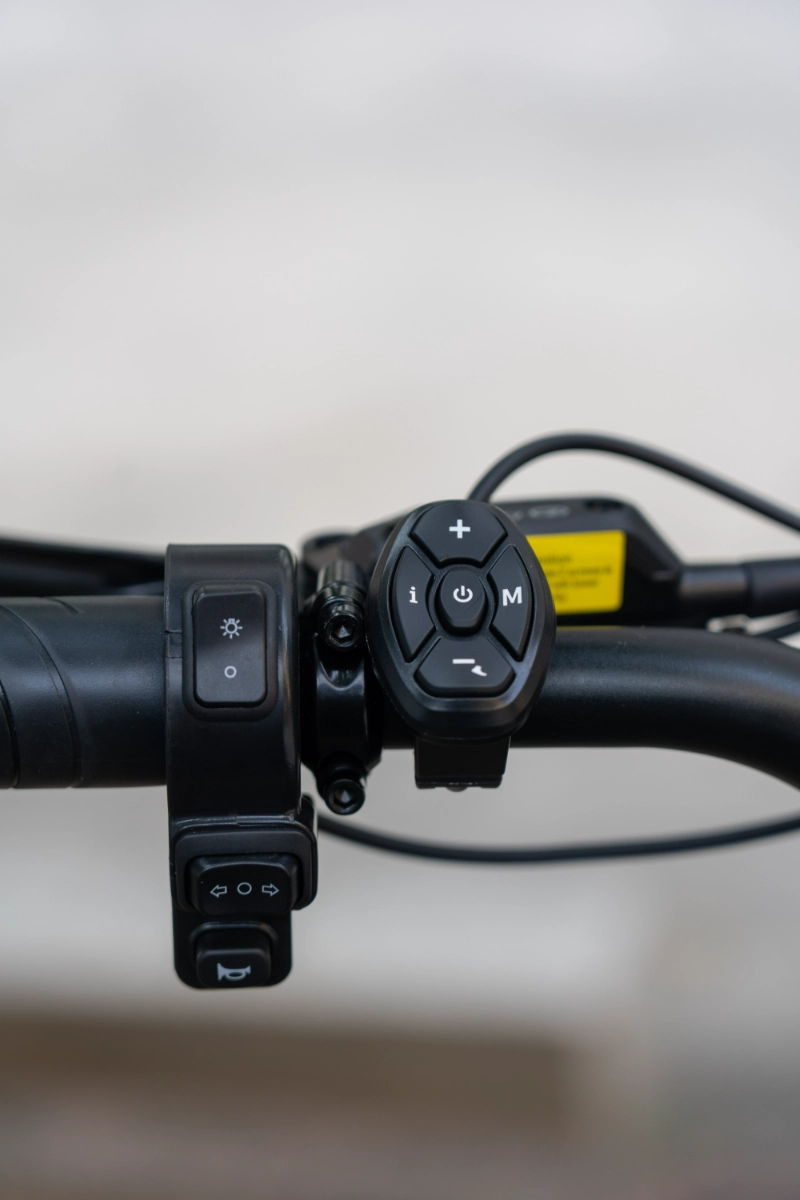
When targeting urban commuters, businesses should focus on relevant purchasing considerations, including riding comfort, ease of handling, storage, local road conditions, and applicable electric bicycle regulations. Product content should explain the intended riding environment clearly. This approach helps potential customers assess whether a particular bicycle suits their daily routines instead of relying on appearance alone.
Leisure Riding and Lifestyle Retail
Beyond commuting, fat tire electric bicycles can attract customers interested in relaxed recreational rides and outdoor activities on suitable routes. Their bold proportions and vintage-inspired styling create a visual identity that works well with lifestyle retail positioning. Retailers can communicate this appeal through product photography, clear descriptions of intended use, and consistent branding across online and offline sales channels.
The distinction between lifestyle appeal and technical suitability remains important. Not every fat tire electric bicycle is designed for every trail or weather condition, and wide tires alone do not establish off-road capability. Businesses should match product claims to the manufacturer's guidance and avoid suggesting that a particular design is suitable for terrain or conditions that have not been verified.
OEM and Private Label Opportunities for Electric Bicycle Brands
Building a Consistent Product Identity
For brands seeking to enter a specialized market, OEM and ODM cooperation can provide a framework for developing products that align with their commercial objectives. Depending on the supplier's capabilities, customization may involve brand presentation, selected design elements, packaging, or other agreed product details. Buyers should establish the available options before making assumptions about what can be modified.
Private label fat tire electric bicycles can help businesses establish a recognizable product range, but brand identity must remain consistent across the entire purchasing experience. Product images, specifications, packaging, user documentation, and after-sales communication should accurately represent the delivered bicycle. Clear coordination between the buyer and supplier helps reduce discrepancies that could affect customer confidence.
Planning for Wholesale and Distribution
Wholesale buyers need to evaluate more than the visual appeal of a bicycle. They should consider the intended customer segment, retail positioning, expected demand, supply arrangements, replacement parts, warranty responsibilities, and the supplier's ability to support repeat orders. These factors influence whether a product can be maintained as a sustainable part of a retail catalog.
| Business priority | Key consideration |
|---|---|
| Product positioning | Match retro styling with a defined customer segment |
| Brand development | Confirm available OEM and private label options |
| Wholesale sourcing | Clarify order quantities, lead times, and supply terms |
| Quality assurance | Establish inspection procedures and product documentation |
| After-sales service | Confirm warranty coverage and replacement part availability |
| Market compliance | Check applicable local requirements before distribution |
For businesses sourcing fat tire electric bicycles wholesale, these checks help connect product selection with operational planning. Buyers should request written confirmation of commercial terms, customization scope, and quality procedures before committing to an order.
Creating Effective Marketing Content for Overseas Buyers
Using Search Intent to Reach the Right Audience
International buyers use different search phrases depending on whether they are researching products, comparing suppliers, or preparing to purchase. Relevant search terms may include retro fat tire electric bicycle, vintage electric bike for adults, fat tire electric bicycles wholesale, and private label electric bikes. Each phrase reflects a different need, so content should address the underlying question rather than repeat keywords without context.
A useful product page explains the bicycle's design, practical features, intended applications, customization possibilities, and purchasing considerations. Supporting blog content can explore how retro styling influences product differentiation, what wholesale buyers should evaluate, and how retailers can position electric bicycles for specific customer groups. This structure helps search engines and prospective buyers understand the relationship between the product and its market value.
Communicating Product Value Without Exaggeration
Strong marketing content connects verified features with realistic customer benefits. Instead of making broad claims about superior performance, brands should explain how a design element relates to comfort, appearance, or everyday convenience. They should also make limitations clear where riding conditions, local regulations, or product configuration may affect suitability.
For QMWHEEL and its business partners, a consistent communication strategy can support product recognition across distributor websites, product catalogs, and retail listings. Accurate descriptions and relevant keyword coverage help attract qualified visitors while setting appropriate expectations before a purchase.
Choosing the Right Supplier for Long-Term Growth
Selecting a supplier requires careful evaluation of product consistency, communication, customization capabilities, quality control, and export support. Buyers should also confirm how design changes are approved, how defects are handled, and whether essential documentation is available for their destination markets. These questions are especially important when introducing a new private-label product.
QMWHEEL's vintage-style fat tire electric bicycle provides a design direction for businesses exploring lifestyle-oriented electric mobility. Interested buyers should contact the company to verify available customization services, current product configurations, commercial terms, and compliance documentation. A transparent sourcing process can help brands align product presentation with customer expectations and build a more coherent electric bicycle portfolio.
Ultimately, retro styling is most valuable when it supports a clear market proposition. By combining recognizable design, practical features, responsible product claims, and careful wholesale planning, brands can position fat tire electric bicycles for customers who want everyday utility without sacrificing personal style.
Frequently Asked Questions
What makes retro fat tire electric bicycles attractive to lifestyle brands?
Their distinctive appearance combines wide tires and vintage-inspired styling with practical electric mobility. This combination can help lifestyle brands target customers who value personal expression as well as everyday usability.
Are fat tire electric bicycles suitable for daily commuting?
They can suit selected commuting needs, depending on the bicycle's design, riding range, local conditions, and applicable regulations. Buyers should assess the intended use and verified product specifications before choosing a model.
Can businesses order private label fat tire electric bicycles?
Private-label opportunities depend on the supplier's services and commercial terms. Buyers should confirm available branding options, customization scope, minimum order requirements, packaging arrangements, and production lead times directly with the supplier.
What should wholesale buyers check before purchasing?
Buyers should review product quality, customization options, supply capacity, warranty coverage, replacement parts, documentation, and local compliance requirements. Clear written agreements help establish expectations for both the initial order and future cooperation.


-
 Blogs
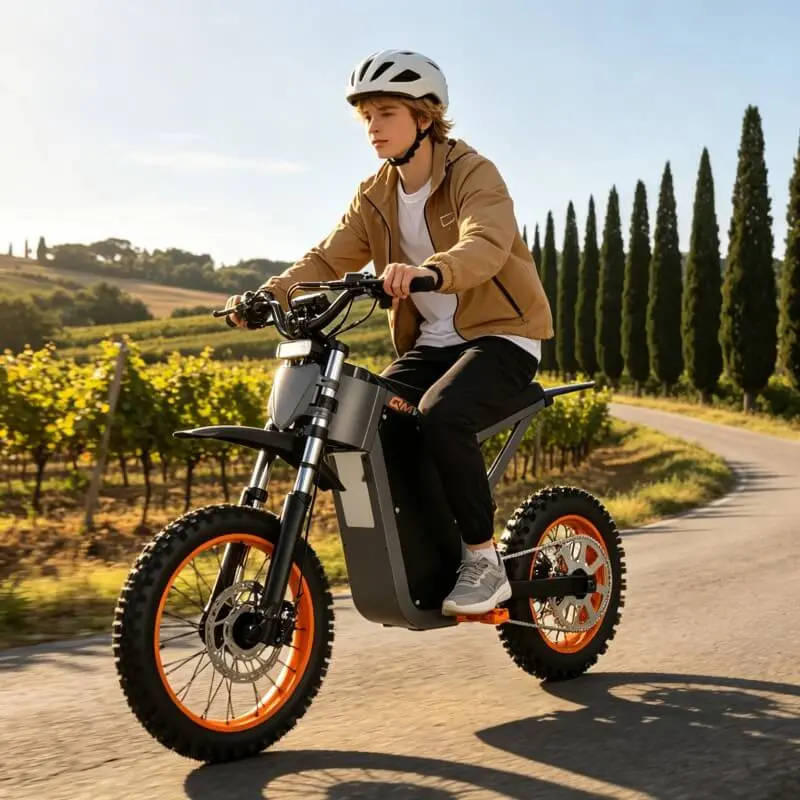
Custom Electric Motorcycle Built Around Rider Needs and Market Trends
Discover QMWHEEL custom electric motorcycle solutions with flexible designs, personalized features, and reliable manufacturing support for global mobility brands.
Read More -
 Blogs
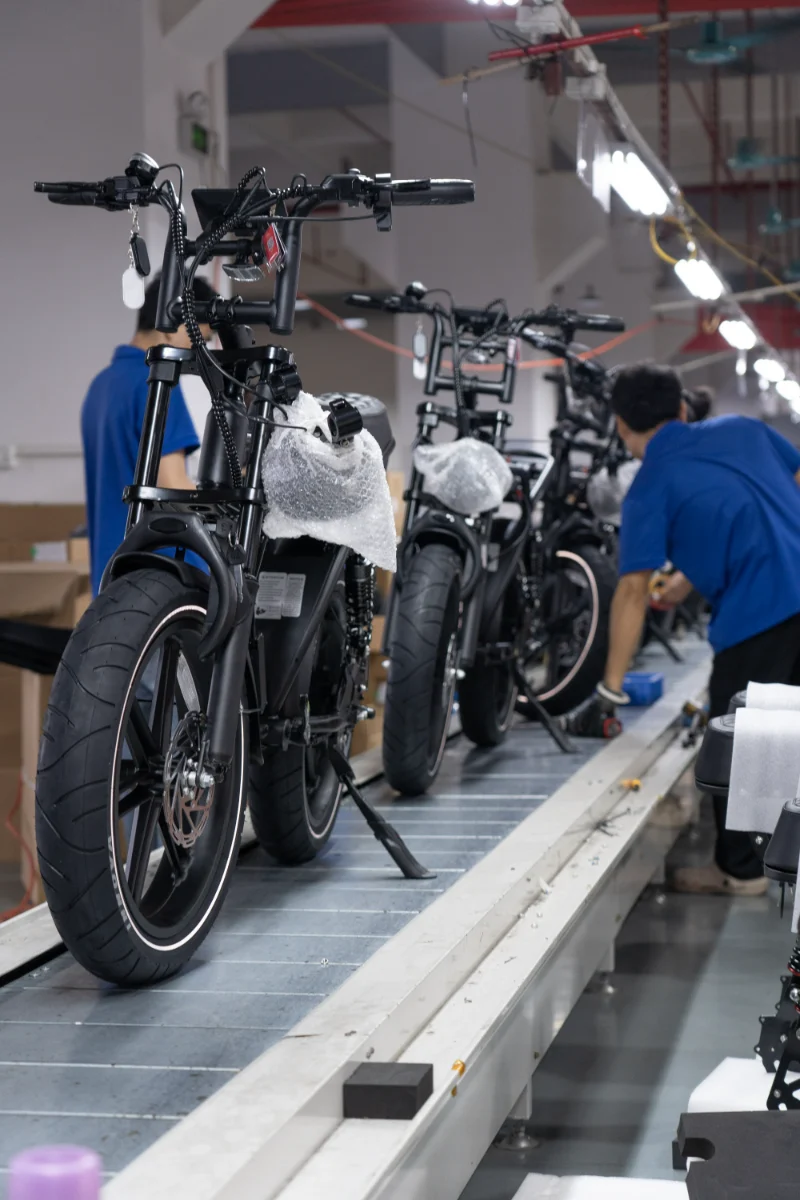
Off Road Fat Tire Bike OEM Design for Different Market Demands
QMWHEEL develops off road fat tire bike solutions with market-specific customization, OEM support, flexible components, testing, branding, and global delivery.
Read More -
 Blogs
Durable Electric Bike for Adults Seeking Comfort on Long Daily Rides
Durable electric bike designs combine wide tires, suspension, strong braking, and practical battery options for comfortable, stable commuting across varied roads and longer daily rides.
Read More -
 Blogs
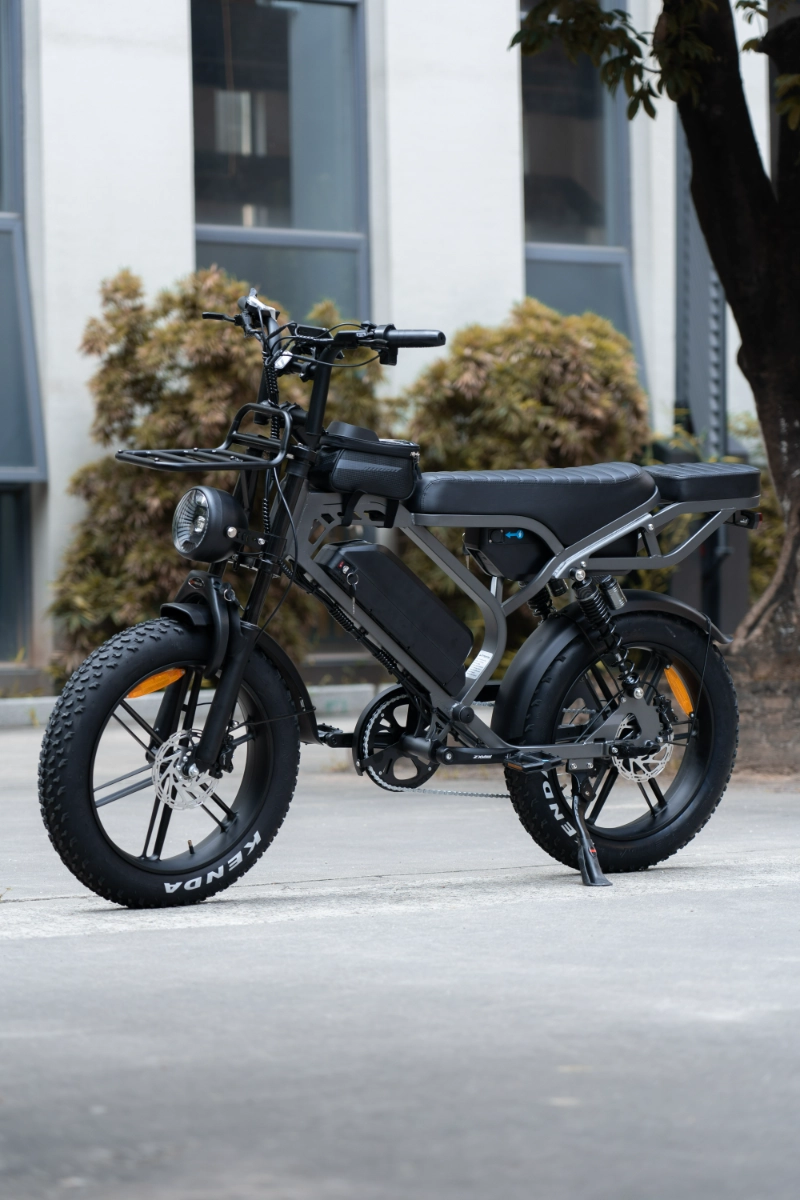
How OEM Custom Fat Tire Electric Bikes Help Brands Reach Niche Markets
A custom fat tire electric bike helps brands stand out with distinctive styling, practical features, and OEM options tailored to niche markets and retail needs.
Read More -
 Blogs
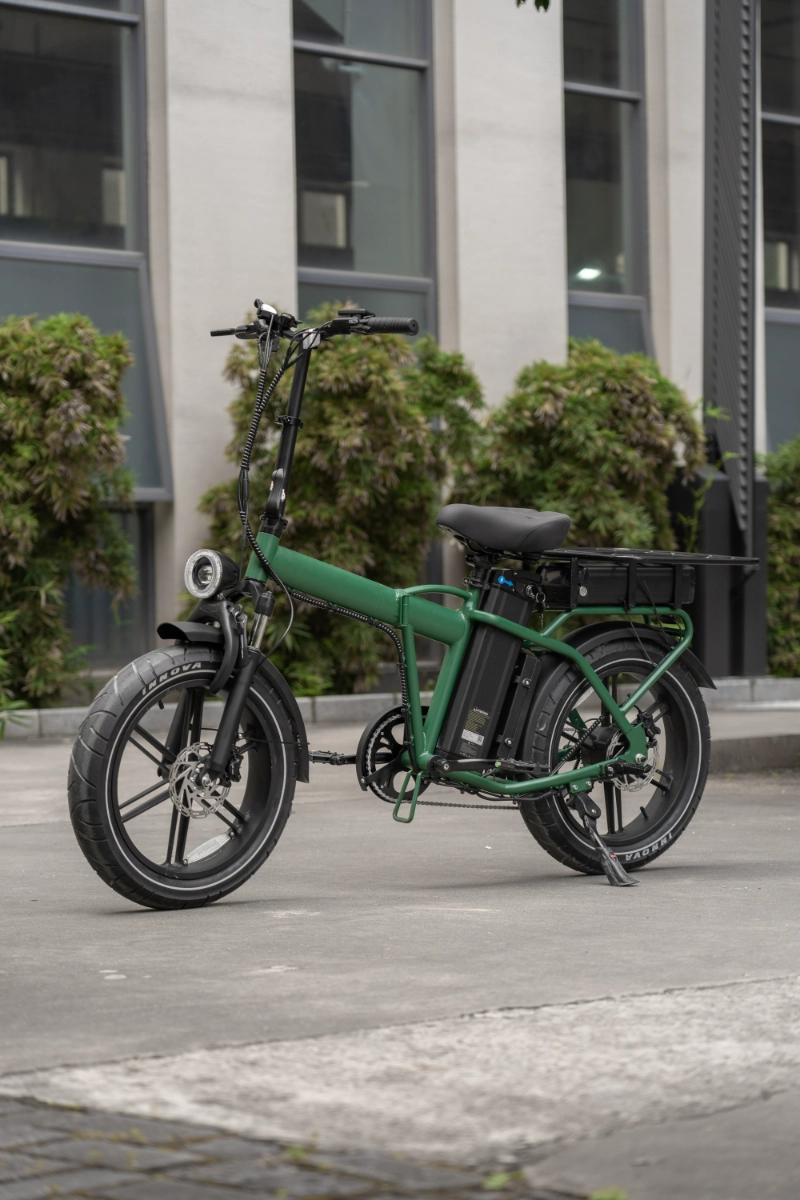
Urban Electric Bicycle Supplier for Custom Fat Tire Commuter E-Bikes
QMWHEEL provides custom urban electric bicycle solutions with fat tire designs, OEM and ODM support, and flexible configurations for global e-bike brands and distributors.
Read More -
 Blogs
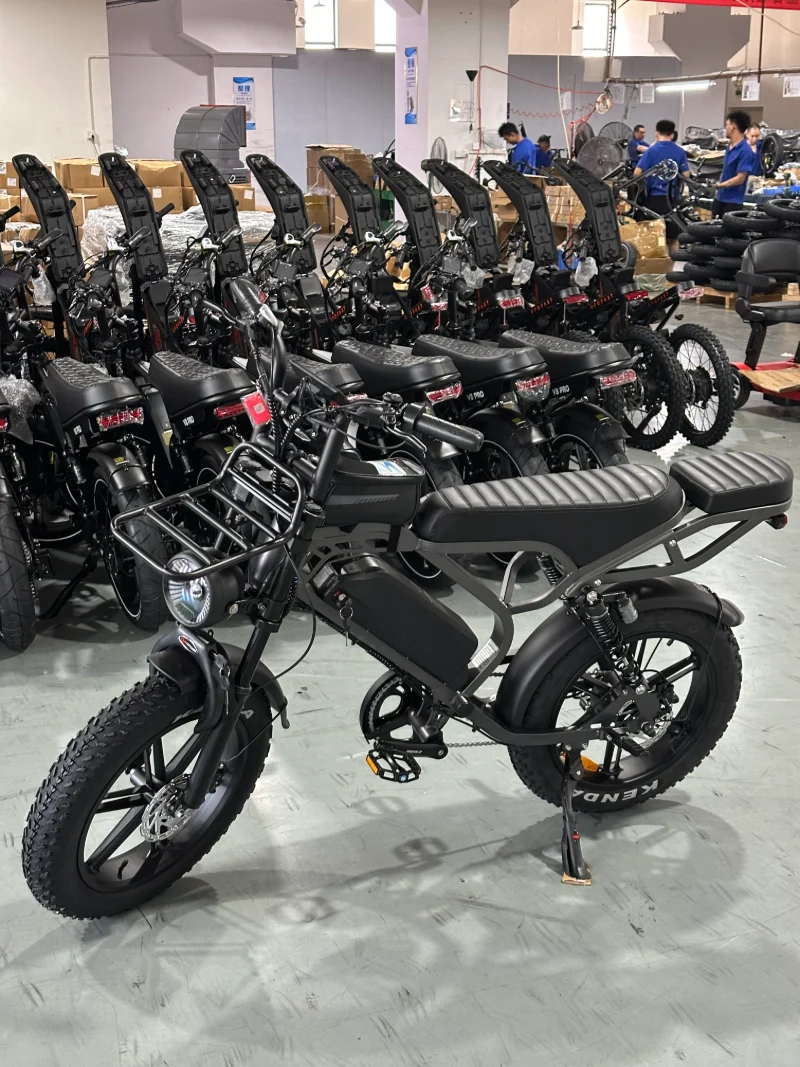
All Terrain Fat Tire Electric Bike for Better Traction on Loose Terrain
All terrain fat tire electric bike designs improve traction, stability, and comfort on gravel, sand, dirt, and uneven roads for versatile outdoor mobility and commuting.
Read More