 The best design at the most affordable price
 info@qmwheel.com
 +86 18938656121


 English
 en
 it
 es
 tr
 sv
 pt
 cs
 nl
 ru
 fr
 de
 pl
 ar


Why an Urban Riding Ebike Fits Daily City Transportation
Urban travel often involves a combination of short-distance commuting, shopping, neighborhood trips, and recreational riding. In these situations, an urban riding ebike offers a practical alternative to traditional transportation by combining pedal assistance with a flexible bicycle design. Riders can travel through busy streets, navigate residential areas, and cover everyday distances without relying entirely on physical effort, making electric bicycles increasingly relevant to city mobility.
Unlike bicycles intended primarily for challenging off-road terrain, urban electric bicycles are designed around everyday usability. Their riding position, frame structure, motor assistance, braking performance, and accessory compatibility all influence how comfortably they can be used throughout the day. A well-designed electric bike for urban riding should balance mobility, riding comfort, handling, and convenience rather than focusing on a single performance feature.
What Makes an Electric Bicycle Suitable for Urban Riding
The suitability of an electric bicycle for city use depends on how its design responds to real road conditions. Urban environments include traffic intersections, paved roads, bike lanes, uneven pavement, parking areas, and frequent stops. These conditions require a bicycle that remains manageable, predictable, and comfortable during repeated acceleration and braking.
Key considerations for urban electric bicycle design
Design Feature | Importance for City Riding |
|---|---|
Frame geometry | Supports balanced handling and a comfortable riding position |
Motor assistance | Helps riders manage acceleration and moderate inclines |
Battery configuration | Influences riding range and charging convenience |
Braking system | Supports controlled stopping in changing traffic conditions |
Tire design | Balances grip, stability, and rolling resistance |
Riding position | Reduces unnecessary strain during daily travel |
Integrated accessories | Improves practicality for commuting and errands |
These elements work together to determine the overall riding experience. A bicycle with balanced components and thoughtful structural design can provide more practical value than one built around specifications alone.
Riding Comfort and Handling in Urban Environments
Comfort is one of the most important considerations when selecting an urban electric bicycle. Riders may use their bicycles several times a day, and repeated trips can make small differences in ergonomics increasingly noticeable. Handlebar height, saddle positioning, frame proportions, and pedal placement influence how the body interacts with the bicycle during riding.
A comfortable riding position allows riders to maintain better control while reducing unnecessary pressure on the wrists, shoulders, and back. Upright or moderately relaxed riding positions can also help riders maintain visibility in traffic and observe surrounding road conditions. Frame geometry should therefore support both ergonomic comfort and predictable steering behavior.
Road surfaces also affect comfort. Although city roads are generally paved, cracks, drainage covers, pavement joints, and uneven surfaces can create vibration. Appropriate tire dimensions, suspension components where available, and a well-balanced frame can help absorb some of these impacts. Comfort-oriented bicycle design should address both the rider's posture and the bicycle's response to ordinary road irregularities.
Motor Assistance and Battery Considerations for Daily Commuting
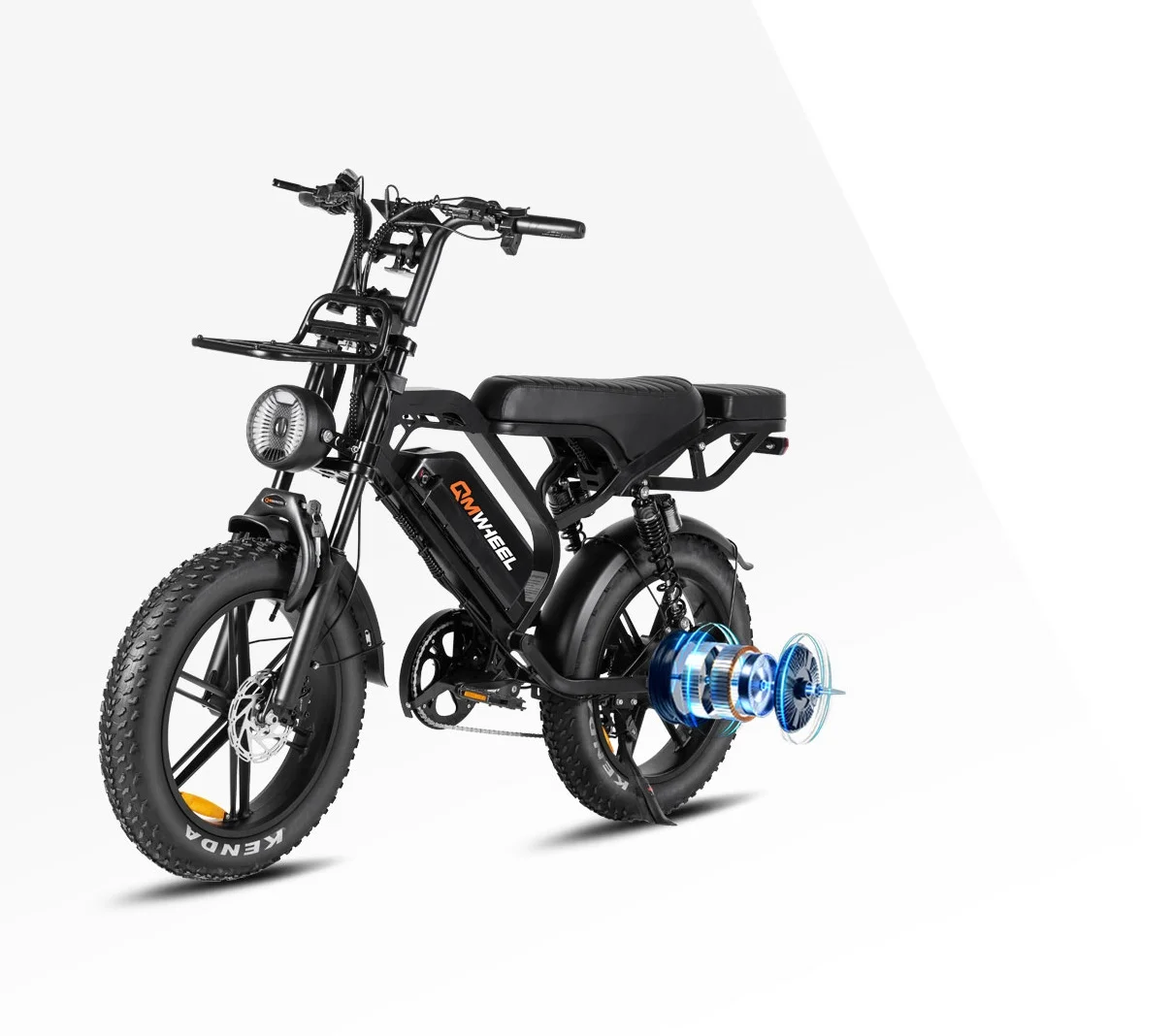
Motor assistance makes urban electric bicycles particularly useful for riders who need to travel regularly without arriving excessively fatigued. The motor helps supplement pedaling effort, especially during acceleration, uphill sections, and longer journeys. However, the riding experience depends on how assistance is delivered rather than motor power alone.
A responsive motor should provide predictable support that matches the rider's input and the bicycle's intended use. Smooth acceleration is valuable when moving away from intersections or adjusting speed in crowded areas. The relationship between motor output, controller behavior, gearing, and overall bicycle weight can influence handling and riding efficiency.
Battery capacity is another important consideration when evaluating an urban riding ebike. The appropriate battery configuration depends on commuting distance, riding frequency, charging access, terrain, rider weight, assistance level, and weather conditions. A larger battery may provide greater potential range, but it can also increase bicycle weight. Riders should consider their actual transportation needs instead of selecting battery capacity based exclusively on advertised range.
Battery placement also influences bicycle balance and convenience. Integrated or well-positioned battery designs can help maintain a cleaner appearance while supporting practical handling. Removable batteries may be particularly useful for riders who need to charge indoors or cannot conveniently access a charging outlet near their bicycle parking location.
Tire Selection, Braking Performance and Road Safety
Tires influence traction, steering response, comfort, and rolling efficiency. For city travel, tire selection should reflect the road surfaces riders encounter most frequently. Smooth or moderately textured tires can perform well on paved streets, while wider tires may provide additional cushioning and stability depending on their construction, inflation pressure, and bicycle geometry.
Urban tire characteristics and their practical benefits
Tire Characteristic | Potential Benefit |
|---|---|
Appropriate width | Supports stability and riding comfort |
Road-oriented tread | Helps maintain efficient contact with paved surfaces |
Quality rubber compound | Contributes to grip and wear resistance |
Suitable inflation pressure | Balances comfort, traction, and rolling efficiency |
Durable construction | Helps withstand regular commuting use |
Braking performance is equally important because urban riding frequently involves changes in speed. Riders may need to stop at traffic lights, respond to pedestrians, or slow down when approaching intersections. Reliable brakes, appropriate brake adjustment, and regular inspection help maintain consistent stopping performance.
Electric bicycles also require attention to lighting and visibility. Front and rear lights, reflective elements, and clearly visible riding accessories can help improve visibility in low-light conditions. Riders should also consider local bicycle regulations, speed restrictions, helmet requirements, and permitted motor-assistance configurations before purchasing or using an electric bicycle.
Practical Features That Improve Everyday Electric Bicycle Use
An electric bicycle intended for everyday transportation should accommodate more than riding itself. Parking, carrying personal belongings, charging, maintenance, and storage all affect the convenience of daily ownership. Integrated racks, mudguards, kickstands, accessible controls, and practical frame arrangements can make a bicycle easier to use throughout different parts of the day.
Cargo capacity is particularly relevant for riders who use bicycles for shopping, commuting, or carrying personal items. A properly designed rear rack or compatible carrying accessory can extend the bicycle's functionality without requiring a separate transportation solution. However, accessories should be selected according to the bicycle's structural capacity and manufacturer recommendations.
The following features can contribute to a more convenient urban riding experience:
Rear racks: Provide support for bags and compatible cargo accessories.
Mudguards: Help reduce water and road debris reaching the rider.
Accessible displays: Allow riders to monitor assistance settings and relevant riding information.
Stable kickstands: Support convenient parking when the bicycle is stationary.
Integrated lighting: Improves visibility during daytime and nighttime travel.
Comfortable saddles and grips: Support longer or more frequent riding sessions.
The value of these features depends on the rider's transportation habits. A bicycle used primarily for short commutes may benefit from lightweight construction and simple accessory arrangements, while riders handling frequent errands may prioritize carrying capacity and equipment compatibility.
Choosing an Urban Riding Ebike for Different Commuting Needs
Not every urban rider has the same expectations. Some prioritize compact handling and easy storage, while others want a bicycle suitable for longer daily journeys. Understanding the intended riding environment helps buyers identify the most suitable combination of frame design, battery configuration, tire characteristics, and accessory options.
Riding Requirement | Features Worth Considering |
|---|---|
Short daily commuting | Practical frame design, easy controls, convenient charging |
Longer urban journeys | Battery capacity, saddle comfort, efficient assistance |
Frequent stopping | Responsive braking, manageable handling, good visibility |
Shopping and errands | Rear rack, cargo compatibility, stable parking |
Mixed pavement conditions | Suitable tires, comfortable geometry, suspension options |
Limited storage space | Compact dimensions, manageable bicycle weight |
When evaluating different bicycles, buyers should also consider maintenance accessibility, spare parts availability, warranty coverage, and the manufacturer's support capabilities. These factors can affect the long-term ownership experience just as much as the bicycle's initial configuration.
QMWHEEL Urban Electric Bicycles for Everyday Mobility
QMWHEEL develops electric bicycles for different transportation and riding requirements, including urban electric bicycle applications. Its product range reflects an approach that combines practical riding functionality, distinctive bicycle design, and configurations suited to different market preferences.
For buyers evaluating QMWHEEL urban electric bicycles, the selection process should focus on the intended riding environment, comfort expectations, transportation requirements, and local regulations. Different frame designs and component configurations may suit different commuting habits, allowing retailers and consumers to assess products according to their actual usage requirements.
For distributors, retailers, and private-label brands, product consistency, customization possibilities, and manufacturing support are also important purchasing considerations. Selecting an electric bicycle supplier with experience in product development and manufacturing coordination can help businesses evaluate product positioning, configuration requirements, and market-specific preferences more effectively.
FAQs
What is an urban riding ebike?
An urban riding ebike is an electric bicycle designed primarily for city transportation, commuting, errands, and everyday travel. It typically emphasizes practical handling, riding comfort, convenient motor assistance, and compatibility with daily-use accessories.
Is an urban electric bicycle suitable for daily commuting?
Yes. An urban electric bicycle can be suitable for daily commuting when its riding range, comfort, weight, braking performance, and configuration match the commuting distance and road conditions. Riders should also consider charging access and local electric bicycle regulations.
What battery capacity is suitable for city riding?
Battery capacity depends on commuting distance, terrain, assistance level, rider weight, weather, and charging frequency. Riders who travel longer distances between charging opportunities may benefit from greater battery capacity, while shorter commutes may not require a large battery.
Are wider tires better for urban electric bicycles?
Wider tires can provide additional cushioning and stability under suitable conditions, but tire width alone does not determine riding performance. Tire pressure, tread design, rubber compound, bicycle geometry, and road conditions also influence comfort and handling.
What should retailers consider when sourcing urban electric bicycles?
Retailers should evaluate product quality, configuration flexibility, market compliance, spare parts support, warranty policies, customization capabilities, and supplier reliability. These considerations help establish a product range that better matches customer requirements and local market conditions.


-
 Blogs
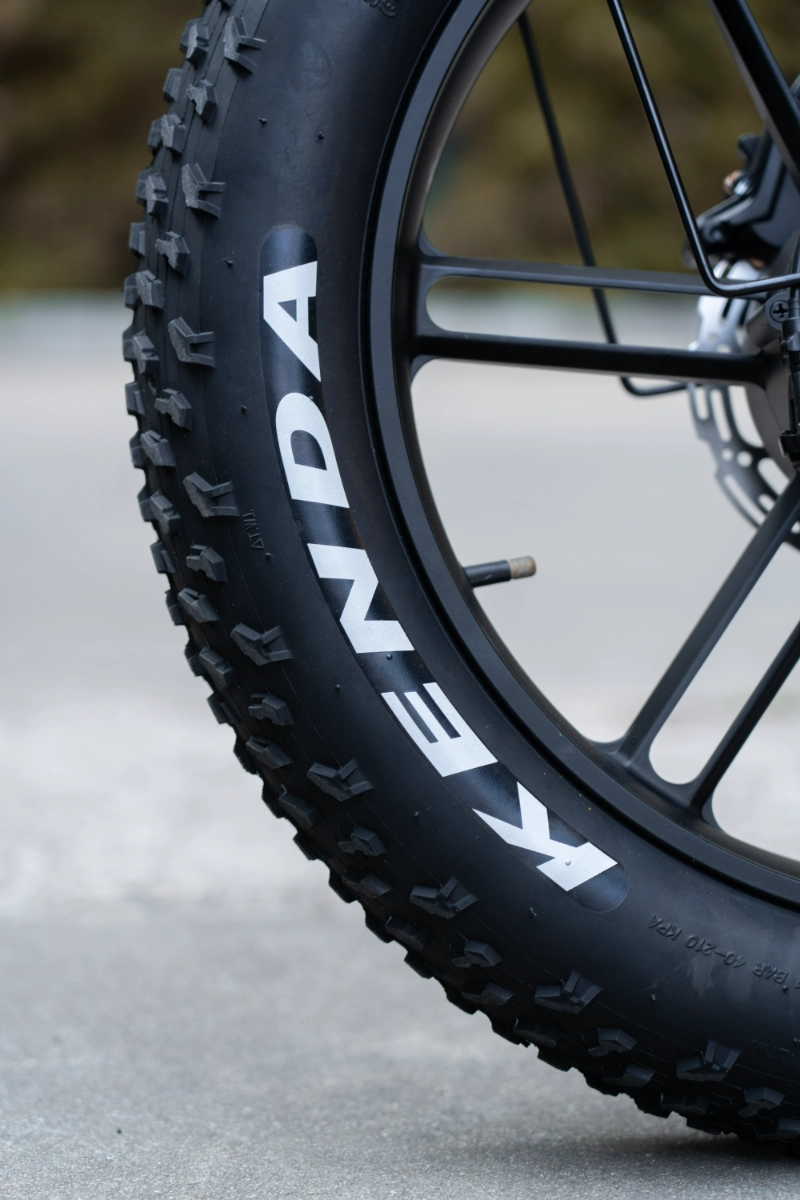
How to Reduce Range Anxiety on Long Range Fat Tire Ebike
A long range fat tire ebike offers practical battery planning, efficient riding, and reliable performance for commuting and outdoor trips across varied terrain.
Read More -
 Blogs
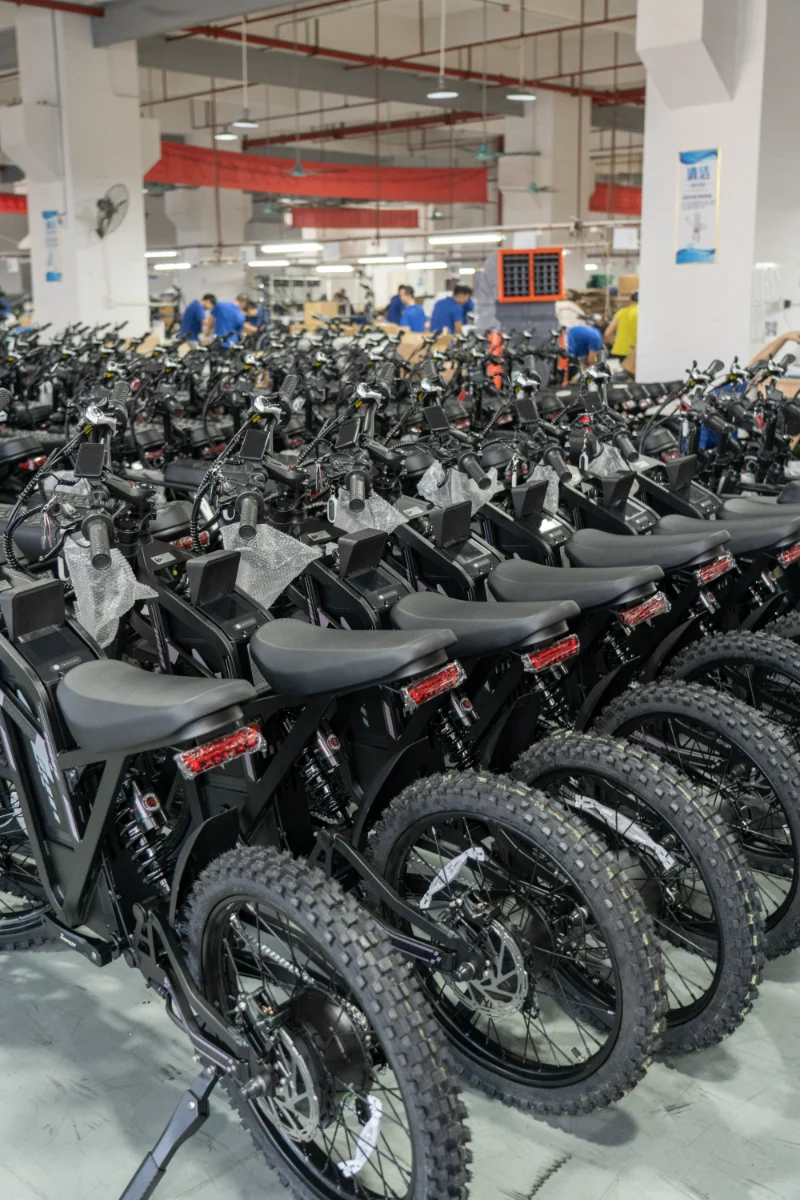
Dual Battery Fat Tire Electric Bike for Gravel Roads and Outdoor Adventures
A dual battery fat tire electric bike delivers extended riding range, improved traction on gravel roads, and added comfort for outdoor adventures and daily travel.
Read More -
 Blogs
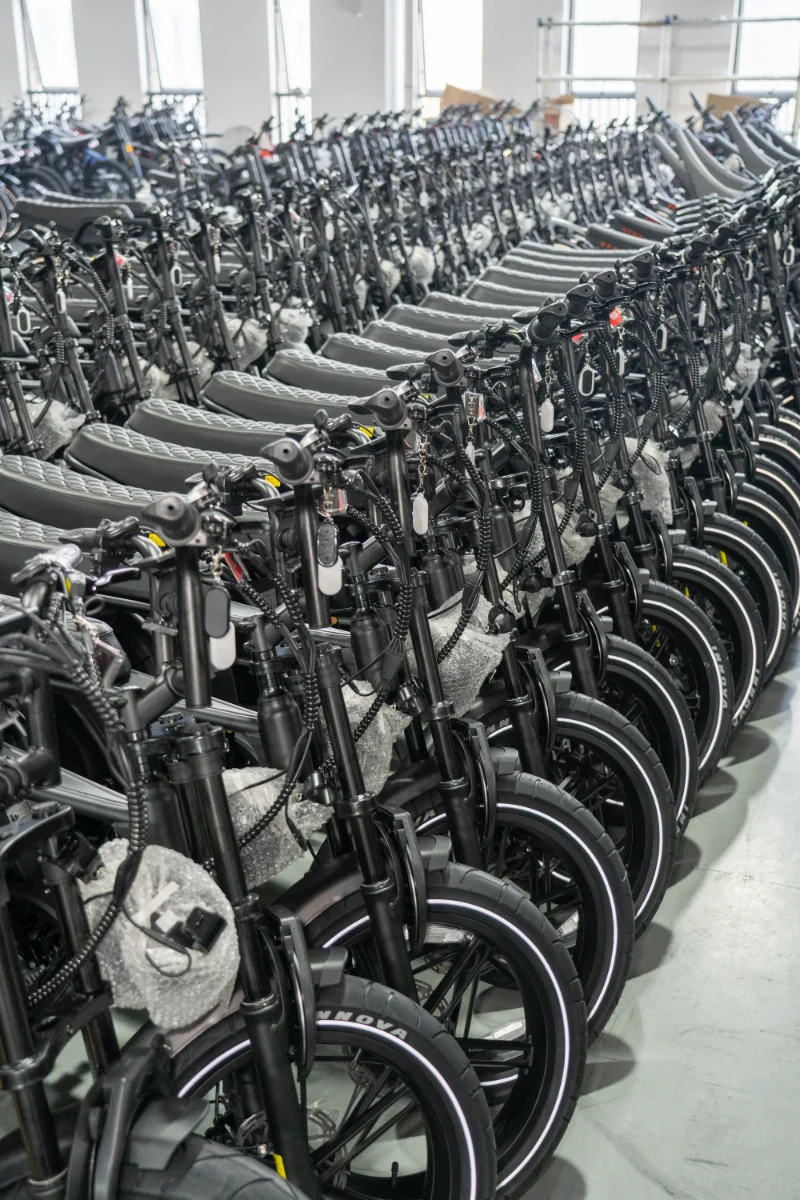
Why Fat Tires Matter in a Custom Electric Mountain Bike Design
Fat tire performance gives a custom electric mountain bike stronger traction, stability, and comfort for mixed terrain while supporting flexible OEM and ODM development.
Read More -
 Blogs
Building Competitive Advantage in the Commuter Fat Tire Electric Bike Market: A Practical Industry Perspective from QMWHEEL Vehicle
The global demand for electric mobility is no longer defined by experimentation—it is defined by operational efficiency, regulatory compliance, and total cost of ownership.
Read More -
 Blogs
QMWHEEL Team Building | Gather Strength, Move Fast, Reach New Peaks
QMWHEEL’s beach team building activity strengthens teamwork, trust and team cohesion, inspiring employees to work together, move forward and achieve new goals.
Read More -
 Blogs
Long Range Fat Tire Electric Bike for Extended Outdoor Adventures
Discover QMWHEEL long range fat tire electric bike solutions with durable design, and extended riding capability for outdoor adventures and daily mobility.
Read More