 The best design at the most affordable price
 info@qmwheel.com
 +86 18938656121


 English
 en
 it
 es
 tr
 sv
 pt
 cs
 nl
 ru
 fr
 de
 pl
 ar


Customization as a Competitive Advantage in Electric Bicycle Manufacturing
In the competitive electric bicycle market, product differentiation is increasingly shaped by design flexibility, component compatibility, and brand positioning. Overseas distributors, retailers, and private-label businesses need products that align with their target customers rather than relying solely on standardized configurations. Electric bicycle manufacturing that incorporates customization support allows businesses to adapt product appearance, riding characteristics, and branding details to different sales channels and market expectations.
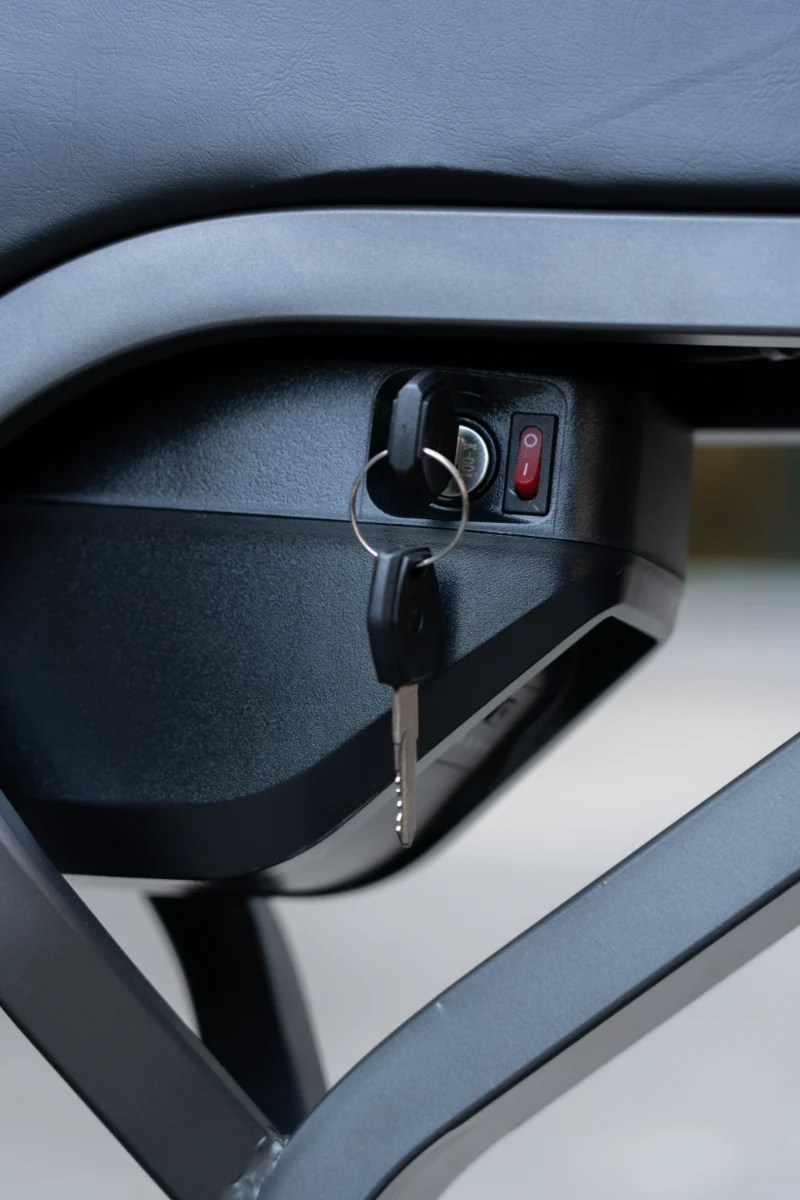
Customization is not limited to visual changes. Frame geometry, battery placement, motor configuration, tires, drivetrain components, suspension, and accessories can all influence the riding experience and product positioning. A well-coordinated development process helps buyers balance performance expectations, production feasibility, cost control, and market suitability while establishing a distinctive product identity.
Design Requirements and Component Selection for Custom E-Bikes
The foundation of a customized electric bicycle is a clear understanding of the intended riding environment and customer expectations. Buyers should define whether their product line is intended for commuting, recreational riding, urban mobility, all-terrain exploration, or everyday transportation. These requirements influence frame structure, riding posture, tire selection, battery arrangement, and other design decisions throughout the development process.
During electric bicycle OEM customization, buyers can work with manufacturers to adjust selected features of existing product platforms. This approach helps businesses develop differentiated products without independently managing every engineering and production task. By identifying essential features early, brands can avoid unnecessary modifications and concentrate on design elements that contribute to usability, product identity, and commercial value.
Customization Area | Key Considerations | Available Direction |
|---|---|---|
Frame design | Riding posture, appearance, structural layout | Geometry, structure, color |
Battery configuration | Range expectations, charging convenience | Removable, capacity, placement |
Motor and controller | Riding performance, regulations | Power, torque, controller settings |
Tires and wheels | Terrain, grip, riding comfort | Width, tread, wheel configuration |
Drivetrain | Maintenance, riding style | Gear systems, chain or belt drive |
Front suspension | Terrain and handling requirements | Fork type, travel, adjustment |
Branding | Brand recognition, retail presentation | Logo, decals, display, packaging |
These customization options should be assessed as an integrated product development process. Changes to frame geometry may influence battery placement, cable routing, component mounting, and riding ergonomics. Similarly, motor and controller selection should be coordinated with battery specifications and local regulatory requirements. Manufacturers and buyers need to review these relationships before confirming the final configuration.
Frame Geometry and Appearance for Different Riding Experiences
Frame design plays an important role in how an electric bicycle looks, feels, and performs. Geometry affects rider positioning, maneuverability, stability, and accessibility, while frame structure influences component installation and the overall visual character of the bicycle. For brands targeting different customer groups, frame customization can help establish a product range with distinct riding characteristics and design identities.
A customized frame should balance appearance with practical considerations such as structural strength, weight distribution, assembly efficiency, and compatibility with selected components. Buyers may review frame proportions, finishes, colors, structural arrangements, and other visual details during the design confirmation stage. Manufacturers can then evaluate whether the proposed changes are compatible with production processes and component installation requirements.
Exterior customization also contributes to product recognition. Coordinated colors, frame graphics, decals, and finishing details help create a consistent brand presentation across different product categories. Rather than treating each visual element independently, businesses should consider how the frame, battery, fork, wheels, and other visible components contribute to the complete bicycle design.
Battery and Motor Configuration for Performance Requirements
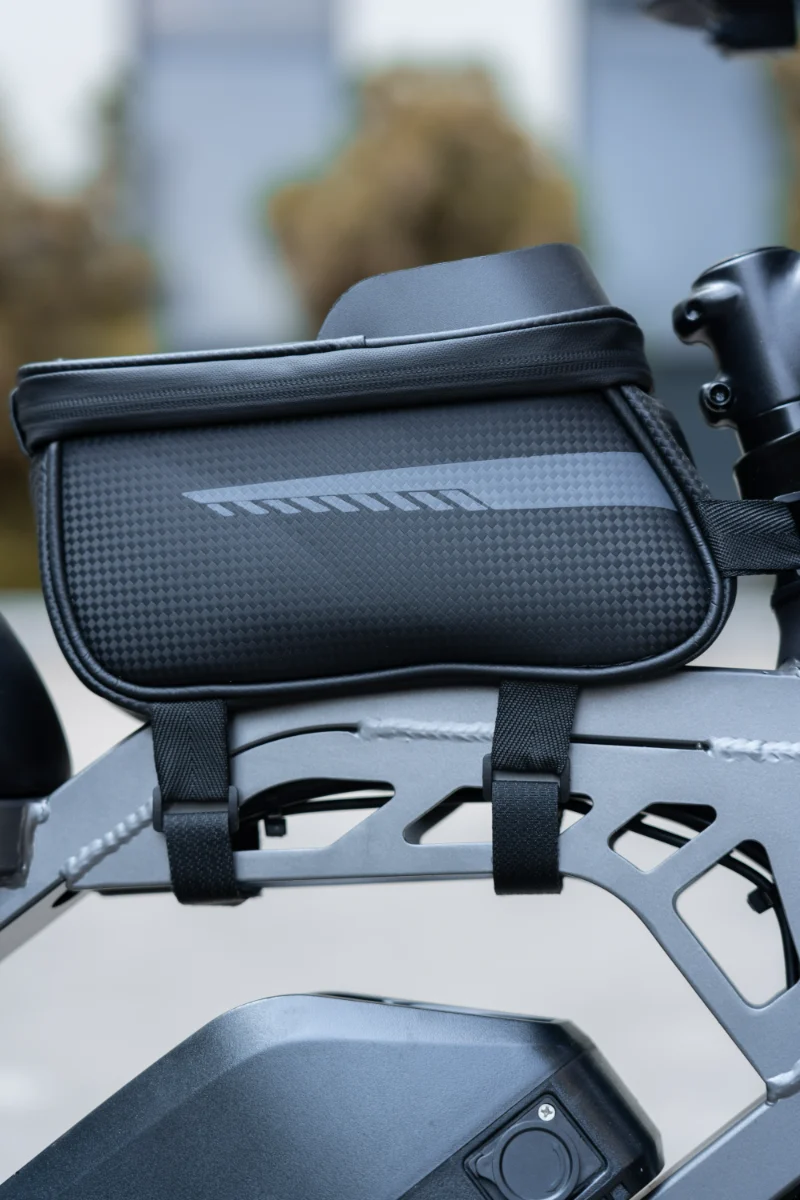
Battery and motor selection directly influence the riding experience, product positioning, and cost structure of an electric bicycle. Different customers may prioritize acceleration, riding distance, hill-climbing capability, charging convenience, or overall bicycle weight. For this reason, battery and motor configuration should be determined according to the intended application rather than selected as isolated specifications.
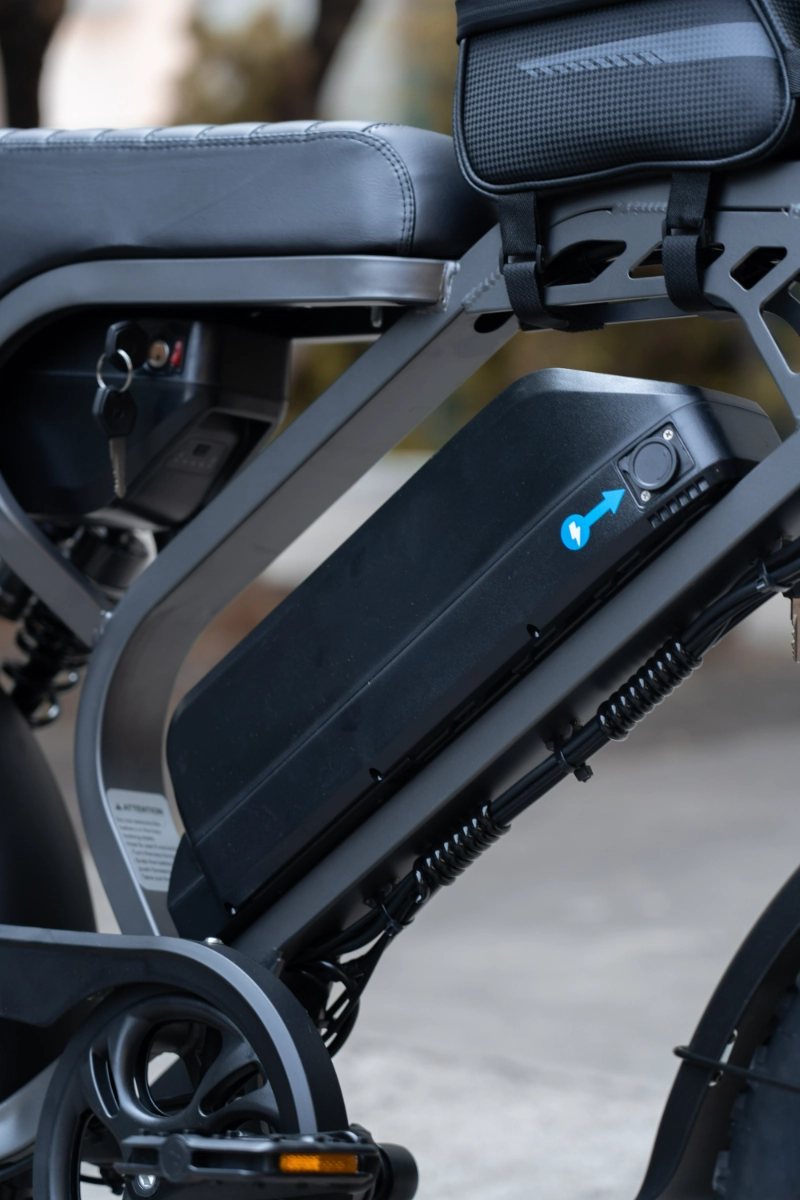
Battery customization may involve capacity, mounting location, removable design, and integration with the frame. The selected arrangement should consider accessibility, charging practices, installation requirements, and weight distribution. Buyers also need to evaluate how battery configuration affects frame design, available space, wiring, and maintenance access before approving the product.
Motor and controller selection requires equally careful coordination. Electric bicycle manufacturing involves matching motor characteristics, controller settings, battery output, and other electrical components to the intended riding experience and applicable market regulations. Performance expectations should be realistic and supported by compatible components, reliable integration, and appropriate product testing.
Component | Development Considerations |
|---|---|
Battery | Capacity, placement, accessibility, charging requirements |
Motor | Performance requirements, compatibility, riding application |
Controller | Power management, compatibility, operating settings |
Electrical connections | Installation, reliability, maintenance access |
Display | Information visibility, interface, branding options |
The objective is to create a balanced configuration that supports riding requirements while maintaining practical manufacturing and servicing considerations. Buyers should confirm component compatibility and regulatory requirements before approving samples or committing to production.
Tire, Drivetrain, and Suspension Customization
Tires, drivetrain components, and suspension contribute to comfort, handling, traction, and riding efficiency. Their selection should reflect the intended use of the bicycle, the riding environment, and the expectations of the target market. A customized electric bicycle may require a different combination of tires, gearing, and suspension depending on whether it is intended for paved streets, mixed terrain, recreational riding, or more demanding routes.
Tire width, tread pattern, and wheel configuration affect grip, rolling characteristics, and riding comfort. Buyers should consider how these elements interact with frame clearance, weight, and the intended riding environment. Drivetrain selection also influences maintenance requirements, riding feel, and component compatibility. Manufacturers may offer different gear arrangements or chain and belt drive options, subject to product availability and design feasibility.
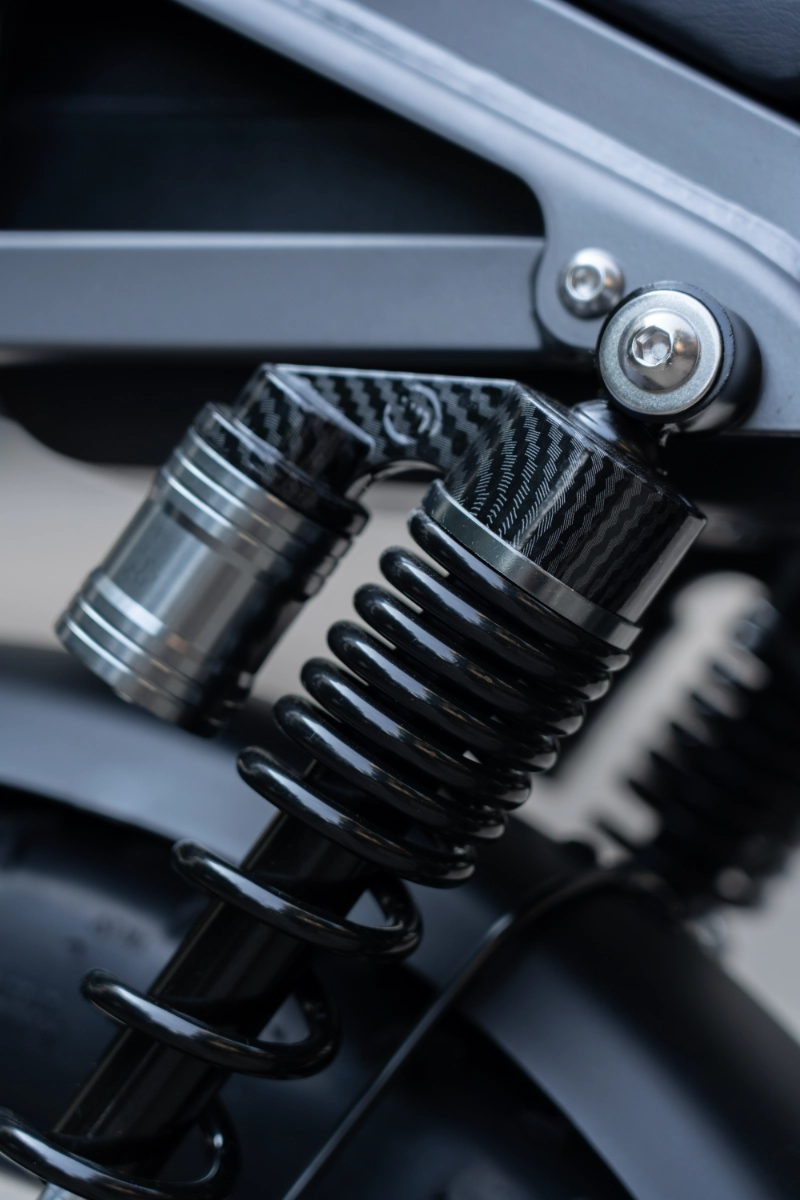
Front suspension can further influence riding comfort and handling. Fork type, adjustment features, and suspension travel should be evaluated according to the intended terrain and bicycle configuration. Coordinating these components during development can help avoid unnecessary modifications later in the production process.
Private Label Branding and OEM Product Development
For international distributors and retailers, private-label electric bicycles provide an opportunity to build brand recognition without independently managing every stage of product development. OEM cooperation generally allows buyers to customize an existing bicycle platform through appearance changes, selected component options, decals, branding, and packaging. This approach can help businesses develop a differentiated product line while working within an established manufacturing framework.
QMWHEEL provides OEM customization support for electric bicycles, including branding adjustments and product presentation. Customization options may include frame logos, battery decals, front fork stickers, rear frame graphics, saddle branding, display startup logos, customized cartons, manuals, and labels. These elements help buyers create a more consistent brand identity across the product and its packaging.
Branding Element | Customization Purpose |
|---|---|
Frame logo | Establish brand recognition |
Battery decal | Reinforce product identity |
Front fork graphics | Coordinate exterior appearance |
Rear frame decals | Create consistent visual branding |
Saddle logo | Extend brand presentation |
Display startup logo | Customize the riding interface |
Carton design | Improve retail and shipping presentation |
Manuals and labels | Support market-specific communication |
Branding should be reviewed alongside product design rather than added only after manufacturing decisions have been completed. Logo placement, decal materials, packaging artwork, warning labels, and market-language requirements may affect production preparation. Early confirmation can help reduce revisions and support more consistent product presentation.
ODM Development for Market-Specific Electric Bicycles
While OEM customization focuses primarily on adapting existing products, ODM development can involve broader design participation and product planning. Buyers may work with a manufacturer's development team to refine the product concept, frame structure, component selection, and configuration according to their target market, price positioning, and customer requirements.
The development process typically begins with product concept discussions. Buyers need to clarify their intended customer group, distribution channel, riding application, design preferences, and expected price range. These details help manufacturers assess the feasibility of the proposed product and identify suitable development directions.
Frame design, battery configuration, motor and controller selection, tire and wheel arrangement, drivetrain, and front suspension can be reviewed as part of the development process. The extent of available customization depends on the manufacturer's engineering capabilities, component availability, production conditions, and development requirements.
A well-defined development brief should include
Target market and intended riding applications
Product appearance and frame design preferences
Performance expectations and component requirements
Target cost and commercial positioning
Branding, packaging, and labeling requirements
Applicable regulations and testing expectations
A clear development brief gives both parties a practical reference for evaluating design proposals and coordinating subsequent sample production. It also helps buyers distinguish essential product requirements from optional modifications, supporting more efficient project management.
Sample Evaluation and Production Preparation
Sample development is an important stage in customized electric bicycle manufacturing because it provides an opportunity to review the proposed design before production approval. Buyers should assess whether the sample reflects the agreed specifications, including appearance, component arrangement, assembly quality, riding ergonomics, and general usability. Sample evaluation should be based on defined requirements rather than subjective impressions alone.
Any requested modifications should be documented and reviewed with the manufacturer. Changes to frame design, component configuration, branding, or packaging may influence production preparation, costs, and delivery schedules. Maintaining a clear record of sample revisions and approval decisions helps both parties work toward consistent production specifications.
Development Stage | Main Purpose |
|---|---|
Requirement discussion | Establish product scope and target market |
Design review | Assess appearance and technical feasibility |
Sample development | Examine the proposed product |
Sample evaluation | Review performance, assembly, and usability |
Specification approval | Confirm final product requirements |
Production preparation | Coordinate materials, components, and assembly |
Delivery planning | Arrange packaging and export coordination |
Production preparation should begin only after the relevant design and specifications have been confirmed. Clear communication during this stage helps reduce discrepancies between approved samples and manufactured products, while providing buyers with better visibility into production planning.
Quality Control and Compliance in Global Electric Bicycle Manufacturing
Quality control is essential for businesses sourcing customized electric bicycles for international distribution. Buyers should understand how a manufacturer manages component inspection, assembly procedures, functional testing, and finished-product evaluation. These processes help identify potential defects, maintain production consistency, and support product reliability throughout the manufacturing process.
Quality requirements should be defined according to the product's intended application and destination market. Inspection procedures may cover frame construction, assembly accuracy, braking performance, electrical connections, component installation, and finished-product appearance. Battery and electrical component handling also deserve careful attention, particularly where applicable safety requirements and transportation regulations are involved.
Compliance planning should be incorporated into product development from the beginning. Electric bicycle regulations vary by country and may address maximum permitted power, assisted speed, vehicle classification, lighting, braking, electrical safety, battery transportation, and road-use requirements. Buyers should confirm the regulations applicable to their intended market before finalizing product specifications.
Manufacturers may assist with technical documentation, product testing coordination, or certification preparation, depending on their capabilities. However, buyers should independently verify applicable requirements and confirm which party is responsible for certification, documentation, and market approval. This clarification helps avoid costly changes after product development has progressed.
Selecting an Electric Bicycle Manufacturing Partner
Choosing a suitable manufacturing partner involves more than comparing quotations. Businesses should evaluate customization capabilities, engineering communication, sample development procedures, quality control, production planning, component sourcing, and after-sales support. These factors can influence the consistency of product quality and the ability to maintain a competitive product line over time.
Buyers should also review minimum order quantities, payment terms, lead times, warranty policies, spare parts availability, packaging arrangements, and export documentation. Transparent communication about manufacturing capabilities and customization limitations is equally important. A partner that can clearly explain development requirements and production constraints is more likely to support realistic project planning.
QMWHEEL offers OEM/ODM customization support for electric bicycles, covering product appearance, selected components, branding, packaging, and development coordination. Businesses evaluating a customized electric bicycle project should confirm the available product platforms, technical capabilities, sample procedures, and relevant certifications directly with the manufacturer before placing an order.
Building Long-Term Value Through Customized Electric Bicycle Manufacturing
Customized electric bicycle manufacturing is a collaborative process that connects product design, component selection, branding, quality management, and production planning. For international businesses, customization offers the flexibility to develop products that reflect their market positioning and customer expectations while working within practical manufacturing constraints.
Successful cooperation depends on clear requirements, coordinated component selection, thorough sample evaluation, consistent quality standards, and realistic compliance planning. By approaching product development as a structured process rather than a collection of individual modifications, buyers can build more distinctive product lines and establish a stronger foundation for long-term brand development.
Frequently Asked Questions
What can be customized through electric bicycle manufacturing?
Customization may include frame design, exterior colors, battery configuration, motor and controller options, tires, wheels, drivetrain, suspension, branding, packaging, and product labeling. The available options depend on the manufacturer's capabilities and the selected product platform.
What is the difference between OEM and ODM electric bicycle development?
OEM typically involves customizing an existing product according to buyer requirements, such as appearance, selected components, logos, and packaging. ODM may involve broader development participation, including product concept, frame design, component configuration, and sample development.
How can buyers choose the right electric bicycle components?
Buyers should consider the intended riding environment, customer expectations, performance requirements, target price, component compatibility, maintenance needs, and destination-market regulations. Component selection should be coordinated to ensure that the complete bicycle meets the intended requirements.
Why is sample approval important before production?
Sample approval allows buyers to review product appearance, assembly quality, component compatibility, general usability, and agreed specifications before mass production. Documented approval and revision records help reduce discrepancies during manufacturing.
Does QMWHEEL offer private-label electric bicycle customization?
QMWHEEL provides OEM customization support, including frame logos, battery decals, fork graphics, saddle branding, display startup logos, customized cartons, manuals, and labels. Buyers can confirm specific customization options and development requirements directly with QMWHEEL.


-
 Blogs
Fat Tire Electric Bicycles With Retro Styling for Lifestyle Brands
Fat tire electric bicycles combine retro styling with everyday comfort, helping lifestyle brands differentiate their product ranges and reach niche markets through OEM options.
Read More -
 Blogs
Full Suspension All Terrain E-Bike: A Practical Guide for B2B Buyers Evaluating Off-Road Electric Bicycle Solutions
The electric bicycle market has moved beyond simple urban commuting. In recent years, riders have shown increasing interest in bicycles that can handle different environments, including mountain trails, gravel roads, forest paths, countryside routes, and uneven city roads.
Read More -
 Blogs
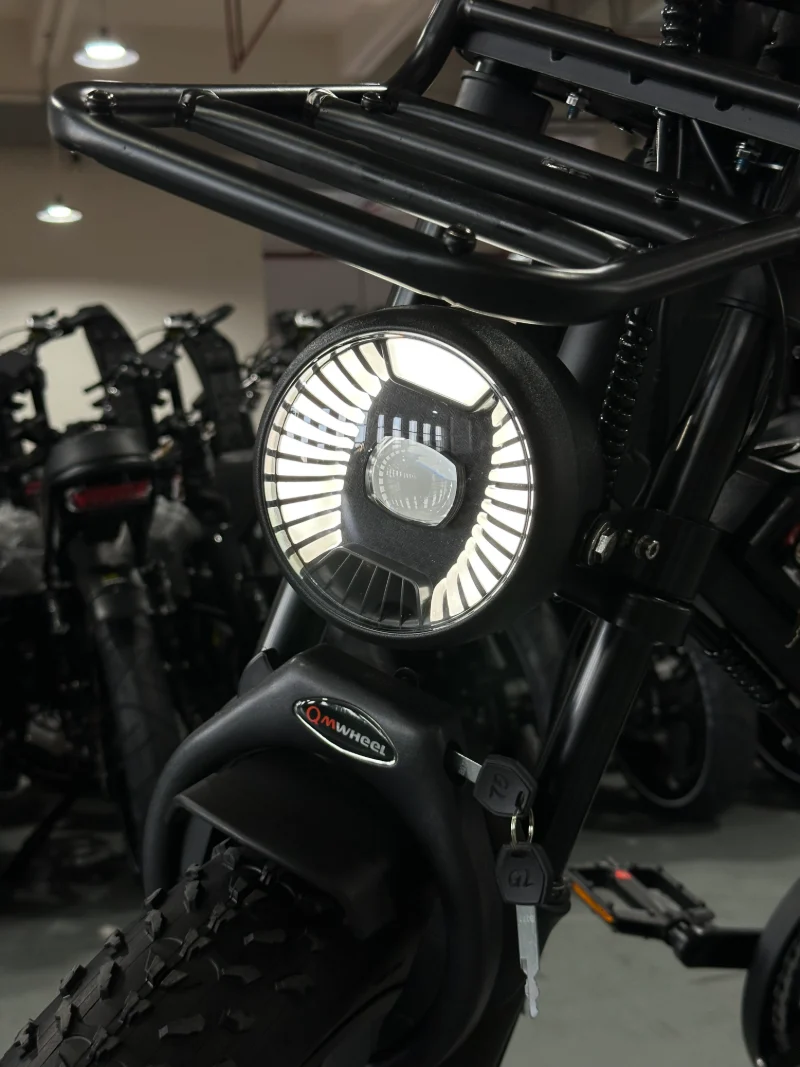
Long Range Fat Tire Ebike for OEM and ODM Outdoor Mobility Brands
QMWHEEL provides a long range fat tire ebike with flexible battery, motor and comfort options, supporting OEM and ODM brands in diverse outdoor mobility markets.
Read More -
 Blogs
All Terrain Electric Fat Bike Design for Commuting and Off-Road Comfort
An all terrain electric fat bike combines wide tires, stable handling, and electric assistance for comfortable commuting and confident rides across varied terrain.
Read More -
 Blogs
Fat Tire Electric Bicycles With Wide Tires for Better Grip on Loose Surfaces
Fat tire electric bicycles offer improved traction, comfort, and stability on gravel, sand, dirt, and uneven roads, making mixed-terrain riding more versatile.
Read More -
 Blogs
Why Fat Tires Matter in a Custom Electric Mountain Bike Design
Fat tire performance gives a custom electric mountain bike stronger traction, stability, and comfort for mixed terrain while supporting flexible OEM and ODM development.
Read More